

Frozen Food Market Trends in China: Key Insights from Industry Experts at SIAL China
China's food scene is changing very fast. For a long time, people in China only wanted fresh food. They would go to wet markets to buy live fish or fresh vegetables. But things are different now. Cities are getting bigger, and more people have joined the middle class. Because of this, the frozen food market has grown from a small side business into a huge industry.
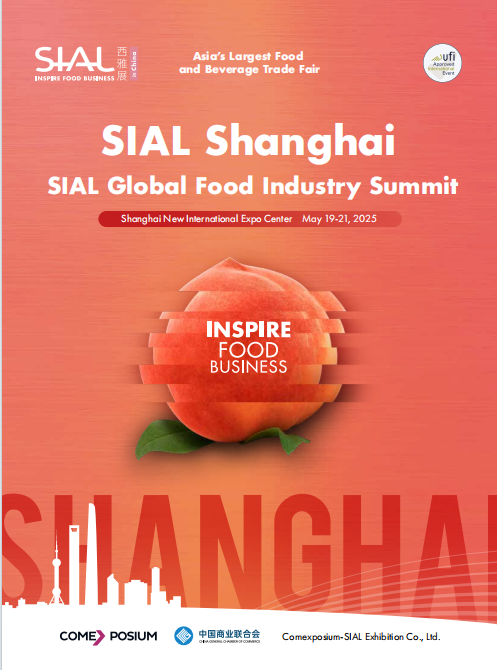
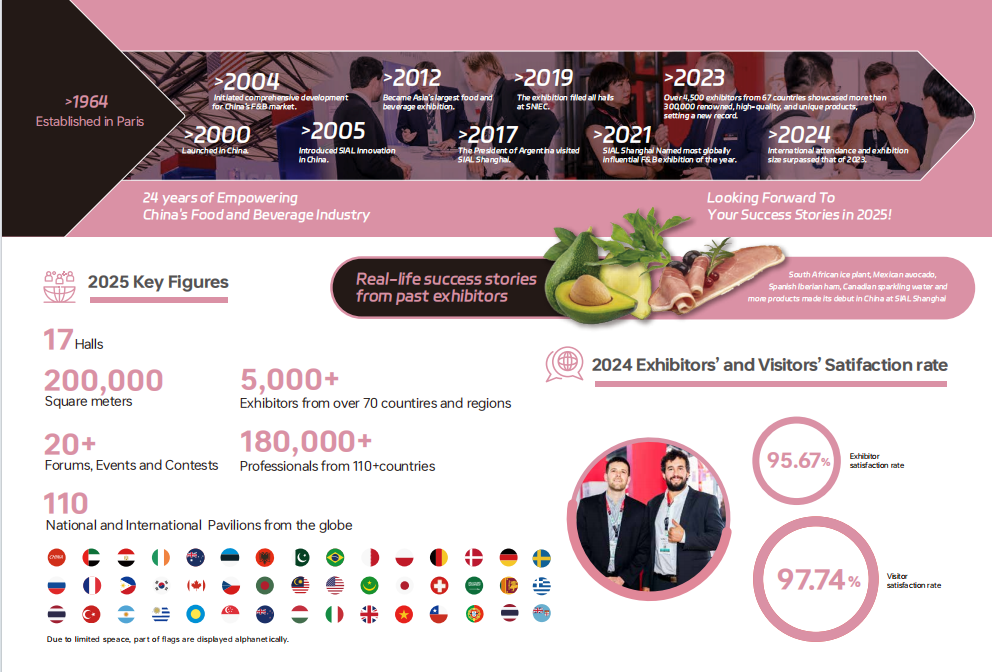
If you are a brand or a seller from another country, you need to understand these changes. It is the only way to succeed here. Industry leaders meet every year to talk about this. They go to SIAL China, which is the biggest food and drink show in Asia. We looked at the trends and expert talks from the show. This guide explains how the market is changing, the rise of packaged foods, and what is happening with cold shipping.
The Macro View: A Paradigm Shift in Consumption
To understand where the frozen food market is going, you have to look at how people live. Families are smaller than they used to be. Many young people live alone. Also, life in big cities like Shanghai and Beijing is very fast. People work long hours. They don't have time to shop for groceries every day or cook big meals.
The End of the "Wet Market" Era?
Wet markets are still around, but young people don't visit them as much. The younger generations think differently about cooking. They want things to be fast and easy. This change has created a big opening for frozen food. But these buyers don't want the low-quality frozen dumplings from the past. They want meals that taste like they came from a restaurant, but they want to make them at home in ten minutes.
The "Lazy Economy" and "Home Economy"
There are two big terms you hear in Chinese marketing right now. One is the "Lazy Economy." This isn't an insult. It just means people want products that save them work. They want frozen ingredients that are already washed and cut.
The other term is the "Home Economy." This got really big a few years ago. People want to eat fancy meals, but they want to stay home. So, they buy premium frozen items like steaks or lobsters. They cook these in their own kitchens. This trend is making the frozen food sector much more high-end.
Deep Dive: Key Product Categories Dominating the Market
At SIAL China, the show floor is split up by product type. We can look at these sections to see where people are spending their money in the frozen food market.
The Phenomenon of "Yu Zhi Cai" (Prepared Dishes)
The biggest trend right now is something called Yu Zhi Cai. This translates to "Prepared Dishes." It is growing incredibly fast. Experts think it will be worth trillions of RMB soon.
These are not like cheap TV dinners in the West. Yu Zhi Cai targets people with money to spend. These are fancy packaged foods made with good freezing technology. You can see many examples at SIAL China.
Local Favorites: You can buy frozen Sichuan boiled fish or Cantonese dim sum. These are hard to make from scratch. The frozen versions are much easier.
Party Food: There are also big frozen dishes made for family reunions. This lets a normal person serve a banquet dinner easily.
This is a big chance for international buyers. The companies making Yu Zhi Cai need good ingredients. They need high-quality frozen meat and vegetables to make these meals.
Premium Frozen Meats and the "Steak" Revolution
People in China are eating more beef than ever. The local farms can't produce enough. So, imported frozen beef is very popular. SIAL China even has special events like the SIAL Best Steak Awards to highlight this.
Shoppers are learning more about meat. They know the difference between cuts like Ribeye and Sirloin. In the past, people mostly ate thin beef in hot pots. Now, they want thick steaks to cook in a pan. Sellers need to change their packaging to fit this. Instead of big wholesale blocks, customers want single steaks that are vacuum-sealed.
Aquatic Products and the "Cold Chain" Trust
Seafood is a huge part of Chinese cooking. But it is hard to send fresh seafood to cities that are far from the ocean. This is why the frozen food market for seafood is booming. Better freezers make it possible.
If you visit the seafood area at SIAL China, you will see a lot of "Deep Sea" products. Things like shrimp and cod are popular. Brands say these are pure and safe. Customers care about safety a lot. The best products are labeled "frozen at sea." This tells the buyer that the fish was frozen right after it was caught. People are starting to believe that this is actually fresher than "fresh" fish that sat in a store for days.
Innovation in Packaged Foods: Beyond Preservation
In the frozen world, packaged foods are changing. It isn't just about keeping food from rotting anymore. It is about health and looking good.
The Intersection of Health and Convenience
Modern shoppers in China read the label. They want "Clean Labels." In the past, people thought frozen food had too much salt or chemicals.
Now, top brands at SIAL China use a different selling point. They say, "The cold is our preservative." They use flash-freezing to lock in nutrients. They don't need to add fake chemicals. We are seeing a few new types of healthy frozen food:
Low-GI Meals: These are for people watching their sugar or weight.
Healthy Kids' Food: Parents worry about what their kids eat. They look for the best frozen foods with extra vitamins or protein.
Packaging as a Marketing Tool
In China, the package is very important. Apps like TikTok and Little Red Book are huge. People like to share photos of what they buy. So, packaged foods need to look good.
We are seeing some cool new ideas:
Clear Packaging: Some meat packages let you touch and see the meat through a clear film. This makes it look high-quality.
Smart Cooking: Some packages help you cook. You can put a bag of frozen buns right in the microwave. The bag has a special vent to steam the food perfectly.
Sourcing Strategy: Finding the Best Frozen Foods at SIAL China
The Chinese market is huge. This can be confusing for foreign buyers or hotel managers. There are thousands of suppliers. You need a plan to find the best frozen foods.
Utilizing SIAL Innovation as a Compass
A great place to start is the SIAL Innovation area. This is a special part of the show. Every year, experts pick the most creative new products.
This is a shortcut for buyers in the frozen food market. It helps you spot trends early. Maybe you see a new type of plant-based dumpling winning an award. Or maybe it is a new frozen yogurt bar. If it wins here, it will probably be popular in stores next year.
The Value of Sector-Specific Pavilions
SIAL China organizes the floor by category. This makes it easy to walk around. If you work in frozen food, you should visit the three main zones:
Meat & Poultry: This is where you find raw meat and premium cuts.
Seafood: This is for fish and other ocean products.
Convenience Food: This is where you find the ready-to-eat meals and Yu Zhi Cai.
When you visit these zones, you can compare prices easily. You can also talk directly to factory owners. Many international brands hire these factories to make products for them.
The Technological Backbone: Cold Chain Logistics
The frozen food market relies on good shipping. We call this the "Cold Chain." This industry is growing just as fast as the food industry.
Solving the "Last Mile" Problem
Five years ago, it was risky to buy ice cream online. It might melt before it got to your house. Today, it is normal. Big shipping companies like JD have spent a lot of money on freezer trucks and warehouses.
This changes how stores work. Brands don't have to fight for space in supermarket freezers. That space is expensive. Now, they can sell directly to people online. If you are an international brand, you can reach customers in small cities. You just need a good shipping partner.
Smart Warehousing and IoT
You can see new tech at SIAL China too. They use "Internet of Things" (IoT) sensors. These are smart tags that go on the pallets of frozen food.
These tags track the temperature. Imagine a shipment going from a port to a warehouse. If the temperature gets too warm at any time, the tag records it. The seller knows immediately. This builds trust. It proves that the brand is selling the best frozen foods and keeping them safe.
Regulatory Landscape and Market Entry
If you want to export to China, you have to be careful. You must follow the rules. China has very strict food safety laws.
GACC Registration
There is a government group called the GACC. All foreign food makers must register with them. You cannot skip this step. The rules are even stricter for frozen meat and seafood. You also need to make sure your country has an agreement with China to trade these products.
Labeling and Localization
You can't just translate your package label and be done. You need to follow Chinese laws about fonts and ingredient lists. Also, you need to match local tastes. The packaged foods that win are the ones that taste local. For example, a frozen pizza brand might sell a pepperoni pizza. But they should also try selling a spicy crayfish flavor. That catches people's attention.
Future Outlook: What’s Next for Frozen Food?
We are looking at the future now. There are a few trends that will likely be big at the next SIAL China show.
The Plant-Based Frozen Sector
Plant-based meat has had some trouble globally. But in China, it is finding a home in frozen dumplings and buns. Makers are mixing plant proteins into these traditional foods. It lowers the cost and makes the food healthier. We expect to see more of this.
Sustainability and Green Cold Chains
China wants to be carbon neutral. Keeping food frozen uses a lot of energy. So, there is a big push for green technology. We will see better fridges and biodegradable packaging for frozen food. Brands that show they care about the earth will do better with young customers and the government.
Conclusion: Capitalizing on the Momentum
The frozen food market in China is changing completely. It shows how the whole economy is developing. Better roads and trucks meet new customer needs.
Frozen food is not the "cheap option" anymore. In China, frozen means variety and quality. You can find amazing packaged foods in modern grocery stores like Hema Fresh. You can also see high-tech cold storage warehouses. The industry is moving fast.
If you are a business owner, the message is simple. People want these products. But there is a lot of competition. You need to know the market well. You need good partners. And you need to know what customers want.
The best place to learn all of this is in person. You might want to buy the best frozen foods for your hotel. Or maybe you want to sell your own products to the biggest market in the world. SIAL China is the place to do it. It is where global ideas meet Chinese opportunities.
'/%3e%3cdefs%3e%3clinearGradient%20id='paint0_linear_1477_4631'%20x1='18.272'%20y1='0'%20x2='18.272'%20y2='35.3674'%20gradientUnits='userSpaceOnUse'%3e%3cstop%20stop-color='%23FF9F9F'/%3e%3cstop%20offset='1'%20stop-color='%23F15E5E'/%3e%3c/linearGradient%3e%3c/defs%3e%3c/svg%3e)
'/%3e%3cdefs%3e%3clinearGradient%20id='paint0_linear_1477_4633'%20x1='17.5'%20y1='0'%20x2='17.5'%20y2='35'%20gradientUnits='userSpaceOnUse'%3e%3cstop%20stop-color='%23E9C0EE'/%3e%3cstop%20offset='1'%20stop-color='%23CE57DC'/%3e%3c/linearGradient%3e%3c/defs%3e%3c/svg%3e)

