
What Is Halal Food? Everything You Need to Know About Halal Diet Foods
Food is not just fuel. It connects us to our culture. It connects many people to their faith. One of the biggest food trends in the world right now is Halal. You have probably seen the Halal logo on snack packages. You might see it on restaurant windows. But you might still wonder: what is halal food exactly?
Is it just about meat? Is it only for Muslims? Or is there a deeper halal food meaning?
The answer is really interesting. The halal diet food market is huge. It is growing fast. You can see this excitement at big events like SIAL China. This is the biggest food innovation show in Asia. Experts go there every year. They want to see the cleanest and best ethical products.
We wrote this guide to help you. We will explain what does halal food mean. We will look at the rules. We will also explain why many non-Muslims are choosing this diet for a healthier lifestyle.
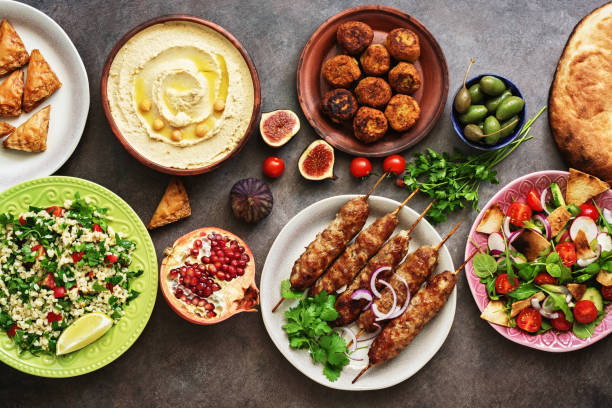
Understanding the Basics: Halal Food Meaning
First, let's look at the word itself. "Halal" is an Arabic word. It simply means "allowed" or "permissible." The opposite word is "Haram." That means "forbidden."
More Than Just Ingredients
People often ask what is halal food by looking for a list of bad ingredients. That is part of it. But the halal food meaning is bigger. It is about purity. It covers how we get the food. It covers how we treat the animals.
We call this concept "Toyyiban." This means the food is wholesome and good. It is pure from the farm to your plate. This is why many people trust halal diet food. They see it as a gold standard for safety.
The Spiritual Connection
Muslims eat Halal to obey God. It is an act of worship. They believe that food affects the spirit. If you eat pure food, you keep a pure heart. This is a big part of what does halal food mean to a believer. It is not just a diet. It is mindfulness.
What Foods Are Halal? A Quick Guide
The rules might seem hard. But the basics are simple. Most food is actually Halal. It is allowed unless the rules say it is forbidden.
Meat and Poultry
This is the big one. Meat must follow specific rules to be Halal. We call this "Zabihah."
- The Animal: It must be healthy and alive.
- The Method: The method is generally designed to be as quick and painless as possible, often involving the use of a sharp knife to cut the jugular vein.
- The Dedication: The person must say God's name at that moment.
- Blood Drainage: They must drain all the blood. Blood is not considered clean to eat.
Fruits, Vegetables, and Grains
Here is the good news. Almost all plants are naturally Halal. You can eat rice, wheat, and apples. They are fine. They only become bad if you cook them with forbidden things. For example, you cannot cook spinach in pork fat. You cannot ferment grapes into alcohol.
Seafood
Fish is usually safe. You don't need a special slaughter method for fish. It is considered pure. Some scholars disagree about shellfish like shrimp or crab. But most people consider fish a safe halal diet food.
Forbidden Foods (Haram): What to Avoid
You need to know what to avoid to understand what is halal food. The list of forbidden items is short. But the rules are strict.
Pork and Pork By-products
This is the most famous rule. Muslims do not eat pigs. This includes bacon, ham, and pepperoni. But you have to be careful with by-products too.
- Lard: This is pig fat used in cooking.
- Gelatin: This often comes from pig bones. It is in gummy candy and marshmallows.
- Enzymes: Some cheese is made with enzymes from pigs.
Halal standards emphasize ingredient transparency and strict sourcing requirements.
Alcohol and Intoxicants
Alcohol is completely forbidden. You cannot drink beer or wine. You also cannot cook with them. You cannot eat chocolate filled with liquor. This rule applies to drugs too. Anything that hurts your mind is not allowed.
Carnivorous Animals
You cannot eat animals that have fangs. Tigers and lions are not Halal. Birds with talons, like eagles, are also forbidden. The diet focuses on animals that eat plants, like cows and sheep.
The Rise of Halal Diet Food for Non-Muslims
We see a cool trend at global hubs like SIAL China. The customers are changing. In the past, only Muslims bought Halal food. Now, many non-Muslims buy it too. Why?
Perception of Hygiene and Safety
People think halal diet food is cleaner. The rules require draining the blood. This removes a place for bacteria to grow. Also, farmers cannot use sick animals. This quality control appeals to health-conscious shoppers.
Ethical Treatment of Animals
Halal rules demand kindness to animals. You cannot stress the animal before slaughter. They should eat a natural diet. Many people hate factory farming. Understanding what does halal food mean for animal welfare is a big selling point for them.
The "Free-From" Movement
Maybe you are allergic to alcohol. Maybe you avoid pork for health reasons. The Halal logo makes shopping easy. It acts like a "free-from" label. You can trust it without reading every single ingredient.
Halal Certification and the Global Supply Chain
The definition of what is halal food is expanding. How do you trust a frozen lasagna? How do you know a bag of chips is safe?
The Role of Certifiers
We have Halal Certification bodies. These groups inspect factories. They check the cleaning chemicals. They check the ingredients. The product gets a logo if everything is perfect.
You will see these logos everywhere at SIAL China. It is a passport for products. It lets them enter markets in the Middle East and Southeast Asia.
Cross-Contamination
Factories must avoid cross-contamination. This is huge for the halal food meaning. You cannot make pork sausages and beef sausages on the same machine. You have to clean it perfectly first. Most Halal brands use separate facilities. This ensures zero contact with forbidden items.
The Halal Market at SIAL China
Asia is the place to be for this industry. It has the largest Muslim populations in the world.
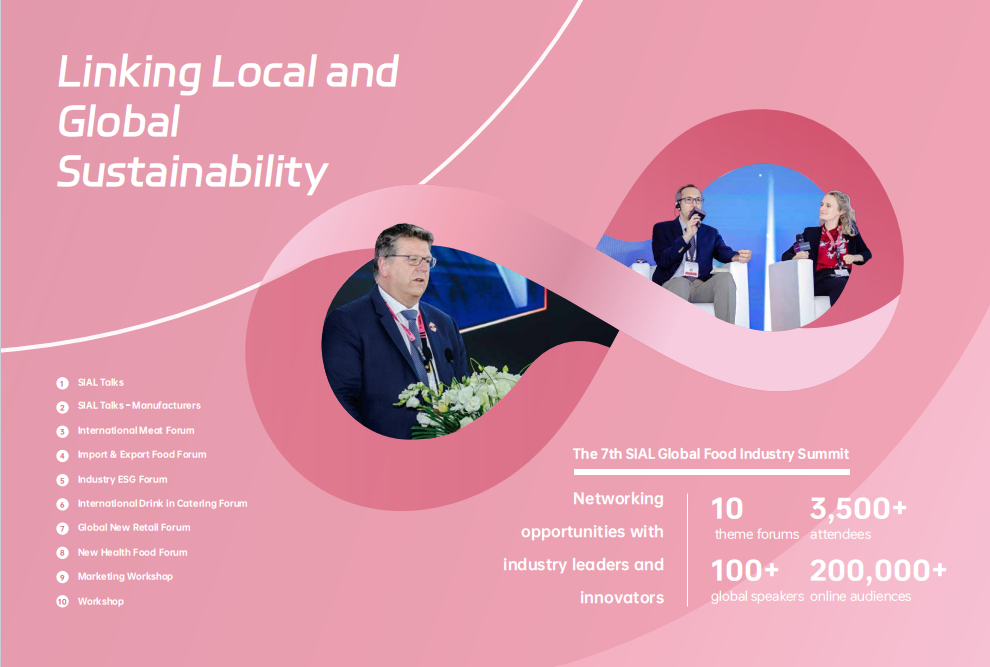
A Hub for Innovation
SIAL China connects the world. International brands come to Shanghai. They show off their new halal diet food.
- Halal Wagyu Beef: You can find high-end steaks.
- Plant-Based Meat: Vegan products often get Halal certification. This doubles their customers.
- Halal Collagen: These are beauty supplements made from fish. They strictly avoid pig gelatin.
Connecting Cultures
Food crosses borders. You realize something when you walk the floor at SIAL China. What is halal food? It is a business answer. It is about including everyone. Brands tell millions of consumers, "We welcome you."
Halal vs. Kosher: What’s the Difference?
People often confuse Halal and Kosher. They are similar. But they are not the same.
- The Same: Both ban pork. Both have strict slaughter rules.
- The Difference: Kosher bans mixing meat and milk. No cheeseburgers allowed. Halal allows this. Also, Kosher allows alcohol. Halal forbids it.
You need to know what does halal food mean compared to Kosher. This helps brands export to the right places.
Conclusion: The Future is Inclusive
So, what is halal food? It is a clean way of eating. It prioritizes animal welfare. It has spiritual intent.
The halal food meaning is evolving. It is not just a religious rule anymore. It is a global mark of quality. You might want a healthy halal diet food plan. Or you might be a business owner. You cannot ignore this trend.
The food industry is connecting the world. Platforms like SIAL China are leading the way. The Halal seal will soon be as common as "Organic." It represents a standard of care that everyone can appreciate.
'/%3e%3cdefs%3e%3clinearGradient%20id='paint0_linear_1477_4631'%20x1='18.272'%20y1='0'%20x2='18.272'%20y2='35.3674'%20gradientUnits='userSpaceOnUse'%3e%3cstop%20stop-color='%23FF9F9F'/%3e%3cstop%20offset='1'%20stop-color='%23F15E5E'/%3e%3c/linearGradient%3e%3c/defs%3e%3c/svg%3e)
'/%3e%3cdefs%3e%3clinearGradient%20id='paint0_linear_1477_4633'%20x1='17.5'%20y1='0'%20x2='17.5'%20y2='35'%20gradientUnits='userSpaceOnUse'%3e%3cstop%20stop-color='%23E9C0EE'/%3e%3cstop%20offset='1'%20stop-color='%23CE57DC'/%3e%3c/linearGradient%3e%3c/defs%3e%3c/svg%3e)