

Why Vegan Snacks Are Becoming a Popular Healthy Choice
The global snack industry is undergoing a structural shift, with plant-based products moving from niche segments into mainstream retail and foodservice channels. Vegan snacks and plant based snacks are increasingly positioned as part of broader product portfolios targeting evolving consumer preferences around ingredient transparency, sustainability, and diversified protein sources.They are also widely recognized as healthier alternatives, often associated with clean-label ingredients, gluten-free options, and balanced nutrition.
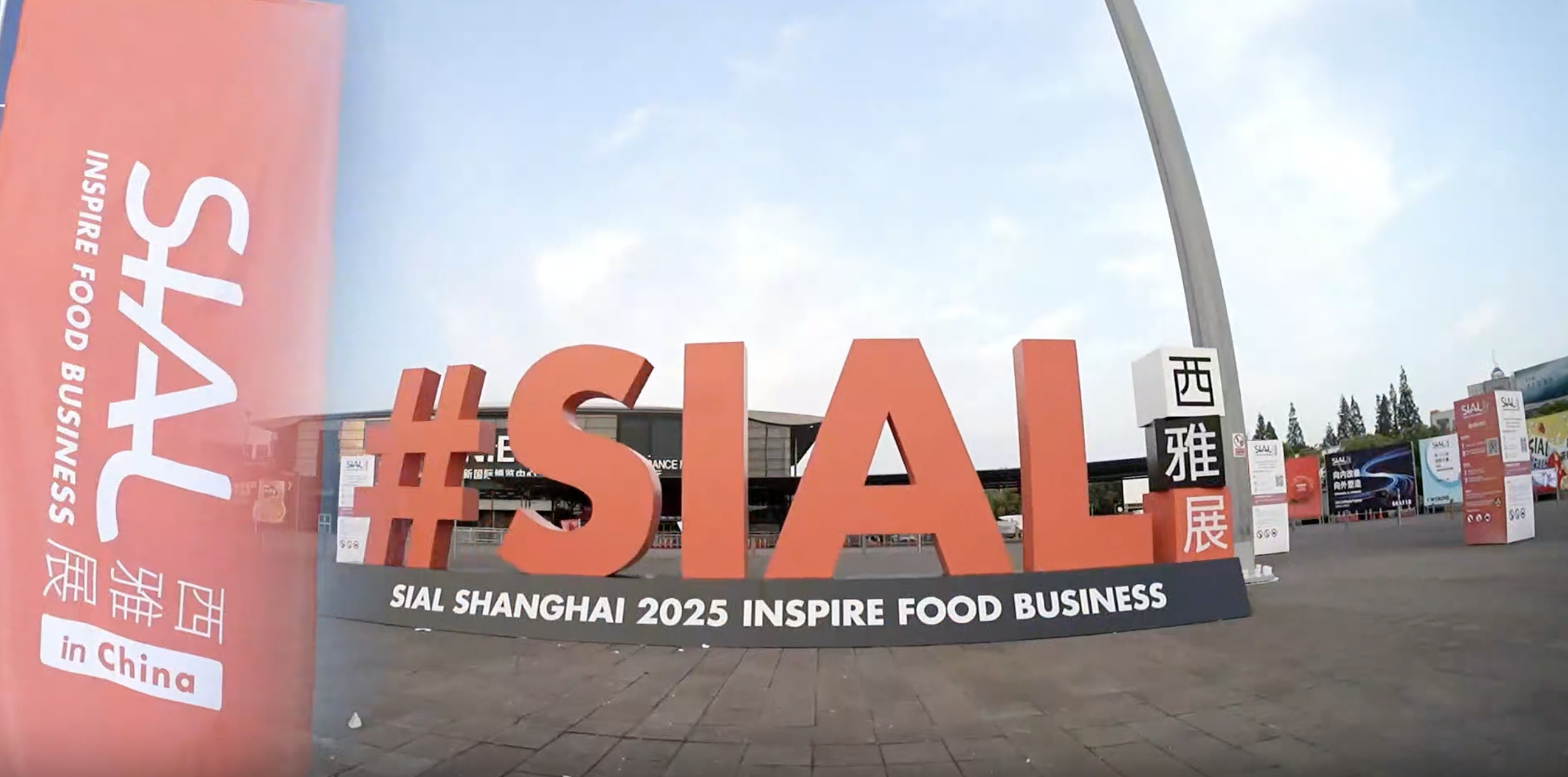
At major international trade platforms such as SIAL China, this transition is reflected in the growing number of exhibitors focusing on plant-based innovation, including functional snack formulations, alternative protein applications, and clean-label product development. These exhibitions play a key role in connecting manufacturers, buyers, and distributors while enabling cross-market trend benchmarking.
The Rise of Plant Based Snacks in Modern Diets
Plant based snacks are gaining traction across multiple consumer segments and are increasingly positioned as healthy vegan snacks in modern diets.Advances in food processing technologies, such as extrusion and protein isolation, have significantly enhanced taste and texture, making these products more competitive with conventional snack formats.
Evolving Consumer Preferences
Consumers are increasingly prioritizing ingredient transparency and product simplicity. As a result, vegan snacks are often developed with shorter ingredient lists and recognizable components,aligning with the growing demand for clean-label products and healthy gluten free snacks. However, nutritional value varies significantly depending on formulation, processing methods, and added ingredients such as sugar, salt, or fats.
Sustainability Considerations
Environmental concerns are another important driver behind the growth of plant based snacks. Compared with animal-based production systems, plant-based ingredients generally require fewer natural resources, including water and land. This positioning has contributed to their appeal among sustainability-focused consumers, particularly in urban markets.
High Protein Vegan Snacks as a Growth Segment
Protein remains a key focus in the healthy snacking category. High protein vegan snacks are increasingly developed to meet demand from active consumers, professionals, and younger demographics seeking convenient nutrition options.
Plant Protein Sources
Pea protein and soy protein isolates are among the most widely used ingredients in this category due to their functional properties and scalability. Pea protein is often selected for its relatively neutral taste profile and lower allergen risk, while soy remains a complete protein source widely used in global markets.
Nuts, Seeds, and Ancient Grains
In addition to protein isolates, manufacturers are incorporating whole food ingredients such as almonds, chia seeds, flaxseeds, and quinoa. These components contribute to both texture and nutritional positioning, and are commonly featured in snack bars, baked crisps, and mixed snack formats. At SIAL China, these ingredient combinations are frequently adapted to regional flavor preferences.
Innovation on the SIAL China Exhibition Floor
SIAL China serves as a key platform for observing how global plant-based trends are localized for different markets.
Product Differentiation Through Flavor
Manufacturers are increasingly incorporating regional flavors into plant based snacks to enhance market appeal. Examples include seaweed-based seasonings, spice-infused dried fruits, and savory snack formats inspired by local cuisines. This approach enables brands to balance global product concepts with localized taste preferences.
B2B Sourcing and Market Expansion
The exhibition environment facilitates direct engagement between suppliers and buyers, including retailers, distributors, and private label partners. Plant-based snack categories, particularly high protein vegan snacks and healthy gluten free snacks, are among the fastest-growing segments.
What Defines a Competitive Vegan Snack Product
While demand for vegan snacks is increasing, product quality and formulation remain critical factors in market success.
Clean-Label Formulation
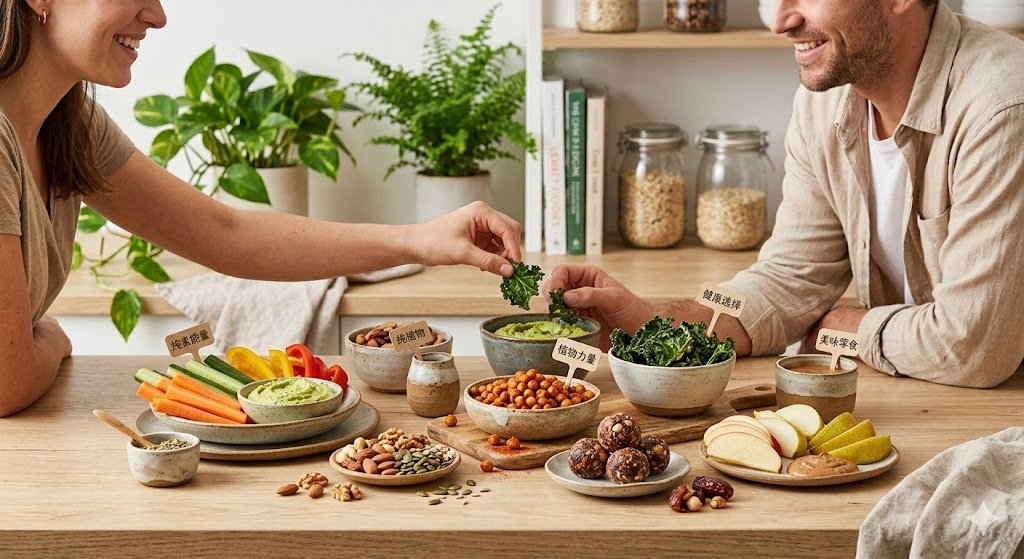
Products positioned as clean-label typically emphasize simplified ingredient lists and reduced use of artificial additives. This aligns with consumer expectations for transparency, although definitions of “clean” vary across markets and regulatory frameworks.
Sugar and Sodium Considerations
Some plant based snacks may contain added sugars or sodium to enhance palatability. As a result, buyers and consumers are increasingly paying attention to nutrition labeling to evaluate product composition rather than relying solely on plant-based positioning.
Fiber and Functional Positioning
Fiber is commonly highlighted as a functional attribute in plant-based products, although levels vary depending on ingredients and processing methods. Many brands position fiber alongside protein as part of a broader functional snacking strategy.
Key Trends in the Vegan Snack Market
Several product trends are shaping the future of vegan snacks and plant based snacks globally.
Meat-Alternative Snack Formats
Snackable formats inspired by traditional meat products, such as plant-based jerky, are gaining popularity. These products are typically formulated using soy, mushrooms, or other plant proteins to mimic the texture and savory profile of conventional jerky products.
Pulses-Based Crisps and Extruded Snacks
Chickpeas, lentils, and other pulses are increasingly used in extruded snack formats.These products are often positioned as healthy gluten free snacks with added nutritional value.These snacks are often positioned around protein content and ingredient differentiation rather than direct health claims.
Challenges in Developing Vegan Snacks
Despite strong growth, manufacturers face several technical and commercial challenges.
Taste and Texture:
Some plant proteins present sensory challenges, including beany flavors or earthy off-notes. Companies address these issues through flavor masking, fermentation, and advanced processing technologies.
Cost Factors:
Ingredients such as nuts, seeds, and specialty proteins can increase production costs, impacting pricing strategies in competitive retail environments.
Shelf Life and Stability:
Maintaining product freshness without extensive use of preservatives remains a key challenge, leading to innovations in packaging and processing.
The Future of Plant-Based Snacking
The plant-based snack category continues to evolve with advances in food technology and ingredient innovation.
Fermentation and Alternative Proteins
Precision fermentation is emerging as a key technology, enabling the development of proteins that can mimic the flavor, texture, and functional properties of dairy-based ingredients. This approach is attracting significant attention in the development of next-generation vegan snack products.
Product Personalization
Looking ahead, personalization may become a differentiating factor in the snack category, with products tailored to specific dietary preferences, usage occasions, or consumer segments.
How to Select Vegan Snacks for Different Needs
With a wide range of products available, selection often depends on usage scenarios and product positioning.
Occasion-Based Selection
High protein vegan snacks are typically positioned for active or on-the-go consumption, while lighter plant based snacks may be suited for casual snacking occasions.
Portion and Packaging
Single-serve formats are increasingly used to support portion control and convenience, particularly in urban retail environments.
Product Exploration
Trade exhibitions such as SIAL China highlight the diversity of plant-based innovation, encouraging buyers to explore new ingredients, formats, and flavor profiles.
Conclusion
The rapid growth of vegan snacks reflects broader shifts in consumer behavior, product innovation, and global supply chains. As plant based snacks continue to expand across markets, industry platforms such as SIAL China play a central role in showcasing innovation, enabling sourcing, and supporting strategic decision-making for food businesses.
Register for the next edition to explore emerging trends, connect with suppliers, and identify new opportunities in the evolving plant-based snack category.


'/%3e%3cdefs%3e%3clinearGradient%20id='paint0_linear_1477_4631'%20x1='18.272'%20y1='0'%20x2='18.272'%20y2='35.3674'%20gradientUnits='userSpaceOnUse'%3e%3cstop%20stop-color='%23FF9F9F'/%3e%3cstop%20offset='1'%20stop-color='%23F15E5E'/%3e%3c/linearGradient%3e%3c/defs%3e%3c/svg%3e)
'/%3e%3cdefs%3e%3clinearGradient%20id='paint0_linear_1477_4633'%20x1='17.5'%20y1='0'%20x2='17.5'%20y2='35'%20gradientUnits='userSpaceOnUse'%3e%3cstop%20stop-color='%23E9C0EE'/%3e%3cstop%20offset='1'%20stop-color='%23CE57DC'/%3e%3c/linearGradient%3e%3c/defs%3e%3c/svg%3e)

