

Southeast Asian Food and Tropical Beverages in Modern Food Choices
Southeast Asian food is rapidly becoming one of the most influential forces shaping modern consumer preferences. As global audiences grow more interested in authentic flavors, wellness-focused ingredients, and culturally diverse dining experiences, cuisines from across Southeast Asia are gaining unprecedented international attention.
From restaurants and cafés to supermarkets and social media platforms, the region’s bold flavors and vibrant culinary traditions are increasingly entering mainstream food culture. As consumer curiosity around global cuisine continues to grow, Southeast Asian flavors are becoming an increasingly visible part of modern everyday dining.
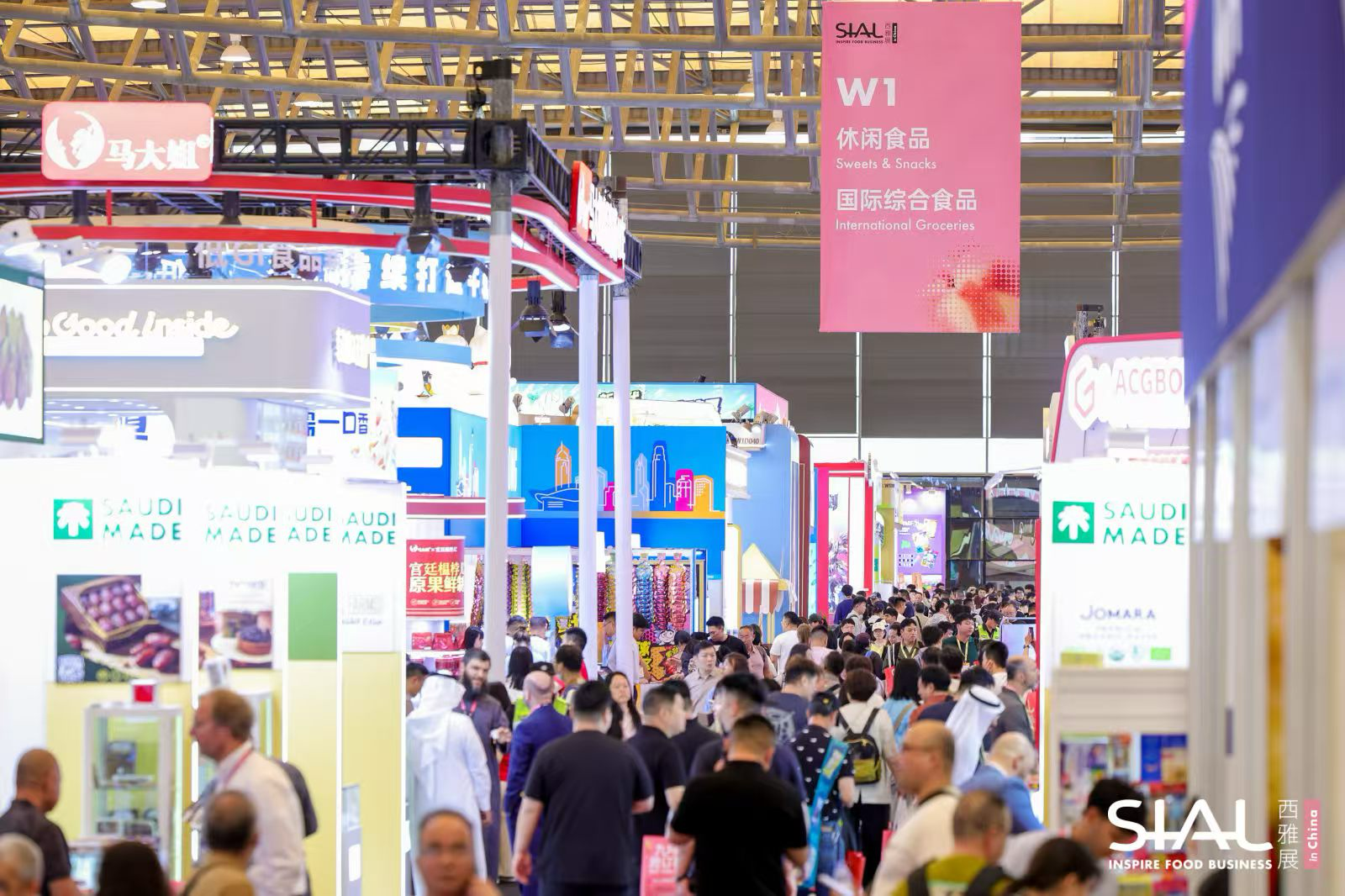
SIAL Shanghai 2026, held from May 18 to May 20 at the Shanghai New International Expo Center, offered a powerful snapshot of this momentum. The event brought thousands of international buyers face-to-face with leading producers from Thailand, Vietnam, and beyond, turning trend analysis into tangible business connections.
The Transformation of Modern Culinary Preferences
The global food and beverage industry is undergoing a major cultural transformation. Consumers today no longer eat simply for convenience or basic nutrition. Increasingly, they are becoming more intentional about what they buy, how products are made, and the kind of lifestyle those products represent.
Flavor still matters, but modern purchasing decisions are now shaped by far more than taste alone. Wellness, authenticity, sustainability, and global culinary curiosity are all playing a growing role in how consumers choose food and beverages.
This shift is one of the biggest reasons why Southeast Asian food has moved rapidly into the international spotlight.
Across supermarkets, cafés, food delivery platforms, and social media feeds, Southeast Asian flavors are becoming part of everyday eating habits. Dishes once considered niche or regionally specific are now appearing in mainstream retail channels worldwide. From fragrant Thai curry paste and Vietnamese rice noodles to fruit-forward tropical beverages and premium coconut drinks, Southeast Asian cuisine is influencing the way modern consumers experience food.
At the same time, global buyers are searching for faster and more direct ways to connect with trusted suppliers across Asia. International trade platforms such as SIAL Shanghai are becoming increasingly important as retailers, importers, and foodservice companies look for authentic products that align with evolving consumer demand. The 2026 SIAL Shanghai powerfully confirmed this trend, with the Thailand and Vietnam pavilions drawing exceptionally high buyer traffic throughout the three-day event.
The Psychology and Sensory Appeal of Southeast Asian Food
One of the biggest reasons behind the global rise of Southeast Asian food is its bold and highly layered flavor profile.
Unlike many Western dishes that rely heavily on butter, cream, or rich sauces, Southeast Asian cuisine creates depth by balancing five essential taste elements:
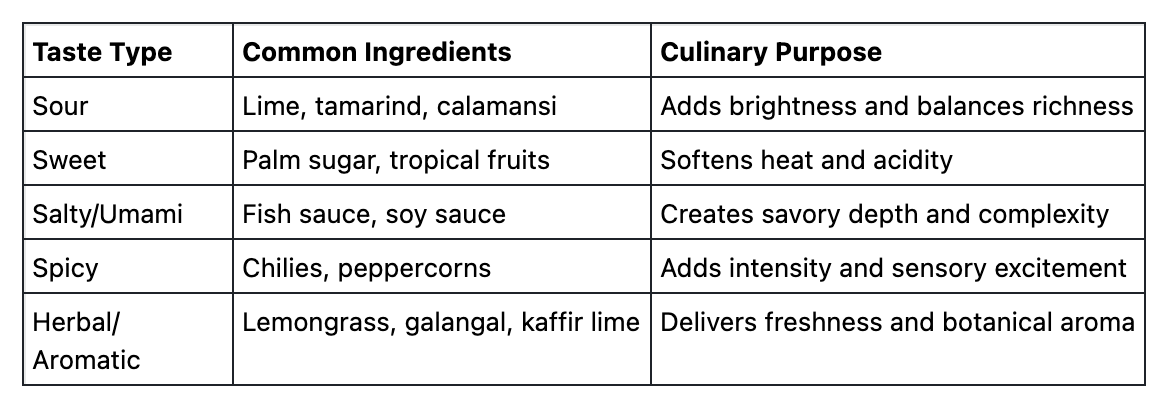
This balance creates a vibrant eating experience that feels fresh and exciting. Consumers are increasingly tired of repetitive processed foods, and Southeast Asian cuisine offers something more dynamic and memorable.
The cuisine also strongly supports modern health-conscious lifestyles. Many dishes naturally include:
- Fresh vegetables
- Lean proteins
- Rice-based gluten-free staples
- Functional herbs and spices such as turmeric and ginger
Because of this, consumers often view Southeast Asian meals as both indulgent and wellness-oriented at the same time.
Macro-Economic Drivers: The RCEP Advantage and Supply Chain Evolution
The explosive growth of these culinary categories on international supermarket shelves is not merely the result of changing tastes; it is heavily supported by powerful macroeconomic shifts. The implementation of the Regional Comprehensive Economic Partnership (RCEP) has fundamentally transformed the trade landscape across the Asia-Pacific region. By significantly reducing tariff barriers, streamlining cross-border customs procedures, and standardizing trade regulations, the RCEP has unleashed a massive wave of high-quality agricultural exports.
In the past, sourcing authentic Southeast Asian food meant dealing with a fragmented network of local brokers, regional consolidators, and international import agents. This multi-tiered system inflated costs, compromised ingredient freshness, and made quality control incredibly difficult. Today, the supply chain has evolved into a highly efficient, direct-to-manufacturer model. Supported by government export initiatives and major international trade shows like SIAL Shanghai, producers in Southeast Asia have scaled their facilities to meet rigorous global food safety standards, including HACCP, ISO, Halal, and strict USDA Organic certifications.
For global enterprise buyers, retail chains, and food service operators, this supply chain compression offers a massive competitive edge. By forging direct relationships with source factories, businesses can lock in consistent product specifications, dramatically reduce procurement costs, and ensure absolute traceability from the farm to the consumer's plate. At SIAL Shanghai 2026, numerous such direct relationships were initiated on the exhibition floor, with buyers and manufacturers signing agreements that bypassed traditional intermediaries entirely.
Thai Food Products: Blending Heritage with Modern Clean-Label Innovation
Thailand has long been celebrated as the "Kitchen of the World," a title earned through decades of agricultural innovation and culinary excellence. Today, the global market for Thai food products is characterized by an impressive ability to preserve ancient culinary heritage while adapting formulations to meet the stringent demands of the modern clean-label movement.
Redefining Liquid Nutrition with Tropical Beverages
The beverage sector is undergoing a massive transformation, moving away from heavily sweetened, artificial sodas toward functional hydration. Within the realm of Thai food products, manufacturers are leading this charge by creating high-value tropical beverages that offer clear, intrinsic health benefits.
- Malee Group: Founded in 1978, the Malee Group stands as a benchmark for fruit juice and beverage manufacturing in the region. By leveraging Thailand's abundant tropical agricultural resources, Malee produces premium 100% pure fruit juices, naturally hydrating coconut water, and plant-based protein drinks. Utilizing advanced aseptic packaging and thermal processing, they are able to retain the volatile aromatic compounds and natural micronutrients of fruits like mango, guava, and pineapple. For international buyers, these clean-label tropical beverages are essential for capturing the premium health-and-wellness demographic.
- I.P. One Co., Ltd.: Established in 1972, this company exemplifies the industrial innovation occurring with Thai raw materials. They specialize in high-purity food ingredients and beverage solutions, including concentrated coconut cream, functional coconut milk powders, and natural plant-derived flavor bases. These products serve as foundational components for global beverage manufacturers looking to create authentic tropical beverages with consistent textures and optimized costs.
Culinary Infrastructure and the Evolution of Thai Curry Paste
One of the historical barriers to popularizing international cuisines has been the difficulty consumers face in replicating complex dishes at home. Thai manufacturers have brilliantly solved this by engineering premium, retail-ready culinary bases.
- Blue Elephant / Blue Spice: Born from the traditions of Thai royal cuisine and recognized by the Michelin Guide, Blue Elephant bridges the gap between fine dining and commercial accessibility. Their premium product matrix includes ultra-authentic Thai curry paste, tom yum soup bases, and specialty spice blends. By strictly adhering to ancestral recipes, their Thai curry paste relies entirely on fresh, locally sourced aromatics like lemongrass, galangal, and kaffir lime, completely avoiding artificial powders or chemical flavor enhancers. This allows chefs and home cooks to easily create uncompromised, restaurant-quality meals.
- Exotic Food PCL: Recognizing the global surge in specialized diets, Exotic Food PCL is a leading global supplier of Halal, vegan, and gluten-free Thai food products. Their extensive lineup features the world-renowned Sriracha chili sauce alongside highly shelf-stable Thai curry paste varieties. By ingeniously replacing animal-derived ingredients (like traditional shrimp paste) with natural, plant-based umami alternatives, they have engineered cleaner variations of classic recipes that fit seamlessly into inclusive, modern grocery sets.
Functional Agility and Herbal Wellness
The demand for proactive health solutions has driven significant innovation in functional foods and supplements.
- Sand-M Global: Since 1999, Sand-M Global has been translating traditional Thai herbal wisdom into modern formats. Their HandyHerb line adapts botanical extracts into everyday consumer goods, such as beauty-focused gummies containing collagen and zinc, and high-fiber digestive wellness shots using natural floral extracts.
- Thai Wah Public Company Limited: Founded in 1947, Thai Wah is a pioneer in clean-label tapioca starches and functional, non-wheat noodles. As global manufacturers seek hypoallergenic alternatives to gluten, Thai Wah’s sustainably sourced cassava derivatives provide essential texturizing and binding capabilities. Furthermore, their innovation in fully biodegradable, plant-based packaging meets the growing corporate mandate for sustainable supply chains.
Vietnamese Food Products: Scaling Quality for the Global Market
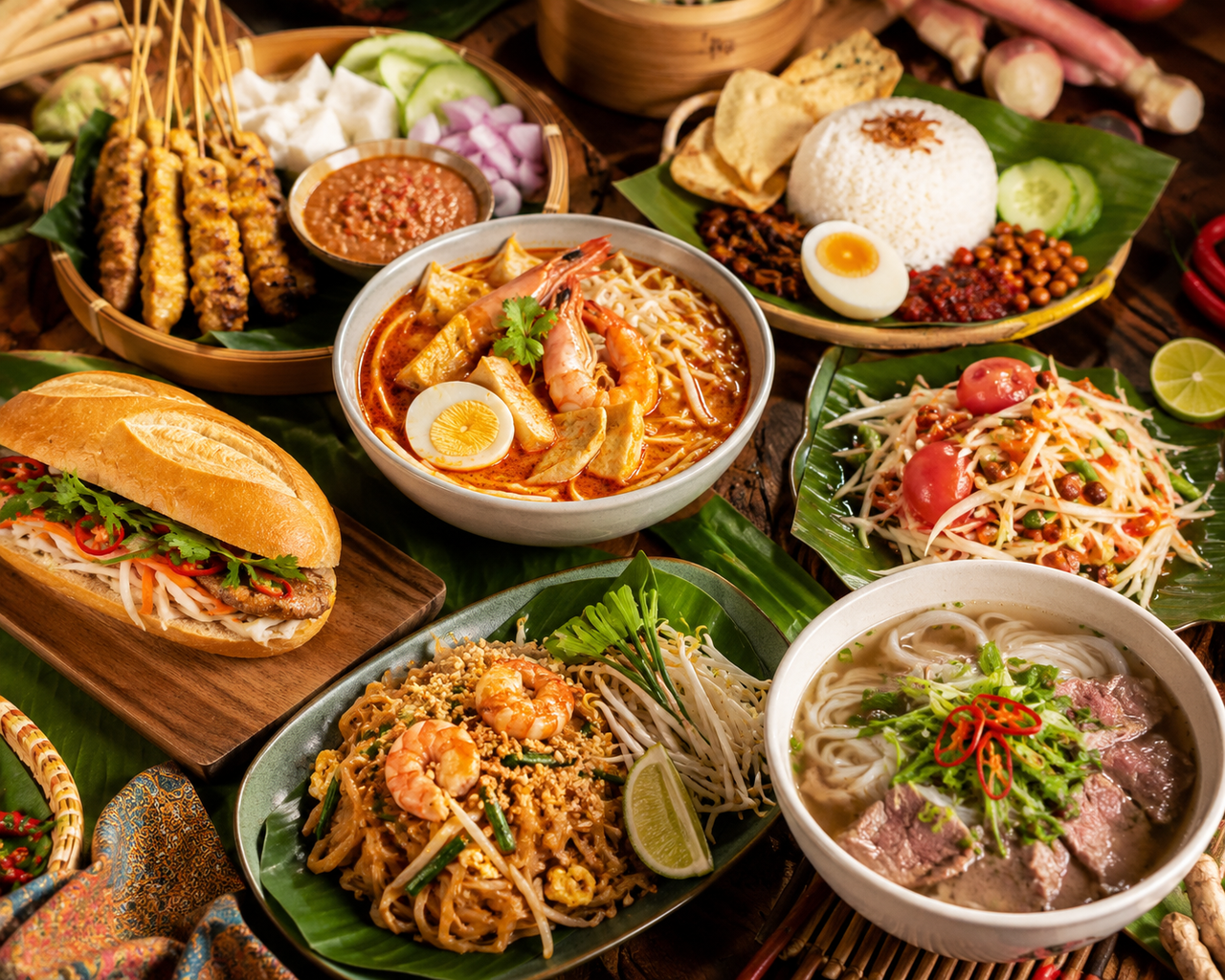
Vietnam’s agricultural sector has transitioned from being a bulk exporter of raw commodities to a sophisticated manufacturer of premium, value-added consumer goods. The influx of Vietnamese food products into global markets is a testament to the country's commitment to quality upgrades, sustainable processing, and vertical integration.
The Evolution of Grain Processing and Modern Staples
Rice forms the backbone of Vietnamese gastronomy, but the modern global market demands that these traditional staples meet rigorous standards for convenience, organic certification, and industrial consistency.
- Bich Chi Food Joint Stock Company: A standard-bearer in the grain processing industry, Bich Chi Food is an essential manufacturing partner for international retail and food service brands. Their comprehensive product range includes premium rice vermicelli, instant pho noodles, organic rice paper, and health-focused brown rice alternatives. By employing state-of-the-art automated milling and drying technologies, they ensure their Vietnamese food products maintain perfect structural integrity and a clean, silky texture upon cooking, making them highly sought-after for gluten-free pantry lines.
The Premiumization of Vietnamese Coffee
Vietnam is one of the world’s largest coffee exporters. The industry is now shifting from commodity exports toward premium consumer-ready products.
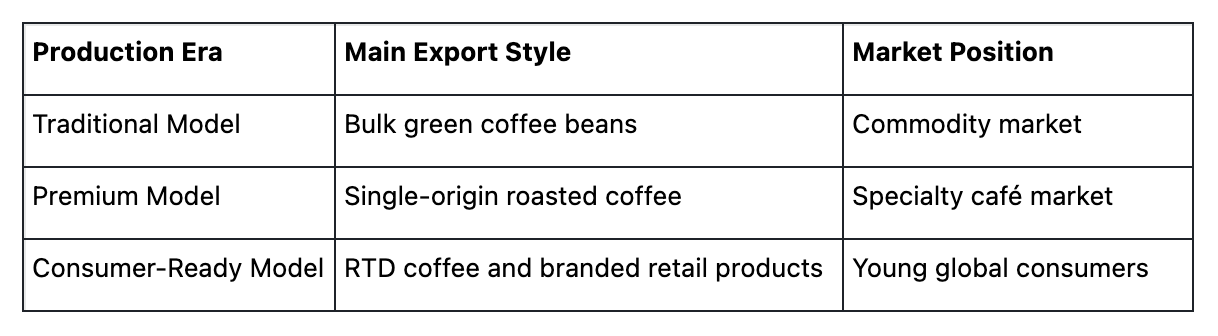
- Ban Gold (Honee Coffee): Capturing the third-wave coffee movement, Ban Gold’s Honee Coffee brand showcases the extraordinary potential of Vietnamese beans. Through advanced honey processing methods and meticulous roasting profiles, they deliver a bold, naturally sweet, and low-acidity cup. This allows global buyers to elevate their beverage aisles with premium, culturally authentic single-origin offerings.
- Sunrise Foodstuff Joint Stock Company: This comprehensive agricultural producer ensures the seamless global distribution of high-grade Vietnamese staples. From fragrant Jasmine rice to organic spices, Sunrise maintains strict oversight over their farming cooperatives, guaranteeing the total supply-chain transparency that modern ethical consumers demand.
Vertical Integration from Tree to Table
Vietnam's unique geography allows it to dominate the global market for premium nuts and processed tropical fruits, utilizing advanced vertical integration to drive high margins.
- Danygreen: As a leader in cashew nut processing, Danygreen has evolved beyond raw nut trading to manufacture dry-roasted, flavored, and functional plant-based snacks. Their innovations cater directly to the global appetite for nutrient-dense, high-protein, clean-energy foods.
- Andros Asia: Specializing in professional fruit processing, Andros Asia utilizes Vietnam’s rich agricultural bounty to produce high-yield fruit purees and preparations for the global pastry and beverage sectors. Their ability to lock in the vibrant acidity and aroma of fresh fruit without artificial preservatives makes them an invaluable partner for creating high-end tropical beverages and desserts.
The Liquid Revolution: The Unstoppable Rise of Tropical Beverages
The global beverage market is experiencing a profound paradigm shift. Consumers are aggressively moving away from synthetic, high-fructose corn syrup sodas in favor of clean, functional refreshment. This has resulted in unprecedented demand for authentic tropical beverages.
Modern tropical beverages are defined by their functional matrix. They combine natural electrolytes (like pure coconut water, which provides essential potassium and magnesium) with authentic fruit pulp (such as passion fruit, calamansi, or lychee for texture and natural tartness), all built upon a strictly clean-label foundation with zero synthetic additives.
The integration of these drinks into daily consumer routines highlights a broader "better-for-you" lifestyle trend. Whether it is a refreshing canned sparkling coconut water, a plant-based mango nectar, or a functional herbal tea, these tropical beverages provide instant sensory gratification while supporting daily nutritional goals. For global distributors and retailers, dedicating prominent shelf space to these products is a proven strategy for attracting high-value, health-conscious Millennial and Gen Z demographics who prioritize transparency and global flavor exploration. The product showcases at SIAL Shanghai 2026 offered compelling proof that this category is only accelerating.
Strategic Procurement: Bypassing Intermediaries for Higher Margins
In today’s competitive retail market, many companies are changing how they source products.
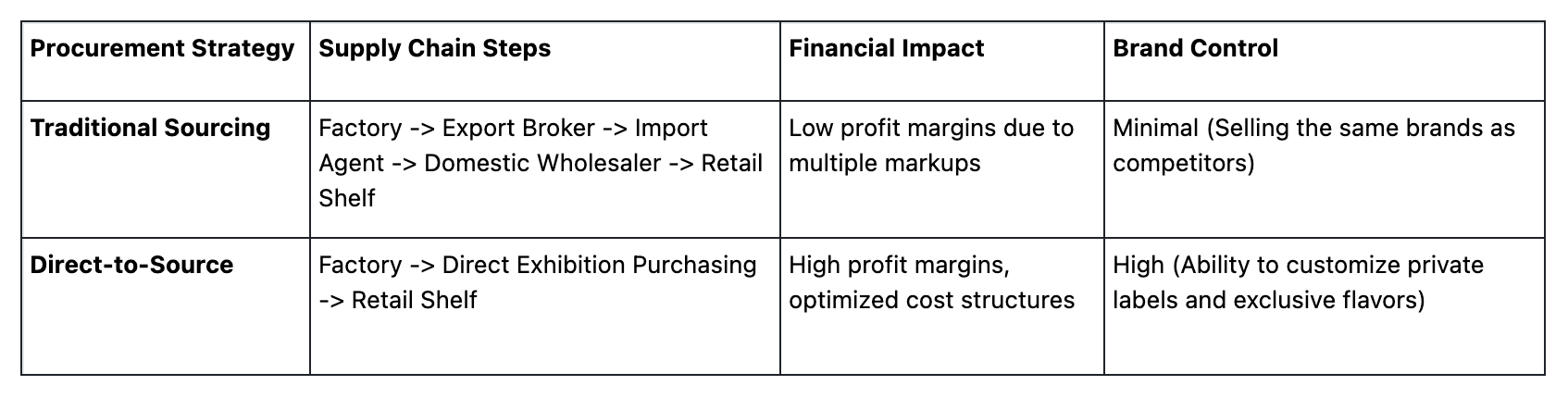
By attending international trade exhibitions and engaging directly with producers of Thai food products and Vietnamese food products, buyers can achieve absolute margin optimization. Furthermore, direct engagement allows for the customization of product formulations—such as adjusting the heat level of a Thai curry paste for a specific regional market—and ensures complete transparency regarding factory labor ethics and sustainability practices. The face-to-face meetings that took place at SIAL Shanghai 2026 demonstrated how quickly such high-value negotiations can move when decision-makers meet in person.
SIAL Shanghai 2026: The Premier Platform for Global Food Sourcing
For professional buyers, category managers, and culinary developers looking to capitalize on these massive consumer trends, SIAL Shanghai 2026 proved to be a strategic powerhouse. Held from May 18 to May 20, 2026, at the Shanghai New International Expo Center (SNIEC), this event once again reinforced its reputation as one of the world’s top three food exhibitions, providing an unparalleled B2B environment for direct cross-border commerce.
Unlocking Hall E: The Epicenter of Southeast Asian Innovation
The core of international flavor trends and high-margin sourcing will be concentrated in Hall E. Organized in conjunction with official international trade promotion bodies, the dedicated national pavilions will showcase the absolute best in regional manufacturing.
- The Thailand Pavilion (Hall E1): Buyers stepping into Hall E1 will experience a comprehensive showcase of Thai agricultural and culinary supremacy. This pavilion will feature direct access to industry giants like Malee Group, I.P. One, Blue Elephant, Exotic Food PCL, Sand-M Global, and Thai Wah. Whether you are sourcing functional tropical beverages, authentic clean-label Thai curry paste, or innovative tapioca texturizers, Hall E1 provides a direct pipeline to elite factories capable of scaling to meet massive enterprise demands.
- The Vietnam Pavilion (Hall E Area): Supported by the French Chamber of Commerce and Industry in Vietnam (CCIFV), the upgraded Vietnam Pavilion brings together the nation's most formidable food and beverage brands. Attendees can conduct face-to-face negotiations with leaders like Bich Chi Food, Ban Gold, Sunrise Foodstuff, and Andros Asia. This specialized zone allows international buyers to seamlessly source premium organic cashews, single-origin coffees, and high-purity rice staples in one cohesive, professionally curated environment.
Building Resilient and Profitable Supply Chains at SIAL in China
Participating in SIAL Shanghai 2026 enables global food industry professionals to shatter traditional procurement barriers. Instead of navigating complex communications across multiple time zones, buyers audited physical product samples, reviewed critical factory compliance certifications (ISO, HACCP, Halal), and signed high-volume, direct-factory supply contracts right on the exhibition floor.
In today’s economic climate, business success hinges on product differentiation, strict cost optimization, and supply-chain resilience. The consumer demand for authentic, functional, and clean-label Southeast Asian food, alongside premium tropical beverages, is on an unstoppable upward trajectory. By bypassing the middlemen and partnering directly with leading international manufacturers at SIAL Shanghai, forward-thinking procurement professionals can secure a lasting competitive advantage, guaranteeing that their retail shelves and foodservice menus remain profitable, highly innovative, and perfectly aligned with the desires of the modern global consumer.
Essential Sourcing Information and Trade Contacts
- Event: SIAL Shanghai 2026 (One of the World's Top 3 Food Exhibitions)
- Exhibition Dates: May 18 – 20, 2026
- Venue: Shanghai New International Expo Center (SNIEC), Shanghai, China
- Key Sourcing Zones: Hall E / Hall E1 (Focus on Thailand & Vietnam National Pavilions)
- Official Global Procurement Telephone: +86-10-85728461
- Official Global Vendor Registration Email: exhibit@sialchina.cn
- Official Website: SIAL Shanghai
Frequently Asked Questions
What kind of food is Southeast Asian food?
Southeast Asian food refers to the diverse cuisines of countries such as Thailand, Vietnam, Malaysia, Indonesia, Singapore, and the Philippines. The cuisine is known for its bold balance of sweet, sour, salty, spicy, and herbal flavors. Fresh herbs, tropical fruits, rice-based staples, seafood, and aromatic spices are commonly used to create vibrant and highly layered dishes. Today, Southeast Asian food is increasingly popular worldwide because consumers associate it with authenticity, freshness, and wellness-focused eating habits.
What countries are included in Southeast Asian cuisine?
Southeast Asian cuisine generally includes foods from Thailand, Vietnam, Malaysia, Indonesia, Singapore, the Philippines, Cambodia, Laos, and Myanmar. Each country has its own culinary identity and signature ingredients. Thai food products are famous for curry pastes and coconut-based dishes, while Vietnamese food products are widely recognized for rice noodles, coffee, and fresh herb-driven cuisine. Together, these countries have become major contributors to global food trends and modern flavor innovation.
Why is Southeast Asian food becoming so popular globally?
The global rise of Southeast Asian food is closely connected to changing consumer preferences. Modern consumers are looking for foods that feel flavorful, authentic, and less processed. Southeast Asian cuisine naturally fits these expectations because it often features fresh vegetables, lean proteins, fermented ingredients, and bold spices instead of overly heavy sauces or artificial flavoring. Social media has also played a major role in accelerating international interest, especially among younger consumers seeking visually appealing and culturally diverse food experiences.
What are the most popular tropical beverages in Southeast Asia?
Some of the most popular tropical beverages include coconut water, mango juice, passion fruit drinks, lychee beverages, calamansi juice, and herbal teas. These drinks are increasingly popular in global retail markets because they combine refreshing flavors with wellness-oriented positioning. Many consumers now prefer tropical beverages over traditional soft drinks due to their fruit-based ingredients, lower sugar perception, and clean-label appeal.
Where can buyers source Thai food products and Vietnamese food products?
Many international buyers source Thai food products and Vietnamese food products through global trade exhibitions and direct supplier partnerships. Platforms such as SIAL Shanghai have proven highly effective in connecting retailers, distributors, importers, and foodservice companies with leading Southeast Asian manufacturers. At the 2026 Sial Shanghai, buyers explored categories such as Thai curry paste, rice noodles, tropical beverages, coffee products, sauces, and functional food ingredients while building direct sourcing relationships with suppliers. These same opportunities will continue at future SIAL events for those looking to stay ahead of the curve.


'/%3e%3cdefs%3e%3clinearGradient%20id='paint0_linear_1477_4631'%20x1='18.272'%20y1='0'%20x2='18.272'%20y2='35.3674'%20gradientUnits='userSpaceOnUse'%3e%3cstop%20stop-color='%23FF9F9F'/%3e%3cstop%20offset='1'%20stop-color='%23F15E5E'/%3e%3c/linearGradient%3e%3c/defs%3e%3c/svg%3e)
'/%3e%3cdefs%3e%3clinearGradient%20id='paint0_linear_1477_4633'%20x1='17.5'%20y1='0'%20x2='17.5'%20y2='35'%20gradientUnits='userSpaceOnUse'%3e%3cstop%20stop-color='%23E9C0EE'/%3e%3cstop%20offset='1'%20stop-color='%23CE57DC'/%3e%3c/linearGradient%3e%3c/defs%3e%3c/svg%3e)

