
'%3e%3cpath%20d='M10%200C4.4772%200%200%204.4772%200%2010C0%2014.6896%203.2288%2018.6248%207.5844%2019.7056V13.056H5.5224V10H7.5844V8.6832C7.5844%205.2796%209.1248%203.702%2012.4664%203.702C13.1%203.702%2014.1932%203.8264%2014.6404%203.9504V6.7204C14.4044%206.6956%2013.9944%206.6832%2013.4852%206.6832C11.8456%206.6832%2011.212%207.3044%2011.212%208.9192V10H14.4784L13.9172%2013.056H11.212V19.9268C16.1636%2019.3288%2020.0004%2015.1128%2020.0004%2010C20%204.4772%2015.5228%200%2010%200Z'%20fill='black'/%3e%3c/g%3e%3cdefs%3e%3cclipPath%20id='clip0_601_545'%3e%3crect%20width='20'%20height='20'%20fill='white'/%3e%3c/clipPath%3e%3c/defs%3e%3c/svg%3e)

'%3e%3cpath%20d='M18.5195%200H1.47656C0.660156%200%200%200.644531%200%201.44141V18.5547C0%2019.3516%200.660156%2020%201.47656%2020H18.5195C19.3359%2020%2020%2019.3516%2020%2018.5586V1.44141C20%200.644531%2019.3359%200%2018.5195%200ZM5.93359%2017.043H2.96484V7.49609H5.93359V17.043ZM4.44922%206.19531C3.49609%206.19531%202.72656%205.42578%202.72656%204.47656C2.72656%203.52734%203.49609%202.75781%204.44922%202.75781C5.39844%202.75781%206.16797%203.52734%206.16797%204.47656C6.16797%205.42188%205.39844%206.19531%204.44922%206.19531ZM17.043%2017.043H14.0781V12.4023C14.0781%2011.2969%2014.0586%209.87109%2012.5352%209.87109C10.9922%209.87109%2010.7578%2011.0781%2010.7578%2012.3242V17.043H7.79688V7.49609H10.6406V8.80078H10.6797C11.0742%208.05078%2012.043%207.25781%2013.4844%207.25781C16.4883%207.25781%2017.043%209.23438%2017.043%2011.8047V17.043Z'%20fill='black'/%3e%3c/g%3e%3cdefs%3e%3cclipPath%20id='clip0_601_548'%3e%3crect%20width='20'%20height='20'%20fill='white'/%3e%3c/clipPath%3e%3c/defs%3e%3c/svg%3e)
The global food industry is experiencing a significant shift toward premiumization. More specifically, let's look at the incredible global shift in how we buy, cook, and consume protein.
A decade ago, buying meat was largely about volume and price. Today? It’s a completely different story. Consumers want to know where their food comes from. They care about genetics, animal welfare, and nutritional profiles. They want restaurant-quality steaks in their own kitchens.
This shift has triggered massive growth in the global premium meat market. What was once a niche luxury reserved for high-end steakhouses has become a mainstream expectation. For global exporters, producers, and distributors, this is a golden era.
But here is the catch. Having a great product isn't enough anymore. You need to understand the science of modern consumer habits. You need the right retail partners. And most importantly, you need to be in the right geographic location to scale your business.
This guide breaks down the science and strategy behind the booming demand for premium meats. We will explore the massive opportunities in retail and foodservice, and reveal why SIAL Guangzhou is the ultimate launchpad for any ambitious premium meat company looking to expand internationally.
The Anatomy of the Premium Meat Market
What actually makes meat "premium"? It is more than just a slick label. Today’s premium meat market is built on tangible, measurable quality markers. Let's break down the science of what buyers are looking for.
Genetics and Breed
It all starts with the DNA. Breeds like Japanese Wagyu, Black Angus, and Kurobuta pork are prized for their genetic ability to develop intramuscular fat. This marbling is what gives the meat its rich flavor and melt-in-your-mouth texture.
Diet and Raising Practices
You are what you eat, and the same goes for livestock. Consumers actively seek out specific diets. Grass-fed beef offers a leaner profile and higher Omega-3 fatty acids. Grain-finished beef provides that buttery, rich marbling. Buyers are also looking for ethical markers: pasture-raised, free-range, and organic certifications.
The Science of Aging
Dry-aging has moved from a chef's secret to a major consumer selling point. By storing meat in climate-controlled rooms, natural enzymes break down muscle tissue, making the meat incredibly tender. At the same time, moisture evaporates, concentrating the flavor. Any premium meat company that masters this process can command top-tier pricing.
Traceability
Trust is the new currency. Modern premium meats come with a story. Using technologies like blockchain or simple QR codes, brands now show buyers the exact farm the animal came from, its diet, and its processing date. Transparency justifies the premium price tag.
H2: The Psychology of "Consumer Upgrading"
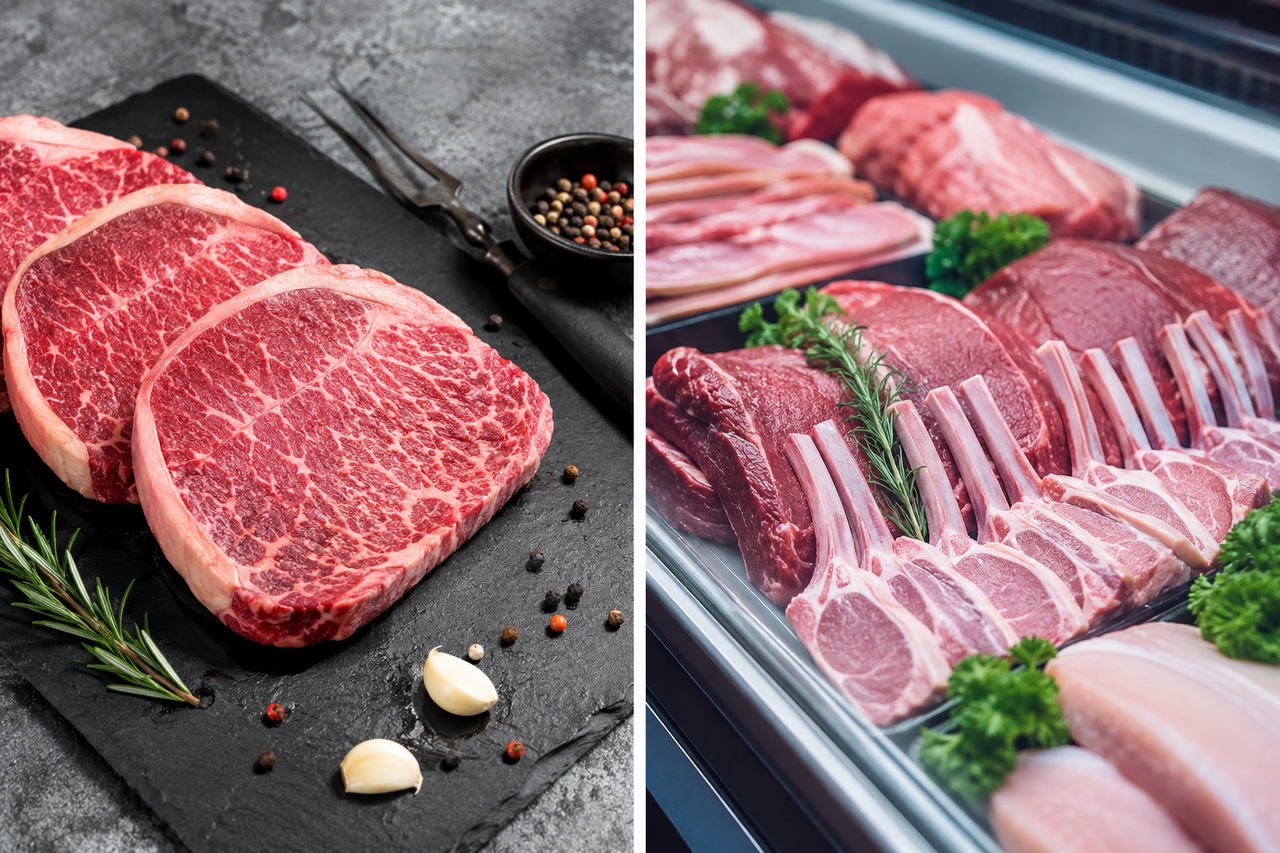
Why are people suddenly willing to spend $50 on a steak for a Tuesday night dinner? Economists call it "consumer upgrading."
As disposable incomes rise—especially in rapid-growth regions like South China and Southeast Asia—people naturally upgrade their lifestyle. Food is the most immediate way to do this. But the psychology goes deeper than just having more money to spend.
Health and Clean Eating
Health awareness is at an all-time high. People are actively avoiding meat pumped full of antibiotics, artificial hormones, and preservatives. They view premium meats not as a splurge, but as an investment in their family's health. "Clean labels" are driving massive sales.
The "Home Chef" Phenomenon
Social media has turned cooking into a performance. People watch a one-minute video on how to pan-sear a Wagyu ribeye, and they want to try it themselves. To get the results they see online, they need high-quality ingredients. They are skipping the cheap cuts and heading straight for the premium aisle.
Status and Social Currency
Serving high-quality imported meat at a family gathering or a dinner party carries social weight. It shows hospitality and good taste. In Asian markets, where communal dining is central to the culture, serving the best cuts of beef or lamb is a powerful social statement.
The Retail Revolution: Where Premium Meats Shine
The places we buy food are evolving just as fast as the food itself. For a global premium meat company, navigating the modern retail landscape is crucial.
Membership Clubs and High-End Supermarkets
Traditional wet markets are slowly giving way to modern retail formats. Membership clubs like Costco and Sam’s Club have cracked the code on selling premium meats at scale. They offer the cold-chain integrity needed to keep chilled meat safe and attractive. Walk into one of these stores, and you’ll see massive displays of imported lamb racks, thick-cut steaks, and heritage pork.
High-end boutique supermarkets are also thriving. These stores often feature in-house butchers who can explain the cuts to customers, offering a personalized shopping experience that justifies premium prices.
E-Commerce and O2O (Online-to-Offline) Delivery
Asia is lightyears ahead when it comes to fresh food e-commerce. Consumers expect to tap a button on their phone and have fresh, chilled groceries delivered in under an hour. This O2O model is a massive driver for the premium meat market.
But to win online, your packaging has to be flawless. Vacuum Skin Packaging (VSP) is a game-changer here. It tightly seals the meat, preventing oxygen exposure, extending shelf life, and holding the meat's bright red color. When a customer opens their delivery box, the meat looks just as fresh as it did at the packing plant.
The Foodservice Boom: Elevating the Dining Experience
While retail is surging, the foodservice sector remains the hungry engine of the premium meat market. Dining out is a core part of business and social life, and restaurants are constantly battling to offer the best menus.
The Rise of the Modern Steakhouse
International luxury hotels and specialized steakhouses require a massive, steady supply of top-tier meat. Executive chefs are constantly hunting for new, reliable suppliers. They want unique cuts—like the Denver steak or the flat iron—and compelling farm-to-table stories they can print on their menus.
Premiumizing Local Asian Cuisine
This isn't just about Western food. Traditional Asian dining is getting a premium makeover. Take the hotpot industry. High-end hotpot restaurants no longer serve generic frozen meat rolls. They feature thinly sliced, imported M9 Wagyu beef and premium New Zealand lamb. Similarly, premium Korean and Japanese BBQ spots rely entirely on heavily marbled, high-grade imports to draw in crowds.
The Halal Meat Sector
We cannot ignore the massive growth in Halal-certified premium meats. As trade tightens between China, Southeast Asia, and the Middle East, the demand for clean, premium, Halal-certified beef and lamb is skyrocketing. Exhibitors with strict Halal certifications have a distinct competitive advantage in this region.
Why South China? The Strategic Gateway
If you are a premium meat company looking to expand, you need to target the right geography. You do not just want a big population; you want a population that loves food, has high disposable income, and has the logistics infrastructure to handle imported cold-chain goods.
Enter South China. Specifically, Guangzhou.
The Power of the Greater Bay Area (GBA)
It is not just Guangzhou; it is the entire Greater Bay Area (GBA). This mega-region connects Guangzhou, Shenzhen, Hong Kong, and Macao into a massive economic powerhouse. With a population of over 86 million and a GDP rivaling entire countries, the GBA represents the highest concentration of wealth and consumer spending power in China. For an international brand, this means immediate access to millions of upwardly mobile consumers who demand top-tier food and are more than willing to pay for it.
Guangzhou plays an important role in the import and distribution of food products across South China. It is one of the major gateways for imported meat products entering South China.
Beyond its domestic strength, Guangzhou is effectively the "Southern Gateway" to Asia. With world-class seaports, massive airport cargo hubs, and high-speed rail networks, it is the perfect distribution hub for pushing products into booming neighboring markets.
For premium meat companies looking to capitalize on these opportunities, industry exhibitions remain one of the most effective channels for market entry, buyer acquisition, and brand building. Among them, SIAL Guangzhou 2026 stands out as a strategic platform connecting global suppliers with key buyers across South China and Southeast Asia.
SIAL Guangzhou 2026: The Ultimate Industry Stage
Understanding the market is step one. Step two is getting your product in front of the people who actually write the purchase orders. You need a centralized platform to meet distributors, pitch to retail buyers, and build your brand.
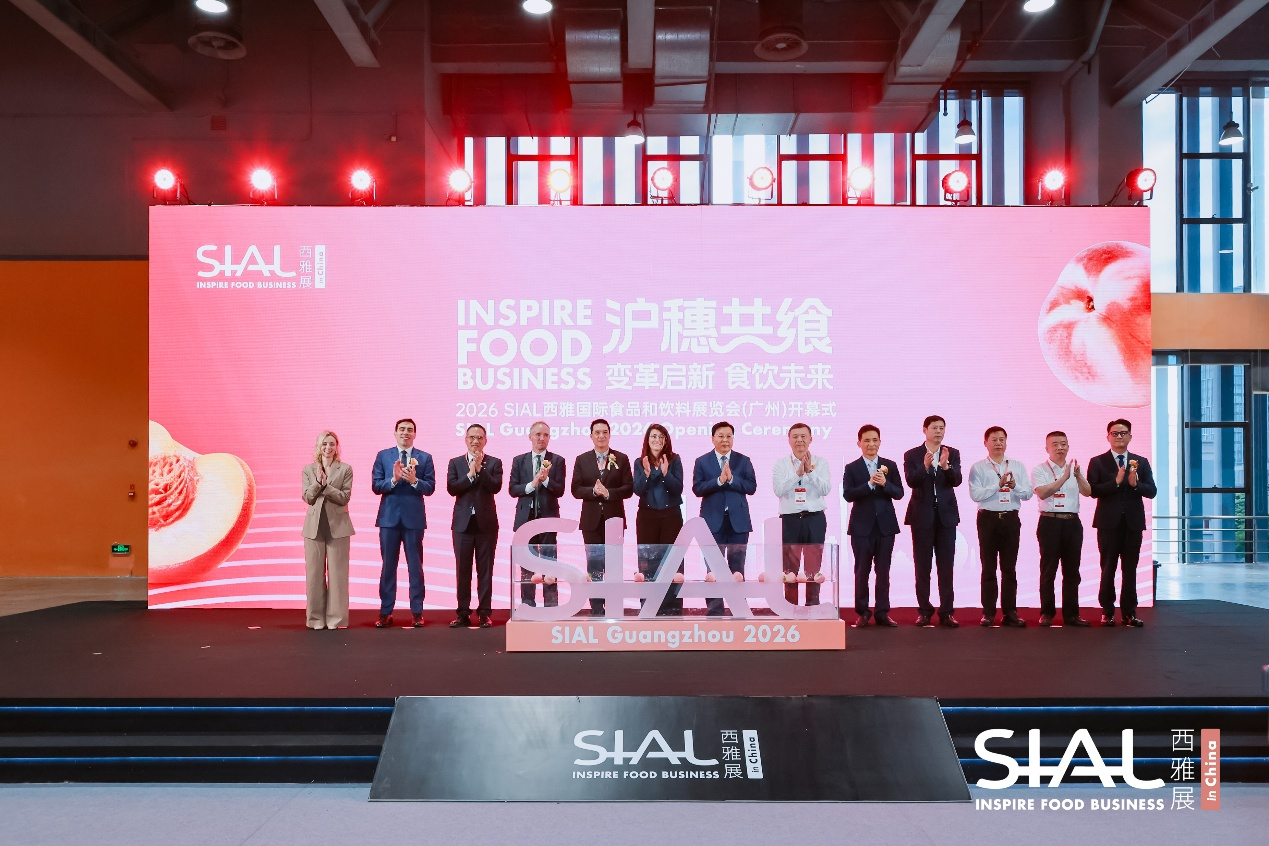
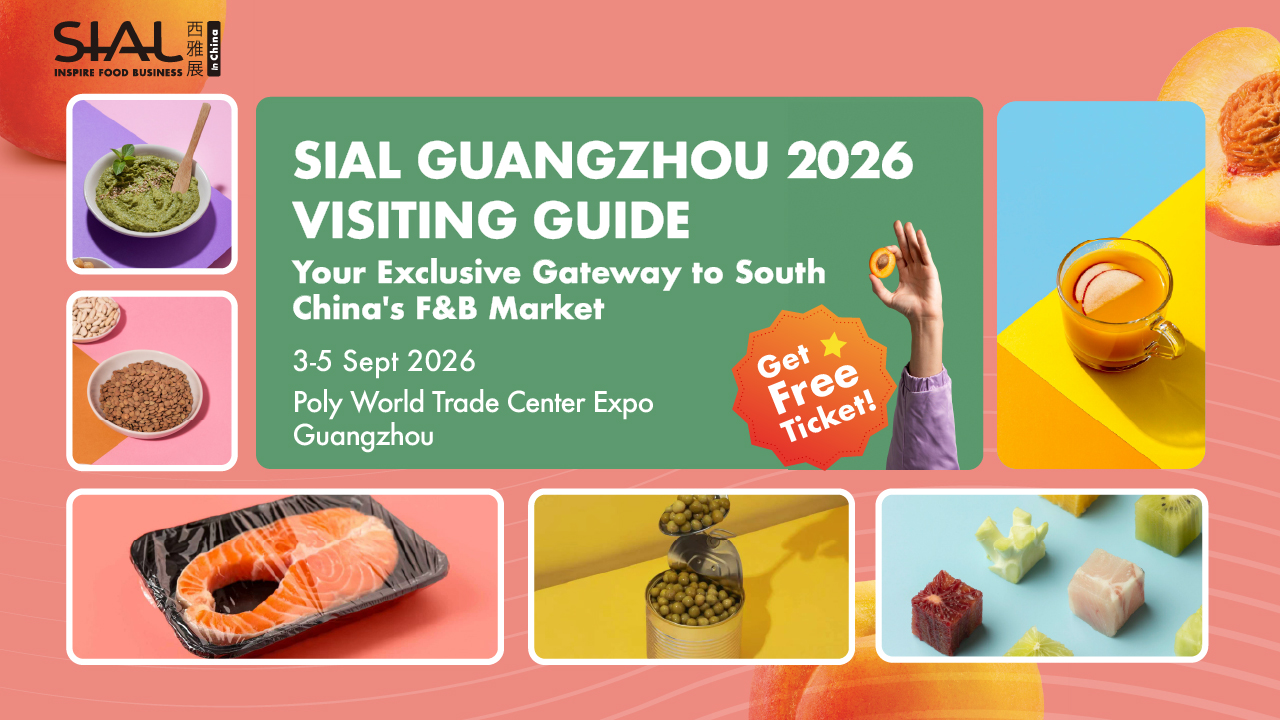
This is exactly why exhibiting at SIAL Guangzhou 2026 is the smartest move a premium meat company can make. Taking place from September 3–5, 2026, at the Poly World Trade Center Expo, this event is the premier B2B food and beverage exhibition in South China.
Here is why SIAL Guangzhou is your ultimate growth accelerator:
The "International Meat" Highlight Village
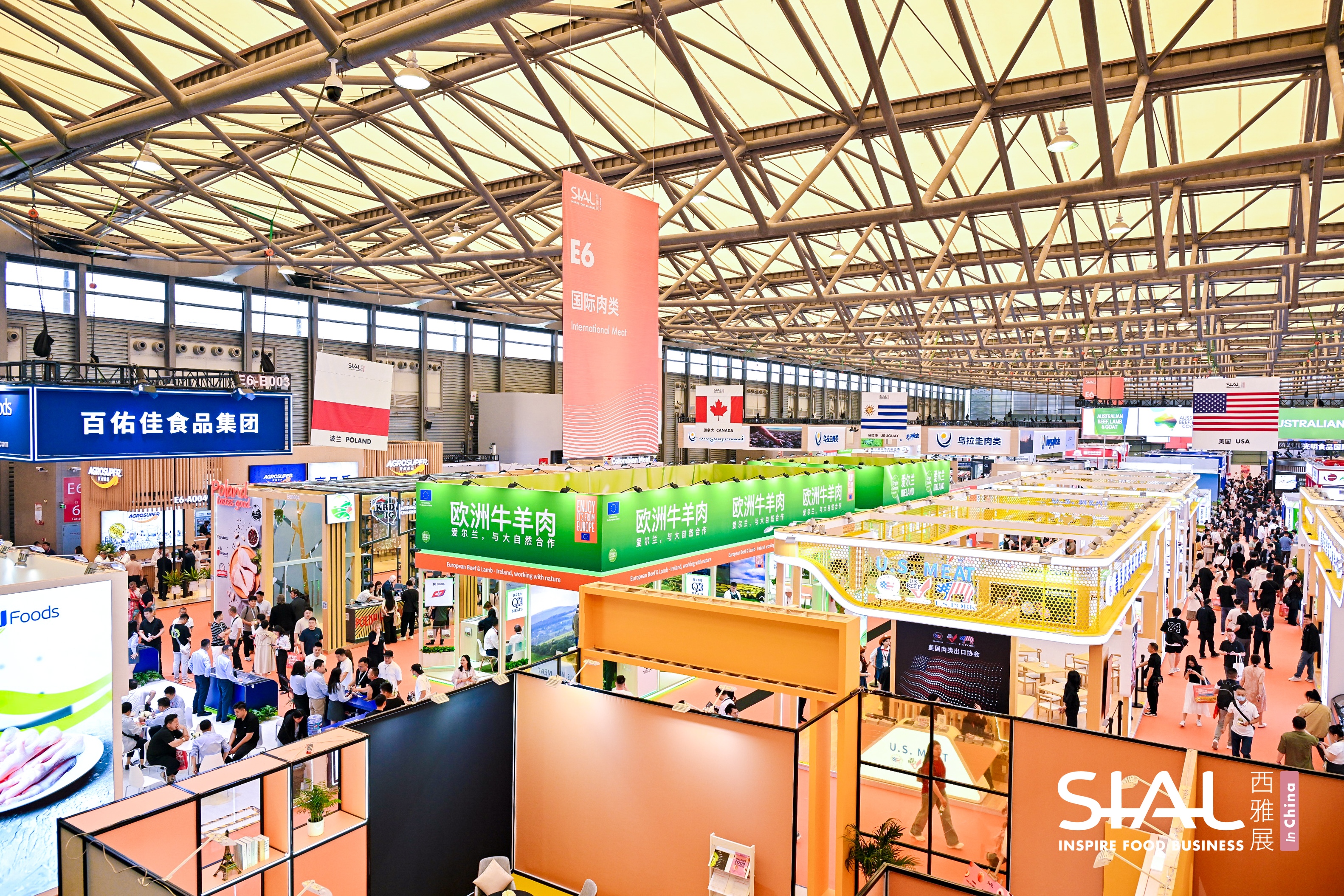
Buyers don't want to wander aimlessly. They want efficiency. SIAL Guangzhou organizes the floor into dedicated sectors, including a specialized "International Meat" village. This puts your booth right in the crosshairs of targeted buyers. When a procurement manager from a major supermarket chain walks into this zone, they are there with one goal: to source premium meats.
Access to 65,000+ Professional Buyers
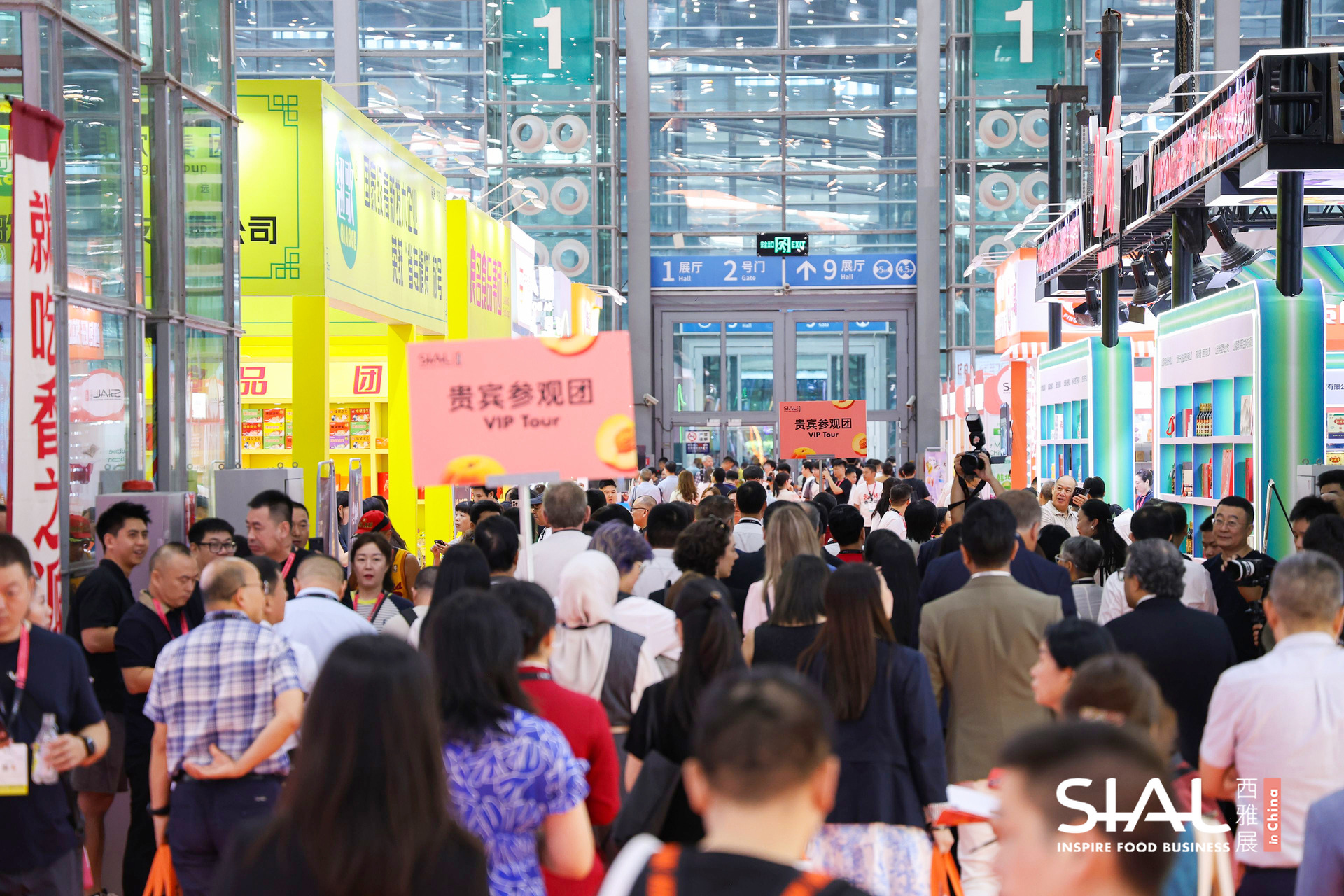
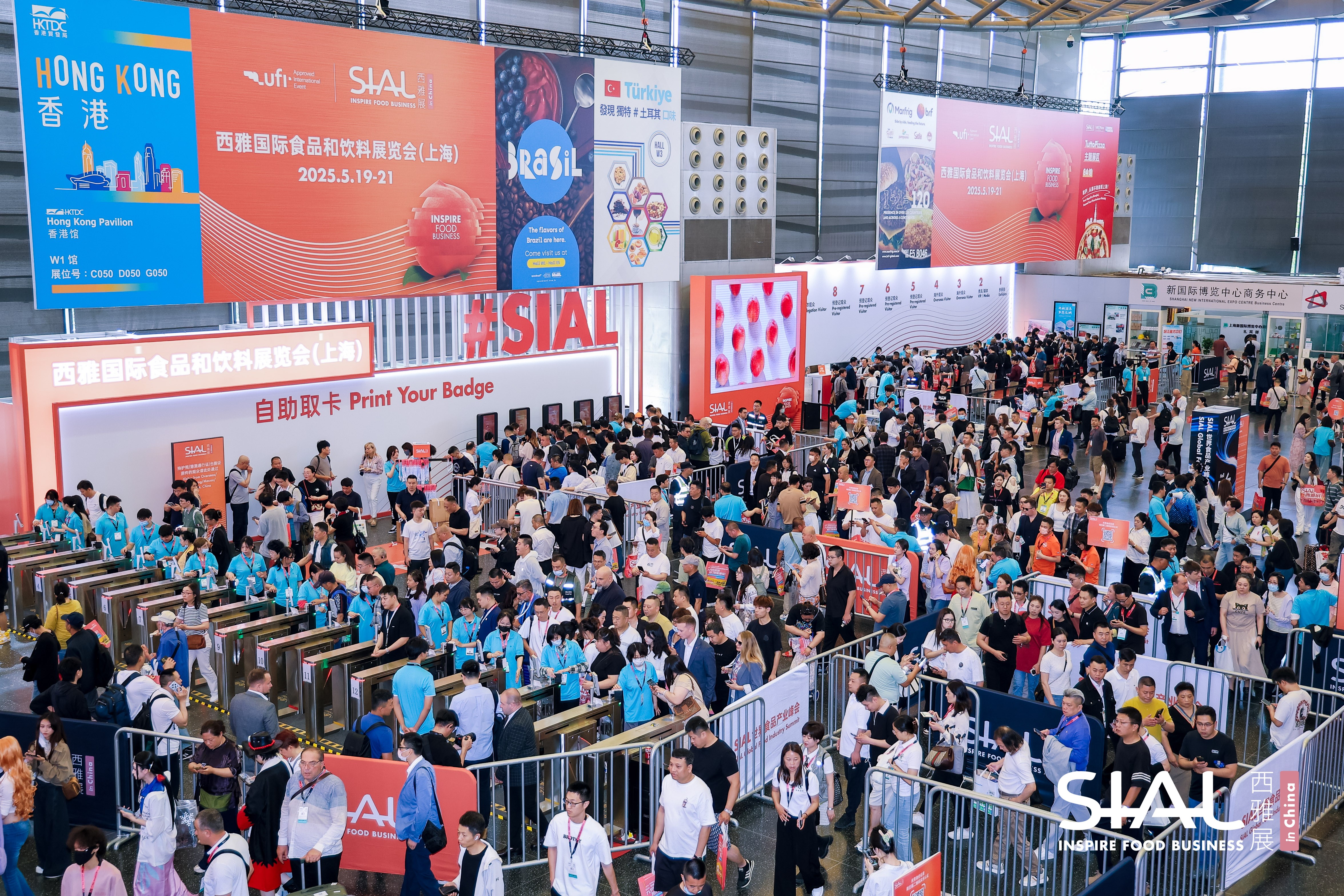
Traffic is everything. SIAL Guangzhou draws over 65,000 industry professionals. We are talking about heavy-hitters from major retail chains, high-end supermarkets, international hotel groups, and vast wholesale networks. You aren't just scanning badges; you are shaking hands with real decision-makers. You can dive deep into the audience demographics by checking out Why exhibit SIAL Guangzhou.
Unrivaled ASEAN Buyer Resources
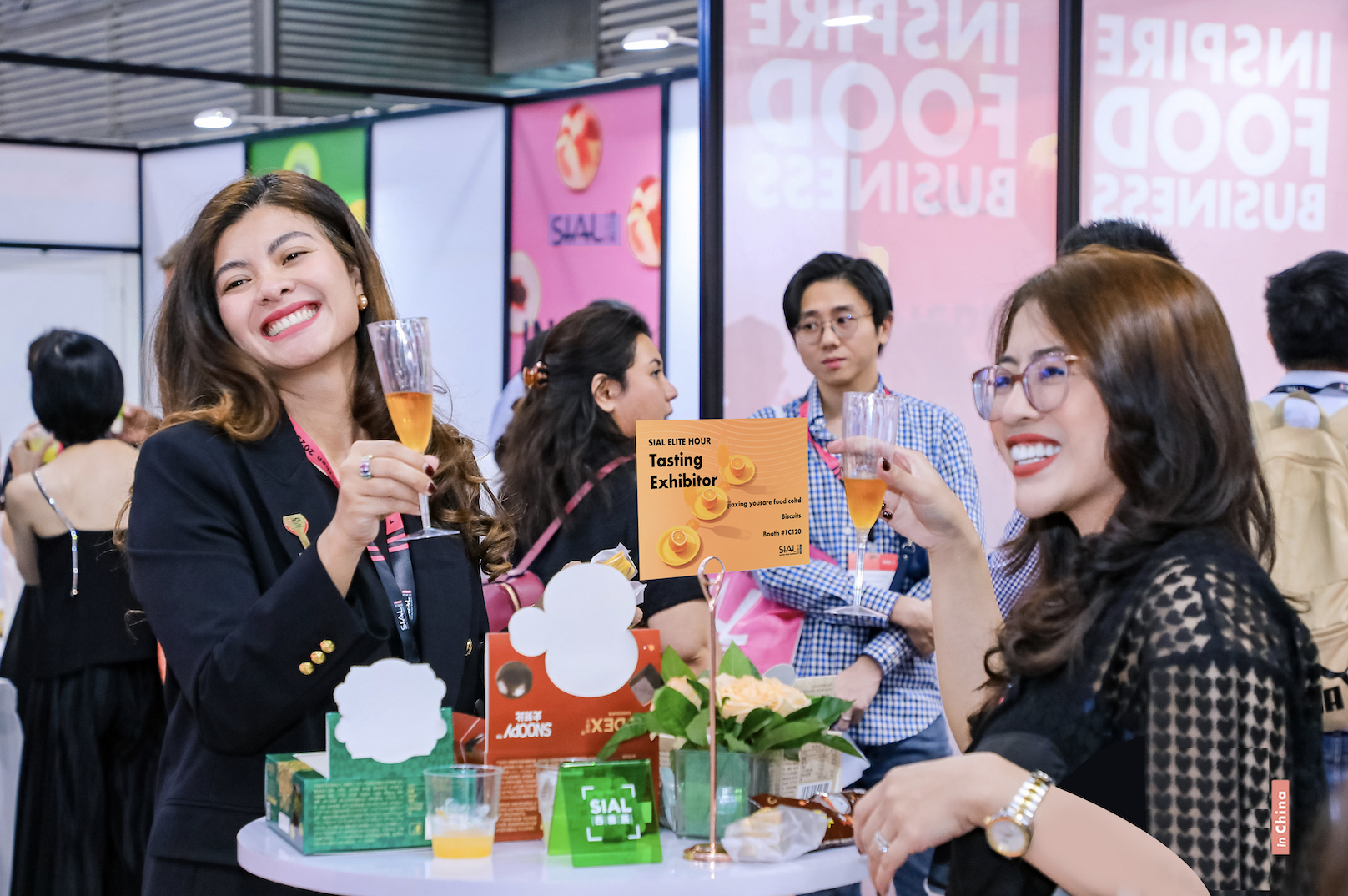
SIAL Guangzhou isn’t just a domestic show; it’s a regional magnet. Thanks to its strategic location and global brand influence, the exhibition boasts deep, established connections with buyers from the Association of Southeast Asian Nations (ASEAN). If you want to penetrate markets in Vietnam, Malaysia, Thailand, or Singapore, this is your fast track. SIAL in China brings in specialized procurement delegations and top-tier importers from across Southeast Asia, meaning you can sign deals for multiple international markets from a single booth.
Precision Networking with the "Match Me" Service
Hope is not a strategy. You don't want to just sit at your booth and hope the right buyer walks by. SIAL uses advanced B2B matchmaking technology. Their "Match Me" service allows you to filter, identify, and schedule one-on-one meetings with verified buyers months before the show even opens. Your sales team can pack their schedule with high-intent meetings before they even board their flights.
A 365-Day Business Matchmaking Platform
The biggest mistake exhibitors make is treating a trade show like a short, three-day event. SIAL Guangzhou operates as a continuous, 365-day business platform. Through their omnichannel O2O (Online-to-Offline) network, the matchmaking doesn't stop when the venue doors close. As an exhibitor, you gain year-round brand exposure and ongoing buyer connections through digital portals, trade networks, and exclusive industry events. You are investing in a 365-day lead generation engine.
The Exhibitor's Playbook: How to Win the Market
Deciding to exhibit at SIAL Guangzhou is just the beginning. To truly capture the market, a global premium meat company needs a sharp strategy. Here is your actionable playbook for a successful exhibition:
Nail the Tasting Experience
You cannot sell premium meats on looks alone. Invest heavily in your booth setup. Hire a skilled local chef who knows how to handle your specific cuts. The smell of searing Wagyu or grilling high-end lamb is the best marketing tool you have.
Localize Your Story
Your brand story matters, but it needs to resonate locally. Have your materials, traceability charts, and nutritional info professionally translated. Highlight the keywords that Asian buyers are actively searching for: "antibiotic-free," "100% grass-fed," "origin guaranteed," and "clean label."
Lock In Meetings Early
Do not wait for opening day. Use the 365-day SIAL matchmaking portal the second you get access. Identify the top 50 buyers you want to meet and reach out to. Pre-book your VIP meetings so that your sales team hits the ground running on day one.
Showcase Your Tech and Packaging
Show buyers how your packaging solves their problems. Bring examples of your retail-ready skin packs. Demonstrate how your packaging prevents spoilage and looks great on a digital screen for e-commerce deliveries.
Secure Your Spot in the Future of Food
The way the world eats is moving in one clear direction: higher quality, better health, and absolute transparency. The global premium meat market is not a passing trend. It is a permanent consumer upgrade.
In the Greater Bay Area and the broader ASEAN market, the appetite for high-quality imported protein is vast and growing daily. The buyers are ready, the supply chains are optimized, and the consumers have the purchasing power.
SIAL Guangzhou 2026 is the catalyst you need. By combining a hyper-targeted audience, 365-day matchmaking technology, and a location in the heart of Asia's food capital, it offers an unmatched ROI for global meat producers.
Stop watching from the sidelines. Step onto the ultimate global stage. Explore the floorplans, discover the buyer demographics, and reserve your premium booth space today by visiting SIAL Guangzhou. Seize the opportunity, connect with the market leaders, and watch your global footprint explode.
Frequently Asked Questions
1. What is driving the growth of the global premium meat market?
Several factors are driving this boom. As disposable incomes rise globally, people are paying much closer attention to what they eat. They want high-quality, traceable protein. It is no longer just about filling the plate; modern consumers care deeply about animal welfare, sustainability, and strict food safety. This mindset shift is creating a massive, ongoing demand for imported specialty meats across both retail shelves and restaurant menus.
2. Which premium meat products are most in demand in Asia?
Asian consumers are actively hunting for meats with clear origin stories and verified quality certifications. Think imported Wagyu, Black Angus, 100% grass-fed beef, premium lamb, and specialty heritage pork. These items are highly sought after by boutique retailers, luxury hotels, and top-tier restaurants. The demand is especially intense in South China and Southeast Asia, where spending on high-end food is climbing fast.
3. Why is South China an attractive market for premium meat companies?
South China is arguably the most dynamic food consumption region in Asia. At its core is the Greater Bay Area (GBA)—a mega-region that includes Guangzhou, Shenzhen, Hong Kong, and Macao. This area boasts a massive population with serious purchasing power and a strong appetite for imported foods. Combine that wealth with world-class cold-chain logistics and immediate access to Southeast Asian markets, and you have the perfect launchpad for regional expansion.
4. How can international meat suppliers connect with buyers in China and Southeast Asia?
Industry trade shows remain the single best way to build real relationships with local importers, distributors, and retail buyers. Exhibiting at major events puts you in the same room as qualified decision-makers. Platforms like SIAL Guangzhou offer targeted business matchmaking, direct networking, and real-time market insights—allowing international brands to bypass the usual red tape and fast-track their market entry.
5. Why should a premium meat company exhibit at SIAL Guangzhou 2026?
SIAL Guangzhou 2026 is more than just a trade show; it is a highly targeted growth engine. It gives premium meat brands a strategic stage to showcase their products to the exact buyers they need to reach. Exhibitors gain access to a dedicated "International Meat" village, advanced matchmaking services, and VIP buyers from the retail, e-commerce, and hospitality sectors. If you want to lock in real deals and expand your footprint in Asia, this exhibition is where you need to be.




'/%3e%3cdefs%3e%3clinearGradient%20id='paint0_linear_1477_4631'%20x1='18.272'%20y1='0'%20x2='18.272'%20y2='35.3674'%20gradientUnits='userSpaceOnUse'%3e%3cstop%20stop-color='%23FF9F9F'/%3e%3cstop%20offset='1'%20stop-color='%23F15E5E'/%3e%3c/linearGradient%3e%3c/defs%3e%3c/svg%3e)
'/%3e%3cdefs%3e%3clinearGradient%20id='paint0_linear_1477_4633'%20x1='17.5'%20y1='0'%20x2='17.5'%20y2='35'%20gradientUnits='userSpaceOnUse'%3e%3cstop%20stop-color='%23E9C0EE'/%3e%3cstop%20offset='1'%20stop-color='%23CE57DC'/%3e%3c/linearGradient%3e%3c/defs%3e%3c/svg%3e)