

Benefits of Organic Food: A Guide to Healthy Living and Wellness
Everyone wants to be a little healthier these days. You see it in every grocery store aisle. Shoppers are reading labels. People are swapping fast food for fresh ingredients. At the center of this change is a big idea: going organic.
For some people, "organic" is just a sticker that makes apples cost more. But it is much more than that. It is a promise. It ensures that food is grown without synthetic pesticides while guaranteeing that farmers prioritize soil health.
You need to look at the big picture to understand the benefits of organic food. It isn't just about avoiding chemicals. It is about a lifestyle of organic living and wellness.
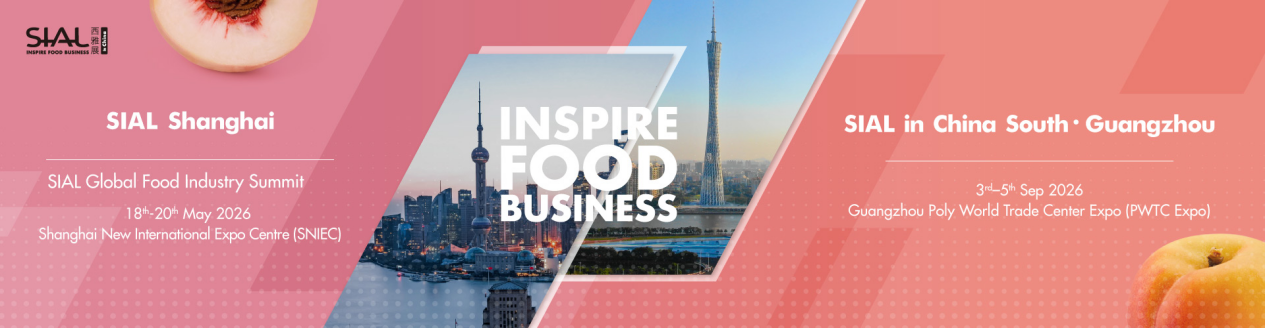
This trend is huge. You can see it clearly at major industry events like SIAL in China. This is the largest food and beverage show in Asia. They even have a whole section called the "Organic & Wellness Village." Let's look at why this matters and how it can change your life.
What Does "Organic" Actually Mean?
We need to agree on a definition before we talk about benefits. "Organic" is a legal word. It describes how farmers grow and process food.
The Rules of the Game
When you buy organic food, you get a product that follows strict rules.
- No Synthetic Pesticides: Regular farmers use strong chemicals to kill bugs. Organic farmers use natural methods. They might use good bugs to eat the bad bugs.
- No GMOs: Genetically Modified Organisms are banned. You get the seed just as nature intended.
- No Synthetic Fertilizers: Organic farmers don't use chemical sprays to make plants grow. They use compost to build healthy soil.
This is different from words like "natural." "Organic" is a specific guarantee. It means the product is cleaner from the ground up.
The Top Health Benefits of Organic Food
Why do people pay extra for organic? The answer is simple. They want better health. We are learning more every day about how food changes our bodies.
Fewer Pesticides and Heavy Metals
This is the main reason people switch. Regular fruits and vegetables often have chemical residue on them. You can't wash it all off. Some of these chemicals stay in your body for a long time.
You lower your exposure to these toxins when you choose organic food products. Studies show that an organic diet lowers pesticide levels in your body very quickly. This is really important for kids. They are small, so chemicals hurt them more.
More Nutrients and Antioxidants
Is an organic apple better for you? Science says yes.
Organic plants have to fight off pests without chemical help. So, they produce more defense compounds. We call these antioxidants. They help us fight disease. Some studies show organic food has many more antioxidants than regular food. That is a big boost for your immune system.
Better Heart Health
This matters a lot for meat and milk. Organic cows graze on grass. This natural diet makes their meat and milk higher in Omega-3 fatty acids.
Omega-3s are good fats. They protect your heart. They help your brain. Cows fed with corn have much less of this. Choosing organic milk gives you more of the good stuff.
Organic Living and Wellness: Beyond the Plate
Eating organic is just one piece of the puzzle. It connects to a bigger idea called organic living and wellness. This mindset looks at how our choices change the world.
Protecting the Soil and Water
Regular farming is hard on the planet. Chemicals run into rivers. They kill fish. Harsh sprays kill good bacteria in the soil.
Organic farming does the opposite. It feeds the soil. Healthy soil holds water better. This helps stop floods and droughts. When you buy organic food, you help a farmer protect the earth. You are voting for clean water.
Animal Welfare
For many people, wellness includes a clear conscience. Organic rules help animals.
Organic livestock must have access to the outdoors. They need room to move. Farmers cannot pump them full of drugs just to make them grow faster. You know the animal lived a natural life when you choose organic eggs. This is a huge part of organic living and wellness.
The Boom of Organic Food Products at SIAL in China
You might think organic food is a small market. Maybe you think it is only for health food stores. You would see how wrong that is if you visited SIAL in China.
SIAL in China is a massive event. It covers 200,000 square meters. You can see the future of food inside the exhibition halls. The "Organic & Wellness Village" is one of the most popular areas.
Innovation in the Organic Sector
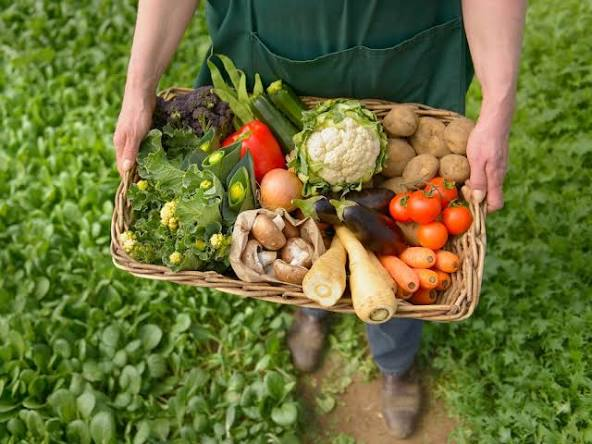
Organic food products have changed. It isn't just raw vegetables anymore.
- Organic Snacks: You can find organic potato chips and fruit bars.
- Organic Beverages: There is a rise in organic tea, coffee, and even wine.
- Baby Food: Organic brands dominate the baby food section at SIAL in China. Parents want the safest option for their babies. This drives massive growth.
The Demand for "Clean Label"
Buyers at SIAL in China want "Clean Labels." This means an ingredient list you can understand. No strange numbers. No fake chemicals.
Organic products fit this trend perfectly. A certified organic cookie can't have artificial colors. This attracts modern shoppers who want honesty.
Breaking the Myths: Is Organic Food Worth the Cost?
We have to talk about price. Organic food costs more. This makes people hesitate to buy it.
Why Does It Cost More?
It isn't a scam. Organic farming is hard work.
- Labor Intensive: Farmers often pull weeds by hand without chemical killers.
- Lower Yields: Sometimes organic crops produce less food per acre.
- Certification Costs: Proving you are organic costs money. Farmers pay for inspections.
The True Cost of Cheap Food
We need to think about cost differently. Regular food looks cheap at the register. But there are hidden costs.
Pollution hurts the environment. Tax dollars have to fix that. It might also cost your health later in life. Many fans of organic living and wellness see the extra cost as an investment. You pay the grocer now so you don't have to pay the doctor later.
Shopping Smart
You don't have to go 100% organic right away. Be smart if you are on a budget.
- The Dirty Dozen: Some fruits act like sponges for pesticides. Strawberries and apples are "dirty." Buy these organic.
- The Clean Fifteen: Foods with thick skins are safer. You can buy regular pineapples and avocados to save money.
How to Spot Genuine Organic Food Products
Marketing is tricky. Companies use green boxes to make you think a product is healthy. How do you know for sure?
Look for the Seal
Look for the official seal. In the United States, look for the "USDA Organic" circle. In China, look for the Chinese organic logo.
These seals are not just decorations. They are legal proof. The product passed the test if it has the seal.
Read the Ingredients
Check the back of the package. Real organic food products list organic ingredients. It might say "Organic Wheat Flour" instead of just "Wheat Flour."
Visit the Source
Trade shows like SIAL in China help businesses. Retailers meet producers face-to-face. They ask about the farm. They see the certifications. This builds trust. Supermarket managers pick the best products for their shelves here.
The Future of Organic Living
The trend is growing. It is only going up.
Young people drive this. They care about the climate. They care about their bodies. They will pay for brands that match their values.
Technology and Organic
Technology helps organic farmers now. Drones monitor crop health. AI spots pests early. This might lower the cost of organic food in the future.
Organic is for Everyone
Organic used to be a luxury. Now big stores carry organic milk. Store brands make organic pasta affordable. The goal of the organic living and wellness movement is simple. Healthy food should be normal for everyone.
Conclusion: Embracing a Healthier Future
The benefits of organic food are clear. It tastes better. It is nutritious. It keeps chemicals out of your body. It protects the planet.
Adopting a lifestyle of organic living and wellness is a journey. Start with small changes. Switch to organic coffee. Buy organic apples. Small steps lead to big health changes.
Ignoring this trend is a mistake for anyone in the food industry. The demand is real. The customers are waiting.
You need to be where the innovation happens to stay ahead. You need to see the latest organic food products. There is no better place than SIAL in China. It is where health and business meet. SIAL in China offers a look into a greener future for buyers and health fans alike.


'/%3e%3cdefs%3e%3clinearGradient%20id='paint0_linear_1477_4631'%20x1='18.272'%20y1='0'%20x2='18.272'%20y2='35.3674'%20gradientUnits='userSpaceOnUse'%3e%3cstop%20stop-color='%23FF9F9F'/%3e%3cstop%20offset='1'%20stop-color='%23F15E5E'/%3e%3c/linearGradient%3e%3c/defs%3e%3c/svg%3e)
'/%3e%3cdefs%3e%3clinearGradient%20id='paint0_linear_1477_4633'%20x1='17.5'%20y1='0'%20x2='17.5'%20y2='35'%20gradientUnits='userSpaceOnUse'%3e%3cstop%20stop-color='%23E9C0EE'/%3e%3cstop%20offset='1'%20stop-color='%23CE57DC'/%3e%3c/linearGradient%3e%3c/defs%3e%3c/svg%3e)

