
'%3e%3cpath%20d='M10%200C4.4772%200%200%204.4772%200%2010C0%2014.6896%203.2288%2018.6248%207.5844%2019.7056V13.056H5.5224V10H7.5844V8.6832C7.5844%205.2796%209.1248%203.702%2012.4664%203.702C13.1%203.702%2014.1932%203.8264%2014.6404%203.9504V6.7204C14.4044%206.6956%2013.9944%206.6832%2013.4852%206.6832C11.8456%206.6832%2011.212%207.3044%2011.212%208.9192V10H14.4784L13.9172%2013.056H11.212V19.9268C16.1636%2019.3288%2020.0004%2015.1128%2020.0004%2010C20%204.4772%2015.5228%200%2010%200Z'%20fill='black'/%3e%3c/g%3e%3cdefs%3e%3cclipPath%20id='clip0_601_545'%3e%3crect%20width='20'%20height='20'%20fill='white'/%3e%3c/clipPath%3e%3c/defs%3e%3c/svg%3e)

'%3e%3cpath%20d='M18.5195%200H1.47656C0.660156%200%200%200.644531%200%201.44141V18.5547C0%2019.3516%200.660156%2020%201.47656%2020H18.5195C19.3359%2020%2020%2019.3516%2020%2018.5586V1.44141C20%200.644531%2019.3359%200%2018.5195%200ZM5.93359%2017.043H2.96484V7.49609H5.93359V17.043ZM4.44922%206.19531C3.49609%206.19531%202.72656%205.42578%202.72656%204.47656C2.72656%203.52734%203.49609%202.75781%204.44922%202.75781C5.39844%202.75781%206.16797%203.52734%206.16797%204.47656C6.16797%205.42188%205.39844%206.19531%204.44922%206.19531ZM17.043%2017.043H14.0781V12.4023C14.0781%2011.2969%2014.0586%209.87109%2012.5352%209.87109C10.9922%209.87109%2010.7578%2011.0781%2010.7578%2012.3242V17.043H7.79688V7.49609H10.6406V8.80078H10.6797C11.0742%208.05078%2012.043%207.25781%2013.4844%207.25781C16.4883%207.25781%2017.043%209.23438%2017.043%2011.8047V17.043Z'%20fill='black'/%3e%3c/g%3e%3cdefs%3e%3cclipPath%20id='clip0_601_548'%3e%3crect%20width='20'%20height='20'%20fill='white'/%3e%3c/clipPath%3e%3c/defs%3e%3c/svg%3e)
The beverage industry is changing fast, and 2026 is shaping up to be a major year for healthier drink innovation. For many years, sugary sodas, sweetened juices, and high-calorie energy drinks dominated the market. Today, consumers are looking for something different. They want beverages that support their health goals while still delivering great taste and convenience.
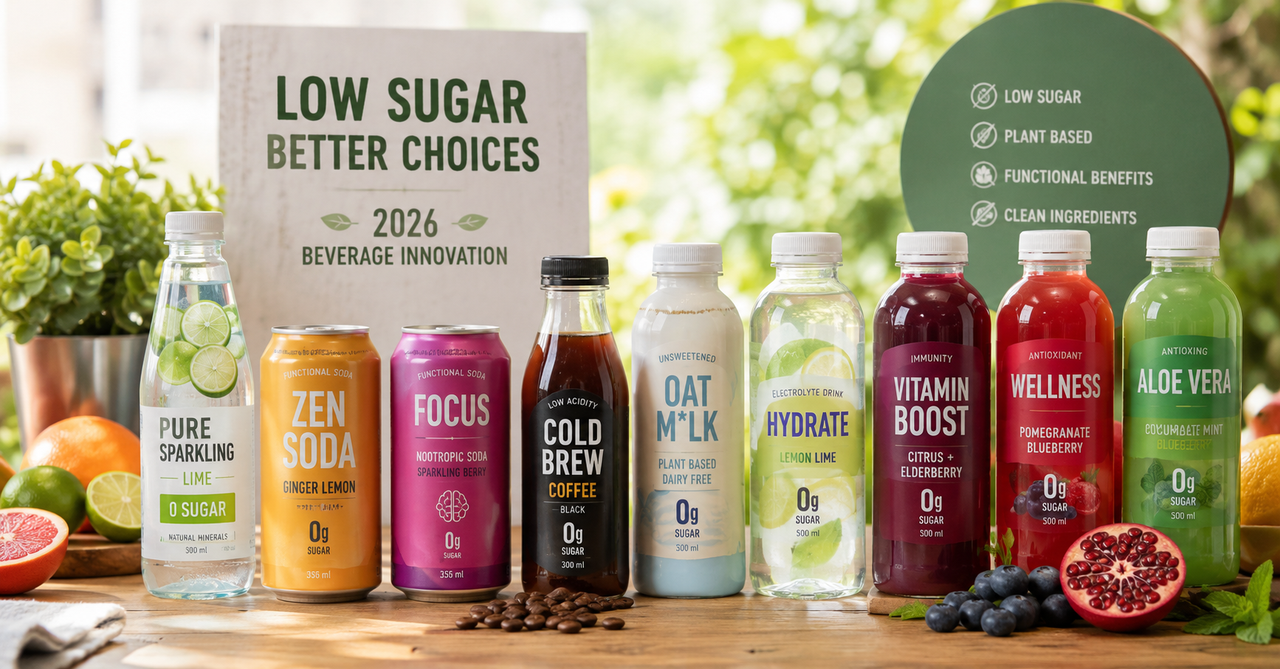
This shift has fueled strong demand for low sugar beverages across nearly every category. Whether people are choosing drinks for hydration, fitness, work, or social occasions, reducing sugar intake has become a priority. Consumers are paying closer attention to nutrition labels, ingredient lists, and functional benefits than ever before.
At the same time, beverage manufacturers are responding with new formulations, natural sweeteners, and creative product concepts. The result is a rapidly growing market filled with innovative low sugar beverage options designed to meet modern lifestyle needs.
In this guide, we will explore the factors driving this trend, highlight some of the most popular low sugar beverage options available today, examine the growing market for low sugar alcoholic beverages, and discuss how changing consumer habits are influencing the future of the industry. We will also look at how SIAL Guangzhou 2026 is helping connect buyers and suppliers at the forefront of beverage innovation.
The Driving Forces Behind the Low Sugar Revolution
To understand why low sugar beverages continue to gain popularity, it is important to look at the larger trends influencing consumer behavior and product development.
Preventive Healthcare and Nutritional Awareness
Consumers today are more informed about nutrition than ever before. Many people actively manage their diets to support long-term wellness and reduce the risk of health issues associated with excessive sugar consumption.
Rather than focusing only on calories, shoppers are paying attention to added sugars, ingredient quality, and overall nutritional value. Mobile health apps, wearable fitness devices, and easy access to nutrition information have made it simpler for consumers to track what they eat and drink every day.
As a result, low sugar beverages have become a preferred choice for individuals who want better control over their daily sugar intake without giving up flavor. Beverage companies are responding by creating products that offer hydration, energy, and functional benefits while keeping sugar levels low.
Government Regulations and Sugar Taxes
Government policies have also played an important role in encouraging healthier beverage choices. Many countries and regions have introduced sugar taxes, nutrition labeling requirements, and public health initiatives aimed at reducing excessive sugar consumption.
These regulations have encouraged beverage manufacturers to rethink their product portfolios. Companies are investing heavily in research and development to create low sugar beverage options that meet regulatory standards while maintaining consumer appeal.
For many brands, reducing sugar is no longer just a marketing strategy. It has become an important part of staying competitive in a changing marketplace.
The Influence of Social Media and Wellness Influencers
Social media continues to shape consumer preferences across the food and beverage industry. Wellness influencers, fitness experts, nutrition professionals, and lifestyle creators regularly share information about healthier eating and drinking habits.
Popular online discussions often focus on reducing added sugars, improving hydration, and choosing products with cleaner ingredient lists. These conversations have helped introduce millions of consumers to new low sugar beverages and alternative sweetening technologies.
As awareness spreads, consumers become more willing to explore innovative products that align with their health goals, creating new opportunities for beverage brands around the world.
Exploring the Top Low Sugar Beverage Options in the Non-Alcoholic Market
The non-alcoholic beverage sector has become one of the most innovative areas of the industry. Manufacturers are introducing products that combine great taste with lower sugar content and added functionality.
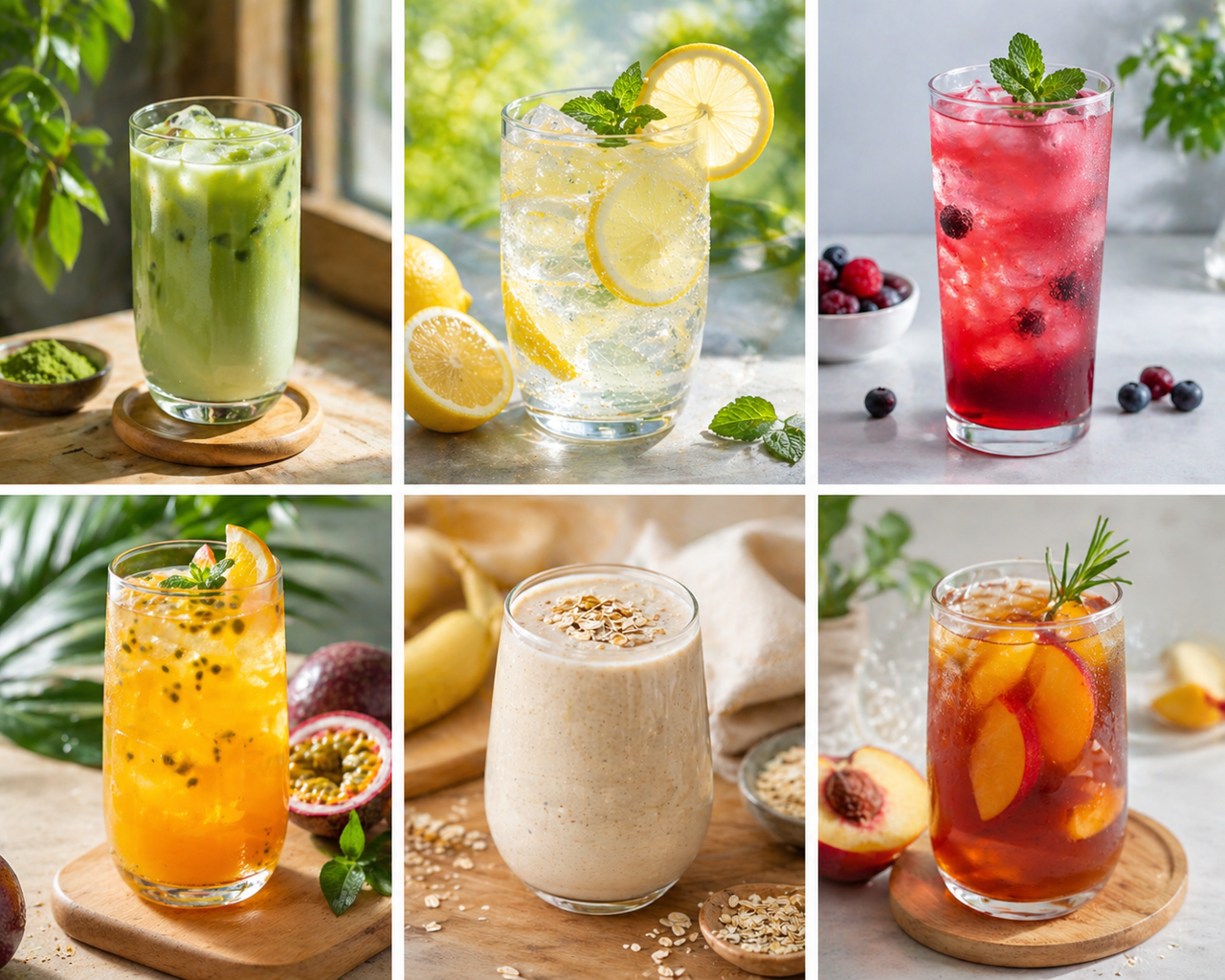
Functional Sparkling Waters and Prebiotic Sodas
Sparkling water has evolved far beyond simple flavored carbonation. One of the biggest trends in 2026 is the rise of functional sparkling beverages that provide additional health benefits.
Many modern low sugar beverage options now include ingredients such as prebiotics, probiotics, botanical extracts, vitamins, and adaptogens. These beverages are designed to support digestive health, stress management, and overall wellness while offering a refreshing drinking experience.
Natural sweeteners such as stevia, monk fruit, and allulose help create balanced flavor profiles without relying on large amounts of added sugar. Consumers appreciate the ability to enjoy a soda-like experience while making a healthier choice.
Plant-Based Milks and Dairy Alternatives
The plant-based beverage category continues to grow as consumers seek alternatives to traditional dairy products. Almond milk, oat milk, soy milk, coconut milk, and other plant-based options have become staples in households around the world.
In the past, many dairy alternatives contained significant amounts of added sugar to improve taste. Today, consumers increasingly prefer unsweetened or lightly sweetened versions that fit better into balanced diets.
Manufacturers are focusing on texture, nutritional fortification, and ingredient quality rather than sweetness alone. This approach has helped position plant-based beverages as important low sugar beverages for everyday consumption.
Ready-to-Drink (RTD) Teas and Cold Brew Coffees
Ready-to-drink teas and coffees remain popular among busy consumers looking for convenient beverage solutions. However, many traditional products in these categories contain surprisingly high levels of sugar.
The latest generation of RTD beverages takes a different approach. Brands are emphasizing the natural flavor of premium tea leaves and coffee beans rather than masking them with syrups and sweeteners.
Cold brew coffee, nitrogen-infused coffee drinks, green teas, herbal teas, and specialty tea blends have become attractive low sugar beverage options for consumers who want flavor, caffeine, and convenience without excessive sweetness.
Enhanced Hydration and Electrolyte Drinks
Hydration has become a major focus for health-conscious consumers, athletes, and active professionals. As a result, the sports drink category is experiencing significant innovation.
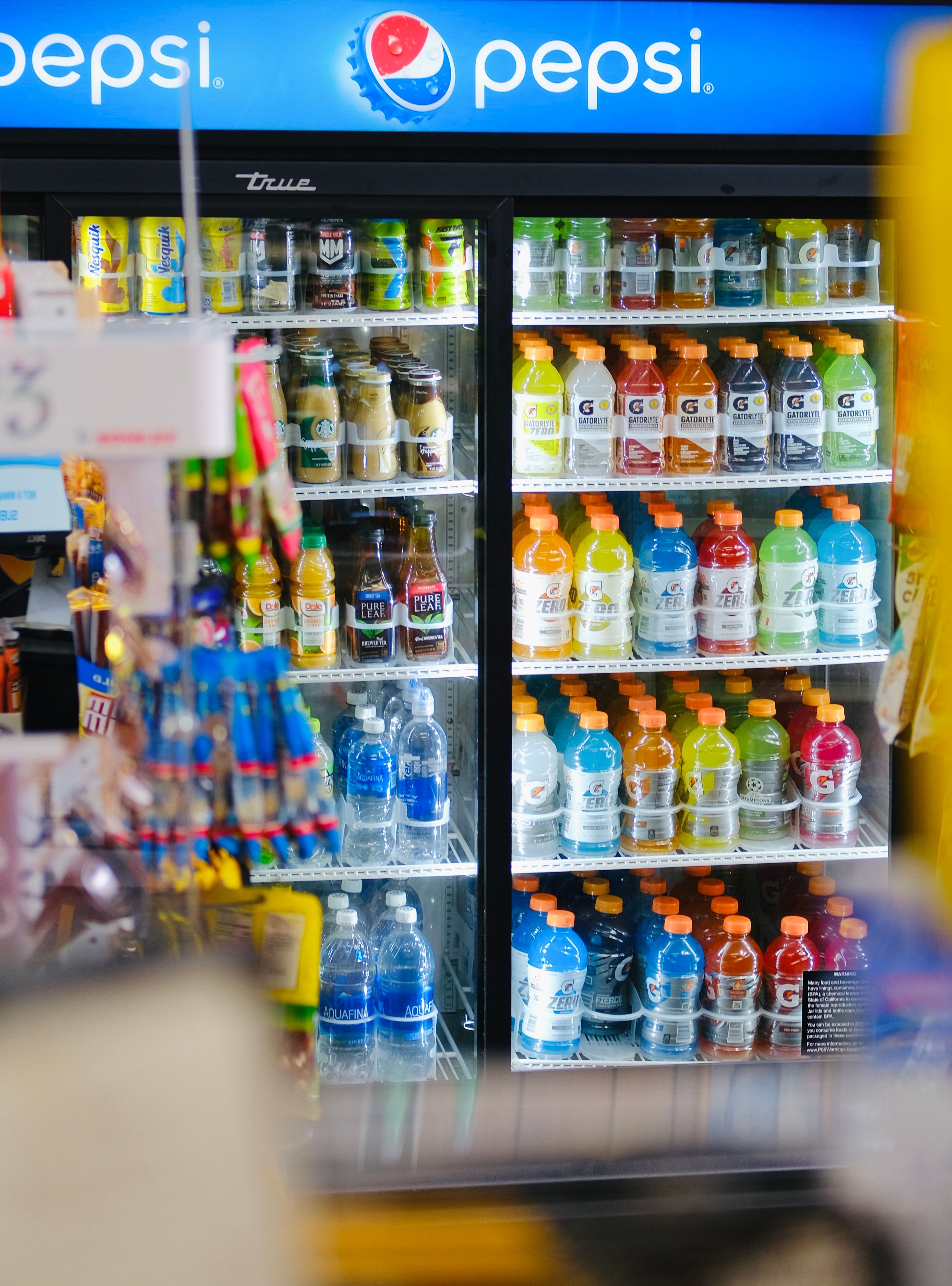
Many modern hydration products contain electrolytes, minerals, vitamins, and functional ingredients while keeping sugar content low. Coconut water blends, electrolyte powders, hydration tablets, and enhanced waters are becoming increasingly popular alternatives to traditional sports drinks.
These low sugar beverages support hydration and recovery while helping consumers avoid unnecessary calories and sugar intake.
The Paradigm Shift in Adult Drinking: Low Sugar Alcoholic Beverages
One of the most significant changes in the beverage industry is happening within the alcoholic drinks category. Consumers who prioritize health and wellness are now applying the same standards to alcoholic beverages that they apply to food and non-alcoholic drinks.
People want to enjoy social occasions without consuming excessive amounts of sugar and calories. As a result, demand for low sugar alcoholic beverages continues to grow across multiple market segments. Beverage brands, breweries, wineries, and distilleries are all responding with products designed to offer a lighter and more transparent drinking experience.
Hard Seltzers and Lighter Spirits
Hard seltzers remain one of the strongest performers in the better-for-you alcohol market. Consumers appreciate their simple ingredient lists, lower calorie counts, and reduced sugar content compared to many traditional mixed drinks.
In 2026, premium hard seltzers are becoming even more sophisticated. Many products now use real fruit flavors, natural ingredients, and carefully crafted formulations that appeal to consumers seeking both taste and convenience.
At the same time, spirit brands are introducing lighter options infused with botanical ingredients, citrus notes, and natural flavors. These products make it easy to create refreshing cocktails that fit into a lower-sugar lifestyle. For many consumers, they have become some of the most appealing low sugar alcoholic beverages available today.
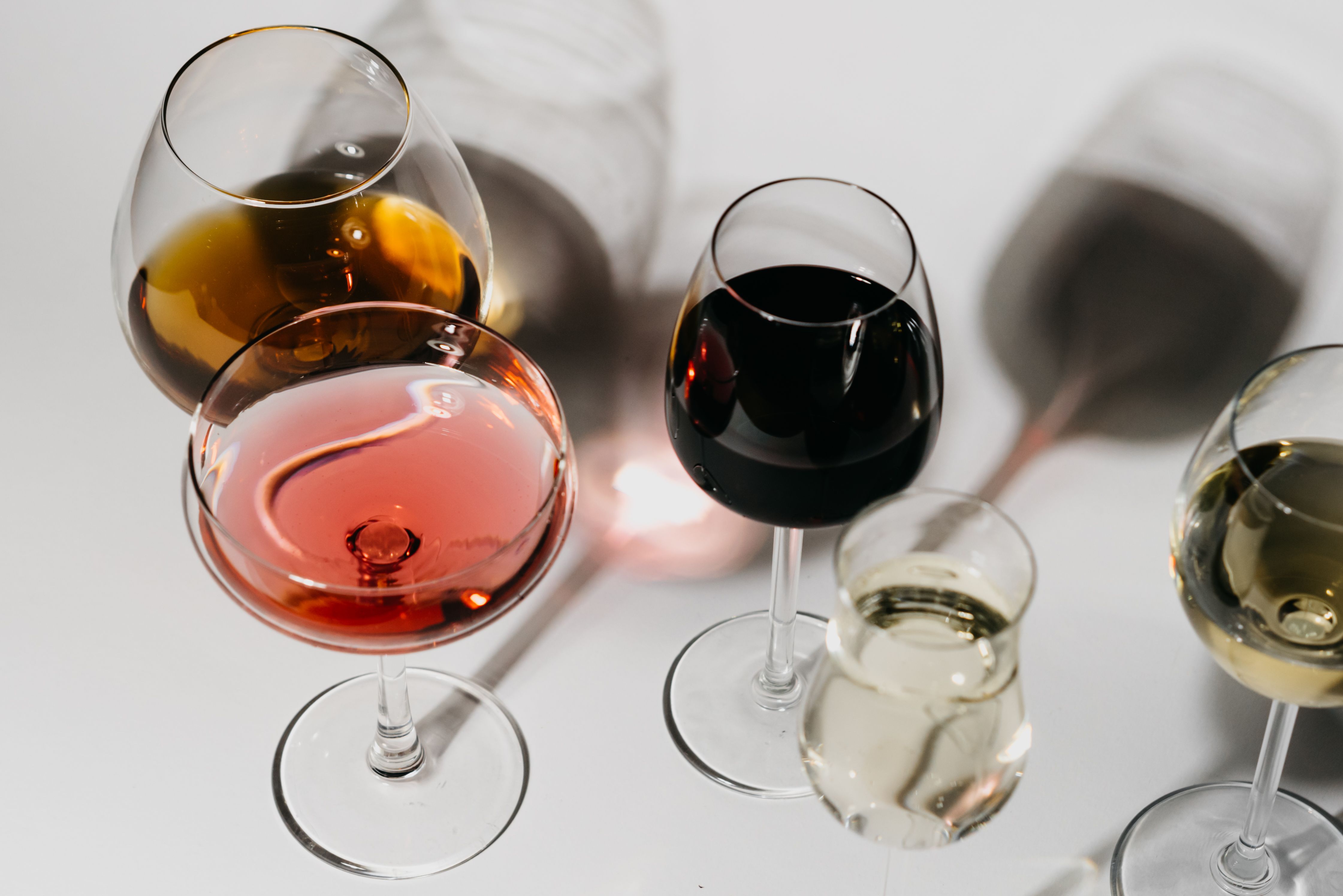
Low-Calorie and Low-Sugar Wines
Wine producers are also adapting to changing consumer preferences. More wineries are highlighting nutritional transparency and developing products aimed at consumers who want lighter drinking options.
Advances in fermentation techniques allow producers to reduce residual sugar while preserving the character and flavor of the wine. Dry white wines, crisp rosés, and carefully crafted red wines are increasingly marketed toward health-conscious consumers.
These low sugar alcoholic beverages appeal particularly to younger adults who want to enjoy wine while maintaining a balanced lifestyle. Clear labeling and greater awareness of sugar content have helped drive growth within this category.
The "Sober Curious" Movement and Zero-Proof Alternatives
Another important trend shaping the industry is the growing interest in alcohol moderation. Many consumers are choosing to drink less frequently or alternate between alcoholic and non-alcoholic beverages.
This shift has fueled rapid growth in zero-proof spirits, alcohol-free beers, and premium mocktails. Consumers no longer view non-alcoholic drinks as simple substitutes. Instead, they expect the same level of flavor, craftsmanship, and sophistication found in traditional cocktails.
Importantly, these products must also align with broader health trends. Many consumers seeking alcohol-free options are equally interested in reducing sugar intake, creating additional demand for innovative low sugar beverage options within the zero-proof category.
Innovative Sweetening Technologies in 2026
The rapid growth of low sugar beverages would not be possible without advances in sweetening technology and food science.
Today's consumers want products that taste great, but they also expect cleaner labels and ingredients they recognize. This has encouraged manufacturers to explore alternatives to traditional sugar while moving away from some artificial sweeteners that many shoppers prefer to avoid.
One of the most talked-about ingredients in the industry is allulose. This naturally occurring rare sugar delivers sweetness and mouthfeel similar to traditional sugar but contributes very few calories. Because it has minimal impact on blood glucose levels, it has become a valuable tool for beverage developers.
Monk fruit and advanced stevia extracts are also widely used in modern beverage formulations. New processing technologies have significantly improved flavor quality, helping eliminate the bitterness that was sometimes associated with earlier versions of these sweeteners.
Beyond sweeteners themselves, flavor companies are developing innovative ways to enhance sweetness perception. Certain botanical extracts and natural aroma compounds can make beverages taste sweeter without requiring additional sugar. These technologies allow manufacturers to create enjoyable low sugar beverages while maintaining clean-label positioning.
As ingredient innovation continues, consumers can expect even more sophisticated low sugar beverage options in the years ahead.
Changing Consumption Occasions and Scenarios
Consumer drinking habits have evolved alongside product innovation. Today, low sugar beverages are consumed across a wide variety of occasions and lifestyles.
Rather than being limited to specific health-focused audiences, these products are becoming part of everyday routines for millions of consumers.
Fitness and Post-Workout Recovery
Health and fitness remain major drivers of beverage purchasing decisions. People who regularly exercise are paying close attention to what they consume before, during, and after workouts.
Many fitness enthusiasts prefer beverages that provide hydration, protein, amino acids, electrolytes, and other functional ingredients without excessive sugar. The goal is to support performance and recovery while avoiding unnecessary calories.
As a result, low sugar beverages have become a standard choice in gyms, fitness centers, yoga studios, and sports facilities around the world.
Casual Socializing and Nightlife
Social occasions are changing as well. Consumers increasingly want beverage choices that allow them to enjoy gatherings without compromising their wellness goals.
Restaurants, bars, and entertainment venues are responding by expanding their menus to include low sugar alcoholic beverages alongside premium alcohol-free alternatives.
Whether someone is attending a dinner party, networking event, or weekend celebration, they now have access to a wider range of healthier drink choices than ever before. This flexibility allows consumers to participate in social experiences while maintaining balanced lifestyles.
Workplace Hydration and On-the-Go Consumption
Busy professionals are constantly looking for convenient ways to stay energized and hydrated throughout the day.
Traditional sugary beverages are gradually being replaced by functional drinks that offer hydration, mental focus, and sustained energy. Sparkling waters, functional teas, nootropic beverages, and enhanced hydration products are becoming common fixtures in offices and coworking spaces.
These low sugar beverage options help consumers stay productive without experiencing the energy fluctuations often associated with high-sugar drinks.
At the same time, convenient packaging formats make it easier than ever for people to carry healthier beverages wherever they go. From commuting to business travel, portability continues to be an important factor influencing purchasing decisions.
Discover the Future of Drinks at SIAL Guangzhou 2026

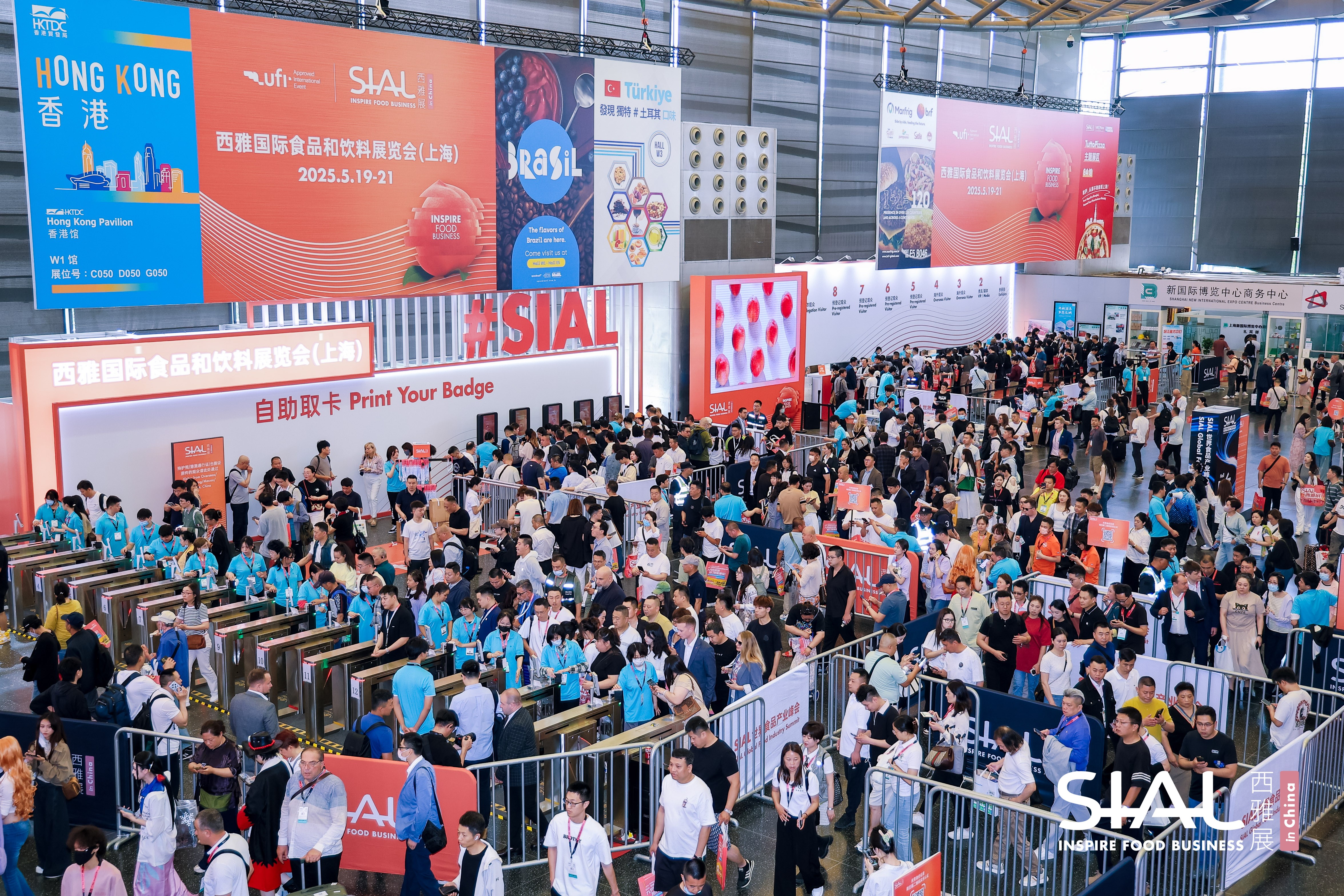
For industry professionals looking to stay ahead of emerging beverage trends, trade exhibitions remain one of the most valuable resources for market insight, networking, and product discovery. Among the leading events in the food and beverage industry, SIAL Guangzhou 2026 stands out as an important platform for exploring the future of healthier drinks.
As consumer demand for low sugar beverages continues to grow, manufacturers are introducing new products at an unprecedented pace. Buyers, distributors, retailers, and foodservice operators need opportunities to discover these innovations firsthand, compare suppliers, and identify products that align with changing consumer preferences.
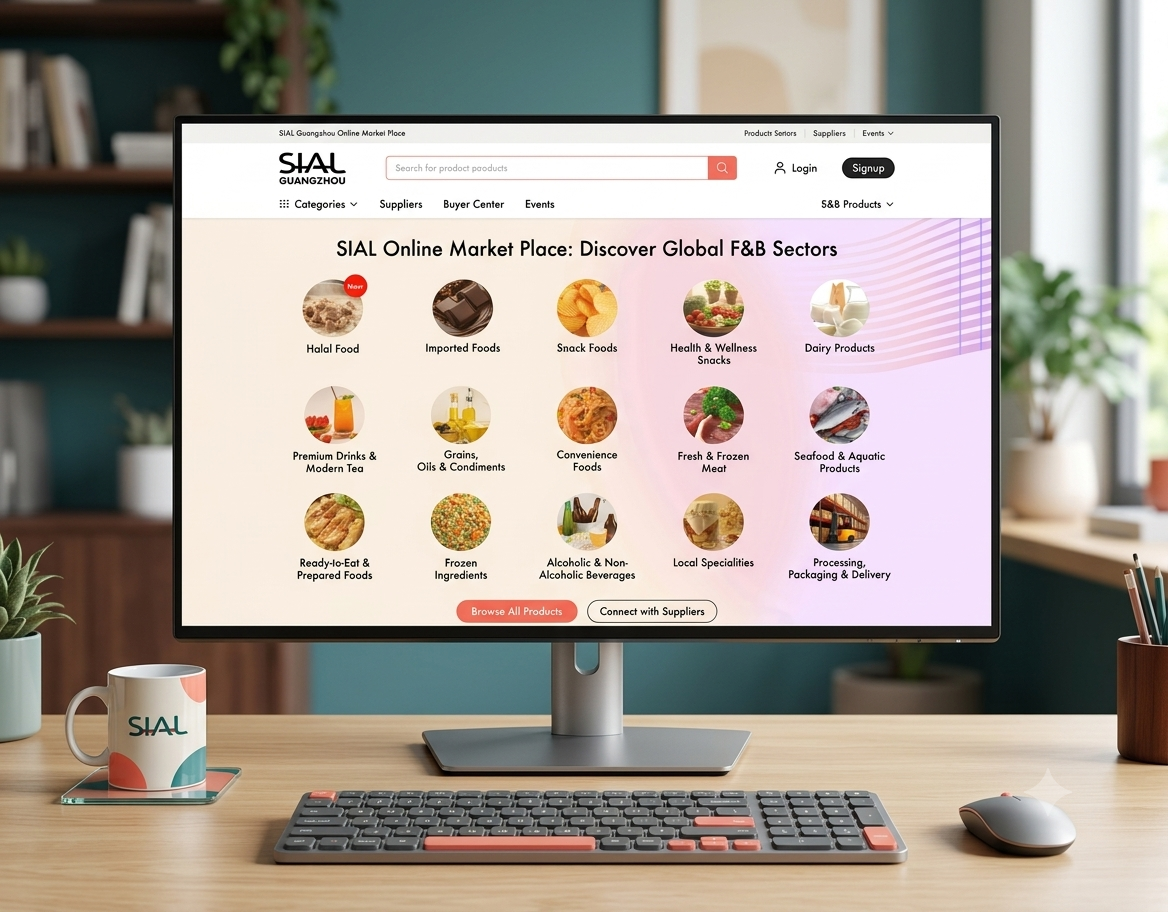
At SIAL Guangzhou 2026, visitors will have the chance to explore a wide range of beverage categories, including functional drinks, sparkling beverages, plant-based products, RTD teas and coffees, sports nutrition drinks, and premium low sugar alcoholic beverages. The exhibition floor will bring together companies from across the global beverage supply chain, creating an environment where innovation and business opportunities meet.
Attendees can discover new ingredients, learn about emerging sweetening technologies, and gain insight into the latest packaging and sustainability trends. Whether a business is searching for the next bestselling functional beverage or evaluating new low sugar beverage options for retail shelves, the event provides valuable opportunities to connect with suppliers and industry experts.
The exhibition also serves as a platform for understanding consumer behavior in one of the world's most dynamic food and beverage markets. By bringing together international brands and regional innovators, SIAL Guangzhou helps participants stay informed about both global trends and local market opportunities.
For anyone involved in beverage manufacturing, distribution, retail, or foodservice, the event offers a practical way to see where the industry is heading and how consumer expectations continue to evolve.
Why Exhibit at SIAL Guangzhou 2026?
As the market for healthier beverages continues to expand, exhibiting at SIAL Guangzhou 2026 provides companies with a unique opportunity to showcase products, build relationships, and strengthen their presence in one of Asia's most important business hubs.
One of the biggest advantages of exhibiting is access to the Guangdong-Hong Kong-Macao Greater Bay Area. This region is known for its strong economy, large consumer base, and growing demand for premium food and beverage products. Consumers are increasingly interested in wellness-focused products, creating significant opportunities for brands offering innovative low sugar beverages and functional drinks.
The exhibition also attracts a diverse audience of professional buyers. Distributors, importers, supermarket chains, convenience store operators, hospitality groups, e-commerce platforms, and foodservice companies attend the event to identify new products and suppliers. For exhibitors, this creates valuable opportunities to generate leads, build partnerships, and expand market reach.
In addition to buyer engagement, SIAL Guangzhou offers strong visibility for brands seeking to increase awareness within the industry. Companies can introduce new products, demonstrate innovations, and communicate their brand stories directly to decision-makers. This is especially valuable for businesses launching new low sugar beverage options or expanding into emerging health-focused categories.
Another key benefit is access to industry knowledge. Through networking events, business matchmaking programs, and educational sessions, exhibitors can gain a better understanding of market developments, consumer preferences, and future growth opportunities. These insights can help companies refine their strategies and stay competitive in a rapidly changing marketplace.
For brands involved in functional beverages, plant-based drinks, hydration products, or low sugar alcoholic beverages, exhibiting at SIAL Guangzhou 2026 offers an effective way to connect with buyers, strengthen industry relationships, and position themselves for long-term growth.
Conclusion
The growing popularity of low sugar beverages reflects a larger shift in consumer priorities. People are becoming more mindful of what they consume and are actively seeking products that support healthier lifestyles without sacrificing flavor or convenience.
From functional sparkling waters and plant-based beverages to premium RTD coffees and innovative hydration drinks, manufacturers are creating a wide variety of low sugar beverage options to meet evolving consumer needs. At the same time, the market for low sugar alcoholic beverages continues to expand as consumers look for lighter choices that fit into balanced lifestyles.
Advances in sweetening technology, changing consumption habits, and increasing health awareness are all contributing to the continued growth of this sector. What was once considered a niche category has become a major focus across the global beverage industry.
For businesses looking to understand these trends, discover emerging products, and connect with key industry players, SIAL Guangzhou 2026 provides an ideal platform. The event brings together innovators, buyers, manufacturers, and suppliers who are helping shape the future of food and beverage consumption.
As the industry moves forward, one thing is clear: demand for healthier drinks is expected to remain strong. Companies that focus on quality, transparency, innovation, and consumer needs will be well positioned to succeed in the evolving world of low sugar beverages.
Frequently Asked Questions
1. What are low sugar beverages?
Low sugar beverages are drinks that contain significantly less added sugar than traditional soft drinks, juices, or sweetened beverages. They may use natural sweeteners such as stevia, monk fruit, or allulose, or rely on carefully balanced flavor formulations to reduce overall sugar content. Popular examples include functional sparkling waters, unsweetened teas, cold brew coffees, electrolyte drinks, and plant-based beverages. As consumers become more health-conscious, low sugar beverages are gaining popularity across both retail and foodservice markets.
2. Why are consumers choosing low sugar beverage options in 2026?
Consumers are increasingly focused on maintaining healthier lifestyles and reducing excessive sugar intake. Many people are paying closer attention to nutrition labels and looking for products that support hydration, energy, and wellness without unnecessary calories. In addition, growing awareness of health concerns related to high sugar consumption has encouraged shoppers to seek better alternatives. As a result, low sugar beverage options have become one of the fastest-growing categories in the global beverage industry.
3. What are the most popular low sugar beverage options today?
Some of the most popular low sugar beverage options include functional sparkling waters, prebiotic sodas, cold brew coffee, ready-to-drink teas, plant-based milks, enhanced hydration beverages, and electrolyte drinks. Consumers are also showing strong interest in beverages that provide additional benefits such as digestive support, immune health, mental focus, and sports recovery. These products combine convenience, flavor, and wellness benefits while keeping sugar levels low.
4. Are low sugar alcoholic beverages becoming more popular?
Yes. Demand for low sugar alcoholic beverages has grown significantly in recent years as consumers seek lighter drinking choices. Hard seltzers, low-sugar wines, botanical spirits, and ready-to-drink cocktails are attracting consumers who want to enjoy social occasions while managing their calorie and sugar intake. Many beverage companies are also increasing transparency around nutritional information, making it easier for consumers to make informed purchasing decisions.
5. Why should beverage companies exhibit at SIAL Guangzhou 2026?
SIAL Guangzhou 2026 offers beverage companies direct access to professional buyers, distributors, importers, retailers, and foodservice operators from China and international markets. Exhibitors can showcase new products, discover emerging industry trends, build valuable business connections, and explore opportunities in the rapidly growing health and wellness beverage sector. For brands developing low sugar beverages, low sugar beverage options, or low sugar alcoholic beverages, the exhibition provides an ideal platform to increase visibility and expand market reach.



'/%3e%3cdefs%3e%3clinearGradient%20id='paint0_linear_1477_4631'%20x1='18.272'%20y1='0'%20x2='18.272'%20y2='35.3674'%20gradientUnits='userSpaceOnUse'%3e%3cstop%20stop-color='%23FF9F9F'/%3e%3cstop%20offset='1'%20stop-color='%23F15E5E'/%3e%3c/linearGradient%3e%3c/defs%3e%3c/svg%3e)
'/%3e%3cdefs%3e%3clinearGradient%20id='paint0_linear_1477_4633'%20x1='17.5'%20y1='0'%20x2='17.5'%20y2='35'%20gradientUnits='userSpaceOnUse'%3e%3cstop%20stop-color='%23E9C0EE'/%3e%3cstop%20offset='1'%20stop-color='%23CE57DC'/%3e%3c/linearGradient%3e%3c/defs%3e%3c/svg%3e)