
'%3e%3cpath%20d='M10%200C4.4772%200%200%204.4772%200%2010C0%2014.6896%203.2288%2018.6248%207.5844%2019.7056V13.056H5.5224V10H7.5844V8.6832C7.5844%205.2796%209.1248%203.702%2012.4664%203.702C13.1%203.702%2014.1932%203.8264%2014.6404%203.9504V6.7204C14.4044%206.6956%2013.9944%206.6832%2013.4852%206.6832C11.8456%206.6832%2011.212%207.3044%2011.212%208.9192V10H14.4784L13.9172%2013.056H11.212V19.9268C16.1636%2019.3288%2020.0004%2015.1128%2020.0004%2010C20%204.4772%2015.5228%200%2010%200Z'%20fill='black'/%3e%3c/g%3e%3cdefs%3e%3cclipPath%20id='clip0_601_545'%3e%3crect%20width='20'%20height='20'%20fill='white'/%3e%3c/clipPath%3e%3c/defs%3e%3c/svg%3e)

'%3e%3cpath%20d='M18.5195%200H1.47656C0.660156%200%200%200.644531%200%201.44141V18.5547C0%2019.3516%200.660156%2020%201.47656%2020H18.5195C19.3359%2020%2020%2019.3516%2020%2018.5586V1.44141C20%200.644531%2019.3359%200%2018.5195%200ZM5.93359%2017.043H2.96484V7.49609H5.93359V17.043ZM4.44922%206.19531C3.49609%206.19531%202.72656%205.42578%202.72656%204.47656C2.72656%203.52734%203.49609%202.75781%204.44922%202.75781C5.39844%202.75781%206.16797%203.52734%206.16797%204.47656C6.16797%205.42188%205.39844%206.19531%204.44922%206.19531ZM17.043%2017.043H14.0781V12.4023C14.0781%2011.2969%2014.0586%209.87109%2012.5352%209.87109C10.9922%209.87109%2010.7578%2011.0781%2010.7578%2012.3242V17.043H7.79688V7.49609H10.6406V8.80078H10.6797C11.0742%208.05078%2012.043%207.25781%2013.4844%207.25781C16.4883%207.25781%2017.043%209.23438%2017.043%2011.8047V17.043Z'%20fill='black'/%3e%3c/g%3e%3cdefs%3e%3cclipPath%20id='clip0_601_548'%3e%3crect%20width='20'%20height='20'%20fill='white'/%3e%3c/clipPath%3e%3c/defs%3e%3c/svg%3e)
Curry is one of the most versatile flavor categories in global food trade, yet regional styles differ sharply in ingredients, heat levels, and usage formats. For buyers exploring the Asian pantry aisle at SIAL in China, understanding these differences is the first step toward building a competitive product line. This guide breaks down authentic curry products from Thailand, Japan, and China, with practical notes on leading curry brands and what to look for when partnering with a curry supply company.
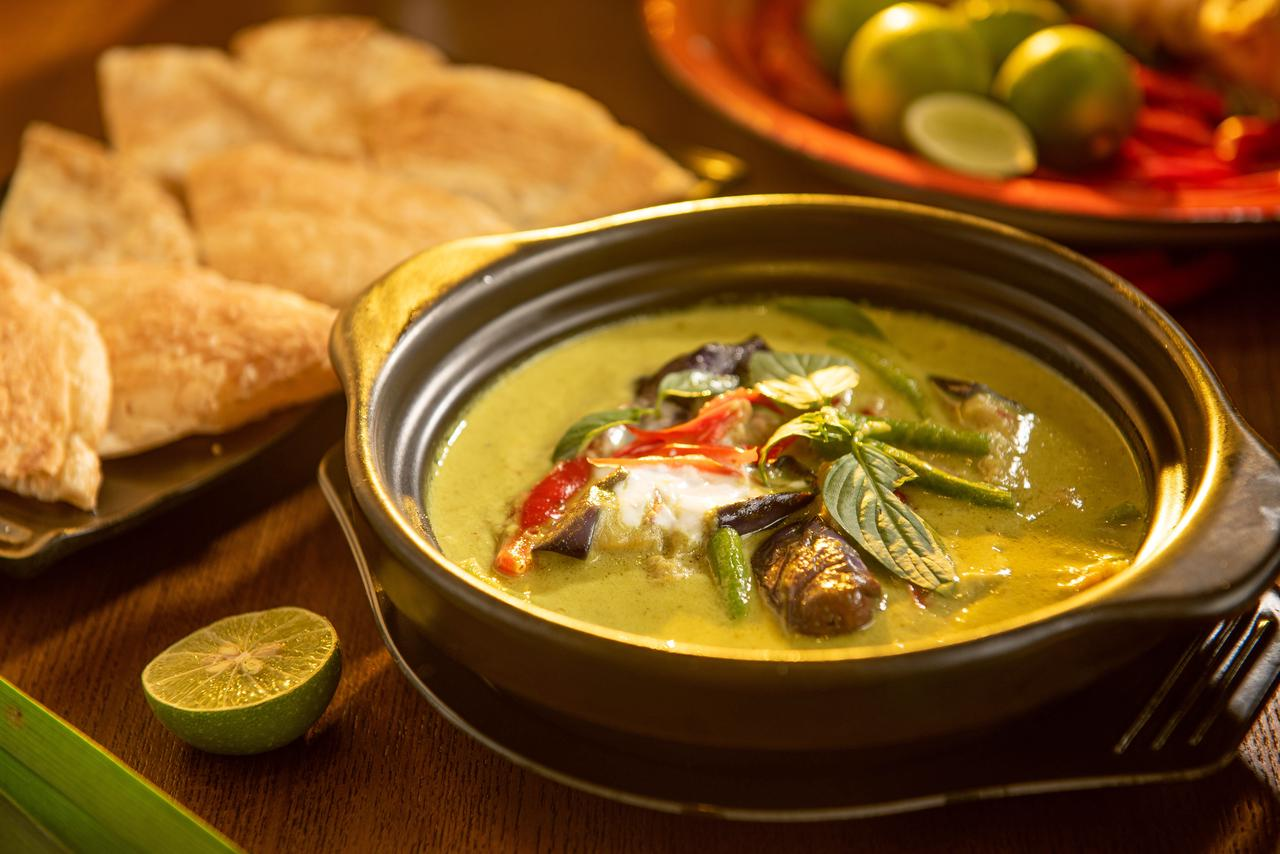
Thai, Japanese & Chinese Curry: Regional Styles at a Glance
Thai Curry: Fresh Pastes with Bold Aromatics
Thai curry is built around fresh curry pastes. Producers grind lemongrass, galangal, kaffir lime, and chilies into a concentrated base that delivers immediate aromatic intensity. The format is highly versatile—restaurants dilute it with coconut milk, while manufacturers use it as a marinade or sauce foundation. Mae Supen Yellow Curry Paste follows this tradition with a strong, spicy profile that works well in both foodservice and retail applications.
Japanese Curry: Thick Roux for Comfort Dining
Japanese curry leans on roux blocks or ready-to-eat pouches. The flavor is thicker, sweeter, and less aggressive than Thai styles, built on a foundation of caramelized onions, apples, and a mild spice blend. It is the dominant format in East Asian home cooking and convenience retail, offering a gentle entry point for consumers who are new to curry.
Chinese Curry: Vegetable-Forward and Family-Friendly
Chinese curry products often occupy a middle ground. Many incorporate local vegetables and milder heat levels to suit family dining, blending Japanese convenience with Chinese ingredient preferences. The result is a category that sits comfortably between the boldness of Thai pastes and the comfort-food appeal of Japanese roux, making it a practical choice for broad demographic reach.
Mae Supen: Authentic Thai Curry Pastes from Bangkok Flavour
Bangkok Flavour Ltd. is a Thai exhibitor with a clear international footprint. The company currently exports to Japan, South Korea, China, the rest of Asia, and the Middle East, and it is actively seeking agents in Europe, Central & Latin America, and additional Middle Eastern territories. Its Mae Supen line covers the essential Thai curry spectrum, with a two-year shelf life that supports long-distance distribution without compromising flavor integrity.
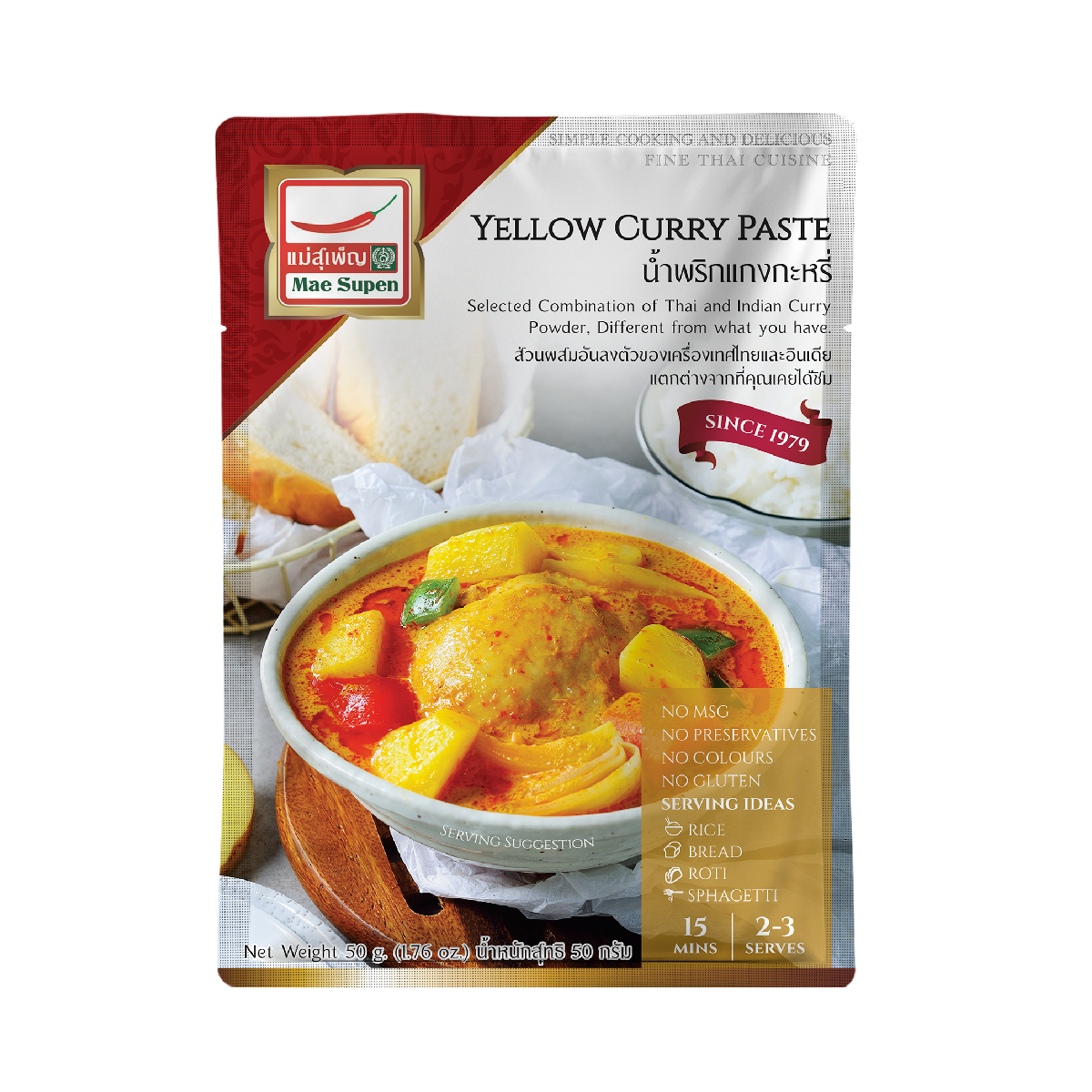
Mae Supen Yellow Curry Paste
Yellow curry paste is Mae Supen's signature product. It carries a bold, spicy heat balanced by the depth of traditional Thai spices, making it a standout choice for buyers who want to offer an assertive flavor profile. The paste works well in both restaurant kitchens and retail product lines where a stronger kick is part of the selling point. Mae Supen Yellow Curry Paste delivers the intensity that experienced curry consumers expect.
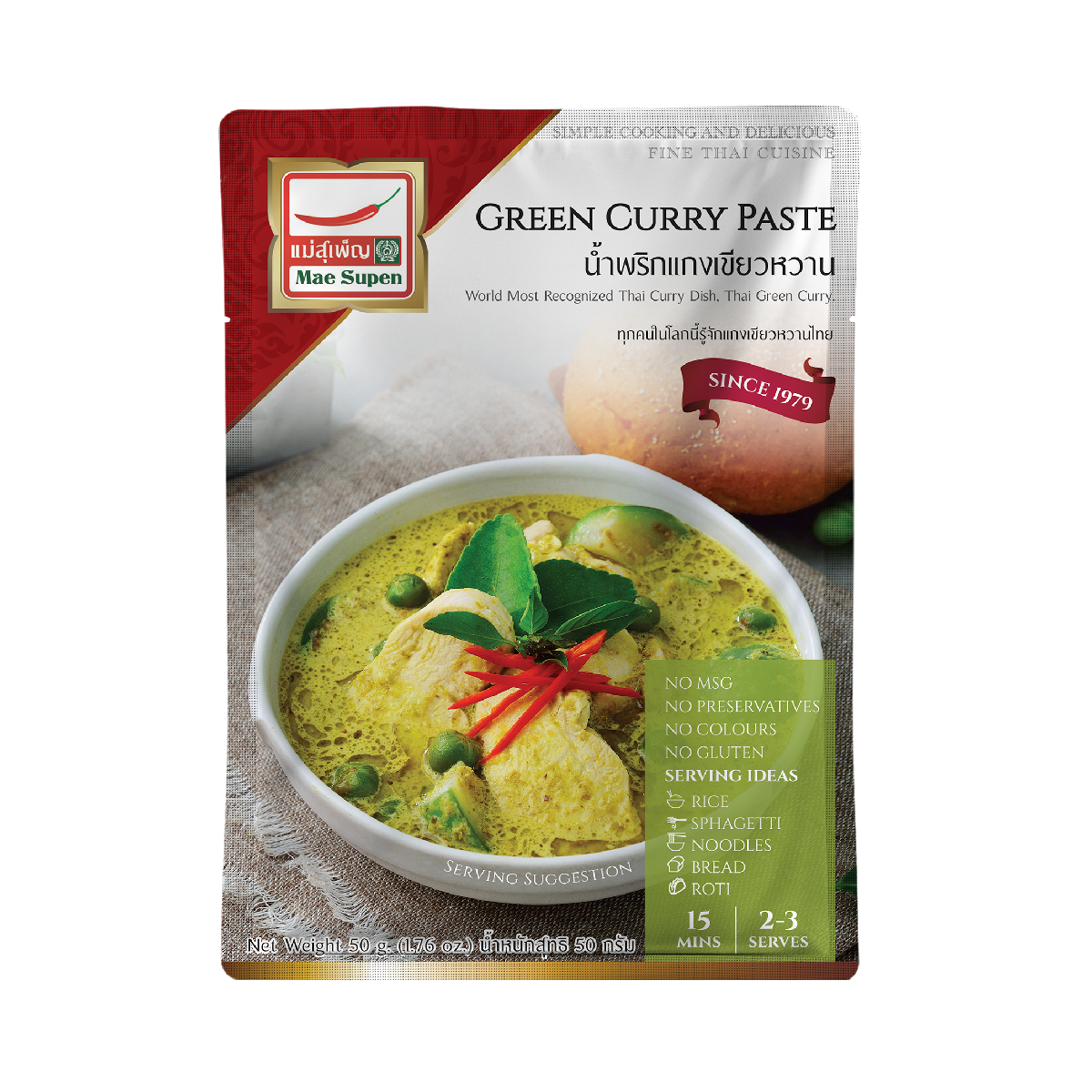
Mae Supen Green Curry Paste
This paste is made from natural ingredients following a traditional Thai recipe. It carries the bright, herbaceous signature of fresh green chilies and aromatic herbs, making it ideal for restaurants and retail brands that want to offer an authentic Thai dining experience. The concentrated format means a small amount goes a long way, which helps control food costs in commercial kitchens. Mae Supen Green Curry Paste is a solid pick for buyers who need consistency and genuine flavor.
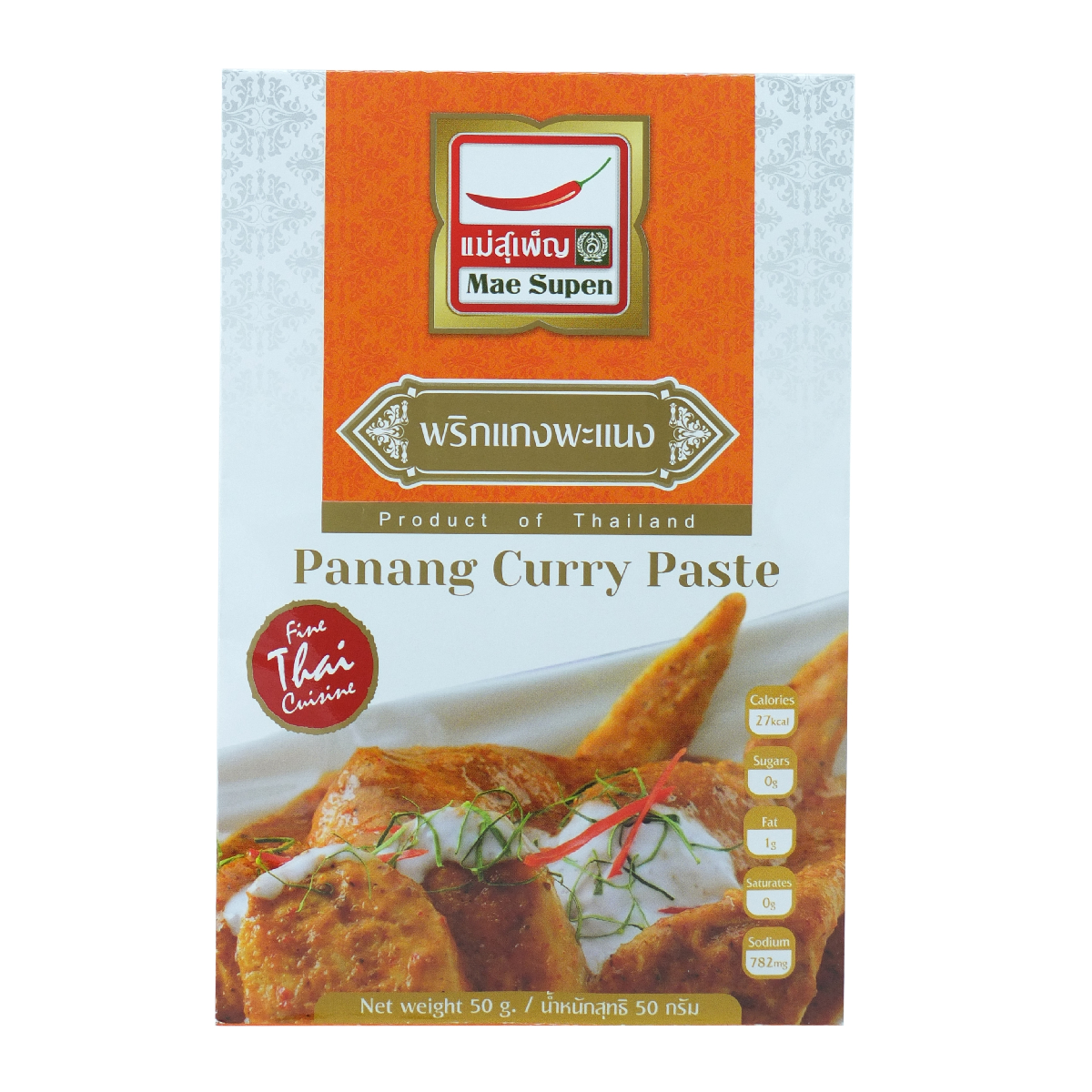
Mae Supen Panang Curry Paste
Panang curry is known for its richer, slightly sweeter character compared to green curry. Mae Supen's version blends smooth coconut milk with natural herbs and spices, producing a milder heat level that appeals to a wider age range. This makes it particularly suitable for family-oriented retail products or casual dining menus where bold spice might limit the customer base. Mae Supen Panang Curry Paste offers a balanced entry point into Thai curry without sacrificing authenticity.
S&B Golden Curry: The Japanese Curry Standard Since 1966
S&B Foods launched its iconic Golden Curry line in Japan in 1966, and the brand has since become a benchmark for Japanese curry. The defining feature is what the company calls its "golden aroma"—a layered fragrance created by blending multiple spices and herbs with carefully selected ingredients. For the Chinese market, S&B developed a dedicated version that is spicier than the standard Japanese medium-hot profile, catering to local preferences without losing the brand's signature depth.
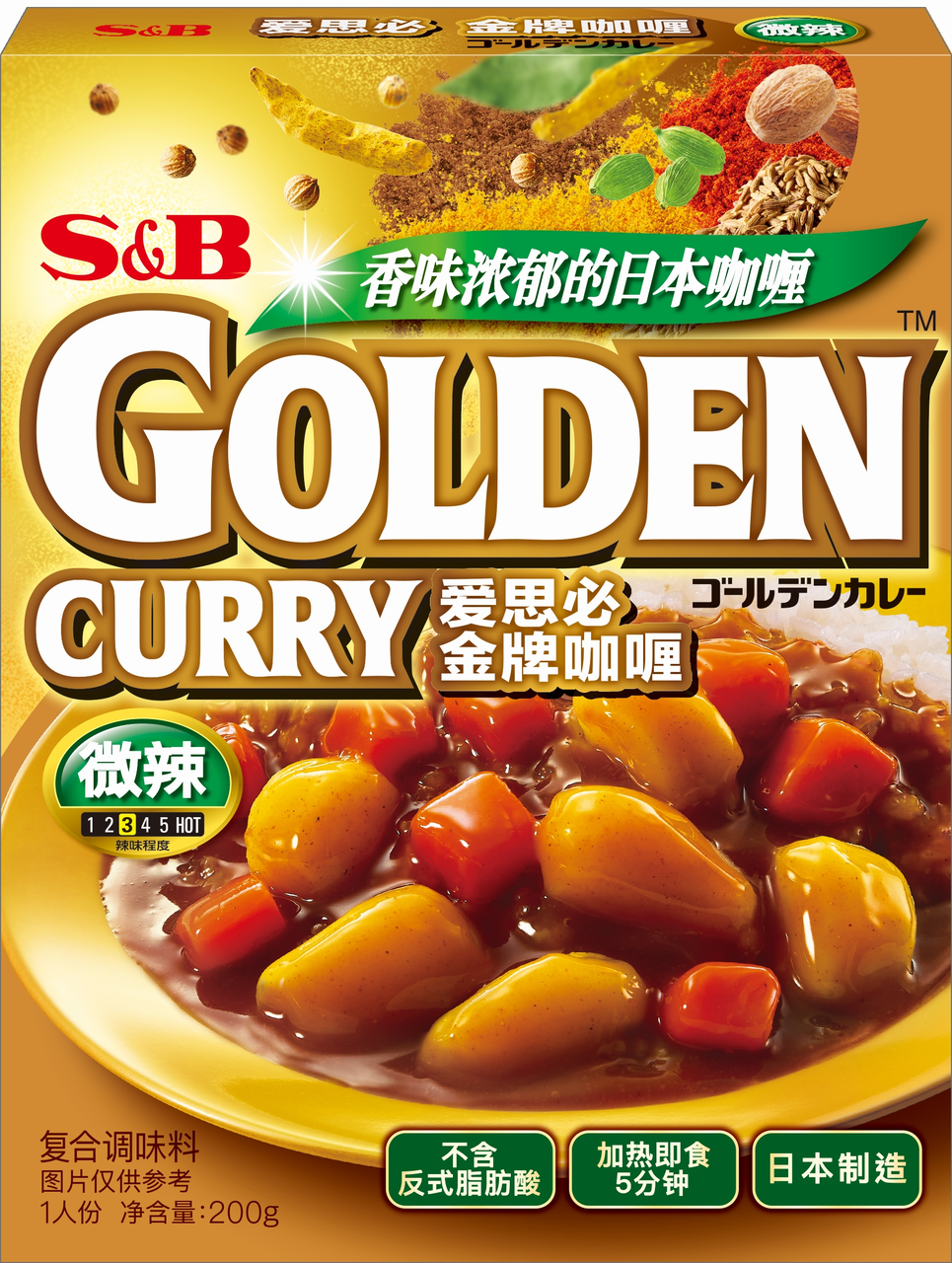
The product format is a ready-to-eat pouch containing diced potatoes and carrots suspended in a thick sauce. A generous portion of sautéed onions adds natural sweetness and umami, while the spice blend delivers a warm, rounded heat. It contains zero trans-fatty acids and no meat or meat-derived ingredients, which broadens its appeal for vegetarian and flexitarian consumers. Made in Japan and requiring only simple reheating, S&B Golden Curry works equally well over rice or udon in convenience stores, supermarkets, and online grocery channels.
ANKEE Miyajima Vegetable Curry: A Mild Option for Family Dining
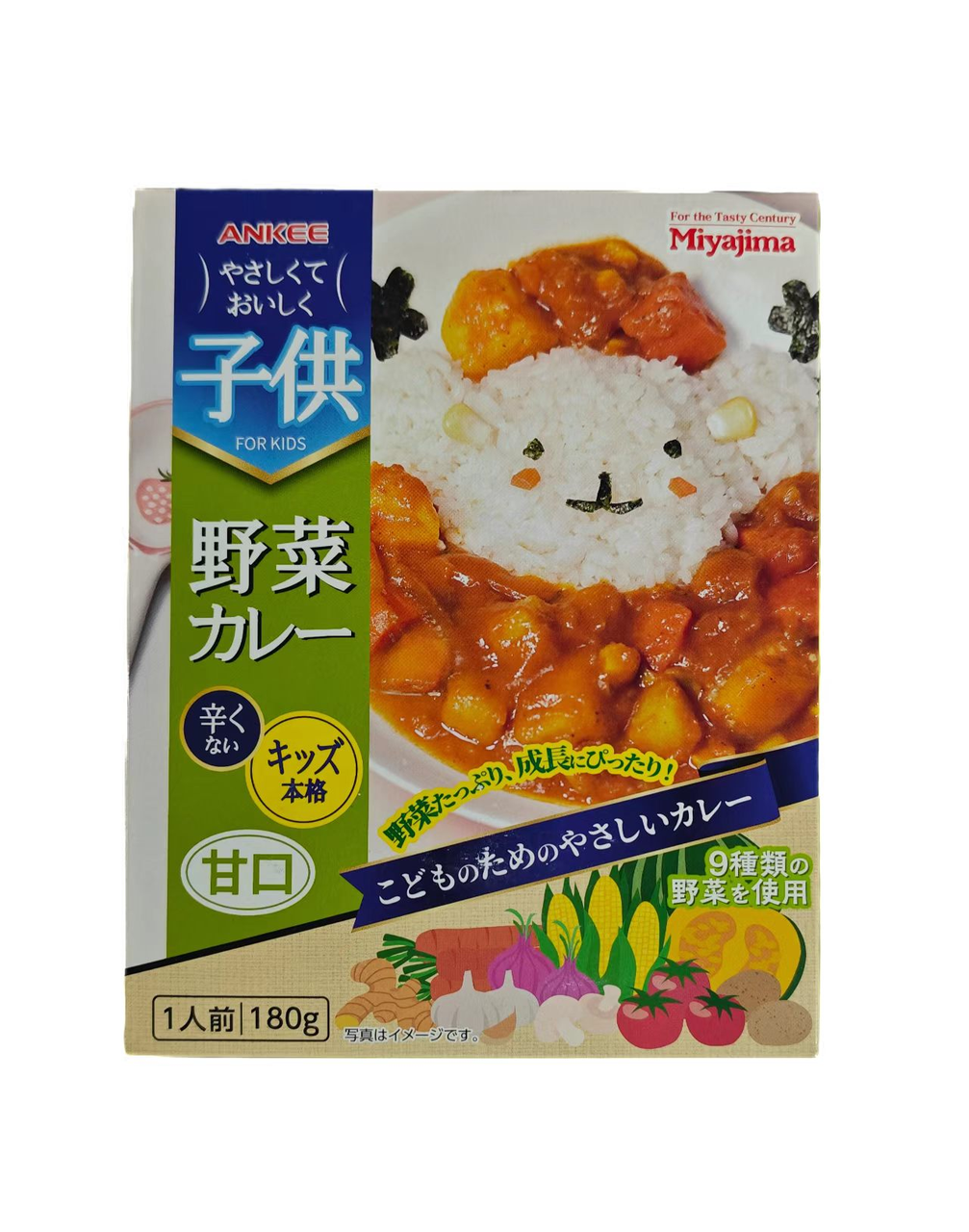
ANKEE is a Chinese condiment brand operated by Anji Food Co., Ltd., a manufacturer and importer listed on the Shanghai Stock Exchange. Its portfolio includes imported curry products from Japan, including the Miyajima Vegetable Curry. This product is manufactured in Japan and distributed in China through ANKEE's import channels. The curry blends apples and pumpkin for subtle sweetness, alongside potatoes, carrots, and onions that add body. There is no chili heat, so it suits children, elderly diners, and anyone avoiding spicy food. ANKEE Miyajima Vegetable Curry fills a clear niche in the family-meal segment.
AROY-D Curry Paste: Export-Grade Thai Curry from Thai Agri Foods
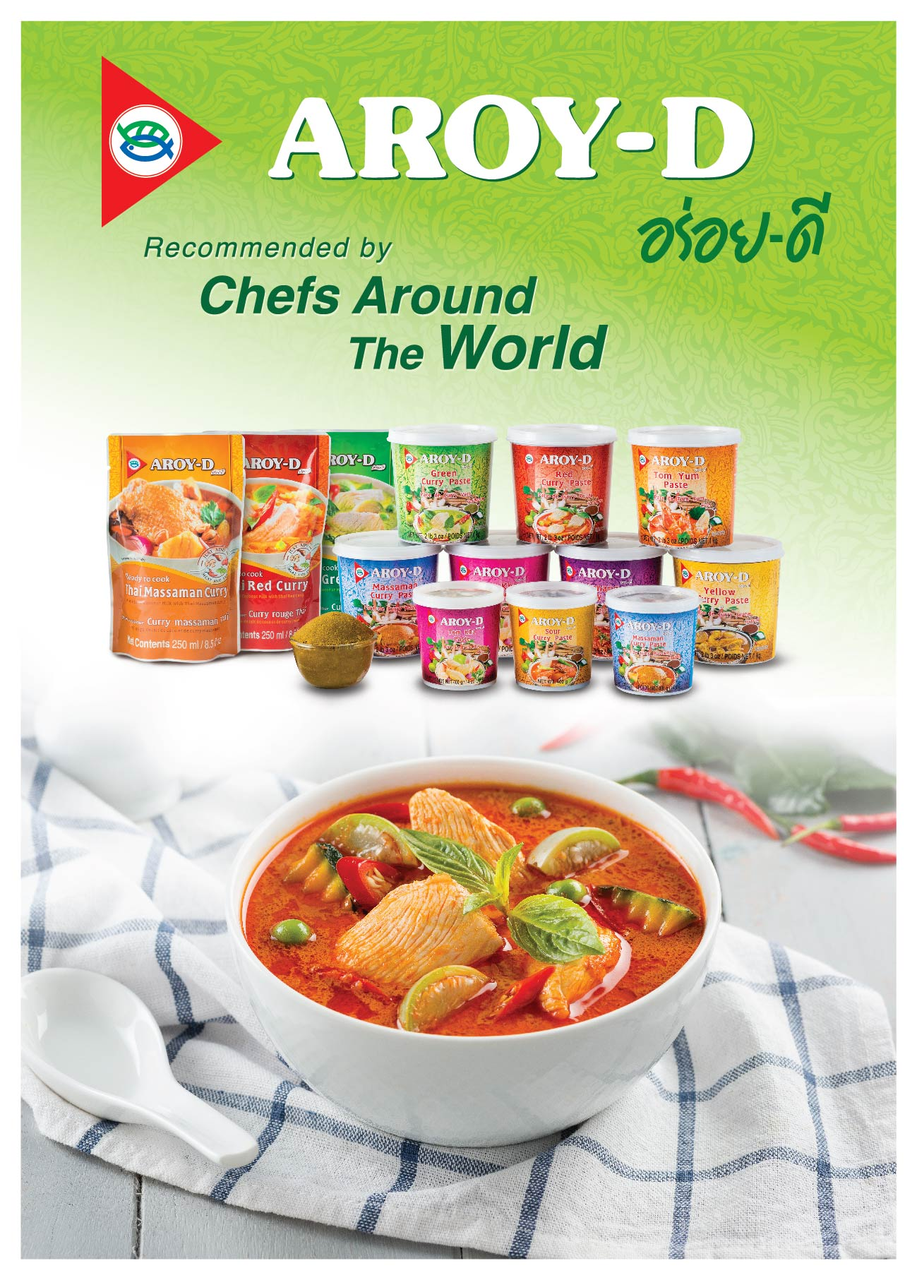
Thai Agri Foods Public Co., Ltd. is an established Thai food exporter with a decades-long track record in international distribution. The company produces its curry paste line under the AROY-D brand, drawing on selected spices and herbs processed through standardized procedures. AROY-D's portfolio spans green, red, yellow, panang, and massaman curry pastes, covering the full spectrum of Thai curry styles. The brand is already present in China, North America, Europe, the Middle East, and Africa, and it is actively seeking distribution partners in Central & Latin America. For buyers who want to complement a sourcing listing, AROY-D CURRY PASTE offers an established alternative with broad geographic reach.
What Distributors Should Know When Sourcing Curry Products
Building a curry product line requires more than picking popular items. Buyers need to match product specifications with market regulations, channel requirements, and consumer expectations. The following checklist covers the practical factors that separate a smooth procurement process from a costly misalignment.
- Verify certifications upfront: A reliable curry supply company should provide halal, kosher, organic, or BRC documentation if the target market requires it. Request certificates before committing to sample orders, not after production begins.
- Check shelf life against distribution timelines: Most curry pastes offer a two-year ambient shelf life, while ready-to-eat retort pouches may have shorter windows depending on processing method. Factor in shipping time, customs clearance, and warehouse turnover when evaluating expiry dates.
- Match product format to sales channel: Concentrated pastes suit foodservice and industrial clients who need scalable flavor bases. Single-serve roux blocks and ready-to-eat pouches align better with supermarket shelves, convenience stores, and e-commerce bundles.
- Confirm minimum order quantities and lead times: Thai and Japanese producers often have different MOQ thresholds for pastes versus finished pouches. Ask whether the manufacturer supports trial orders or mixed-SKU containers for initial market testing.
- Evaluate packaging for local regulations: Labeling requirements vary by country. Ensure that ingredient lists, allergen declarations, and nutritional panels meet the standards of the destination market, and confirm whether the supplier offers multi-language packaging.
- Assess private-label and co-manufacturing flexibility: Some curry brands support white-label arrangements, allowing distributors to customize branding without building a production line from scratch. This is worth exploring if long-term exclusivity is part of the strategy.
Getting these details right early in the negotiation prevents surprises at the port or on the retail shelf. A well-structured sourcing checklist helps buyers move from product sampling to scalable procurement with confidence.
Conclusion
Thai, Japanese, and Chinese curry products each serve distinct consumer needs, from the intense herbaceous heat of Thai pastes to the mellow comfort of Japanese roux and the vegetable-forward mildness of Chinese family curries. By matching the right curry brands to the right market segment, buyers can build a portfolio that covers both adventurous eaters and cautious newcomers. A reliable curry supply company should offer flavor authenticity alongside the export certifications that modern distribution demands.
FAQ
1. What is the main difference between curry paste and curry roux blocks?
Curry paste is a concentrated blend of fresh or dried spices, herbs, and aromatics that requires dilution with liquid—usually coconut milk or stock—before serving. It is common in Thai and Southeast Asian cooking and delivers intense, layered flavor. Curry roux blocks are pre-cooked fat-and-flour thickeners combined with spices; they dissolve directly into hot water or broth to create a thick, smooth sauce typical of Japanese home cooking.
2. Which curry products are best suited for vegetarian or vegan menus?
Japanese ready-to-eat curries like S&B Golden Curry are explicitly formulated without meat or meat-derived ingredients, making them a safe base for vegetarian recipes. Thai curry pastes are inherently plant-based, though buyers should verify that shrimp paste has not been added. For fully vegan lines, look for labels that confirm the absence of fish sauce, shrimp paste, and dairy-based additives.
3. How should curry pastes and ready-to-eat curries be stored in bulk?
Unopened curry pastes should be stored in a cool, dry place away from direct sunlight; ambient shelf life is typically around two years. Ready-to-eat retort pouches have similar requirements but may lose texture quality if exposed to temperature fluctuations. Once opened, pastes must be refrigerated and used within a few weeks, while leftover pouch contents should be transferred to an airtight container.
4. What factors determine whether a Thai curry paste is authentic?
Authentic Thai curry paste relies on a specific set of fresh aromatics: lemongrass, galangal, kaffir lime peel, garlic, shallot, and chilies. The ingredient order and proportions vary by curry type—green curry leans heavily on fresh green chilies, while yellow curry emphasizes turmeric. A genuine paste will list these items prominently rather than hiding behind vague "spice blend" terminology.
5. Are Japanese curry products adaptable to non-Asian markets?
Yes. Japanese curry is already mild, sweet, and thick, which aligns with comfort-food preferences in North America and Europe. The ready-to-eat pouch format also fits modern convenience trends. The main adaptation challenge is heat level: Japanese medium-hot may still be too mild for some markets, so offering a localized spicier variant—like S&B's China-specific recipe—can improve acceptance.
6. What packaging options do curry supply companies typically offer for wholesale?
Most curry supply companies offer multi-layer bulk packaging for foodservice clients, including institutional-size buckets or vacuum-sealed pouches. For retail, standard options are shelf-stable boxes, individual sachets, and multi-packs. Minimum order quantities vary by manufacturer, and some Thai and Japanese producers support private-label arrangements, allowing distributors to customize branding without building a production line from scratch.






'/%3e%3cdefs%3e%3clinearGradient%20id='paint0_linear_1477_4631'%20x1='18.272'%20y1='0'%20x2='18.272'%20y2='35.3674'%20gradientUnits='userSpaceOnUse'%3e%3cstop%20stop-color='%23FF9F9F'/%3e%3cstop%20offset='1'%20stop-color='%23F15E5E'/%3e%3c/linearGradient%3e%3c/defs%3e%3c/svg%3e)
'/%3e%3cdefs%3e%3clinearGradient%20id='paint0_linear_1477_4633'%20x1='17.5'%20y1='0'%20x2='17.5'%20y2='35'%20gradientUnits='userSpaceOnUse'%3e%3cstop%20stop-color='%23E9C0EE'/%3e%3cstop%20offset='1'%20stop-color='%23CE57DC'/%3e%3c/linearGradient%3e%3c/defs%3e%3c/svg%3e)