Candy is rarely just candy in 2026. The popular candy brands of the moment no longer share a single profile: functional formulas promise better sleep or smoother skin, others are built to be filmed and shared, and heritage names hold the shelf through sheer habit. For importers, distributors, and retail buyers, the useful question is not which brand is biggest, but which products still sell once the first wave of hype passes. The lines below, all featured through SIAL in China, sit at different points on that spectrum.
Candy Trends to Watch in 2026
Viral Candy Moves from Feed to Shelf
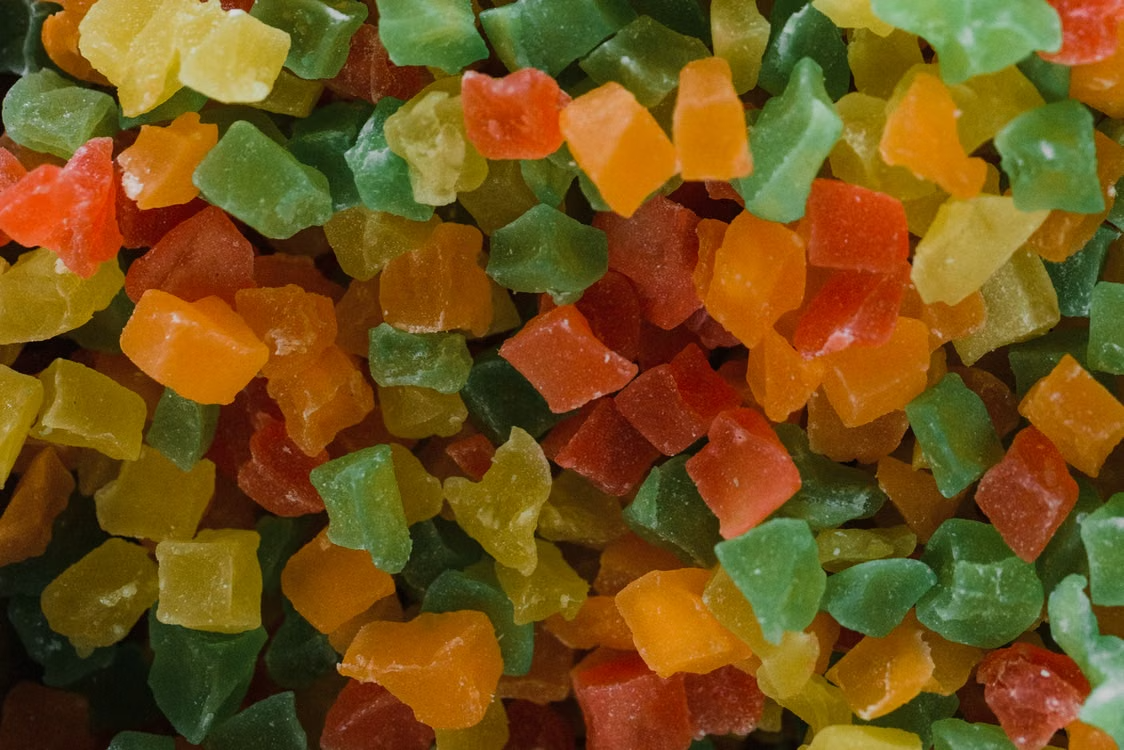
A growing share of product ideas now start on a screen. Bright colors, unexpected shapes, sour coatings, and filled centers travel well in short video, which is why they keep reappearing on shelves. That is the practical meaning of TikTok viral candy — not a single product, but a design language. The buyer's discipline is to separate traffic from repeat purchase: check whether an item has sold steadily for more than one season, and whether the format can be scaled without losing the texture that made it click.
Better-For-You and Functional Formats
Younger shoppers still want candy; they just want it to do something. Zero-sugar versions, collagen additions, and herbal sleep formulas now sit in the same aisle as fruit chews, and they are no longer a niche. What separates the credible products from the gimmicks is dosage and disclosure: a gummy that names its active ingredients and their amounts is easier to sell than one hiding behind a proprietary blend. This is the fastest-growing segment of trending candy, and also the one that needs the most scrutiny.
Sour, Texture, and a Seasonal Spike
Sour is no longer a sub-category; it is a strategy. Industry surveys point to shoppers actively hunting for sour and sweet-spicy combinations, and roughly seven in ten say texture influences what they buy almost as much as flavor. The clearest evidence arrives each autumn, when retailers stock soft, sour, and novelty gummies well beyond traditional chocolate bars — Halloween is where impulse buying is easiest to measure. Sour coatings and layered textures tend to hold their value long after the seasonal displays come down.
Why Haribo Gold Bears Still Anchor the Category
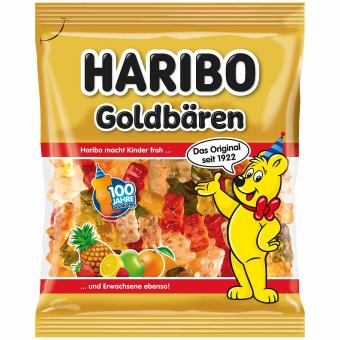
Every trend cycle needs a fixed point, and in gummy candy that point is Haribo. The Haribo Gold Bears have been made in Germany since 1922, and the company now produces around 160 million a day, sold in more than 100 countries. The recipe has barely moved: five fruit flavours — raspberry, strawberry, lemon, orange, and pineapple — with a firm, dense chew no softer rival matches. Where newer names chase novelty, Haribo competes on predictability — and that is precisely why buyers keep it as a safe anchor.
G'nite: Functional Gummies Built Around Sleep
If functional candy has a poster child, it is the bedtime gummy. G'nite takes the format in a specific direction: a fixed two-piece serving before sleep, with the benefits spelled out on the pack rather than buried in fine print. The range covers the three positions buyers ask about most — classic, sugar-free, and collagen. All three are chewy, easy to take without water, and aimed at people who dislike swallowing capsules.
G'nite Gummy
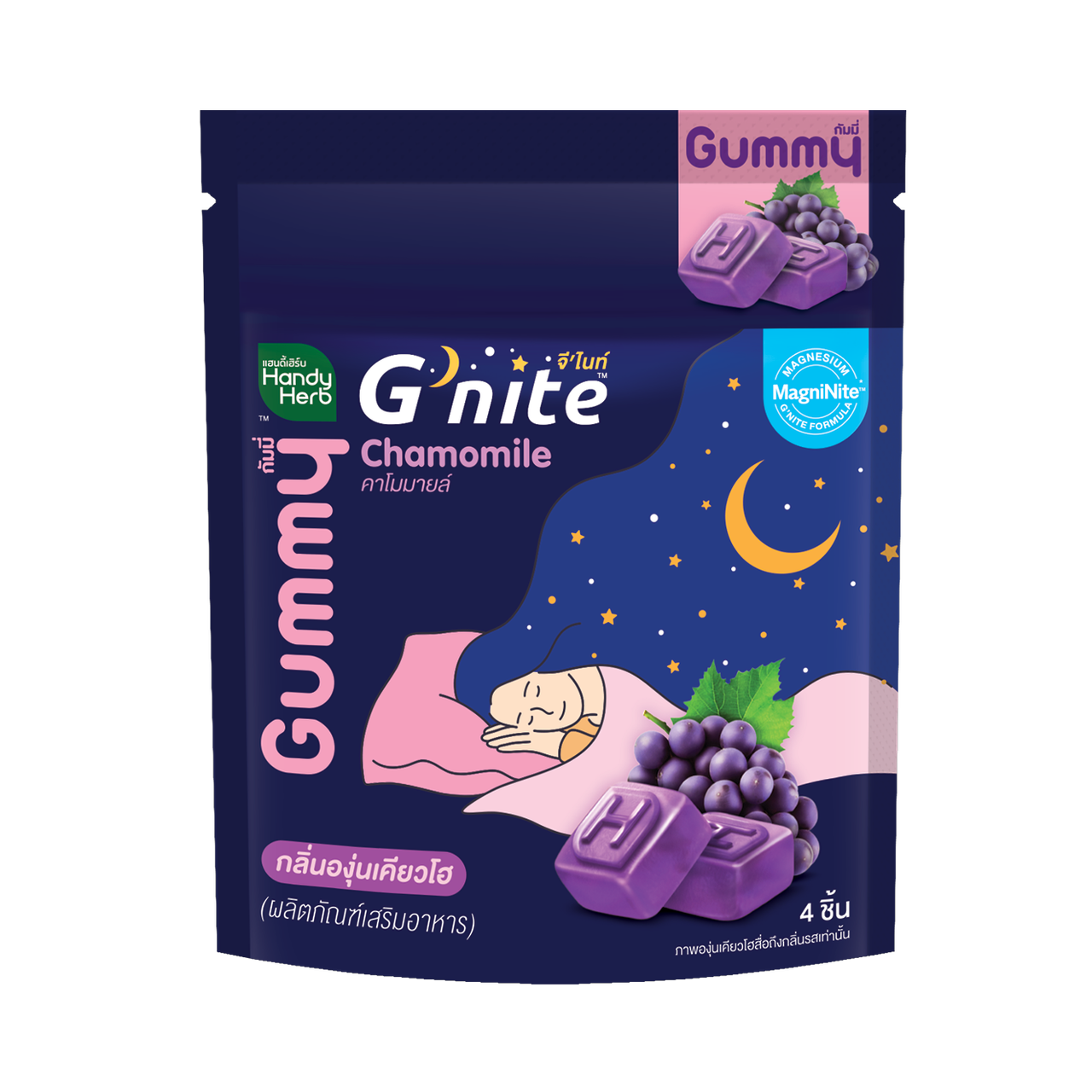
The G'nite Gummy is a grape-flavoured bedtime gummy built on plant extracts, taken two pieces before sleep. The actives are herbal rather than hormonal — reishi, chamomile, and L-theanine — so it reads as relaxation support, not a sedative. That gentler profile makes it the simplest of the three to explain to a first-time buyer, and the easiest to place next to everyday snacks rather than the pharmacy shelf.
G'nite 0% Sugar Gummy
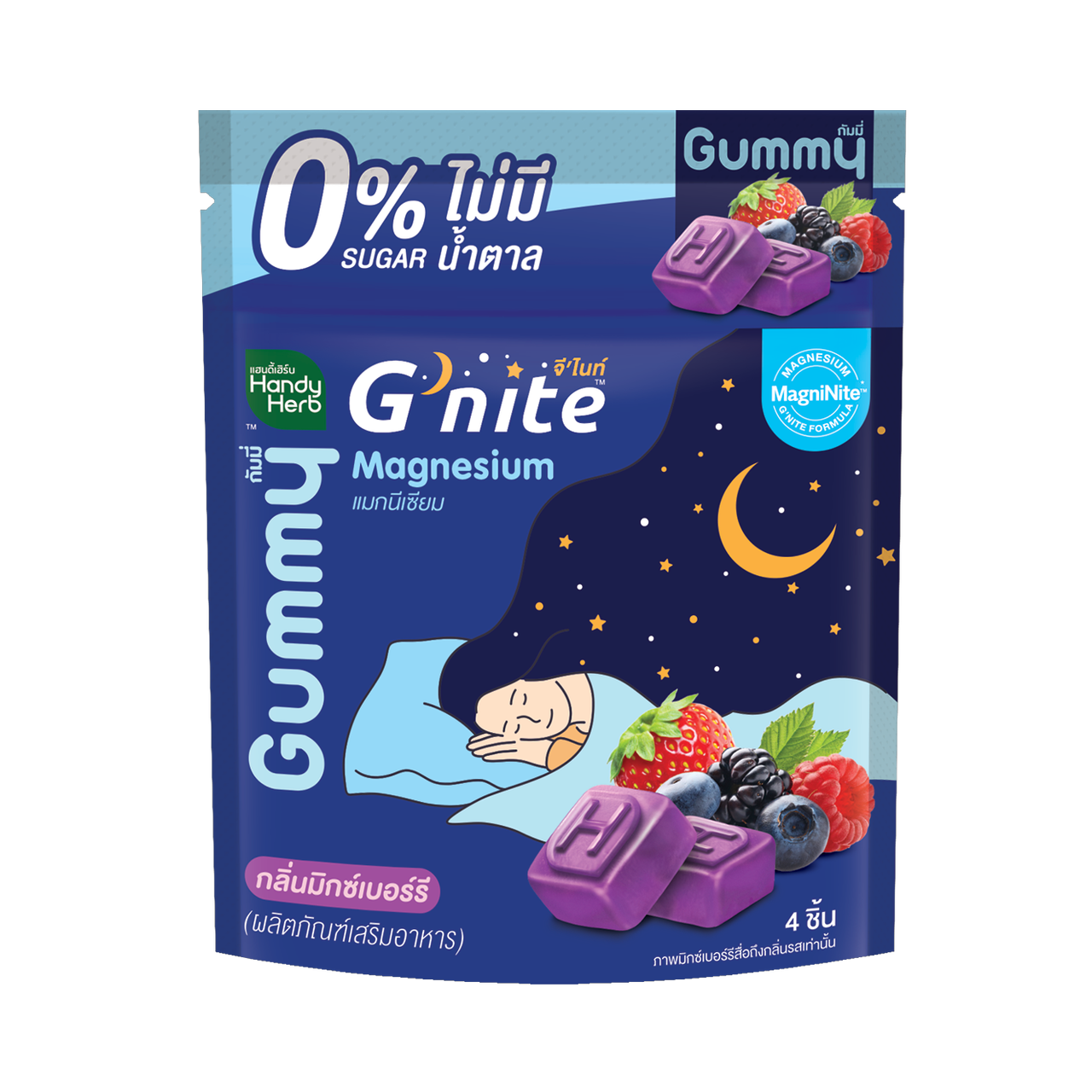
The G'nite 0% Sugar Gummy keeps the same routine — two gummies before bed — but strips out the sugar, which puts it in front of shoppers who are managing their intake without wanting to give up sweets entirely. That combination rarely exists in a bedtime product, and it is a strong opening for buyers targeting older, label-conscious customers. This sugar-free gummy is expected to be the version that earns its place in a wellness or diet section, not the candy aisle.
G'nite Multi Collagen Gummy
The G'nite Multi Collagen Gummy adds collagen to the evening formula, targeting buyers who want skin support while they sleep — the same beauty-from-within idea behind drinkable collagen shots, in a format people actually look forward to. Beyond collagen, the formula is reported to include vitamin C, zinc, and biotin, a combination aimed at skin renewal. One detail matters before ordering: its collagen is marine-derived, so it is not vegan and needs fish allergen labelling in many markets.
Mosaic: Grape-Forward Gummies with a Sour Edge
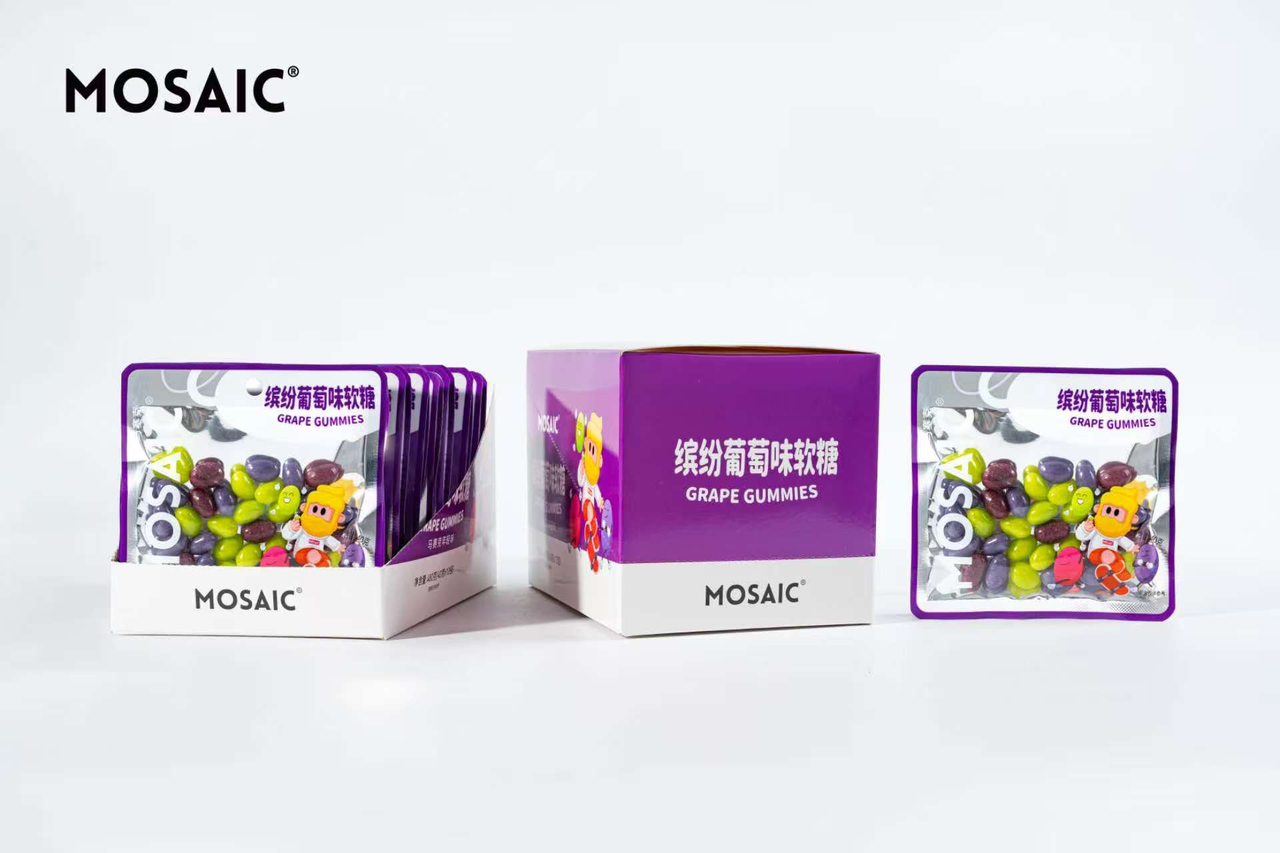
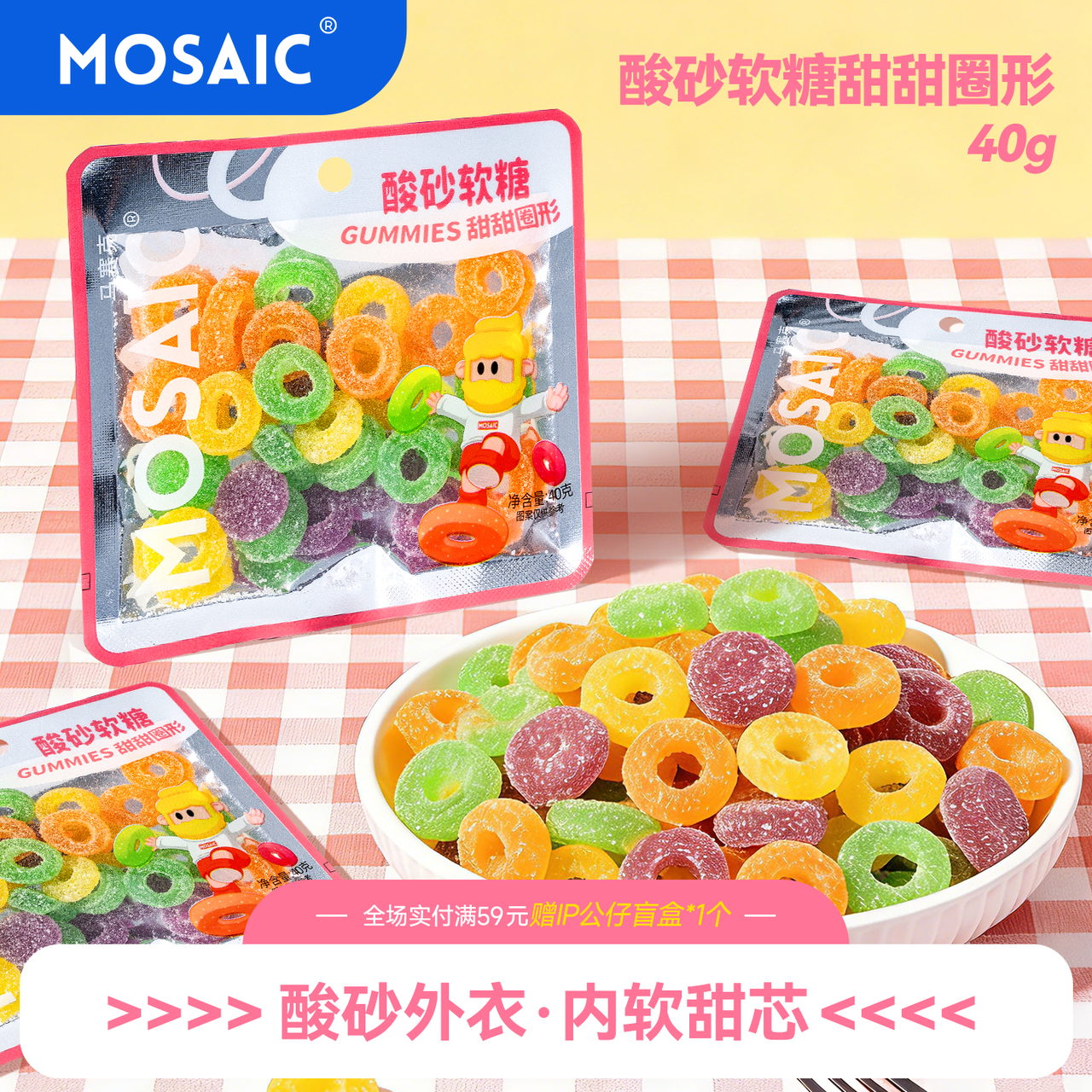
Not every trending candy comes from a heritage name. Guangdong Mosaic Food builds its share boxes around bold flavour and punchy texture rather than brand history, and the two products below show how one supplier can serve both the grape-loving mainstream and the sour-seeking crowd. Both are packed in 40g share boxes with a clean, modern look.
Mosaic Grape Gummies
The Mosaic Grape Gummies lean on three distinct grape profiles in a single pack — crisp green grape, richer purple grape, and a softer, sweeter raisin note. Each piece is chewy rather than brittle, so the fruit flavour releases gradually, and the finish stays clean instead of cloying. It is a deliberate break from generic mixed-fruit assortments: committing to one flavour family makes the pack easier to merchandise and to explain at shelf.
Mosaic Sour Gummy Candies
The Mosaic Sour Gummy Candies are the sour play: a miniature doughnut-shaped gummy coated in fine sour crystals over a coloured glaze. The bite lands sour first, then softens into something sweet and chewy as the coating gives way — exactly the layered hit sour shoppers chase. For buyers, the doughnut shape is a merchandising win: it photographs well, reads instantly as a novelty, and stands out against the usual bears and worms.
What Buyers Should Check Before They Commit
A trendy product only earns its keep once it clears customs and sits on a shelf. Before you commit to a functional or novelty line, sort out four things — they tend to surface after shipping.
- Shelf life and storage: Check the labelled shelf life against your real route, not the ideal one. Functional gummies dislike heat and light — several ask for storage under 30°C, so make sure your warehouse holds that in summer.
- Gelatin versus pectin: Ask what sets the chew. Gelatin and pectin work the same on a shelf, but pectin opens vegan and some religious markets that gelatin closes off. If those channels matter, find out before you print.
- Claims and labelling: A sleep or collagen claim is a promise, and markets police it differently. Confirm the wording is allowed where you sell and that amounts appear on the label.
- Private label terms: Putting your own name on the box? Settle who owns the print plates, the minimum order, and how often you can change the design. Get those wrong and a cheap trial order gets expensive.
Conclusion
In 2026, the candy shelf is less about one winning brand than about two durable directions: functional gummies that make a clear promise, and flavour-led products that are built to be noticed and reordered. Haribo still gives the category a dependable anchor, but the growth is in lines such as G'nite's sleep, sugar-free and collagen gummies, and Mosaic's grape and sour formats. For buyers, the trend itself is only the opening. Shelf life, gelling agent, claim wording and private-label terms decide whether a product can actually earn repeat orders. That is why SIAL China matters: it lets buyers compare the product and the paperwork in the same place.
FAQs
1. How can a buyer tell whether a viral candy is a long-term seller or a short-lived trend?
Look for evidence of a second season. A product that survived one wave of attention and still reorders is usually past the novelty phase. Check whether the maker can hold texture and flavour at volume, whether the format has a permanent shelf home, and whether repeat customers exist outside the original social audience. Traffic is easy to buy; repeat purchase is not.
2. What extra steps apply when importing functional gummies with sleep or collagen claims?
Functional claims face stricter review than ordinary confectionery. Confirm the permitted wording in your market before printing anything, check whether the actives require dosage disclosure, and verify allergen labelling for ingredients such as marine collagen. Some markets also require a separate registration for products positioned as supplements rather than food, which changes your timeline and your distributor.
3. Do sugar-free and regular gummies differ in shelf life and logistics?
They can. Sugar-free recipes often rely on polyols or fibre, which behave differently from sucrose under heat and humidity, and some soften faster in transit. Regular sugar gummies are usually more forgiving. Either way, confirm the labelled storage range, ask for shipping data from comparable markets, and check the remaining shelf life on arrival rather than at dispatch.
4. For a retail assortment, how should chocolate and gummies be balanced?
Treat them as complementary rather than competing. Chocolate still drives baseline volume and gift purchases, while gummies win on shareability, colour, and price points that suit smaller basket sizes. A practical split keeps a chocolate anchor for tradition and adds a sour or functional gummy for younger shoppers — and both benefit from being placed where impulse buying happens.
5. What makes functional gummies the fastest-growing candy segment in 2026?
Functional gummies benefit from a broader consumer shift toward "snack-as-self-care." Unlike traditional supplements in pill or powder form, gummies deliver wellness benefits in a familiar, enjoyable format that lowers the barrier to daily use. This positioning attracts not only health-conscious adults but also younger consumers entering the wellness market for the first time, expanding the total addressable audience well beyond the traditional supplement buyer.
6. What should retailers look for when sourcing functional gummies from Thai manufacturers?
Retailers should verify that functional ingredients—such as collagen, melatonin alternatives, or herbal extracts—comply with the regulatory framework of the target market, as definitions of "dietary supplement" versus "confectionery" vary significantly between regions. They should also assess the manufacturer's certifications (HACCP, GMP, Halal), minimum order quantities, and the stability of functional compounds during shelf life, since active ingredients can degrade over time if not properly formulated.
7. Are sugar-free gummies a passing trend or a long-term shift in the candy industry?
Sugar-free gummies reflect a structural, long-term shift driven by government sugar taxes, parental purchasing preferences, and the global rise of diabetes and obesity awareness. Unlike fad diets that fade, sugar reduction is being embedded into public health policy across multiple markets. Manufacturers that invest in palatable sugar-free formulations using next-generation sweeteners are building capabilities that will remain relevant for decades, not just seasons.