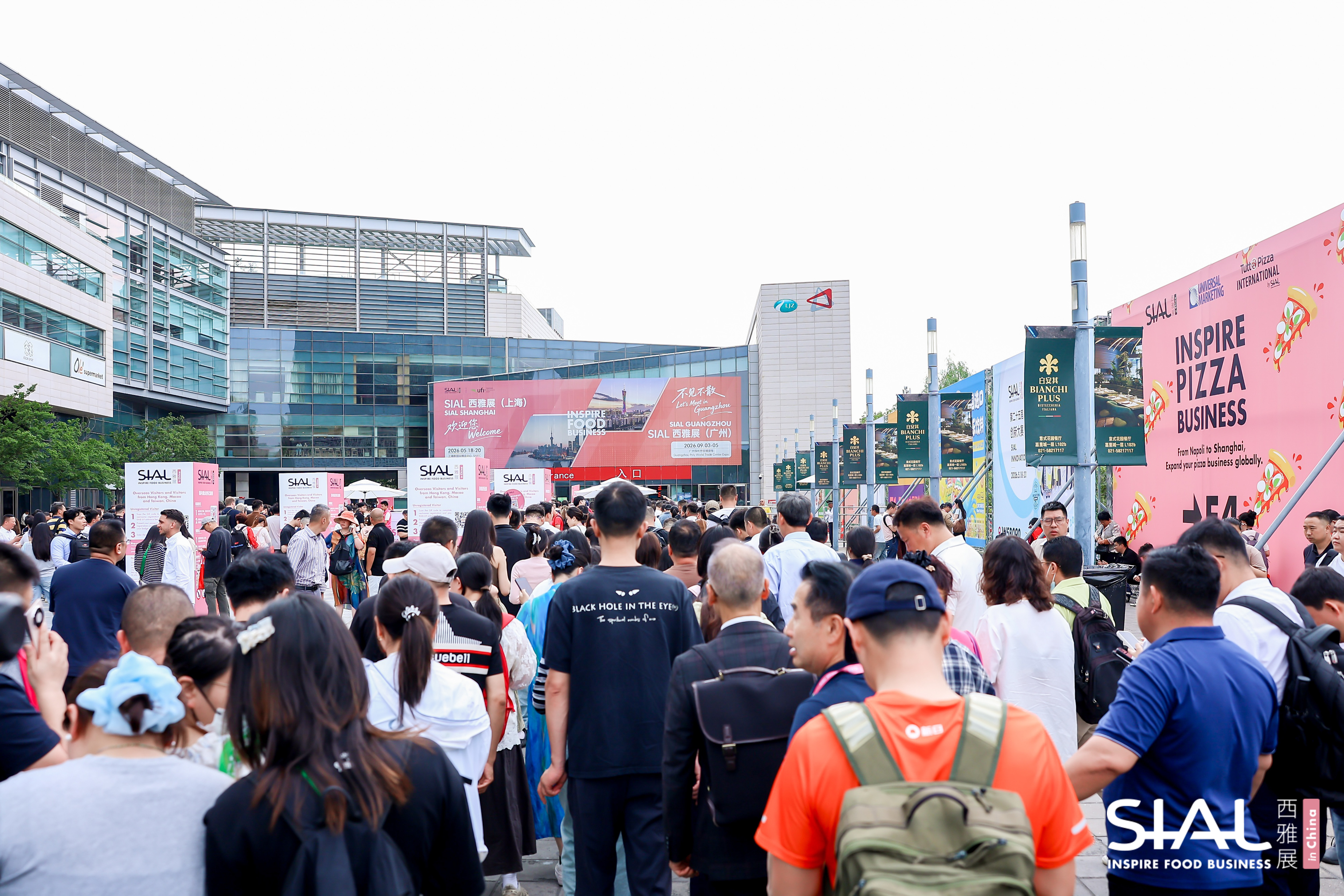
The iced tea shelf is no longer a single decision. What used to be a straightforward choice—carry a recognizable brand, stock deep, promote on price—is splitting into two purchase paths. At SIAL in China, Fruit Iced Tea and Cold Brew Iced Tea sat side by side as two distinct directions for supermarket buyers, each with a different logic for shelf space, margin, and shopper mission. The global iced tea market was valued at USD 58.87 billion in 2025 and is projected to reach USD 76.25 billion by 2031, with growth increasingly driven by health positioning and convenience rather than volume alone. For buyers assessing bulk iced tea today, the question is not whether to stock the category, but which product types deserve which shelf.
The Shifting Shelf Logic Behind Bulk Iced Tea
Define the retail role before comparing products
Iced tea has historically been managed as a volume category: wide distribution, aggressive price architecture, and rotation driven by familiarity rather than novelty. That logic still works for a portion of the shelf. But on the evidence of the show floor, the category is now diverging. One path remains volume-led—stable, recognizable, multi-pack formats designed for everyday replenishment. The other is differentiation-led, where flavor architecture, ingredient integrity, and convenience format determine whether a SKU earns its place. This is why, in this framing, bulk iced tea sourcing has become a structural question rather than a pricing exercise: the same shelf can hold products that compete on completely different terms.
What to watch before adding SKUs
When evaluating new iced tea SKUs, procurement teams can usually prioritize verifying three screening questions rather than starting with brand count.
First, flavor architecture: whether the product has a discernible progression from first sip to finish, rather than a flat sweetness profile. Second, process and convenience: whether the format reduces friction for the shopper—shorter preparation, cleaner labels, or simpler storage. Third, channel fit: whether the product’s storage requirements and price point align with the store’s existing infrastructure and shopper base.
Brand count is not unimportant, but within this screen it works better as a measure of assortment breadth than as a substitute for product logic; the weight given to each dimension should depend on store traffic, cold-chain capacity, and price band.
When reviewing iced tea wholesalers, MOQ discounts remain relevant to landed cost, but on their own they say less about long-term sell-through than these product- and channel-level variables. A wholesaler that can help buyers map SKUs to these variables—rather than simply filling a container—is likely to be a more useful partner for assortment planning, particularly where shelf space, chiller capacity, and rotation targets are constrained.

Fruit Iced Tea: Flavor Architecture as a Differentiation Lever
From “fruit-flavored” to “fruit-and-tea” positioning
The first generation of fruit iced tea sold fruit as sweetness. The current generation sells fruit as a counterpart to tea. Brands are moving toward real juice and whole-leaf extraction, positioning fruit and tea as co-equal components rather than flavor and base. For supermarket buyers, this shift changes the shelf role of Fruit Iced Tea. It is no longer only a summer rotation SKU. It has the profile of a category upgrade—a product built to offer shoppers a reason to trade up from conventional sweetened tea without abandoning the familiar fruit profile. The differentiation is not in the number of flavors offered, but in whether the tea base can carry the fruit without collapsing into syrup.
How flavor architecture affects repurchase and shelf rotation
Whether flavor complexity translates into repurchase is hard to verify in advance, but it gives buyers one testable question: does the product have a clear beginning, middle, and end, or does it read as uniformly sweet? In fruit iced tea, that architecture depends on whether the tea base remains visible through the juice. If the fruit overwhelms the tea, the product competes on sweetness alone—a crowded and price-sensitive space. If the tea holds its structure, that is what would justify a higher price point and a more durable shelf presence. When screening iced tea brands for the fruit segment, buyers can ask not how many flavors a line contains, but whether each SKU demonstrates a deliberate relationship between fruit and tea.
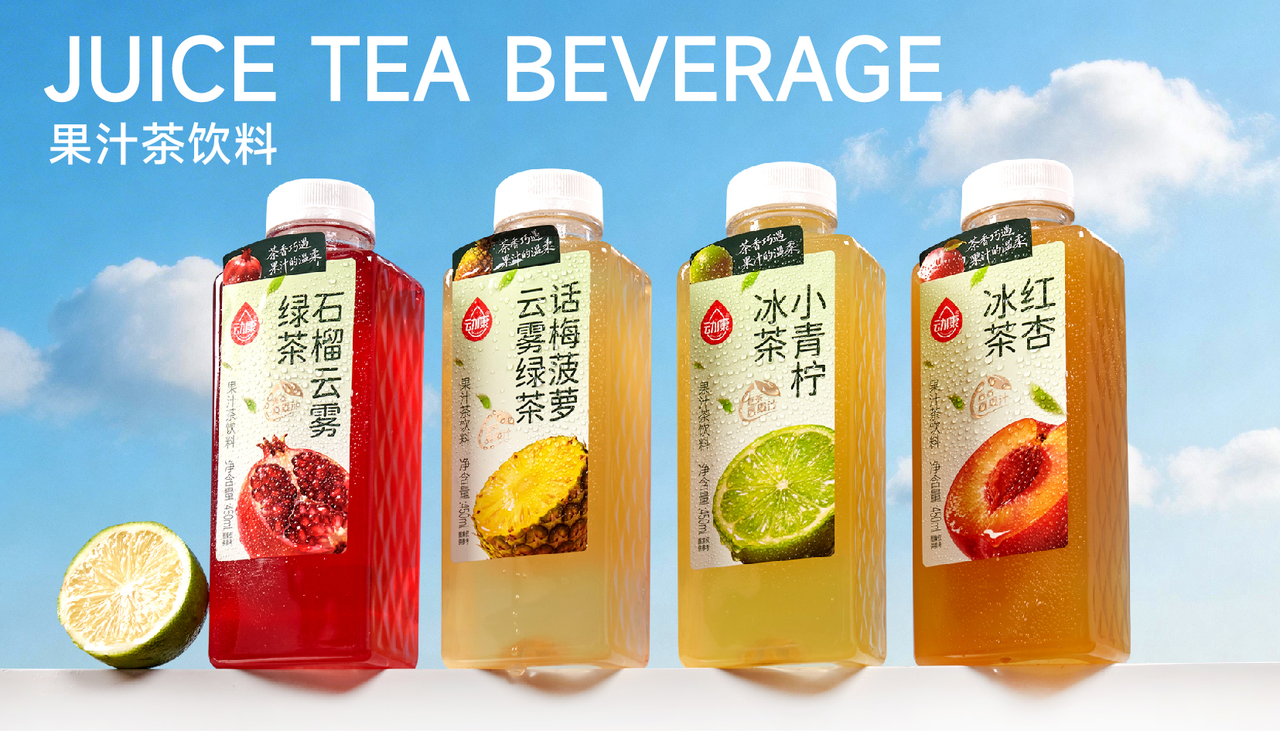
At SIAL in China, two fruit-forward products illustrated this distinction. According to the exhibitor, Dongkang 450 Cloud Series Fruit Tea builds on real fruit juice and whole-leaf tea, with tea fragrance and juice sweetness positioned as a single integrated experience rather than layered flavors; the exhibitor presents the zero-fat, light-bodied profile as a cleaner finish than conventional fruit teas. Glutinous Rice Lemon Tea takes a different route: described by the exhibitor, it uses a high-aroma glutinous rice green tea as the base and pairs it with thick-skinned lemon, creating a progression from citrus aroma to tea body to a lingering glutinous-rice note. For buyers, the question it raises is not about the specific flavor combination but whether the tea base itself can be the differentiation—a signal that fruit iced tea does not have to compete only on fruit intensity.
Cold Brew Iced Tea: Convenience and Process as Purchase Criteria
Why cold brew changes the buyer’s calculus
Cold brew’s significance for the shelf is not the brewing method as a marketing term. It is the convenience threshold it resets. Traditional cold brew requires hours of steeping; newer formats compress preparation to minutes while holding to clean-label positions such as zero sugar, zero calories, and no added flavors. That changes the usage occasion. Cold brew iced tea moves beyond the planned consumption moment into everyday, low-ritual occasions—office, home, post-exercise—where the format's pitch is tea without the lengthy steeping, special equipment, or advance planning associated with traditional tea preparation. The intended commercial effect is not only a wider occasion set but a higher frequency of use per purchase. This is why cold brew formats are beginning to appear within bulk iced tea assortments as a convenience-led sub-segment rather than a niche premium experiment.

Supply-chain and shelf-life considerations buyers cannot ignore
The convenience advantage of cold brew comes with a supply-chain decision. Even low-friction cold brew formats differ in storage profile, shelf life, and replenishment logic, so the relevant question is not simply whether a SKU is convenient, but whether its handling requirements fit the store’s actual infrastructure. The trade-off is straightforward: formats that require cold-chain handling can support premium pricing and a more defensible point of difference, but they also demand infrastructure and operational discipline that not every store can maintain. The role of iced tea wholesalers is shifting accordingly—from simply supplying cases to helping retail buyers match SKU storage profiles to their actual cold-chain capacity and shopper traffic.
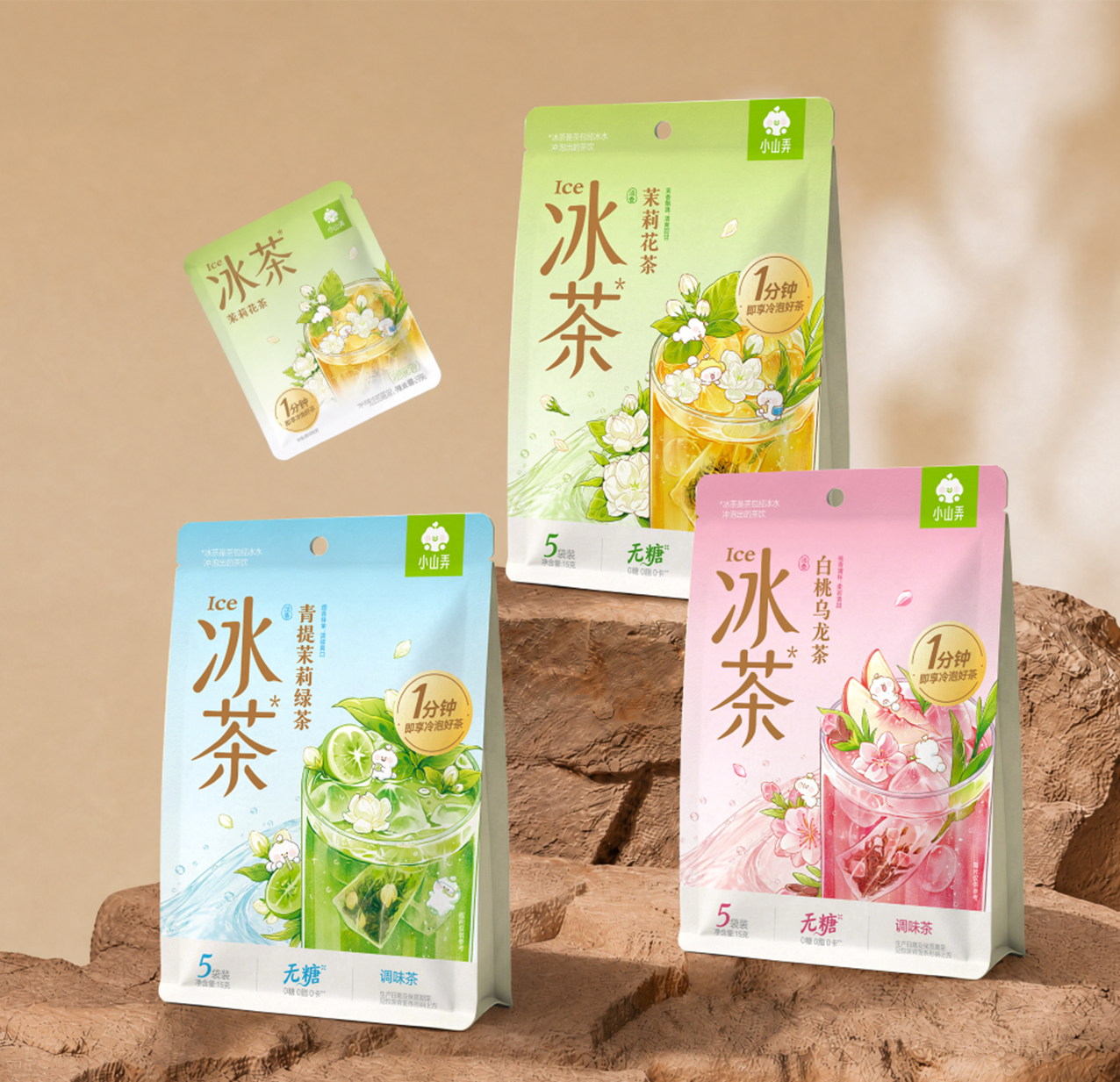
The XiaoShanLong iced tea line at SIAL in China is described by the exhibitor as an easy-to-prepare option: tea that brews in one minute from a sachet, with zero sugar, zero calories, and no added flavors. Its relevance to buyers is the barrier it removes. It turns cold brew from a prepared beverage into a portable, equipment-free option suited to convenience stores and smaller-format supermarkets without refrigerated backroom capacity. For buyers testing cold brew for the first time, this type of format offers a less infrastructure-dependent entry point than chilled HPP products while still carrying the clean-label and convenience cues that define the segment.
Matching Iced Tea Formats to Shelf Strategy
The two directions do not require an either-or decision. They perform different functions on the shelf, and the buyer’s task is to allocate space according to shopper mission rather than category convention.
- Volume shelf (rotation-first). Prioritize shelf-stable, familiar-profile bulk iced tea products in multi-pack and value formats. The competitive variables here are turnover, price-per-unit, and replenishment reliability. Flavor complexity is secondary; consistency and availability drive the decision.
- Differentiation shelf (discovery-first). Fruit Iced Tea and Cold Brew Iced Tea occupy this space for different reasons. Fruit iced tea targets a trade-up demand for tea-forward fruit flavor; cold brew targets a convenience and clean-label demand. Buyers should set the ratio between the two according to store demographics rather than treating them as interchangeable premium bets.
- Evaluate iced tea wholesalers on assortment capability, not just price. A supplier that can offer both shelf-stable and chilled formats, and that understands the difference in rotation speed and storage requirements between them, reduces the operational risk of a mixed shelf. The question to ask is not “what is your best price on a pallet,” but “how do these SKUs perform in a store with our traffic and chiller capacity.”
- Screen iced tea brands for verifiable product logic. For fruit lines, verify the juice-to-tea relationship and whether the tea base survives the fruit. For cold brew lines, verify the process claim against the actual shelf-life and storage requirement. A brand that can articulate its product logic clearly is easier to merchandise and easier to defend against copycat competition.
A More Selective Approach to Bulk Iced Tea
In this framing, the iced tea shelf is not becoming more crowded with interchangeable products. It is becoming more segmented by product type, process, and shopper mission. SIAL in China made that visible: Fruit Iced Tea and Cold Brew Iced Tea were not competing for the same purchase occasion, but for the same buyer’s limited shelf space and attention. The implication for procurement is straightforward. Rather than expanding bulk iced tea assortments by adding more flavors from the same brand, buyers can allocate space across the two directions and use small-scale SKU tests to validate which logic fits their store.
The brands best placed for the next cycle are those that can explain—clearly and verifiably—why their product belongs on a specific shelf, not simply that it exists. And the wholesalers most likely to add value are ones who can help map that logic to the retailer’s actual cold-chain, traffic, and margin realities.
FAQs
1. Does HPP cold brew justify its cost premium for a supermarket buyer?
HPP generally extends refrigerated shelf life to 45–90 days without preservatives, which makes chilled cold brew viable on a supermarket shelf rather than a same-day product. The premium is defensible only where the store can maintain cold-chain discipline and the shopper base supports a higher price point; otherwise, shelf-stable cold brew formats are likely to deliver better rotation economics.
2. Where does private label fit into a bulk iced tea assortment?
Private-label penetration is accelerating in the mainstream iced tea segment, with retail programs positioned to match national-brand quality at 20–30% lower price points. Buyers can use private label to defend the volume shelf while reserving branded differentiation-led SKUs for the premium tier, rather than letting both compete for the same shopper.
3. How do cold brew tea bags and ready-to-drink cold brew differ in shelf logic?
Cold brew tea bags are portable, allow custom strength, and carry low transport costs, making them suited to office and outdoor occasions. RTD cold brew, by contrast, depends on chiller space and impulse placement. They are complementary, not substitutes: the bag format extends usage occasions, while the RTD format captures immediate consumption.
4. How should a supermarket buyer split shelf space between Fruit Iced Tea and Cold Brew Iced Tea?
Allocate by shopper mission, not category convention. Reserve differentiation space for fruit iced tea where trade-up demand exists, and for cold brew where convenience and clean-label demand is strong. Set the ratio using local store demographics, then adjust through small SKU tests rather than treating both as interchangeable premium bets.
5. How should buyers run small-scale SKU tests for new bulk iced tea products?
Select a limited set of SKUs that represent each shelf logic, then place them according to shopper mission rather than brand count. Track sell-through, repurchase, and handling requirements over a defined period. Compare results against store traffic and chiller capacity, and expand only formats that prove sustainable rotation and margin.