Coffee procurement in 2027 is less about which logo carries the most recognition and more about which format survives the daily grind of a commercial operation. A café with a three-group espresso machine and a convenience store with a single hot-water dispenser do not need the same product, even if both serve coffee. The gap between a good cup and a workable cup is where buying decisions are actually made. SIAL Shanghai has become the most efficient place to close that gap, because it puts formats—not just brands—side by side for buyers to test.

Why "Format Fit" Matters More Than Brand Name in 2027 Coffee Procurement
For cafés and restaurants, the first question is not whether a coffee brand is famous. It is whether the product produces a consistent cup across shifts, whether it slows down service, and whether it fits an existing menu without reworking the bar layout. Operational consistency and menu compatibility outrank reputation. A brand that looks strong on a shelf but demands extra labor or equipment is a liability in a 90-second service window.
For coffee distributors and coffee wholesale buyers, the evaluation shifts again. Turnover velocity, margin structure, and channel coverage determine whether a SKU earns its place in a portfolio. Specialty coffee logic—traceability, roast consistency, long-term supplier relationships—still applies in B2B, but the weighting changes: a verifiable origin story matters only if the product also moves predictably through the channels it is placed in. Format fit is the filter that connects both sides of the transaction.
Drip Coffee: Zero-Equipment Output for Cafés and Foodservice
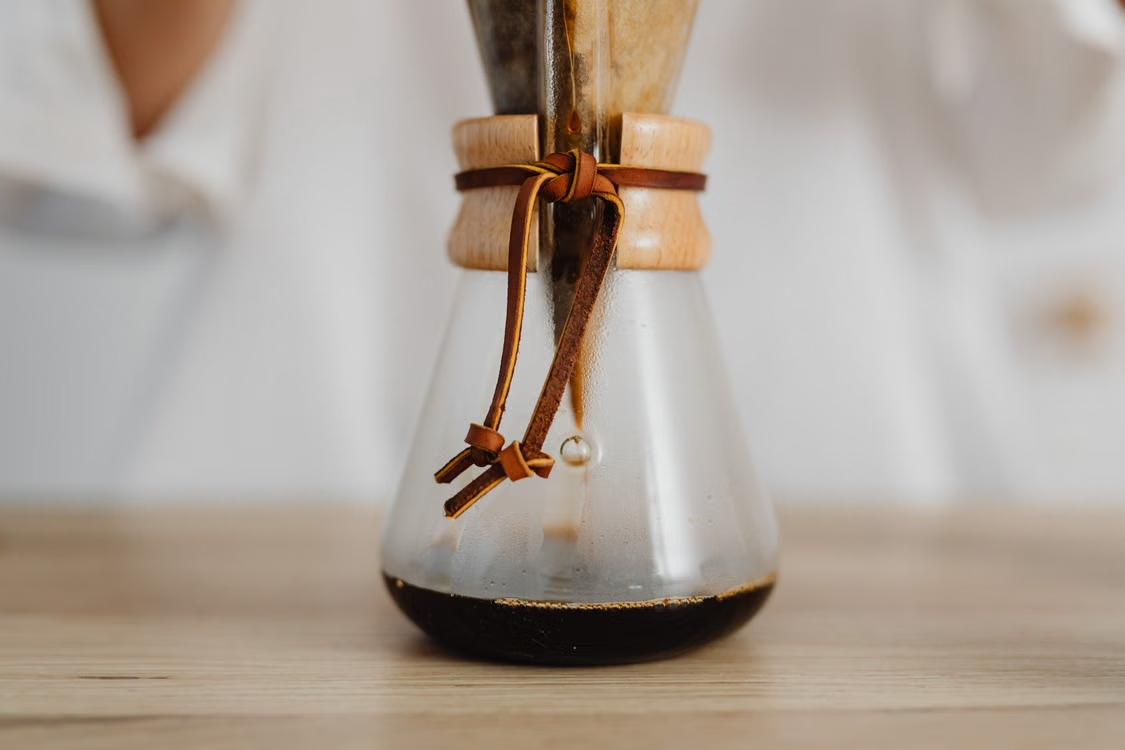
Drip coffee—whether as drip bags or single-serve pour-over filters—carries a commercial advantage that is easy to underestimate: it delivers a black cup close to freshly ground quality without an espresso machine, without barista training, and without re-plumbing the counter. For coffee for restaurants and smaller coffee for cafes, this is not a compromise format. It is a low-friction addition that can be priced into a set menu, offered as a retail add-on, or used to test coffee service before committing capital to equipment.
Where Drip Fits in the Menu and the Channel
The strongest drip placements sit in environments where consistency under volume matters more than theater. Hotel breakfast stations, bakery counters, office pantry programs, and quick-service restaurants can all run drip bags with predictable extraction and minimal waste. Distributors should treat drip as a coffee wholesale line that covers accounts too small or too operationally thin for whole-bean espresso programs, opening doors to coffee for restaurants that would otherwise default to soluble.
A Case for Premium Drip in the Portfolio
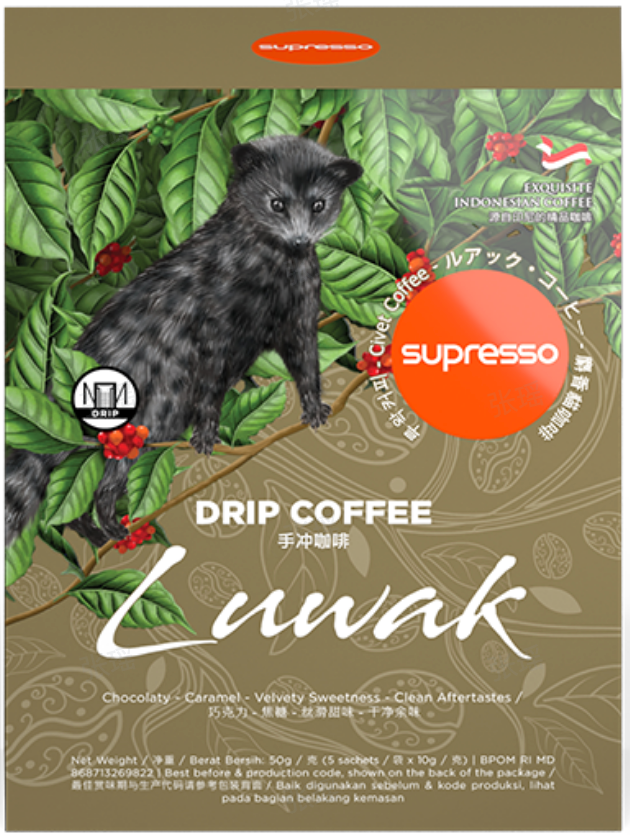
Supresso Luwak Prestige Drip Coffee, exhibited at SIAL, shows how a premium origin can travel through a zero-equipment format. Supresso The Collection Luwak Prestige Arabica is crafted from pure wild civet coffee, ethically sourced from the rainforests of Indonesia. This premium coffee offers a unique and refined flavor profile, making it a true luxury in every cup. It is available in three formats to suit different preferences: roasted beans, drip coffee, and coffee capsules. For a coffee supplier serving gift retail, hospitality, or premium pantry accounts, the multi-format logic is useful: one origin narrative supports several SKUs without forcing every buyer into the same brewing method.
Whole Bean Coffee: The Core Asset That Rewards Verifiable Differentiation
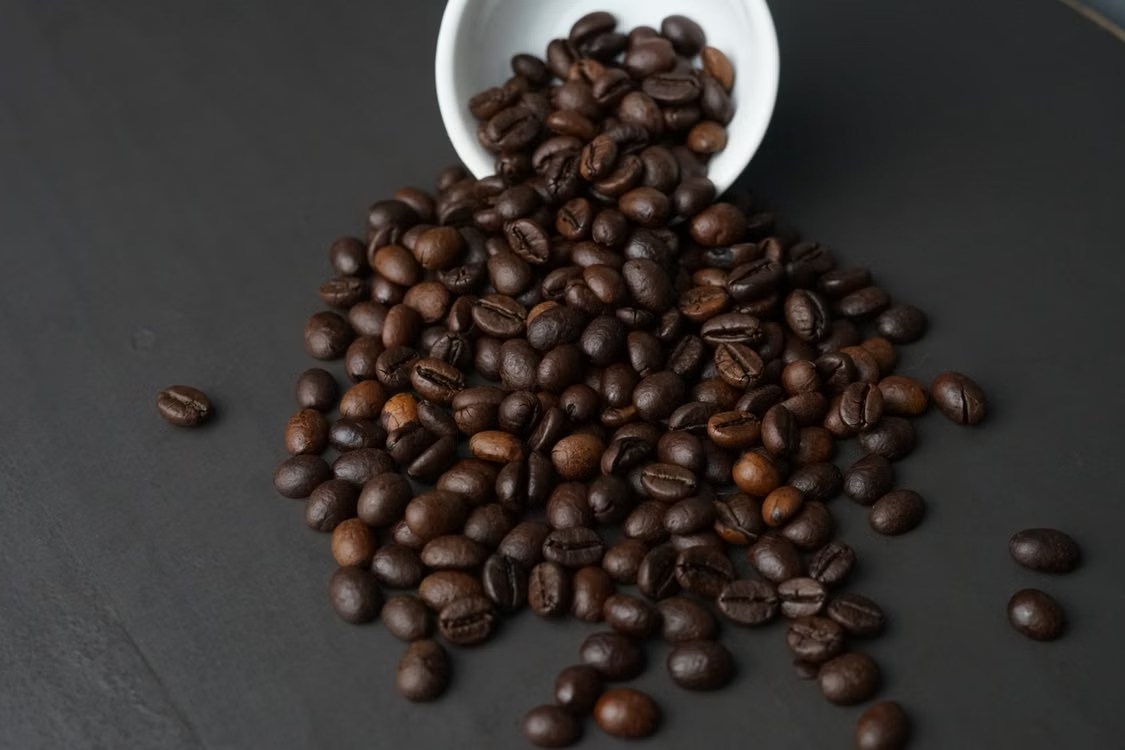
Whole bean is the category where coffee for cafes is won or lost. It is also the hardest category for coffee distributors to differentiate, because almost every portfolio has beans. The meaningful distinction is not "has beans" versus "does not have beans." It is whether the origin story can be verified, whether the roast can be reproduced batch after batch, and whether the supply relationship can hold across a contract cycle. Buyers who evaluate coffee brands on packaging alone tend to discover these gaps after the first reorder.
Traceability as a Procurement Criterion
Origin claims are cheap to print. Verifiable altitude, farm-level sourcing, and controlled growing conditions are not. A coffee supplier that can document where the bean comes from and how the green coffee was handled reduces the risk of lot-to-lot drift—the problem that quietly erodes café consistency and forces menu recalibration.
Roast Consistency: The Reproducibility Test
Even a traceable bean fails in a café if the roast cannot be repeated. Equipment choice and roast-team discipline are leading indicators of whether a whole-bean SKU will perform the same way six months into a wholesale agreement. Distributors evaluating coffee wholesale programs should ask how the roaster controls roast curves across batch sizes, not simply which roast profile is on the spec sheet.
A Case for Controlled Origin and Roasting
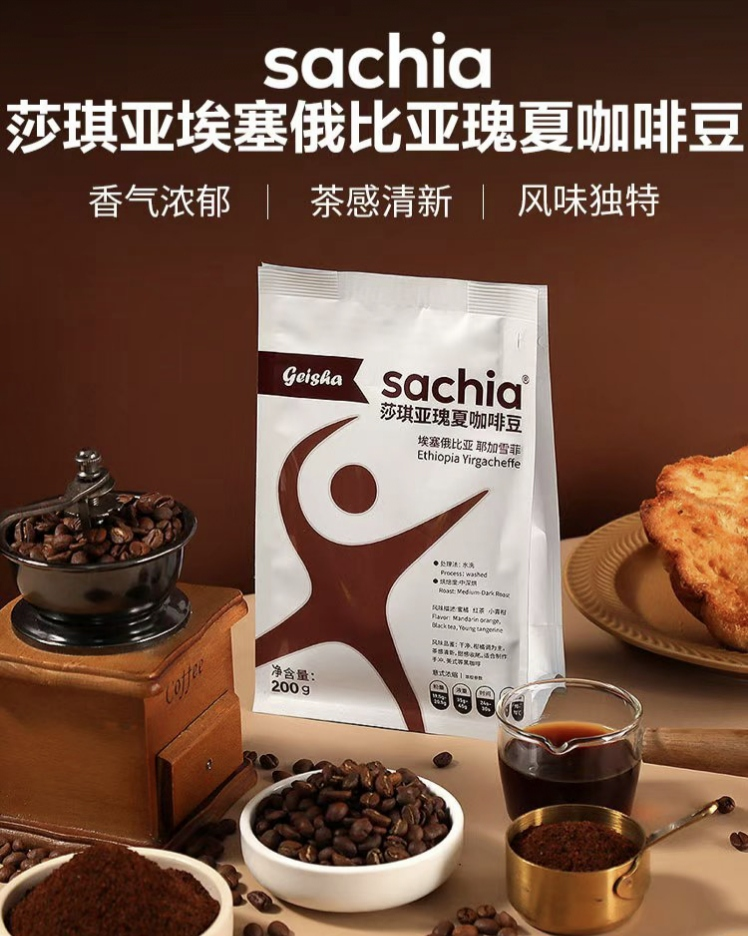
Sachia Geisha Coffee Beans, shown at SIAL in China, illustrates both criteria in one SKU. Sachia Geisha Coffee Beans is from Ethiopia's Yigacheffe region at 2000 meters above sea level. Utilizing cutting-edge computer-controlled greenhouse technology, it ensures uniform growth and superior quality of the beans. An expert roasting team, equipped with American Loring S35 and Italian IMF RM60 roasters, guarantees even and stable roasting, bringing out the beans' natural flavors. For cafes building a single-origin rotation, and for coffee distributors seeking a differentiated bean with a defensible story, this is the type of whole-bean product that earns repeat placement rather than one-off curiosity.
Instant Coffee: The Widest-Reach SKU in the Distributor Portfolio
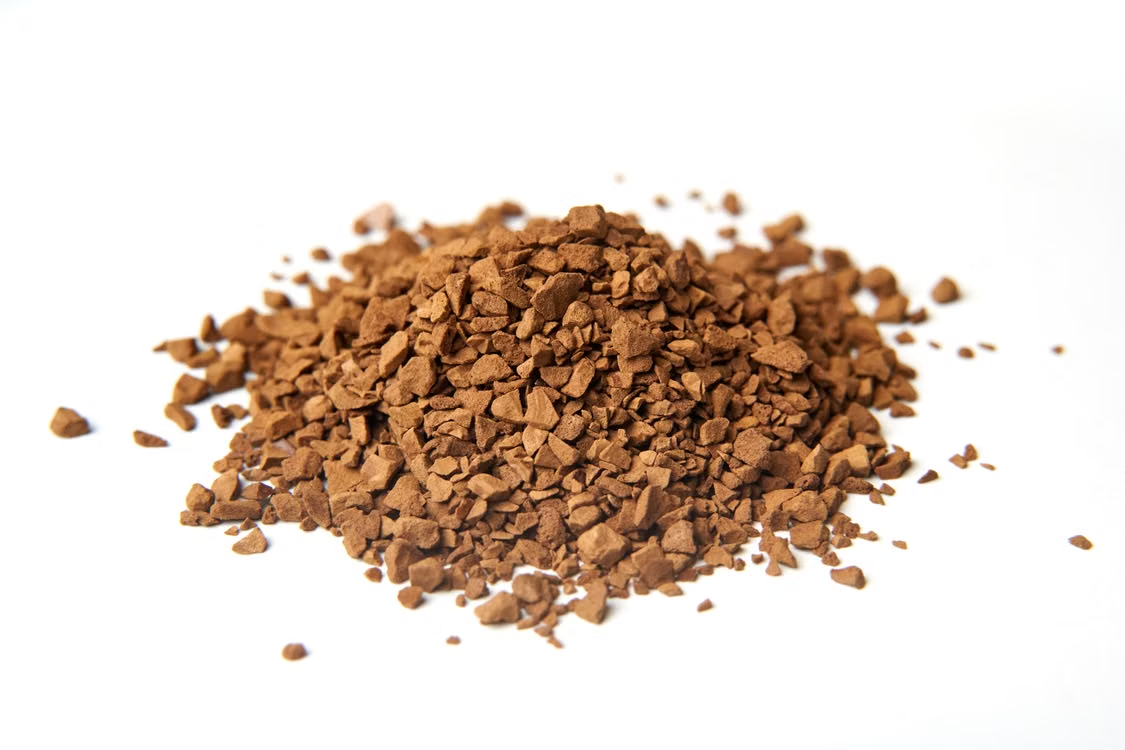
Instant coffee is the category that coffee distributors and wholesale buyers cannot afford to treat as an afterthought. It has the broadest channel coverage and the fastest turnover of any coffee format, reaching convenience stores, vending, office supply, budget foodservice, and emergency-stock accounts that whole bean and drip rarely touch. The procurement question is not whether to carry instant coffee. It is which instant product matches the channel you are trying to serve.
Matching Solubility and Packaging to the Channel
A freeze-dried instant behaves differently from a spray-dried powder in hot and cold applications, and packaging format—jar, stick, sachet, or bulk—determines which accounts can stock it without additional handling. Coffee wholesale buyers should map pack size to shelf space and preparation method before comparing price per kilogram, because the cheapest instant per kilo is often the wrong instant for the channel.
Why Established Blends Reduce Procurement Risk
Instant coffee is a consistency product. A recognizable flavor profile that regular customers expect reduces the risk of channel rejection and simplifies distributor sell-in. A coffee supplier with a long-running blend signals reproducibility, which matters more in instant than in almost any other coffee format.
A Case for a Proven Instant Blend
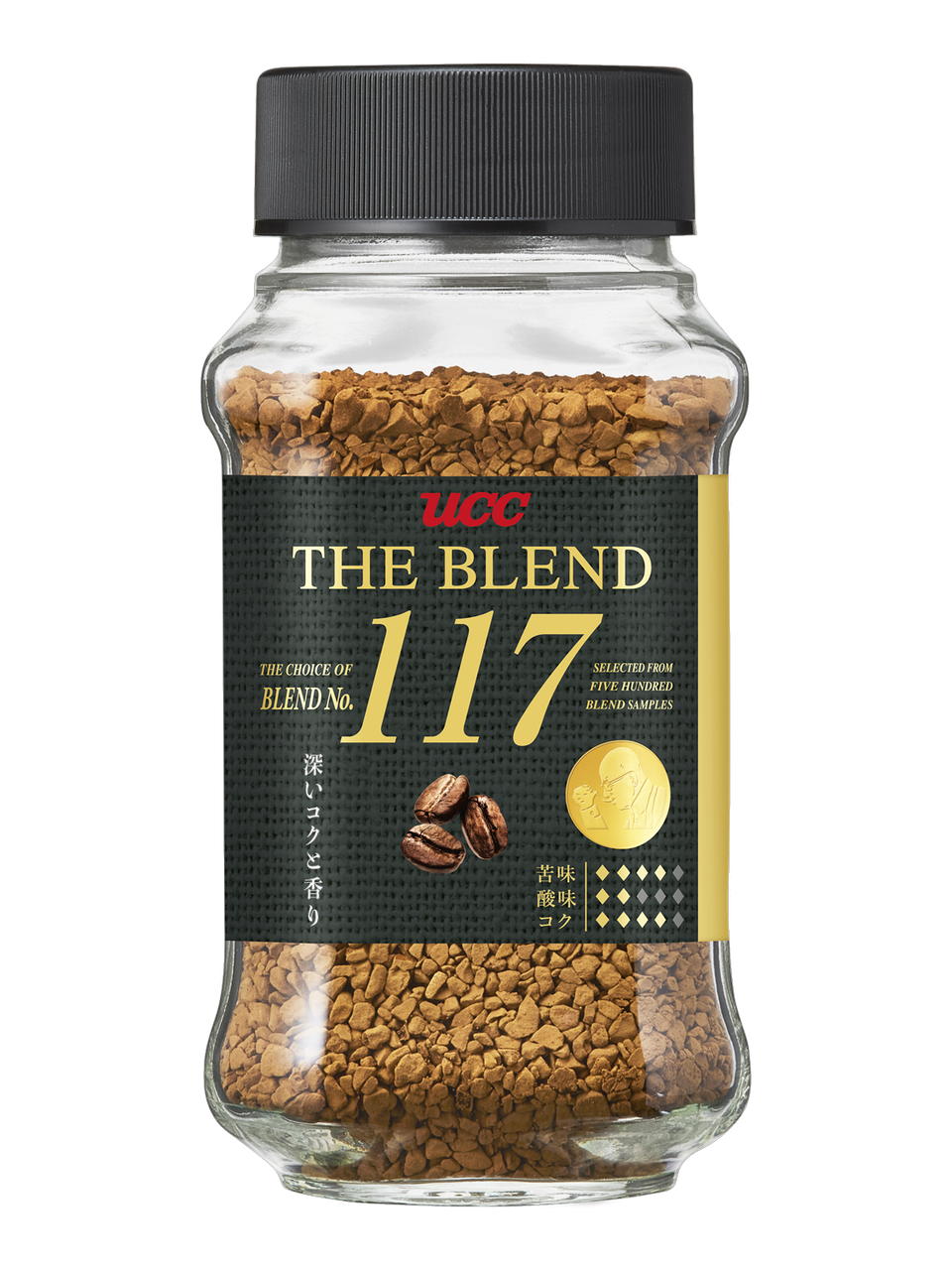
UCC 117, featured at SIAL in China, fits this logic. UCC Classic 117 freeze-dried instant coffee has been relaunched in new packaging, with UCC coffee graders selecting the blend from 500 recipe options to deliver its signature rich, full-bodied flavor. For coffee distributors serving convenience, vending, or office channels, a freeze-dried instant with an established blend and refreshed packaging offers a low-explanation, high-recognition SKU—the kind that supports coffee wholesale volume without demanding barista-level support.
SIAL Shanghai 2027: Where Format Decisions Get Tested
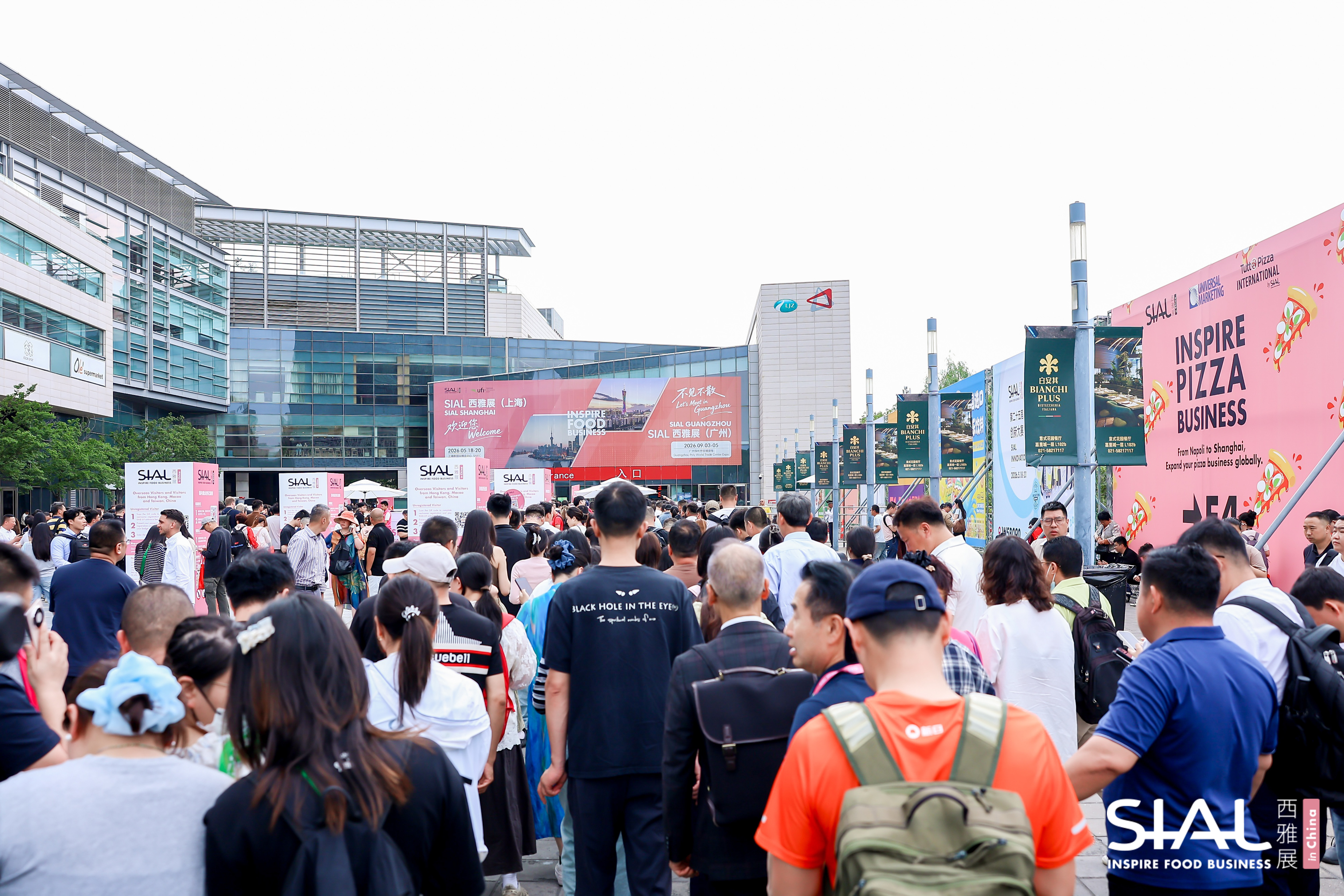
SIAL Shanghai 2027 runs from 18 to 20 May at the Shanghai New International Expo Centre, with an expected 200,000 square metres of exhibition space, over 5,000 exhibitors, and 180,000 professional visitors. For coffee brands, coffee distributors, and wholesale buyers, the value is not simply the number of suppliers under one roof. It is the chance to compare formats in the same visit, with the same buying brief in hand.
What to Look For at SIAL Shanghai 2027
The E2 hall is the most efficient starting point for coffee and beverage buyers. E2 operates as an independent "Premium Beverages & New Tea Beverages" theme hall, bringing finished tea and coffee products, ingredients, and functional beverages together and directing them toward tea chains, convenience stores, supermarkets, and distribution channels. Because the hall is organised around channel-facing categories rather than scattered across a general food floor, coffee distributors can compress the selection process: one route covers drip, bean, and instant formats without losing time to unrelated aisles. The show also explicitly serves chain restaurants, tea and coffee businesses, and wholesale distributors, which means the exhibitor mix is filtered toward commercially relevant suppliers rather than hobby roasters.
SIAL CUP Barista Challenge: A Real-World Stress Test
The SIAL CUP Barista Challenge returns during the 2027 exhibition with a format change that should interest buyers. The tournament simulates an offline coffee consumption scenario, replicates the pressure a barista faces in a real working environment, and evaluates the comprehensive quality of competitors under that pressure.
For procurement, the implication is practical: a bean or drip bag that tastes good at a static booth can still fall apart under continuous output, time pressure, and a realistic order mix. Watching the same product perform in a simulated service environment is closer to daily café operations than a cupping score. Coffee for cafes buyers and coffee distributors can use the challenge as a proxy for reproducibility: if a product holds up in the competition format, it is more likely to hold up in the channel.
Conclusion
The coffee brands worth watching in 2027 are not necessarily the loudest on a trade-show banner. They are the ones whose formats fit the operational reality of the buyer: drip that removes equipment friction, whole bean with verifiable traceability and reproducible roast, and instant with the pack size and recognition a channel can actually turn.
As coffee wholesale and coffee supplier relationships become more format-driven, the most useful buyer tool is direct comparison across categories in one place. SIAL in China provides that comparison, and the buyers who use it well will leave with portfolio decisions rather than a bag of samples.
FAQs
1. Why should cafés and restaurants prioritize coffee format over brand name?
Because daily service rewards consistency, speed, and menu fit more than recognition. A famous coffee brand can still slow operations or require new equipment. Drip, whole bean, and instant formats solve different operational problems, so buyers should match format to workflow before comparing labels.
2. How does drip coffee help restaurants without espresso equipment?
Drip bags and single-serve filters deliver a black cup close to fresh-ground quality without an espresso machine, barista training, or counter changes. They suit hotel breakfast, bakery counters, and small foodservice accounts. For coffee wholesale buyers, drip also opens restaurant accounts that cannot justify a full espresso program. It is a low-risk entry format.
3. What should distributors check before adding a whole-bean coffee?
Verify origin claims, roast reproducibility, and supply continuity. Ask how the coffee supplier controls roast curves across batch sizes and whether farm-level sourcing can be documented. These checks reduce lot-to-lot drift, protect café consistency, and help coffee distributors build wholesale programs that survive reorders rather than one-off trials. That protects margin.
4. Why is instant coffee important for coffee distributors?
Instant coffee reaches convenience stores, vending, offices, and budget foodservice with fast turnover and minimal staff training. The key is matching solubility, pack size, and flavor recognition to each channel. A proven blend supports coffee wholesale volume, while the wrong pack format can block shelf placement and slow distributor sell-in.