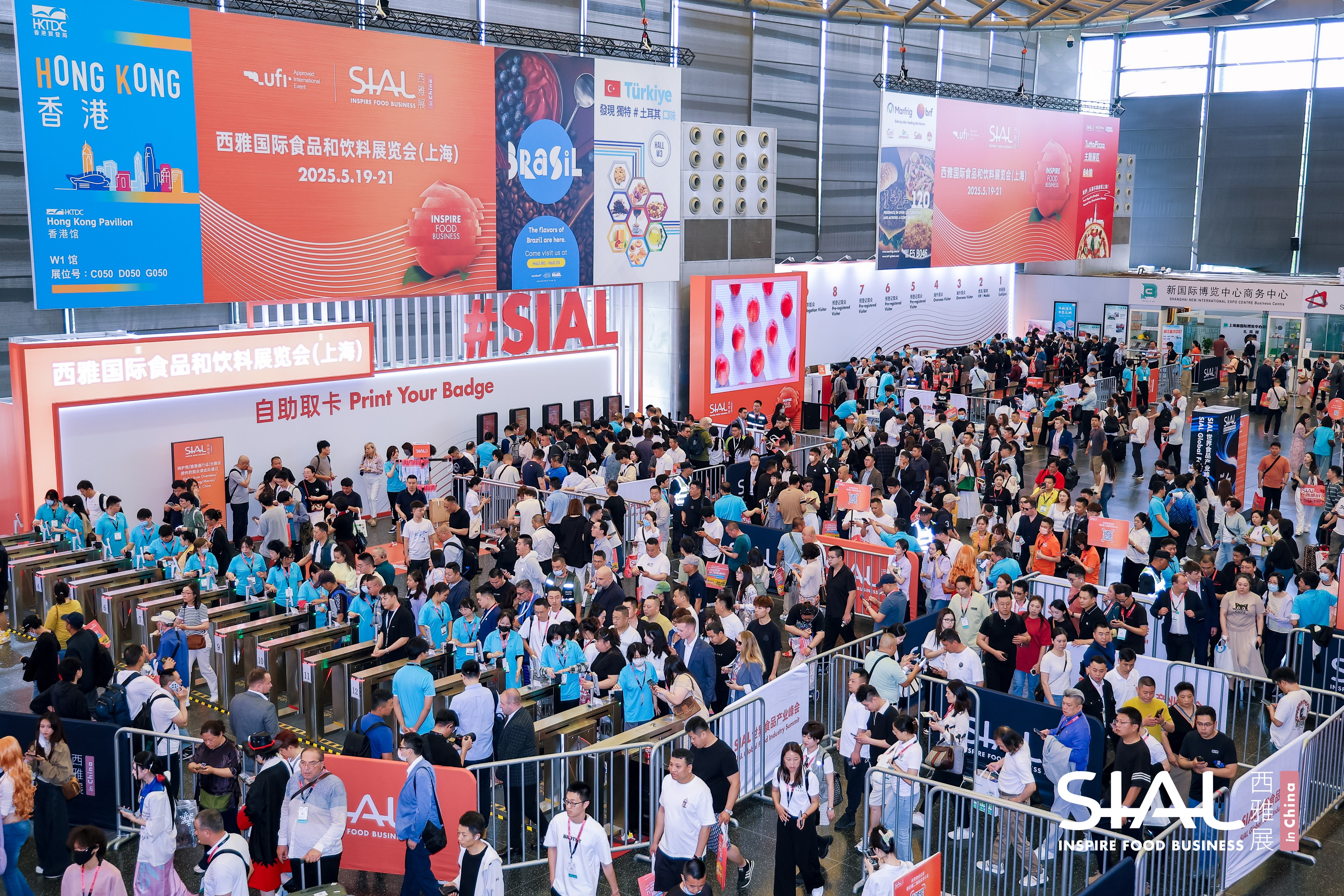
Instant noodles are no longer a single, flat commodity shelf. The category is splitting into distinct tiers — classic fried ramen, non-fried better-for-you options, broth-forward rice noodles, regional signatures, restaurant-style bowls, snack formats, etc. — each with a different shopper mission and margin profile. Trade floors such as Sial in China show how quickly these tiers are multiplying. For retail buyers, the opportunity is not to stock more SKUs but to stock the right SKUs across those tiers. This guide maps the product formats worth tracking, profiles standout products from instant noodle brands, and translates category momentum into peak-season stocking and everyday shelf decisions.
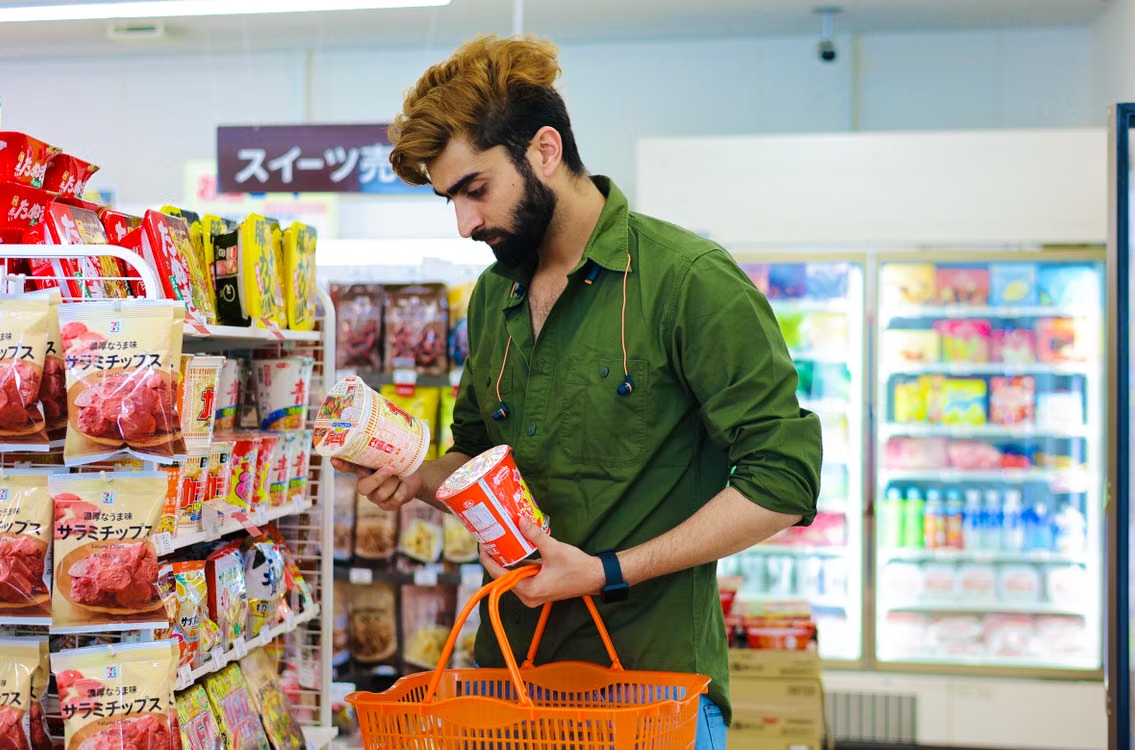
Flavor, Texture, and Format: The Instant Noodle Categories Retail Buyers Should Track
The instant noodle aisle is fragmenting along texture, base material, and eating occasion. A buyer who treats it as one category misses where the growth is coming from. The six formats below, to some extent, represent the clearest retail entry points.
Classic Fried Ramen: The Instant Ramen Noodles Anchor
Classic fried ramen remains the volume backbone of the instant noodles category. It delivers the familiar fried noodle texture, robust soup bases, and low unit cost that drive repeat purchase across broad shopper demographics. In retail terms, this is the traffic-building tier: it anchors the shelf, supports multipack and value promotions, and sets the price reference against which every premium format is judged.
The format itself is evolving. Instant noodle manufacturers are extending classic fried ramen into Japanese- and Korean-inspired flavor systems — spicy chicken, shoyu, fiery gochujang-style sauces — while keeping the fried noodle bite intact. These are not niche line extensions; they are the flavors driving trial among younger shoppers who expect heat, sweetness, and texture in the same bowl.
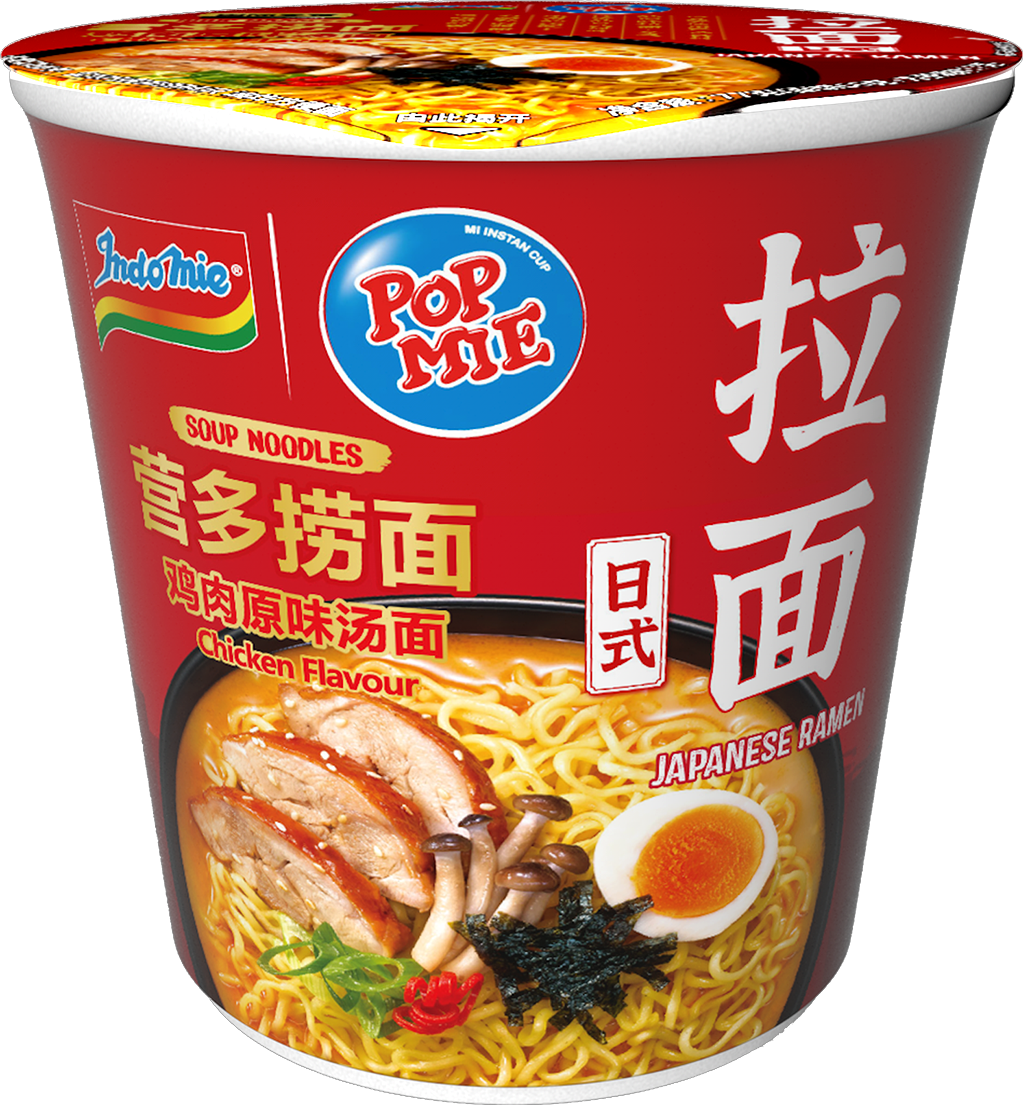
A useful reference point for ranging is how established instant noodles brands translate those flavor cues into shelf-ready SKUs. Indomie noodles, for example, offer a compact classic fried ramen range that spans Japanese-style broth and Korean-style sauce formats across cup and pack options, covering a diverse product line:
- Indomie Japanese Ramen – Spicy Chicken Flavour (cup): rich spicy broth with smooth, springy noodles.
- Indomie Korean Romyeon – Fiery Chicken Flavour (cup): sweet-hot Korean-style sauce in a convenient cup format.
- Indomie Japanese Ramen – Chicken Flavour (cup): savory Japanese-style broth with a smooth noodle bite.
- Indomie Korean Romyeon – Fiery Chicken Flavour (thick-noodle pack): chewy noodles with a separate fiery sauce sachet.
Non-Fried and Better-for-You: A Cross-Material Health Tier
Non-fried is no longer a marketing claim on the margin of the category — it is a structural tier. In China's ¥150 billion instant noodle market, non-fried products have already overtaken fried noodles in share, reaching 52%, and a 100-gram serving contains 18.3 grams less oil than the fried equivalent. Retailers report that zero-fried and zero-trans-fat have become purchasing triggers rather than afterthoughts, with strong repurchase rates among younger shoppers.
For buyers, this tier spans multiple base materials — wheat, rice, oat, buckwheat, and chickpea — and multiple drying technologies, including hot-air, microwave, and vacuum drying. The shelf implication is that non-fried SKUs should not be hidden inside the fried set. They need their own clean-label callout and a distinct position that signals a different health promise without forcing the shopper to read every back-of-pack.
Instant Rice Noodles: Broth-Forward and Loaded Formats
Instant rice noodles are not a single flavor type. They range from light, clear-broth everyday bowls to heavily loaded, thick-broth formats with multiple garnish sachets. In retail, this range lets the rice noodle tier do double duty: it serves as a daily staple for shoppers who want a lighter or gluten-free-leaning base, and it delivers the indulgence and satiety that premium instant food shoppers are willing to pay more for.
The loaded end of the format is where the most distinctive products sit. These are kits as much as they are noodles — concentrated broth bases, separate meat sauces, crunchy toppings, and chili or vinegar sachets that let the shopper build heat and texture. For a buyer, this is a high-visual-impact, high-story SKU that can justify space beyond the standard noodle set.
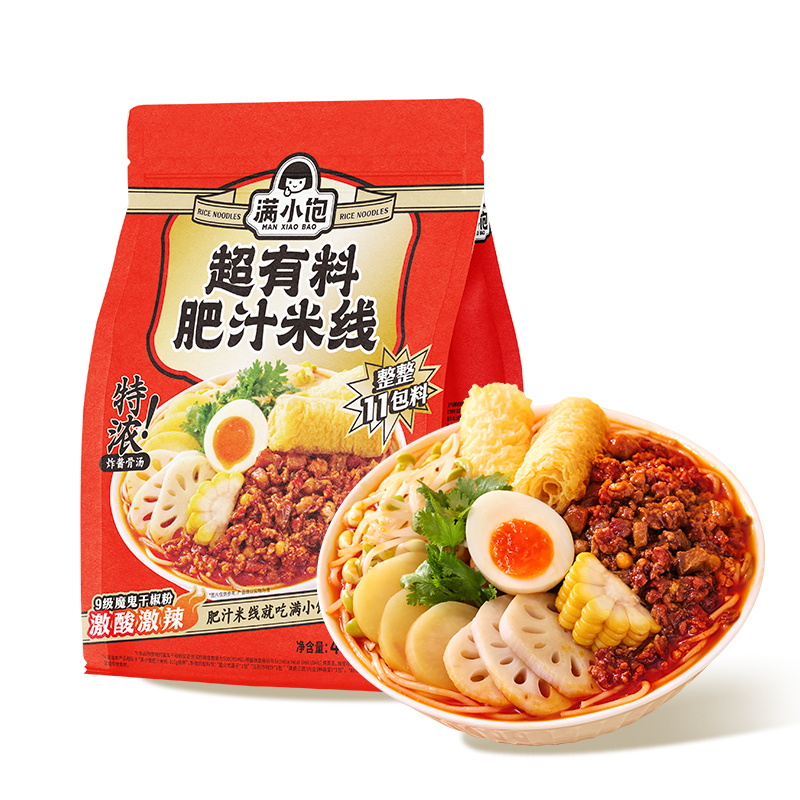
A clear example is Man Xiao Bao Rich Broth Rice Noodles. The product is built around a triple-concentration "rich broth" that stays thick to the bottom of the bowl, a nine-level devil chili powder paired with a sweet vinegar sachet for aggressive sour-heat, and a loaded garnish system with two portions of meat sauce, double fried yuba rolls, and four vegetable components. It sits firmly in the indulgence-plus-convenience space that defines the upper end of instant rice noodles.
Regional & Signature Flavors: Luosifen and Beyond
Regional signature flavors are the fastest route to differentiation in a crowded instant noodle set. Luosifen — Liuzhou river snail rice noodles — is the clearest proof that a polarizing, intensely aromatic regional product can become a mainstream retail category rather than a specialty-store curiosity. Its sour, spicy, funky flavor profile creates a devoted repeat base and a high social-media footprint that drives trial.
For retail, regional flavors need different handling from neutral broth noodles. They are destination SKUs: shoppers seek them out by name, and they perform best when grouped as a regional flavor destination rather than scattered among milder rice noodles. The category is also moving from "novelty" to "product value," with garnish innovation and brand credibility separating the winners.
HAOHUANLUO is the benchmark brand in this tier, positioned as the leading authentic Liuzhou luosifen brand with consecutive years of global sales leadership in the category. Two SKUs are particularly relevant for retail ranging. HAOHUANLUO Liuzhou Luosifen – Original Flavor (300g) is the high-velocity core product, designed to deliver a faithful luosifen experience across everyday eating occasions. The "Extra Spicy & Extra Stinky" pack (400g) pushes the fermented aroma and chili intensity further, aimed at younger shoppers who treat intensity as a form of product engagement.
Premium Restaurant-Style Bowls and Kits
Premium restaurant-style bowls and kits occupy the top of the instant noodle price ladder. These products borrow cues from foodservice — chef-inspired sauces, visible vegetable pieces, separate toppings, and "fresh noodle" texture claims — and package them in a single-serve, heat-and-eat format. The proposition is not "instant noodles as emergency food" but "a restaurant-quality bowl in minutes," which supports a materially higher price point and margin than the classic fried tier.
This is a channel-sensitive format. It performs best where the shopper is already in a meal-replacement mindset — premium grocery, convenience food-to-go, and gift or bundle sets — rather than in the value noodle aisle. Retail buyers evaluating this tier should look for instant noodle manufacturers that can demonstrate texture stability in non-fried or microwaveable formats, because the premium claim collapses if the noodle eats like a standard fried block.
Snack and Single-Serve Formats
Snack and single-serve formats reframe instant noodles as a permitted indulgence rather than a full meal. Mini cups, typically in the 60–150g range, have proliferated across major brands because they solve a specific consumer tension: the desire for the flavor and experience of instant noodles without the portion size and calorie load of a full bowl. The psychological benefit is central — smaller portions reduce the "guilt" barrier and turn the product into a late-night snack, a desk drawer staple, or an impulse add-on.
For retail, this tier belongs near the register and on endcaps, not in the main noodle set. It is a basket-builder, not a pantry-stocking item. Dry-mix and snack-style formats — noodles intended to be eaten with minimal broth or as a tossed snack — follow the same logic. The merchandising question is not "how many flavors can we fit?" but "can this be picked up and eaten without a bowl, a fork, and a commitment?"
Peak-Season Stocking and Promotion: Matching Instant Noodle Categories to High-Traffic Shopping Events
Peak season does not lift every instant noodle format equally. Different peak seasons, like Double 11, Black Friday, and Cyber Monday, create different demand pulses, and buyers who treat them as one generic "promotion period" leave margin and sell-through on the table.
Double 11 is, first and foremost, a stock-up event. Boil-in-bag and cup noodles hit their sales peak during the Double 11 window, driven by multi-pack bundles and price-per-unit comparisons. This is the moment for classic fried ramen anchors and value-oriented instant noodles wholesale packs. Luosifen and regional rice noodles follow a promotion-amplified pattern — spikes around major shopping festivals, then normalization — which makes them strong Double 11 add-on SKUs rather than the primary volume driver. Non-fried and better-for-you items need a different mechanic: trial packs, sampler bundles, and clean-label shelf talkers rather than deep discounting, because the shopper is buying a health position, not just a low price.
Black Friday and Cyber Monday skew toward giftable, premium, and discovery-oriented formats in the instant food space. Restaurant-style bowls and curated regional kits fit the "food gift" and "hosting shortcut" missions that emerge during the US holiday window. Mini cups and snack formats, by contrast, work as basket-fillers and impulse add-ons in convenience and grab-and-go channels during the same period.
A practical peak-season allocation looks like this: anchor the Double 11 promotion with classic fried ramen multipacks and instant noodles wholesale value bundles; use luosifen and loaded rice noodles as high-margin add-ons; protect non-fried and premium SKUs with selective trial offers rather than blanket markdowns; and reserve mini and snack formats for checkout-point visibility throughout the entire peak window.
Shelf Strategy and Risk Management: Turning Instant Noodle Innovation into Retail Margin
Category selection only becomes margin when it reaches the shelf as a deliberate architecture. The final step is translating format tiers and peak-season rhythms into everyday planogram, cross-merchandising, and risk controls.
Shelf Architecture: Anchor, Growth, and Experiment Slots
A three-slot architecture keeps the instant noodle set honest:
- Anchor slots hold the highest-velocity classic fried ramen and the core instant noodles brands that shoppers expect to find; these SKUs earn their space through turns and price-point coverage.
- Growth slots go to non-fried, rice noodles, and regional signatures that are already demonstrating repeat purchase but are not yet category anchors.
- Experiment slots are deliberately limited — premium bowls, novel snack formats, and new flavor launches get a defined trial window with a clear kill-or-scale rule, so the set does not accumulate slow-moving innovation that dilutes shelf productivity.
Retailers already face shelf-space constraints that make full-SKU coverage impossible; the architecture forces a choice based on sales performance rather than brand pressure.
Planogram and Cross-Merchandising by Mission and Format
Merchandising should follow shopper mission and product format rather than manufacturer portfolio, so each block is easy to compare, shop, and replenish on shelf.
- Separate bag, cup, and multipack formats into vertical blocks by price band, so shoppers can compare like with like.
- Give regional flavors a dedicated zone or endcap; avoid mixing them with mild rice noodles where aroma and positioning confuse.
- Use shelf talkers on health-positioned SKUs to call out clean label, non-fried, or specific base material.
- Place mini cups at the register and on endcaps to capture impulse and basket-building purchases.
- Position premium bowls in meal-replacement or gift-adjacent space, not in the value noodle aisle.
- Online, use cross-tag filters for spicy, non-fried, rice noodle, luosifen, and premium so digital mirrors physical.
Risk Management and KPIs: Protecting Margin Without Killing Innovation
Instant noodles innovation carries three margin risks: over-assortment, flavor cannibalization, and promotional erosion. A regional flavor set that is too broad splits demand across near-identical SKUs; a non-fried tier that is promoted like a value noodle trains the shopper to wait for markdowns; and a premium bowl without a clear eating occasion becomes a dust-collecting experiment. Instant noodle manufacturers and wholesale partners should be held to retail-ready standards, including packaging compliance, portion fit for the channel, and a margin structure that supports both distributor and retailer economics.
Track the shelf with a small, decision-oriented KPI set: rate of sale per SKU per week to identify anchor and experiment candidates; share of shelf versus share of category sales to catch over- or under-spacing; promotion lift and post-promotion dip to distinguish real incrementality from pull-forward; repeat purchase rate for non-fried and regional SKUs, where trial without repeat is a warning sign; and shrink/write-off rate on short-dated or premium kits. The rule is to protect the margin of proven anchors while giving experiment slots a defined runway — innovation needs room to prove itself, but not indefinite patience.
Conclusion
The instant noodle opportunity for retail is a tiered opportunity. Classic fried ramen anchors volume, non-fried and rice noodles carry the health-and-indulgence middle, regional signatures like luosifen deliver differentiation, and premium and snack formats build basket value. Sourcing across these tiers — from instant noodles wholesale partners and instant noodle manufacturers with credible format innovation — matters less than placing each tier on the shelf with a clear mission. Buyers who build the architecture first and fill it with the right brands will capture both the everyday repeat and the peak-season spikes without letting the set collapse into undifferentiated SKU sprawl.
FAQs
1. How should retailers assess shelf life when ranging instant noodles?
Retailers should request shelf-life data by format, because fried, non-fried, and wet-sauce kits age differently. Ask each instant noodle manufacturer for storage conditions, date-coding rules, and stability test results. Match remaining shelf life to expected sell-through, and set receiving standards that protect margin on slower premium SKUs. Clear standards prevent write-offs.
2. What certifications matter when sourcing instant noodles wholesale?
Buyers sourcing instant noodles wholesale should verify food-safety certification, allergen controls, and market-specific labeling. Check HACCP, ISO 22000, halal or organic claims where relevant, and confirm the instant noodle manufacturer can supply traceability documents. Certification gaps can delay customs clearance and expose retailers to recall and compliance risk before purchase orders.
3. How can retailers trial new instant noodles brands without overstocking?
Use a limited pilot rather than a full range launch. Give new instant noodles brands one facing or an endcap test for four to six weeks, track weekly rate of sale and repeat purchase, and set a clear scale-or-exit rule. Small initial purchase orders reduce markdown risk while proving demand.
4. What packaging checks reduce damage in instant noodle retail?
Retailers should test cup and bowl durability, seal integrity, and multipack outer strength during receiving. Ask the instant noodle manufacturer for drop-test and transit-test reports, and review whether packaging is recyclable or right-sized. Weak seals cause returns, while overpackaging raises unit cost and hurts shelf appeal before ranging new SKUs.
5. How do import lead times affect instant noodle replenishment?
Import lead times determine safety stock and promotion timing. For instant noodles wholesale orders, map production, transit, customs, and warehouse receiving time, then set reorder points by SKU velocity. Long-lead premium or regional items need earlier peak-season commitments; fast-moving anchors can use shorter replenishment cycles. This prevents both stockouts and excess inventory.