
'%3e%3cpath%20d='M10%200C4.4772%200%200%204.4772%200%2010C0%2014.6896%203.2288%2018.6248%207.5844%2019.7056V13.056H5.5224V10H7.5844V8.6832C7.5844%205.2796%209.1248%203.702%2012.4664%203.702C13.1%203.702%2014.1932%203.8264%2014.6404%203.9504V6.7204C14.4044%206.6956%2013.9944%206.6832%2013.4852%206.6832C11.8456%206.6832%2011.212%207.3044%2011.212%208.9192V10H14.4784L13.9172%2013.056H11.212V19.9268C16.1636%2019.3288%2020.0004%2015.1128%2020.0004%2010C20%204.4772%2015.5228%200%2010%200Z'%20fill='black'/%3e%3c/g%3e%3cdefs%3e%3cclipPath%20id='clip0_601_545'%3e%3crect%20width='20'%20height='20'%20fill='white'/%3e%3c/clipPath%3e%3c/defs%3e%3c/svg%3e)

'%3e%3cpath%20d='M18.5195%200H1.47656C0.660156%200%200%200.644531%200%201.44141V18.5547C0%2019.3516%200.660156%2020%201.47656%2020H18.5195C19.3359%2020%2020%2019.3516%2020%2018.5586V1.44141C20%200.644531%2019.3359%200%2018.5195%200ZM5.93359%2017.043H2.96484V7.49609H5.93359V17.043ZM4.44922%206.19531C3.49609%206.19531%202.72656%205.42578%202.72656%204.47656C2.72656%203.52734%203.49609%202.75781%204.44922%202.75781C5.39844%202.75781%206.16797%203.52734%206.16797%204.47656C6.16797%205.42188%205.39844%206.19531%204.44922%206.19531ZM17.043%2017.043H14.0781V12.4023C14.0781%2011.2969%2014.0586%209.87109%2012.5352%209.87109C10.9922%209.87109%2010.7578%2011.0781%2010.7578%2012.3242V17.043H7.79688V7.49609H10.6406V8.80078H10.6797C11.0742%208.05078%2012.043%207.25781%2013.4844%207.25781C16.4883%207.25781%2017.043%209.23438%2017.043%2011.8047V17.043Z'%20fill='black'/%3e%3c/g%3e%3cdefs%3e%3cclipPath%20id='clip0_601_548'%3e%3crect%20width='20'%20height='20'%20fill='white'/%3e%3c/clipPath%3e%3c/defs%3e%3c/svg%3e)
For international food buyers, choosing among Italian pasta brands is not only about comparing shapes or packaging. Product positioning, pack size, target channel, cooking characteristics, and wholesale practicality can all affect whether a pasta line fits the market. SIAL in China provides buyers with access to food products and suppliers from around the world. This guide reviews three pasta brands and selected products available through the SIAL marketplace: Pasta REY, La Paesana, and La Molisana. The goal is to help importers, distributors, retailers, foodservice operators, and other professional buyers evaluate their positioning and potential wholesale applications.
Pasta REY: A Practical Option for Foodservice and Bulk Buyers
Pasta REY stands out in the SIAL product marketplace for its emphasis on large-pack formats and commercial applications. Its Rey Spaghetti listing specifically describes the large packaging as suitable for different end-use requirements, highlighting restaurants, central kitchens, and industrial food processing as potential applications.
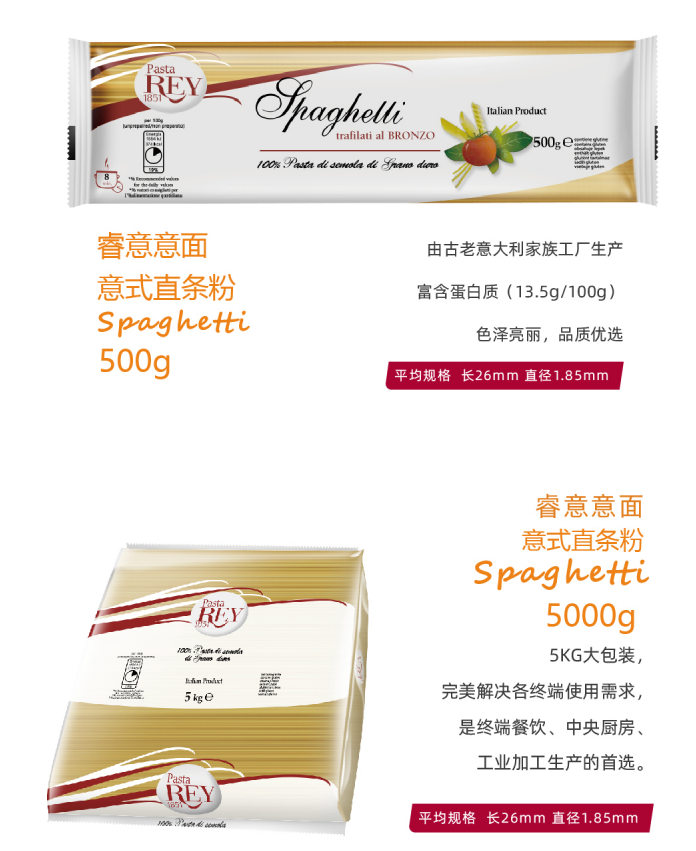
From a sourcing perspective, this positioning makes Pasta REY worth considering when the purchasing priority is not only consumer-facing retail appeal but also operational efficiency. Larger packs can fit professional kitchens that consume pasta regularly and need products that can be integrated into high-volume meal preparation. For distributors serving restaurants, caterers, or institutional kitchens, the format may also support a more business-oriented sales proposition than small household packs.
For buyers evaluating pasta suppliers, Pasta REY can therefore be considered in situations where consistent supply, commercial pack formats, and practical usage matter. It may be particularly relevant for foodservice distributors building a pasta portfolio for restaurants and central kitchens, as well as importers looking for products that can serve professional rather than purely retail demand.
La Paesana: Positioning Pasta for Retail, E-Commerce, and Gift Channels
La Paesana offers a different positioning within the selected Italian pasta brands. Its Paesana Spaghetti highlights Italian-style long pasta as one of the most recognizable forms of pasta worldwide and points to applications including individual-meal consumption, younger consumers, e-commerce, and gifting.
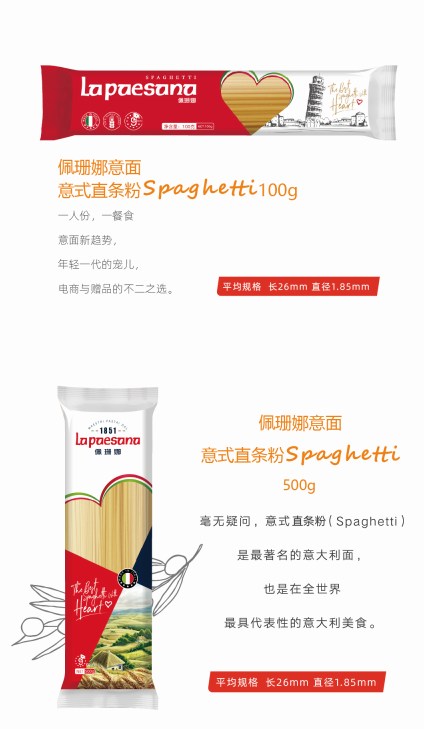
That positioning can be useful for buyers developing consumer-facing assortments. Long pasta is familiar to shoppers across many international markets, which can make it easier to introduce as an everyday Italian food product. The focus on individual portions and younger consumers may also fit smaller-format retail concepts, online grocery, curated food selections, and promotional bundles where pack presentation and accessibility are important purchasing considerations.
For pasta wholesale, La Paesana may therefore suit buyers who want an Italian pasta product with clear retail and e-commerce potential. Instead of treating pasta only as a staple commodity, buyers can assess whether the product fits a broader assortment built around Italian cuisine, convenient meal occasions, gifting, or online food discovery.
La Molisana: Expanding a Premium-Oriented Pasta Assortment
La Molisana S.p.A. was founded in 1912 and describes a multi-generational focus on selecting durum wheat grown in the dry, warm climate of Molise while controlling production processes. This background supports a different purchasing conversation from simply buying standard dry pasta. La Molisana can be evaluated when an importer or distributor wants to add a recognizable Italian producer to a product portfolio and provide customers with more choice in pasta shapes and usage occasions.
For international buyers, that combination can be useful when developing an Italian-food assortment rather than sourcing one generic pasta product. Different shapes can be allocated to different retail shelves, foodservice recipes, or recipe-led promotions, allowing buyers to build a broader product mix around the same brand.
La Molisana Penne Rigate 500G: A Versatile Retail and Foodservice Shape
Penne Rigate 500G is a practical shape for buyers seeking a familiar pasta format with broad recipe compatibility. Penne rigate is a hollow, diagonally cut tube with ridges running down the outside. The ridges and the cavity both trap sauce, which is why the shape holds up in baked dishes, pasta salads, and steam-table service where a smooth noodle would go slick. A 500G pack can also sit naturally within conventional retail pasta assortments while remaining practical for smaller foodservice operations and household bulk purchasing.
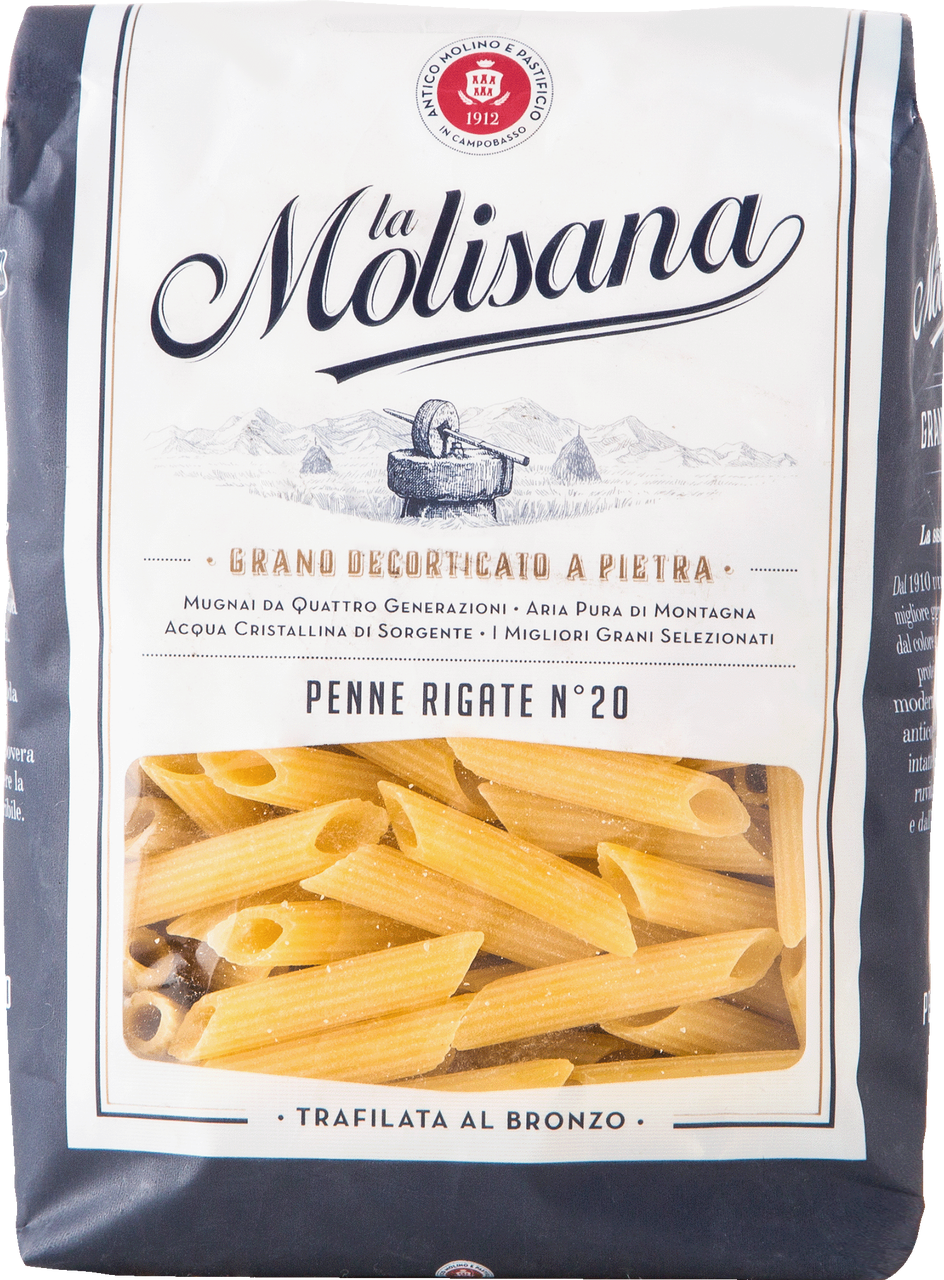
From a wholesale perspective, this makes Penne Rigate a useful candidate for buyers that want a familiar shape without limiting the product to one narrow recipe category. It can function as a core product within an Italian pasta assortment, while additional shapes can be added later to expand the range.
La Molisana Fusilli 500G: Adding Shape Variety to the Range
Fusilli 500G provides another route for buyers looking to diversify a pasta portfolio beyond straight or tubular formats. Fusilli is the spiral, and the twists do the same work as penne's ridges: they hold thick ragù and oil-based dressings in place. The shape also survives cold service better than most, which keeps it in steady demand for deli counters, prepared salads, and buffets where pasta sits out for a while.
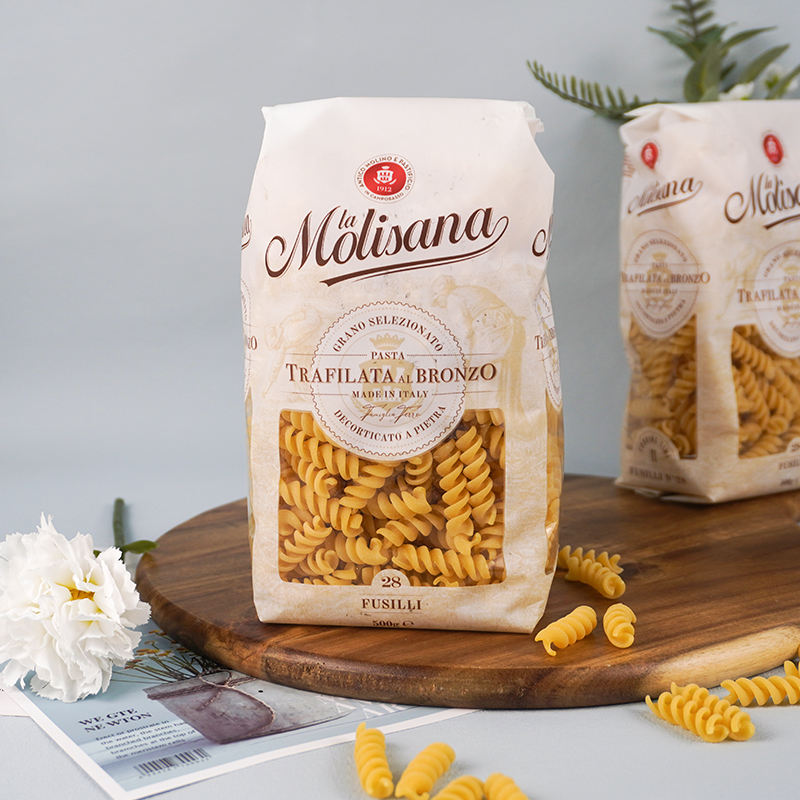
Fusilli can complement penne in both retail and foodservice assortments. For distributors, carrying two recognizable shapes can make a brand range more useful to downstream customers than offering only one standard shape.
For buyers assessing pasta suppliers, this also illustrates why product-level evaluation matters. A brand may be attractive not simply because of its name, but because the available shapes allow a distributor to build a coherent assortment. Adding Fusilli alongside Penne Rigate can create a more complete pasta selection without immediately moving into highly specialized formats.
How to Vet Pasta Suppliers Before You Commit
Across these three lines, brand reputation is a weak substitute for a specification sheet. They differ in wheat sourcing, die type, pack format and category placement, and every one of those differences shows up in price, cooking behaviour and where the product can legally be sold. A short checklist before the first purchase order saves a great deal of arguing later.
Where buyers most often lose money is at the sample stage. A sample that arrives air-freighted in a sealed retail pack tells you very little about how the production run will cook, how much breakage a pallet will carry, or how the pasta holds after twenty minutes in a warmer. Ask for production samples from the same line and lot as the order.
What to put on the checklist before you compare offers from Italian pasta suppliers:
- Wheat origin and milling: Ask whether the semolina is 100% Italian or blended with EU, Canadian or US wheat; the label wording is usually more precise than the marketing copy.
- Die type: Bronze dies give a rougher, sauce-friendly surface but slow production down; Teflon-lined dies give the smooth, bright yellow look many supermarkets still favour.
- Protein content and cooking loss: High-protein semolina holds its bite, but starch release during cooking matters just as much for a steam table.
- Carton and pallet configuration: Confirm units per carton, cartons per layer and pallet height before you price freight; a 500g retail box and a 10kg catering bag ship very differently.
- Certifications and documents: For regulated markets, line up the health certificate, certificate of origin, allergen statement, nutrition analysis and any organic or gluten-free certification early.
- Private label capability: If you want your own brand on the pack, agree on minimum order quantities, artwork approval steps, and who owns the print tooling.
- Lot traceability: Insist on production samples, not shelf samples, and on a lot number you can match to the shipment.
Two mistakes recur in pasta wholesale. The first is treating a bright yellow colour as a quality signal; it is usually a drying and die choice, not a measure of the grain. The second is comparing offers on price per case without normalising for weight, breakage allowance and shelf life at arrival. A supplier that looks cheaper per carton can cost more per cooked portion.
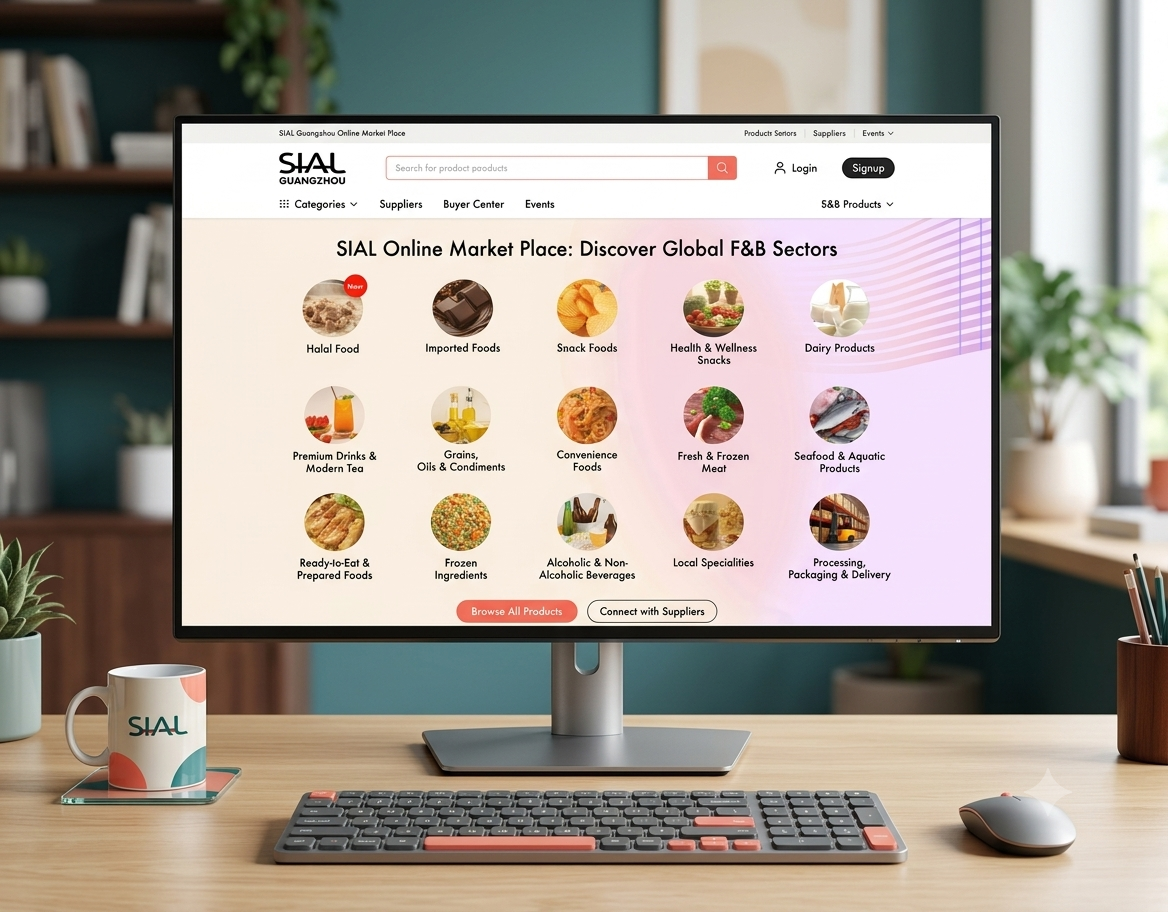
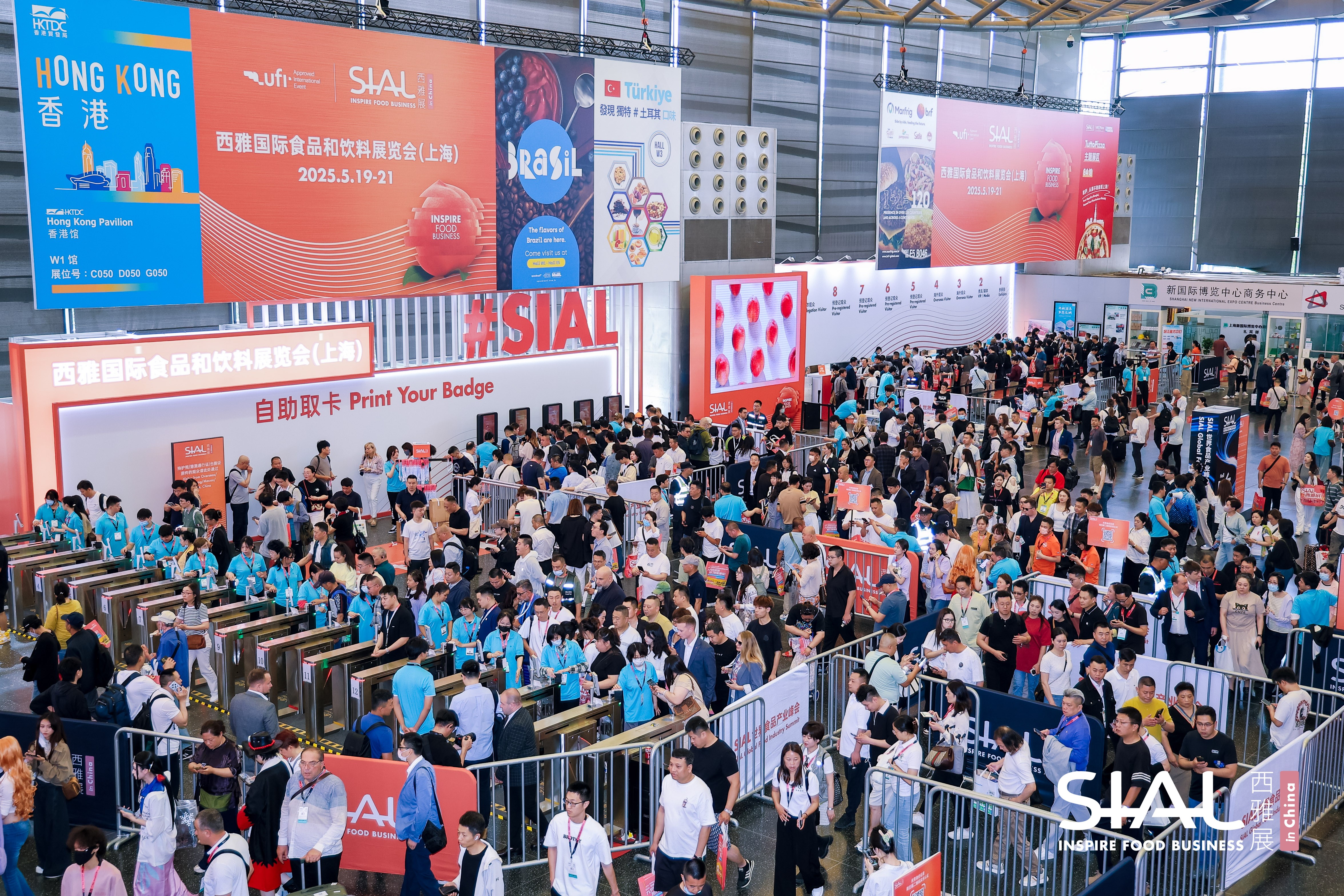
For buyers looking to discover additional suppliers and products, SIAL in China provides an international food trade platform and online marketplace. SIAL's buyer programmes also emphasize supplier discovery, business matchmaking, and sourcing opportunities for professional buyers.
Conclusion
Selecting Italian pasta for international wholesale requires more than choosing a familiar Italian name. Buyers should match each product with its target channel, pack format, consumer profile, recipe applications, and logistics requirements. Pasta REY can be evaluated for commercial and bulk-use applications, La Paesana for retail and e-commerce-oriented positioning, and La Molisana for a broader branded assortment built around different pasta shapes. The right choice ultimately depends on the buyer's market, channel, and sourcing model.
FAQ
1. Is pasta made in Italy the same as pasta made from Italian wheat?
No. Italy grows only part of the durum wheat its mills need, so many exported brands blend Italian semolina with grain from Canada, the United States or other EU countries. Both can be excellent. If 100% Italian wheat is a claim you intend to make on the pack, ask for the mill's declaration in writing and check the mandatory origin wording.
2. How should I test a pasta sample before placing a container order?
Cook it by the pack instructions in salted water you have measured, then weigh the drained pasta to see how much water it absorbed. Check whether the surface still feels rough after cooking, how much starch clouds the water, and whether the shape holds after ten minutes resting in sauce. Repeat on a second batch.
3. How many SKUs should a first pasta order cover?
Enough to fill a container economically, and few enough to turn over. Importers new to a brand usually start with three to five shapes that cover the cooking methods they sell into: one long pasta, one ridged short shape, one smooth short shape, and one specialty for menus that rotate. Verify carton configurations before you finalise the mix.
4. What shelf life should a dry pasta shipment have left on arrival?
Dry pasta is commonly dated 24 to 36 months from production, and most importers want at least two-thirds of that window remaining when the container is discharged. Ask for the production date rather than the best-before date alone, and check that inner liners and humidity control were used, because warm, damp transit is what actually shortens usable life.
5. Do I need different documents for different export markets?
Requirements diverge quickly. Most markets want a certificate of origin, a health or free-sale certificate, a nutrition analysis, and allergen and GMO statements, and some add residue testing or labelling pre-approval. Premium claims such as organic or gluten-free need their own certificates and a supply chain that can be audited. Confirm the list with your importer of record before booking freight.







'/%3e%3cdefs%3e%3clinearGradient%20id='paint0_linear_1477_4631'%20x1='18.272'%20y1='0'%20x2='18.272'%20y2='35.3674'%20gradientUnits='userSpaceOnUse'%3e%3cstop%20stop-color='%23FF9F9F'/%3e%3cstop%20offset='1'%20stop-color='%23F15E5E'/%3e%3c/linearGradient%3e%3c/defs%3e%3c/svg%3e)
'/%3e%3cdefs%3e%3clinearGradient%20id='paint0_linear_1477_4633'%20x1='17.5'%20y1='0'%20x2='17.5'%20y2='35'%20gradientUnits='userSpaceOnUse'%3e%3cstop%20stop-color='%23E9C0EE'/%3e%3cstop%20offset='1'%20stop-color='%23CE57DC'/%3e%3c/linearGradient%3e%3c/defs%3e%3c/svg%3e)