
'%3e%3cpath%20d='M10%200C4.4772%200%200%204.4772%200%2010C0%2014.6896%203.2288%2018.6248%207.5844%2019.7056V13.056H5.5224V10H7.5844V8.6832C7.5844%205.2796%209.1248%203.702%2012.4664%203.702C13.1%203.702%2014.1932%203.8264%2014.6404%203.9504V6.7204C14.4044%206.6956%2013.9944%206.6832%2013.4852%206.6832C11.8456%206.6832%2011.212%207.3044%2011.212%208.9192V10H14.4784L13.9172%2013.056H11.212V19.9268C16.1636%2019.3288%2020.0004%2015.1128%2020.0004%2010C20%204.4772%2015.5228%200%2010%200Z'%20fill='black'/%3e%3c/g%3e%3cdefs%3e%3cclipPath%20id='clip0_601_545'%3e%3crect%20width='20'%20height='20'%20fill='white'/%3e%3c/clipPath%3e%3c/defs%3e%3c/svg%3e)

'%3e%3cpath%20d='M18.5195%200H1.47656C0.660156%200%200%200.644531%200%201.44141V18.5547C0%2019.3516%200.660156%2020%201.47656%2020H18.5195C19.3359%2020%2020%2019.3516%2020%2018.5586V1.44141C20%200.644531%2019.3359%200%2018.5195%200ZM5.93359%2017.043H2.96484V7.49609H5.93359V17.043ZM4.44922%206.19531C3.49609%206.19531%202.72656%205.42578%202.72656%204.47656C2.72656%203.52734%203.49609%202.75781%204.44922%202.75781C5.39844%202.75781%206.16797%203.52734%206.16797%204.47656C6.16797%205.42188%205.39844%206.19531%204.44922%206.19531ZM17.043%2017.043H14.0781V12.4023C14.0781%2011.2969%2014.0586%209.87109%2012.5352%209.87109C10.9922%209.87109%2010.7578%2011.0781%2010.7578%2012.3242V17.043H7.79688V7.49609H10.6406V8.80078H10.6797C11.0742%208.05078%2012.043%207.25781%2013.4844%207.25781C16.4883%207.25781%2017.043%209.23438%2017.043%2011.8047V17.043Z'%20fill='black'/%3e%3c/g%3e%3cdefs%3e%3cclipPath%20id='clip0_601_548'%3e%3crect%20width='20'%20height='20'%20fill='white'/%3e%3c/clipPath%3e%3c/defs%3e%3c/svg%3e)
Italy's wine landscape gives international buyers a wide range of choices, from structured reds and regional native grapes to fresh dry whites and internationally familiar varieties. Regional differences in climate, grapes, appellations and winemaking traditions make it useful to assess wines by both origin and product positioning.
For buyers looking to discover suppliers and products in person, SIAL in China connects international food and beverage businesses with exhibitors and buyers. The following selection highlights two Italian wine brands and one complementary spirits listing that can help buyers evaluate different positioning opportunities.
Feudi del Pisciotto: Sicilian Nero d'Avola for Red Wine Sourcing
Sicilian red wines can give wholesale buyers a recognizable regional identity while offering styles suited to food-led retail, hospitality, and premium gifting. Nero d'Avola is one of Sicily's best-known native red grape varieties, generally associated with full-bodied reds and ripe dark-fruit character. Its regional identity can also provide useful storytelling for retailers looking beyond generic international varieties.
Feudi del Pisciotto presents a more distinctive positioning within this category. Located in the heart of the Cerasuolo di Vittoria DOCG area in Sicily, the estate combines vineyards, traditional winemaking heritage, and modern production facilities. Its Nero d'Avola Versace is made from 100% Nero d'Avola grown in Niscemi and is presented as part of the winery's fashion-designer label collection. The wine is aged in barriques and bottles, giving buyers a product with both regional and visual differentiation.

For wholesale sourcing, Nero d'Avola Versace can be considered where product identity and presentation matter alongside wine style. The wine offers an intense ruby color, red and dark berry notes, a full and velvety palate, and a persistent finish. The Versace-designed label also creates a clear visual point of difference that may work for premium retail shelves, hospitality programs, gifting, or consumers interested in the connection between Italian fashion and wine.
MARCO MACI: Southern Italian Chardonnay for Dry White Wine Buyers
White wine can broaden an imported portfolio by serving consumers who prefer lighter styles, seafood pairings, casual dining, and warm-weather occasions. Chardonnay is particularly flexible for wholesale buyers because the grape is internationally recognized while allowing producers from different Italian regions to present distinct interpretations based on climate, terroir, and winemaking choices.
MARCO MACI's portfolio includes Chardonnay as well as red wines based on varieties such as Negro Amaro and Primitivo. Public wine references describe the producer's wines as having balanced sugar and alcohol levels together with acidity that supports aroma and persistence. Its Maradona Chardonnay, as an Italian dry white wine, gives buyers another route into the white-wine segment, rather than concentrating their Italian white-wine sourcing entirely on the better-known northern regions.
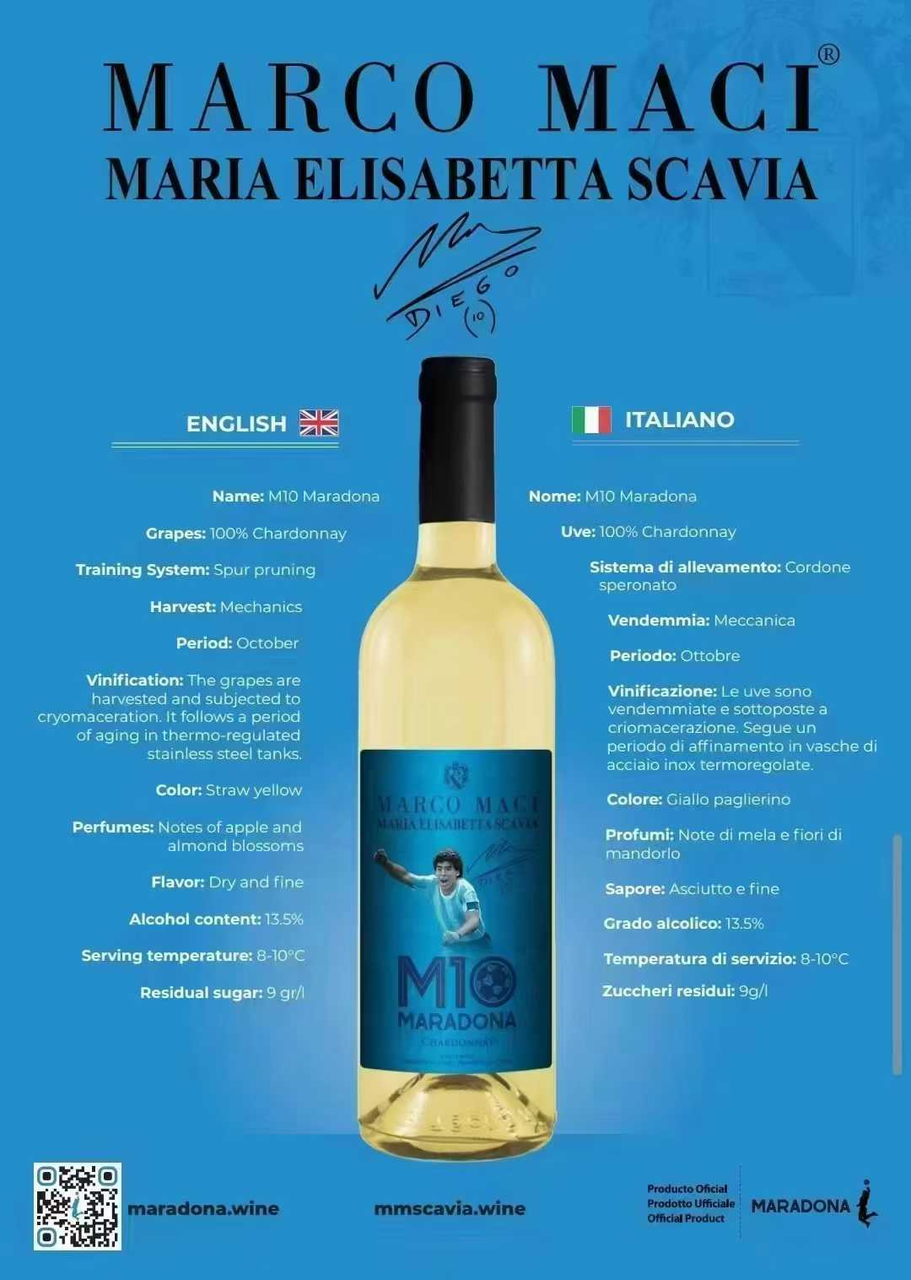
The product also has a strong visual and thematic identity through the Maradona name and label. For wholesale buyers, this can create an additional merchandising angle beyond grape variety alone. A dry Chardonnay can be positioned for restaurants, wine shops, specialty retailers, and distributors looking for approachable white wine with a recognizable international grape. Buyers should still confirm vintage, alcohol level, packaging specifications, minimum order quantities, and export documentation directly with the supplier before placing commercial orders.
GRAN COUVA: Glenkua as a Complementary Spirits Sourcing Option
Not every imported beverage opportunity needs to be a wine. Buyers building a broader alcohol portfolio may also evaluate spirits alongside Italian wine, particularly when a supplier or distribution channel serves multiple beverage categories. Scotch whisky, for example, can complement wine selections by targeting different consumption occasions, retail categories, and customer preferences.
The Glenkua Scotch Whisky from GRAN COUVA, a spirits selection rather than an Italian wine, can be included as a supplementary spirits option for an Italian wine-focused buying programme. At 40% ABV in a 700 ml bottle and with water, grain, malt and caramel colouring among its ingredients, it is produced through a traditional process of fermentation, distillation and oak-barrel maturation, and offers fruity, malty, caramel and oak notes.
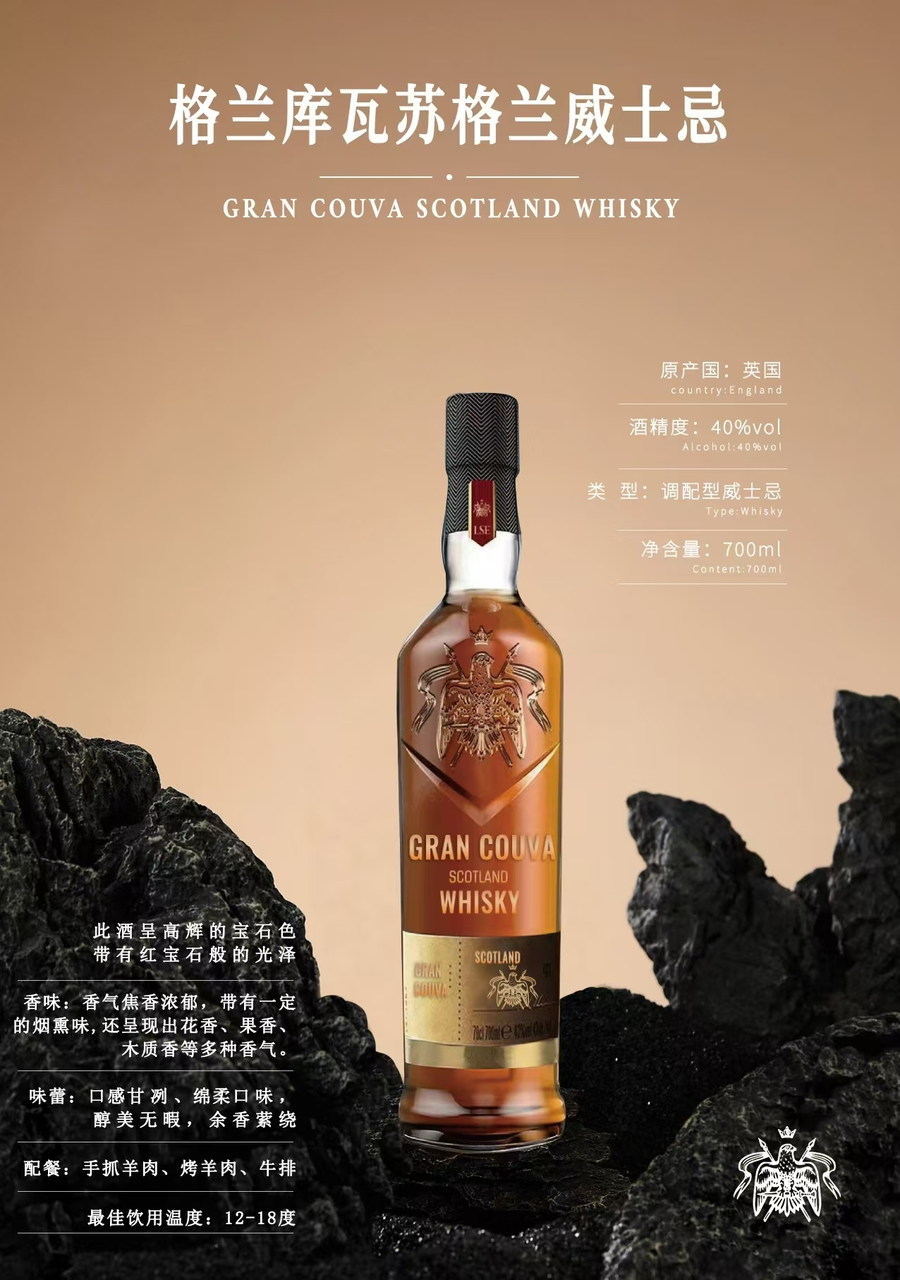
Buyers looking specifically for an Italian wine supplier should evaluate Feudi del Pisciotto and MARCO MACI as wine options, while Glenkua can be assessed separately as a complementary imported spirit. This broader category approach may be relevant for distributors, specialty beverage importers, duty-free channels, and retailers that want to build a mixed European alcohol portfolio rather than a wine-only range.
How to Evaluate Italian Wine Suppliers for Wholesale
Choosing among Italian wine brands requires more than comparing labels or grape varieties. A buyer should assess whether the product's regional identity, positioning, specifications and supply capabilities match the target market and sales channel.
- Match the wine style to the market: Determine whether your customers need structured reds, dry whites, sparkling wines or other styles before comparing individual labels. Regional grape varieties can provide differentiation, while familiar varieties such as Chardonnay may reduce the education required at retail or food-service level.
- Check origin and product documentation: Confirm the producer, country of origin, grape variety, appellation or geographical indication where applicable, vintage, ABV, bottle size and labeling requirements. These details should match commercial and regulatory documentation rather than relying only on promotional descriptions.
- Assess positioning beyond taste: Packaging, brand story, regional identity and recognizable collaborations can influence how a wine is positioned. Feudi del Pisciotto's Versace label, for example, adds a fashion-oriented dimension to its Sicilian wine story.
- Review wholesale practicality: Ask about MOQ, case pack, available vintages, lead times, production capacity, export markets, payment terms and shipping arrangements. A product that fits the target segment still needs a workable supply model for repeat purchasing.
- Separate wine from adjacent categories: When a sourcing list includes spirits such as Glenkua, verify the country of origin and beverage category before presenting the product to customers. This avoids inaccurate Italian-wine positioning and helps buyers maintain clear category structures.
The most reliable Italian wine supplier is therefore not simply the one with an attractive label, but the one that can provide consistent product information, commercial terms and supply support. Buyers should request samples and documentation where appropriate, then compare landed cost and channel fit before committing to larger volumes.
Conclusion
A practical approach to Italian wine sourcing begins with regional identity, grape variety and product positioning, then moves into supplier capability and wholesale requirements. Feudi del Pisciotto demonstrates a Sicilian Nero d'Avola with strong visual branding, while MARCO MACI provides a southern Italian Chardonnay option. GRAN COUVA's Glenkua, meanwhile, is better viewed as a separate Scotch Whisky opportunity for buyers building a broader beverage portfolio.
FAQs
1. What should buyers ask an Italian wine supplier before placing an order?
Ask for the producer's full legal details, product specifications, vintage information, bottle and case configuration, MOQ, lead time, export markets and commercial terms. It is also useful to confirm labeling documentation, certificates required for the destination market and whether the supplier can support repeat orders. These details help distinguish a one-off product opportunity from a sustainable wholesale programme.
2. How important is the wine region when selecting Italian wine brands?
Region can help buyers predict the style, grape varieties and consumer story associated with a wine, but it should not be evaluated in isolation. Consider region together with grape variety, appellation, producer reputation, target price point and intended sales channel. A well-known regional identity can support marketing, while lesser-known areas may provide opportunities for portfolio differentiation.
3. Should importers focus on native Italian grape varieties?
Native varieties can strengthen regional storytelling and help a portfolio stand apart from internationally standardized wine ranges. Nero d'Avola is one example associated closely with Sicily. However, international varieties such as Chardonnay can provide greater familiarity in some markets. Portfolio balance often depends on whether the buyer prioritizes discovery, accessibility, premium positioning or food-service versatility.
4. How do I check whether an Italian wine is suitable for my target market?
Start with the product's appellation, grape variety, alcohol level, bottle size, and labeling requirements. Then compare these specifications with the regulations and customer expectations in your destination market. Packaging language, allergen declarations, importer information, and permitted claims can also affect whether a wine is ready for commercial sale.








'/%3e%3cdefs%3e%3clinearGradient%20id='paint0_linear_1477_4631'%20x1='18.272'%20y1='0'%20x2='18.272'%20y2='35.3674'%20gradientUnits='userSpaceOnUse'%3e%3cstop%20stop-color='%23FF9F9F'/%3e%3cstop%20offset='1'%20stop-color='%23F15E5E'/%3e%3c/linearGradient%3e%3c/defs%3e%3c/svg%3e)
'/%3e%3cdefs%3e%3clinearGradient%20id='paint0_linear_1477_4633'%20x1='17.5'%20y1='0'%20x2='17.5'%20y2='35'%20gradientUnits='userSpaceOnUse'%3e%3cstop%20stop-color='%23E9C0EE'/%3e%3cstop%20offset='1'%20stop-color='%23CE57DC'/%3e%3c/linearGradient%3e%3c/defs%3e%3c/svg%3e)