
'%3e%3cpath%20d='M10%200C4.4772%200%200%204.4772%200%2010C0%2014.6896%203.2288%2018.6248%207.5844%2019.7056V13.056H5.5224V10H7.5844V8.6832C7.5844%205.2796%209.1248%203.702%2012.4664%203.702C13.1%203.702%2014.1932%203.8264%2014.6404%203.9504V6.7204C14.4044%206.6956%2013.9944%206.6832%2013.4852%206.6832C11.8456%206.6832%2011.212%207.3044%2011.212%208.9192V10H14.4784L13.9172%2013.056H11.212V19.9268C16.1636%2019.3288%2020.0004%2015.1128%2020.0004%2010C20%204.4772%2015.5228%200%2010%200Z'%20fill='black'/%3e%3c/g%3e%3cdefs%3e%3cclipPath%20id='clip0_601_545'%3e%3crect%20width='20'%20height='20'%20fill='white'/%3e%3c/clipPath%3e%3c/defs%3e%3c/svg%3e)

'%3e%3cpath%20d='M18.5195%200H1.47656C0.660156%200%200%200.644531%200%201.44141V18.5547C0%2019.3516%200.660156%2020%201.47656%2020H18.5195C19.3359%2020%2020%2019.3516%2020%2018.5586V1.44141C20%200.644531%2019.3359%200%2018.5195%200ZM5.93359%2017.043H2.96484V7.49609H5.93359V17.043ZM4.44922%206.19531C3.49609%206.19531%202.72656%205.42578%202.72656%204.47656C2.72656%203.52734%203.49609%202.75781%204.44922%202.75781C5.39844%202.75781%206.16797%203.52734%206.16797%204.47656C6.16797%205.42188%205.39844%206.19531%204.44922%206.19531ZM17.043%2017.043H14.0781V12.4023C14.0781%2011.2969%2014.0586%209.87109%2012.5352%209.87109C10.9922%209.87109%2010.7578%2011.0781%2010.7578%2012.3242V17.043H7.79688V7.49609H10.6406V8.80078H10.6797C11.0742%208.05078%2012.043%207.25781%2013.4844%207.25781C16.4883%207.25781%2017.043%209.23438%2017.043%2011.8047V17.043Z'%20fill='black'/%3e%3c/g%3e%3cdefs%3e%3cclipPath%20id='clip0_601_548'%3e%3crect%20width='20'%20height='20'%20fill='white'/%3e%3c/clipPath%3e%3c/defs%3e%3c/svg%3e)
The global dietary landscape is rapidly shifting toward plant-based nutrition, moving far beyond simple lactose-free alternatives. Today, health-conscious consumers demand nutritionally dense foods that actively fuel their busy lifestyles without compromising on taste. To keep a pulse on these fast-moving trends, industry professionals and food enthusiasts alike look to leading trade platforms like SIAL in China. As the market for functional foods explodes, discovering the right products can be overwhelming. Fortunately, exploring the cutting-edge innovations showcased at upcoming events like SIAL Guangzhou 2026 offers unparalleled insights into the future of health foods and premium plant-based dairy alternatives.
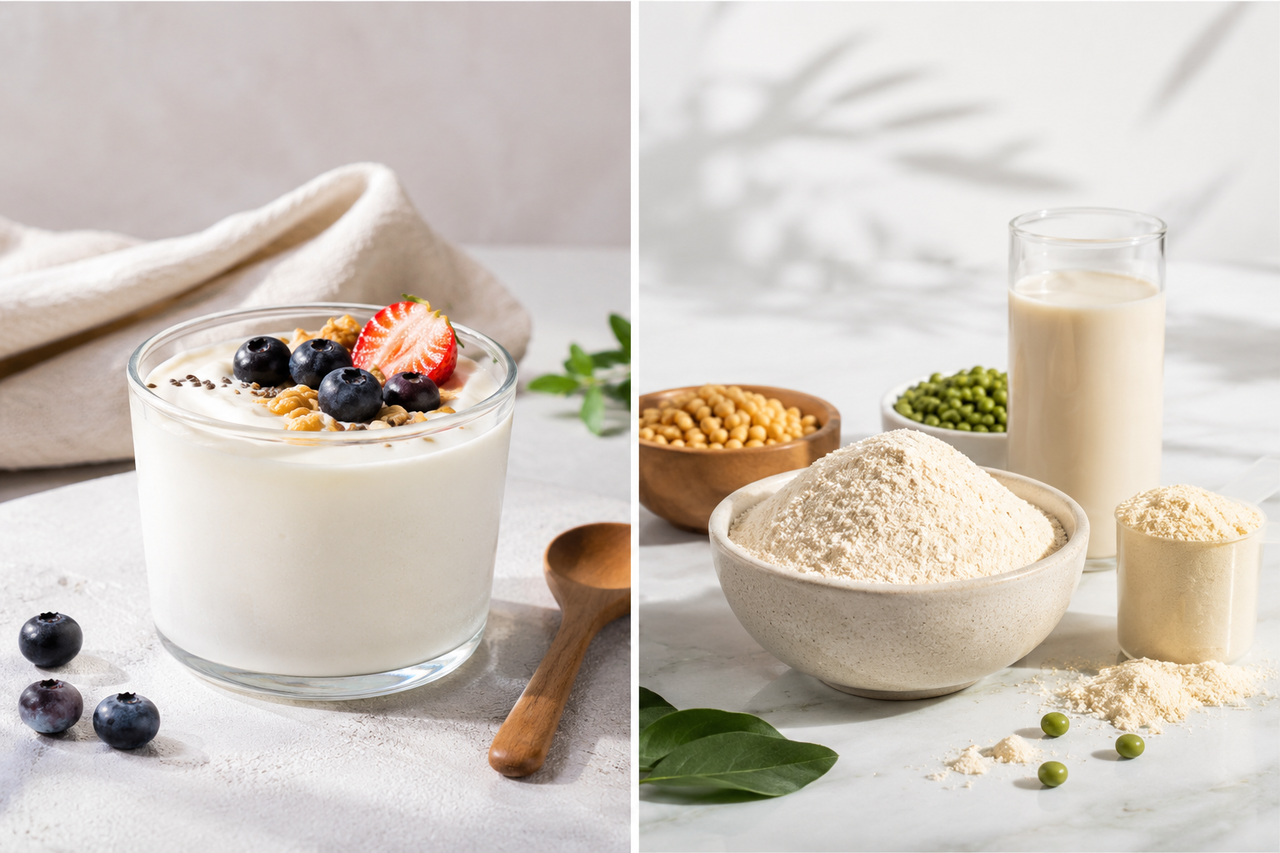
The Evolution of High-Protein Dairy-Free Foods
A decade ago, the dairy-free aisle was largely characterized by products that catered exclusively to those with lactose intolerance or strict vegan diets. While early iterations of almond milk and coconut-based yogurts offered fantastic flavors and a creamy mouthfeel, they frequently fell short in macronutrient density. Consumers often found themselves consuming products that contained less than one or two grams of protein per serving. This presented a significant challenge for individuals who relied on traditional Greek or Icelandic dairy yogurts as a primary source of morning nutrition.
Recognizing this substantial market gap, forward-thinking food scientists and innovative brands began heavily investing in research and development. The objective was clear: create a high-protein non-dairy yogurt that could rival, or even surpass, the nutritional profile of its dairy counterparts. By utilizing advanced extraction techniques and exploring a wider variety of robust crops—such as soy, yellow peas, faba beans, and oats—manufacturers successfully transformed the landscape.
Today, the high-protein plant-based sector is characterized by sophisticated fermentation processes. These advanced methods utilize traditional probiotic strains grown on dairy-free mediums, resulting in products that deliver excellent gut health benefits alongside 10 to 15 grams of premium plant-based protein per cup. This evolution has shifted plant-based yogurts from niche dietary substitutes into mainstream functional health foods.
Why You Need High-Protein Non-Dairy Yogurt in Your Diet
Transitioning to a plant-based diet, or simply incorporating more plant-based meals into your week, offers numerous environmental and physiological benefits. However, protein remains a crucial macronutrient required for muscle repair, hormone regulation, and overall cellular health.
Incorporating a high-protein non-dairy yogurt into your daily regimen is one of the most efficient ways to meet your nutritional goals. Unlike carbohydrate-heavy snacks that cause rapid spikes and subsequent crashes in blood sugar, protein provides sustained energy. This is particularly important for individuals with active lifestyles or those looking to optimize their fitness recovery. Furthermore, plant-based proteins are generally accompanied by dietary fiber—something entirely absent in traditional dairy products. This powerful combination of protein and fiber promotes a prolonged feeling of fullness, making it an excellent tool for mindful eating and weight management.
Key Factors in Selecting a High-Protein Dairy Free Yogurt
When navigating the modern supermarket shelves or sourcing products for retail distribution, you will quickly realize that not all plant-based yogurts are created equal. Understanding the nuances of ingredient profiles is absolutely essential for selecting a high-protein dairy free yogurt that perfectly aligns with your specific health goals and dietary requirements.
Evaluating the Plant Protein Source
The base ingredient dictates not only the flavor and texture of the yogurt but also its complex amino acid profile.
- Soy-Based: Soy is one of the few plant proteins considered "complete," meaning it contains all nine essential amino acids necessary for human health. Soy-based yogurts are traditionally the closest to dairy in both protein volume and thick texture, making them a reliable staple.
- Pea Protein: Derived from yellow split peas, this ingredient has surged in global popularity due to its hypoallergenic nature and incredibly high-protein yield. It is highly effective for muscle synthesis, making pea-based yogurts a favorite among athletes.
- Nut Blends (Almond, Cashew, Macadamia): While naturally low in protein, many premium brands now expertly fortify their nut-based yogurts with added pea, faba bean, or soy protein isolates. This intelligent blending bridges the gap between a rich, creamy taste and high nutritional value.
- Oat and Coconut: Beloved for their natural sweetness and luxurious texture, these bases are frequently fortified with supplemental plant proteins to elevate them to high-protein status without sacrificing their signature mouthfeel.
Watching Out for Added Sugars and Thickeners
A common pitfall in the dairy-free market is the over-reliance on added sugars and artificial flavorings to mask the earthy, sometimes bitter notes of raw plant proteins. When choosing your yogurt, it is crucial to carefully inspect the nutrition facts panel. Opt for unsweetened or lightly sweetened varieties whenever possible. Furthermore, check the ingredient list for clean-label emulsifiers and thickeners. While ingredients like fruit pectin, agar-agar, or tapioca starch are perfectly natural and safe, an excessively long list of artificial gums might indicate a highly processed product that strays from clean eating principles.
The Importance of Active Probiotic Cultures
The true essence of any yogurt—dairy or otherwise—lies in its fermentation. Ensure that the product explicitly states it contains "live and active cultures." Strains such as Lactobacillus acidophilus and Bifidobacterium are vital for maintaining a healthy, balanced gut microbiome. These probiotics improve digestion, enhance nutrient absorption, and boost the immune system, ensuring your high-protein non-dairy yogurt is as beneficial for your gut as it is for your muscles.
Crafting the Perfect High-Protein Dairy Free Breakfast
Starting your morning with a balanced, nutrient-dense meal sets a positive tone for your entire day. A high-protein dairy free breakfast stabilizes blood sugar levels, prevents mid-morning energy crashes, and supports acute cognitive function. Plant-based yogurt serves as an exceptionally versatile canvas for creating a wide variety of satisfying, culinary-forward morning meals.
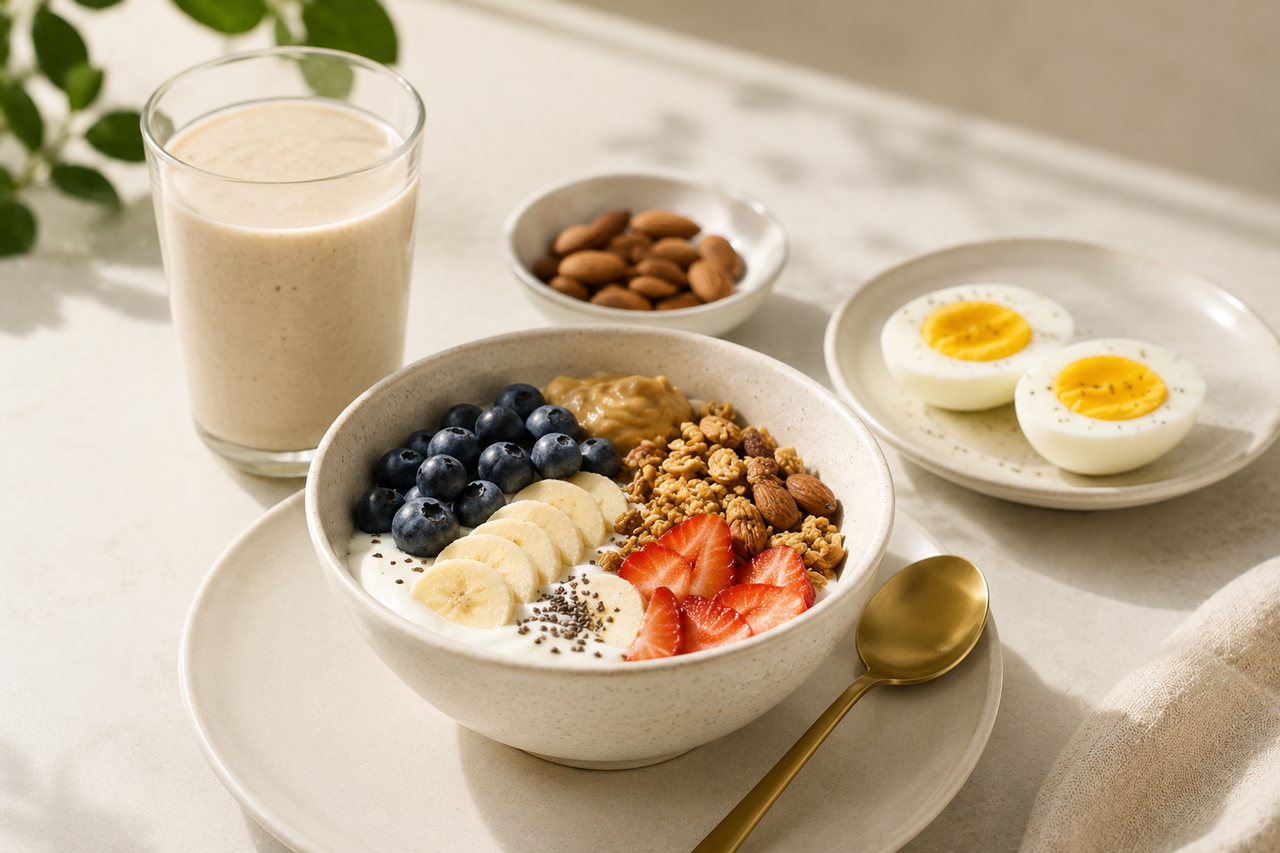
The most straightforward and visually appealing approach is to create a nutrient-packed yogurt bowl. Start with a generous serving of your chosen high-protein dairy free yogurt as the base. To amplify the macronutrient profile further, stir in a tablespoon of chia seeds or hemp hearts, both of which provide excellent plant-based omega-3 fatty acids and supplementary protein. Top the bowl with fresh, antioxidant-rich berries, such as wild blueberries or raspberries, and a handful of lightly toasted almonds or pumpkin seeds for a satisfying crunch.
For those with a busy, on-the-go lifestyle, blending the yogurt into a morning power smoothie is highly efficient. Combine the yogurt with a handful of fresh spinach, a frozen banana, a splash of oat milk, and a scoop of your favorite plant-based protein powder. This creates an easily digestible, exceptionally high-protein dairy free breakfast that you can take with you on your morning commute.
Alternatively, you can use the yogurt as a creamy base for overnight oats. By soaking rolled oats in a mixture of plant milk and high-protein yogurt in a mason jar overnight, you will wake up to a thick, pudding-like, ready-to-eat meal that requires zero morning prep time.
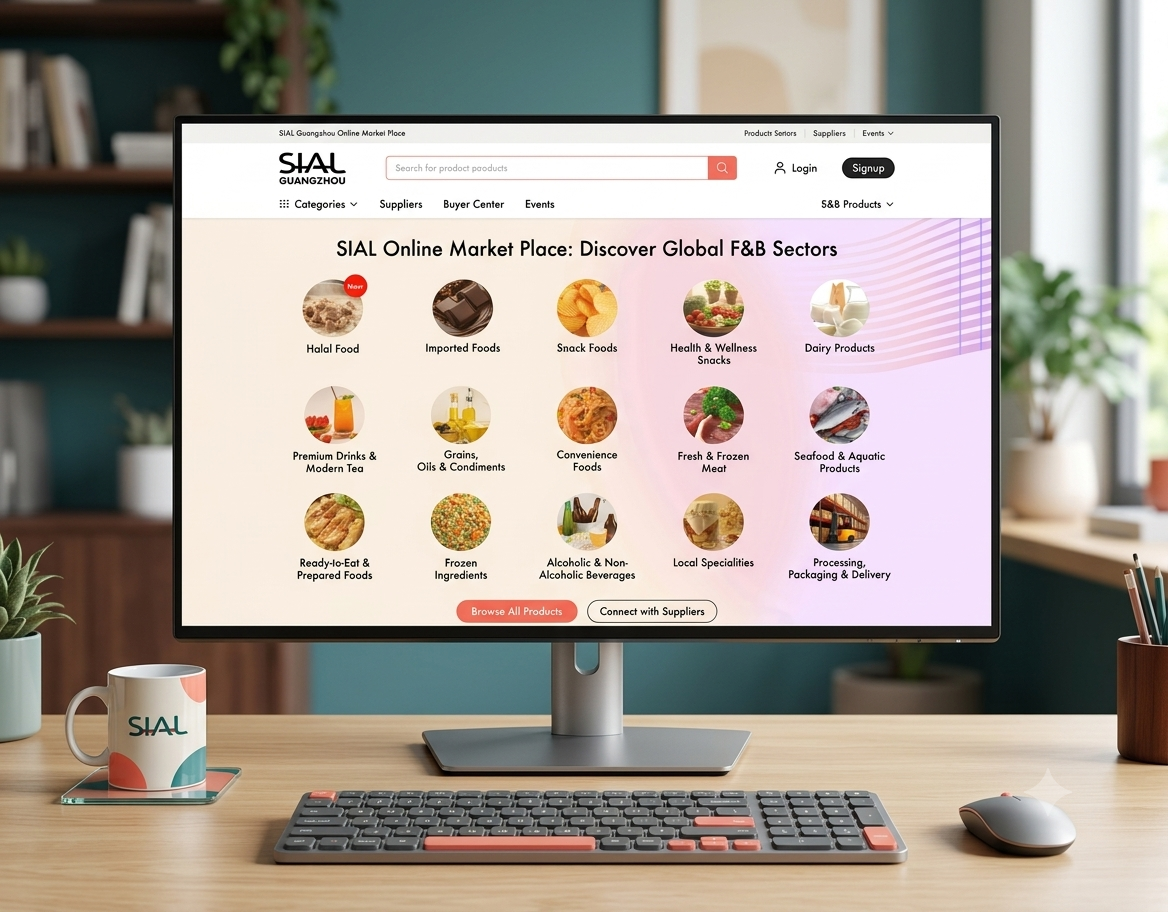
Discover Health Food Innovations at SIAL Guangzhou 2026
The theoretical knowledge of selecting the best dairy-free options becomes truly exciting when you actively seek out the practical innovations hitting the global market. Finding the perfect high-protein dairy free yogurt, or sourcing the raw ingredients to manufacture one, used to be a challenge. Today, the health food sector, particularly the plant-based category, is expanding at an unprecedented rate to meet these exact consumer and B2B demands.
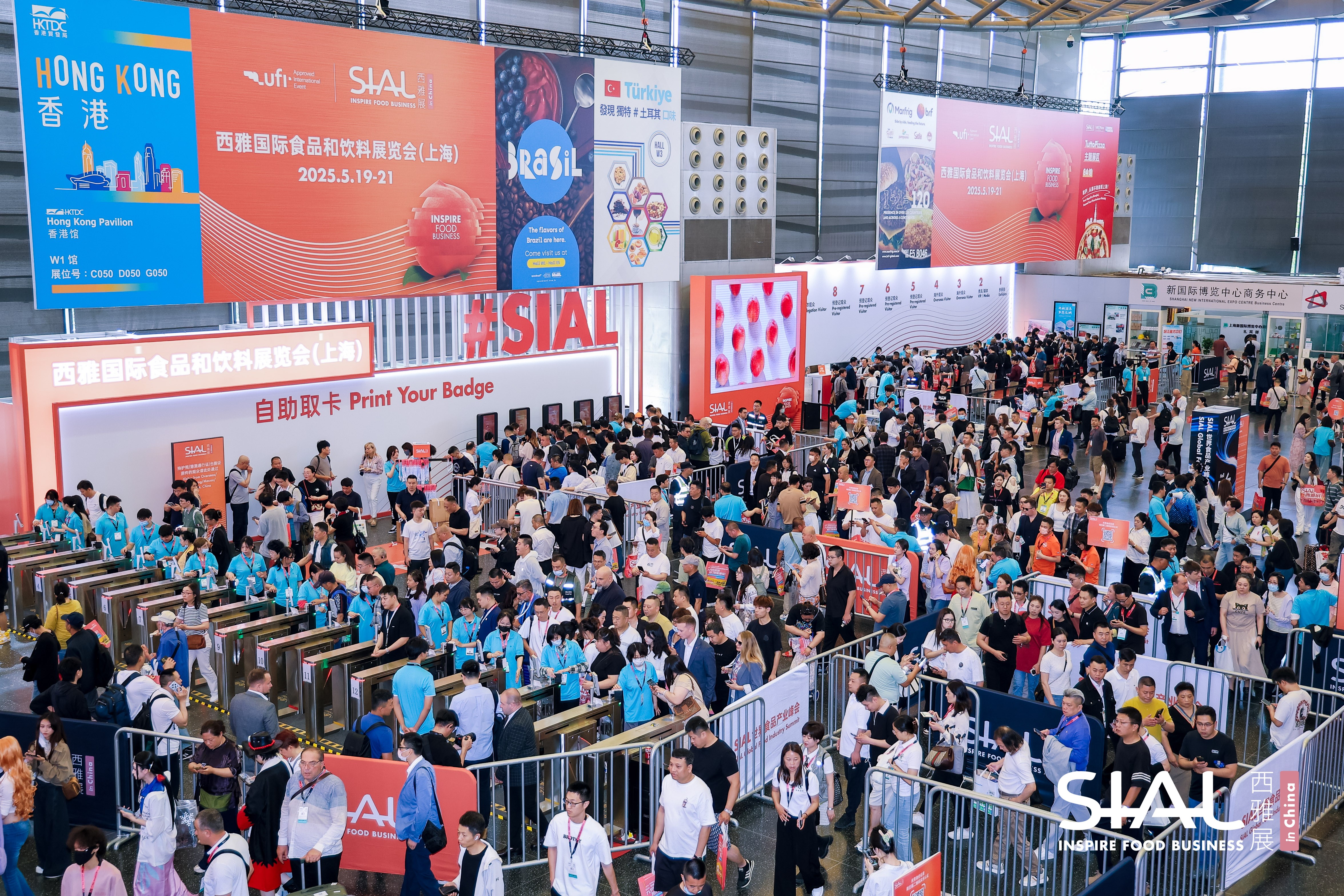
To stay ahead of these trends, industry professionals, distributors, and highly conscious consumers look to international exhibitions. SIAL Guangzhou 2026 is poised to be a landmark event for the food and beverage industry, serving as a vital bridge for B2B networking and market discovery. The exhibition floor will feature a dedicated sector for health foods, functional beverages, and plant-based alternatives.
To give you a head start on what’s shaping the future of high-protein diets, here is an exclusive look at how the exhibition addresses the specific dairy-free needs we've discussed, featuring three standout product innovations awaiting you:
Sunkist Original Pistachios Beverage for Plant-Based Bases
Creating a creamy, nutritionally dense yogurt starts with the right liquid base, but sometimes a premium ready-to-drink solution is exactly what you need to complement your diet. The exhibition highlights highly specialized products like the Sunkist Original Pistachios Beverage. This specific plant-based drink leverages high-fiber pistachios to deliver a lactose-free, fully vegan protein source. It directly addresses the industry's need for clean-label alternatives, making it an easily digestible option that is lighter on the stomach than animal proteins. Available in original, unsweetened, and chocolate flavors, it is an ideal liquid base for smoothies or a perfect companion for your morning routine.
Yinwei Zengdou Dried Tofu for Premium Snacking Options
A high-protein dairy free breakfast is often elevated by what you pair it with, and having satisfying, functional snacks throughout the day is equally crucial. SIAL showcases exhibitors that offer comprehensive, ready-to-eat meal solutions. For instance, exploring items like this Yinwei Zengdou Dried Tofu (168g) demonstrates exactly how brands are innovating within the healthy snack sector. Unlike heavily processed alternatives, this natural snack is meticulously crafted from approximately 120 pure yellow soybeans per piece, ensuring a high-protein, starch-free bite. It provides endless inspiration for maintaining a balanced, nutrient-dense diet without relying on dairy.
Lingdan Soft-Boiled Eggs for High-Quality Dairy-Free Protein
For health-conscious consumers and culinary professionals aiming to elevate their high-protein dairy free breakfast, sourcing the absolute best whole-food ingredients is the critical first step. Exhibitors featuring specialized products like these Lingdan Soft-boiled Eggs offer high-yield, naturally dairy-free protein. Backed by an edible raw-egg source and antibiotic-free certification, these eggs feature a perfectly golden runny yolk and tender egg white. They can be seamlessly integrated into morning salads, paired with noodles, or eaten right out of the box—making them an ultimate, fuss-free protein addition for fitness enthusiasts and those on a fat-loss journey.
If you are looking to expand your retail shelves or personal pantry with premium ingredients to build these nutritious meals, you can explore the full, extensive array of innovative premium dairy-free and health food products curated for both discerning consumers and elite industry buyers.
Embrace the Future of Plant-Based Nutrition
The journey to optimizing your daily diet with a high-protein dairy free yogurt is no longer a matter of dietary sacrifice; it is an exciting exploration of culinary innovation. As global processing technologies continue to improve and ingredient sourcing becomes more sustainable, the historical gap between traditional dairy and plant-based alternatives has virtually closed. By understanding various plant protein sources, scrutinizing labels for clean ingredients, and creatively integrating these products into a high-protein dairy free breakfast, you can effortlessly fuel your body with premium plant-based nutrition.
The global food landscape is moving rapidly toward a more sustainable, health-conscious future. Whether you are a consumer seeking the perfect product for your morning routine or a B2B professional looking to source the next best-selling item for your retail shelves, staying informed is critical. The breakthrough innovations driving this market forward will be on full display at SIAL Guangzhou 2026. By engaging with this platform, you gain firsthand access to the pioneers of the plant-based movement, ensuring that you remain firmly at the forefront of the modern health food revolution.
Frequently Asked Questions (FAQs)
1. Which non-dairy yogurt has the highest protein?
Generally, soy-based and pea-protein-based yogurts contain the highest natural protein levels in the non-dairy category. Soy is a complete plant protein, offering an amino acid profile very similar to dairy, typically yielding 10 to 15 grams of protein per serving. Pea protein is another nutritional powerhouse, highly favored for muscle recovery due to its dense protein yield. While nut-based or coconut yogurts are naturally lower in protein, many premium brands now expertly fortify them with added plant isolates (such as faba bean or soy) to boost their nutritional profile. Always check the nutrition label to ensure you are getting at least 10 grams per serving.
3. Does plant-based yogurt have as much protein as Greek yogurt?
Yes, but it strictly depends on the specific base ingredient and the brand. Traditional dairy Greek yogurt usually offers between 15 to 20 grams of protein per cup. While early plant-based yogurts fell short of this mark, modern food innovations have closed the gap. Today, dairy-free yogurts formulated with concentrated pea protein or dense soy bases can easily match or even exceed the protein content of traditional Greek yogurt. When shopping, look for products specifically marketed as "Greek-style plant-based yogurt," as these are formulated with advanced techniques to mimic both the thick texture and high macronutrient density of the dairy original.
4. Are high-protein dairy-free yogurts good for gut health?
Absolutely. Just like traditional dairy yogurt, high-quality dairy-free yogurts undergo a rigorous fermentation process. Manufacturers utilize live and active probiotic cultures—such as Lactobacillus and Bifidobacterium—grown on plant-based mediums. These probiotics are essential for maintaining a balanced gut microbiome, aiding in optimal digestion, and supporting immune function. Furthermore, plant-based yogurts naturally contain dietary fiber from their base ingredients, which acts as a prebiotic, effectively feeding the good bacteria in your gut. For the best functional health benefits, always opt for unsweetened varieties with clean-label ingredients.



'/%3e%3cdefs%3e%3clinearGradient%20id='paint0_linear_1477_4631'%20x1='18.272'%20y1='0'%20x2='18.272'%20y2='35.3674'%20gradientUnits='userSpaceOnUse'%3e%3cstop%20stop-color='%23FF9F9F'/%3e%3cstop%20offset='1'%20stop-color='%23F15E5E'/%3e%3c/linearGradient%3e%3c/defs%3e%3c/svg%3e)
'/%3e%3cdefs%3e%3clinearGradient%20id='paint0_linear_1477_4633'%20x1='17.5'%20y1='0'%20x2='17.5'%20y2='35'%20gradientUnits='userSpaceOnUse'%3e%3cstop%20stop-color='%23E9C0EE'/%3e%3cstop%20offset='1'%20stop-color='%23CE57DC'/%3e%3c/linearGradient%3e%3c/defs%3e%3c/svg%3e)