
'%3e%3cpath%20d='M10%200C4.4772%200%200%204.4772%200%2010C0%2014.6896%203.2288%2018.6248%207.5844%2019.7056V13.056H5.5224V10H7.5844V8.6832C7.5844%205.2796%209.1248%203.702%2012.4664%203.702C13.1%203.702%2014.1932%203.8264%2014.6404%203.9504V6.7204C14.4044%206.6956%2013.9944%206.6832%2013.4852%206.6832C11.8456%206.6832%2011.212%207.3044%2011.212%208.9192V10H14.4784L13.9172%2013.056H11.212V19.9268C16.1636%2019.3288%2020.0004%2015.1128%2020.0004%2010C20%204.4772%2015.5228%200%2010%200Z'%20fill='black'/%3e%3c/g%3e%3cdefs%3e%3cclipPath%20id='clip0_601_545'%3e%3crect%20width='20'%20height='20'%20fill='white'/%3e%3c/clipPath%3e%3c/defs%3e%3c/svg%3e)

'%3e%3cpath%20d='M18.5195%200H1.47656C0.660156%200%200%200.644531%200%201.44141V18.5547C0%2019.3516%200.660156%2020%201.47656%2020H18.5195C19.3359%2020%2020%2019.3516%2020%2018.5586V1.44141C20%200.644531%2019.3359%200%2018.5195%200ZM5.93359%2017.043H2.96484V7.49609H5.93359V17.043ZM4.44922%206.19531C3.49609%206.19531%202.72656%205.42578%202.72656%204.47656C2.72656%203.52734%203.49609%202.75781%204.44922%202.75781C5.39844%202.75781%206.16797%203.52734%206.16797%204.47656C6.16797%205.42188%205.39844%206.19531%204.44922%206.19531ZM17.043%2017.043H14.0781V12.4023C14.0781%2011.2969%2014.0586%209.87109%2012.5352%209.87109C10.9922%209.87109%2010.7578%2011.0781%2010.7578%2012.3242V17.043H7.79688V7.49609H10.6406V8.80078H10.6797C11.0742%208.05078%2012.043%207.25781%2013.4844%207.25781C16.4883%207.25781%2017.043%209.23438%2017.043%2011.8047V17.043Z'%20fill='black'/%3e%3c/g%3e%3cdefs%3e%3cclipPath%20id='clip0_601_548'%3e%3crect%20width='20'%20height='20'%20fill='white'/%3e%3c/clipPath%3e%3c/defs%3e%3c/svg%3e)
The global beverage market is experiencing a massive shift, driven by consumers seeking healthier, more authentic, and functionally beneficial hydration options. For international distributors, retailers, and food service procurement teams, this shift presents a highly lucrative opportunity. Among the most promising emerging categories are Southeast Asian drinks, which perfectly bridge the gap between exotic flavor profiles and global wellness trends. From dairy-free milk alternatives to premium carbonated mixers and natural hydration solutions, the Southeast Asian manufacturing sector is producing some of the most competitive products on the global stage.
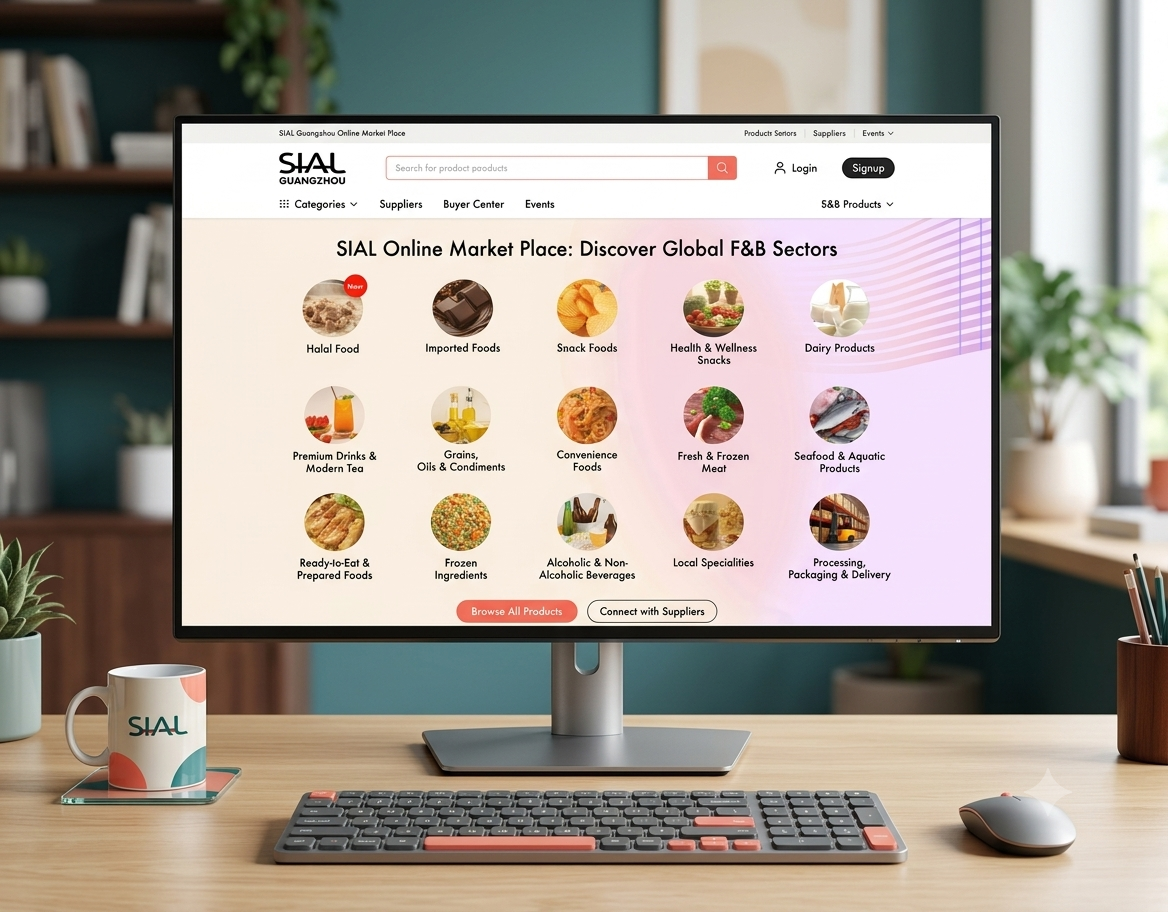
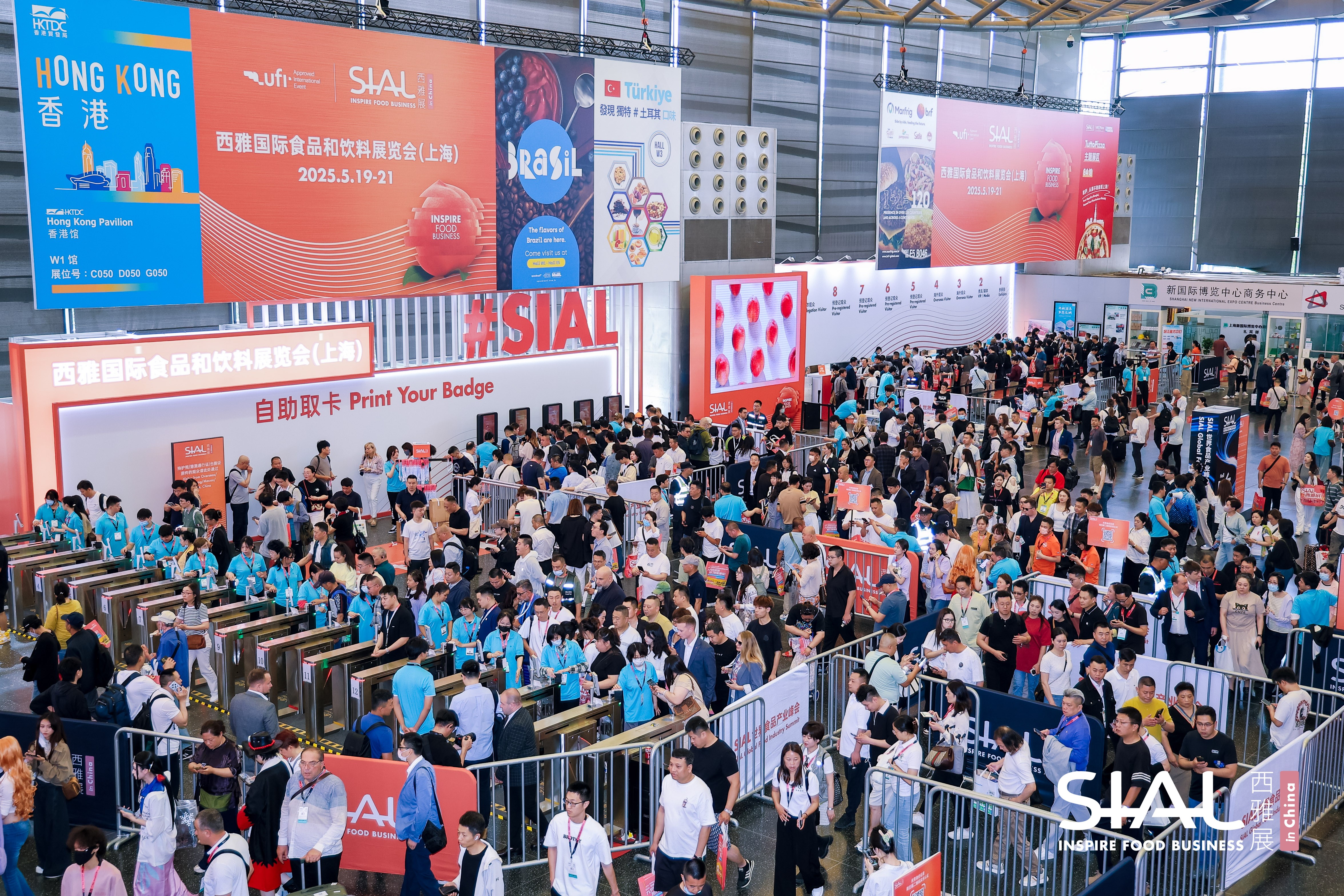
Finding the right products, however, requires strategic sourcing and a deep understanding of current market demands. Leading international food and beverage exhibitions, such as the renowned SIAL network, serve as critical bridges connecting ambitious global buyers with verified, high-quality suppliers. By attending pivotal trade events like SIAL Guangzhou, procurement professionals can bypass intermediaries, negotiate directly with brand representatives, and secure exclusive distribution rights for high-margin products.
This comprehensive sourcing guide explores three high-potential beverage categories—plant-based milks, premium carbonated water, and natural coconut water—highlighting industry-leading brands that are primed for global export success.
Plant-Based Beverages - Lactasoy
The global dairy-alternative market has transitioned from a niche dietary requirement to a mainstream lifestyle choice. Modern consumers demand Plant-based Beverages that do not compromise on taste, texture, or nutritional value. Southeast Asia, with its long-standing cultural tradition of consuming soy and nut-based milks, is home to some of the most experienced and scalable manufacturers in this sector. For B2B buyers, sourcing from this region guarantees product stability, authentic taste, and highly competitive wholesale pricing.
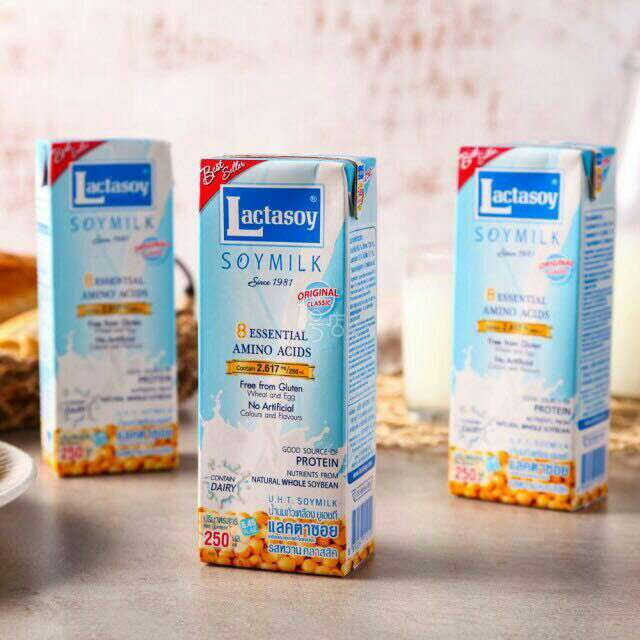
Brand Spotlight: Lactasoy
When discussing plant-based dominance in Southeast Asia, Lactasoy is an undeniable market leader. With decades of manufacturing expertise in Thailand, the brand has perfected the balance of high-quality soybean extraction and consumer-friendly flavor profiles.
- Nutritional Density and Taste: Lactasoy is renowned for its rich, creamy texture and high protein content. Unlike some Western soy milks that can taste overly processed or watery, Lactasoy utilizes traditional extraction methods that preserve the natural aroma and full-bodied mouthfeel of the soybean.
- B2B Sourcing Advantages: For global importers, Lactasoy offers exceptional supply chain stability. Their products are aseptically packaged in UHT (Ultra-High Temperature) cartons, ensuring a long, ambient shelf life. This eliminates the need for expensive cold-chain logistics during international ocean freight, significantly improving profit margins for overseas distributors.
- Retail Merchandising Strategy: Lactasoy performs exceptionally well in both mainstream supermarket dairy aisles and specialized Asian grocery channels. Its highly recognizable packaging drives impulse purchases among diaspora communities while appealing to mainstream lactose-intolerant demographics.
Portfolio Diversification for Importers
While rich, creamy soy milks handle the core dairy-alternative demand, modern retail shelves must also cater to consumers seeking lighter, fruit-infused refreshment. To maximize shelf space and appeal to a broader demographic, global buyers should consider diversifying their imported portfolio. Coupling traditional soy products with globally recognized, refreshing fruit-flavored options like a Sunkist drink creates a well-rounded beverage aisle. This strategy allows distributors to capture both the morning breakfast segment (with soy) and the afternoon refreshment segment (with citrus and fruit profiles), maximizing overall category revenue.
Sparkling Water - Singha
The international Hotel, Restaurant, and Café (HoReCa) sector is currently witnessing a premiumization trend in the mixer and carbonated beverage category. As cocktail and mocktail culture becomes more sophisticated, bartenders and consumers alike are demanding mixers that elevate the drinking experience. Plain, low-carbonation waters are being rapidly replaced by high-quality, robustly carbonated alternatives that hold their fizz and deliver a crisp, refreshing bite.
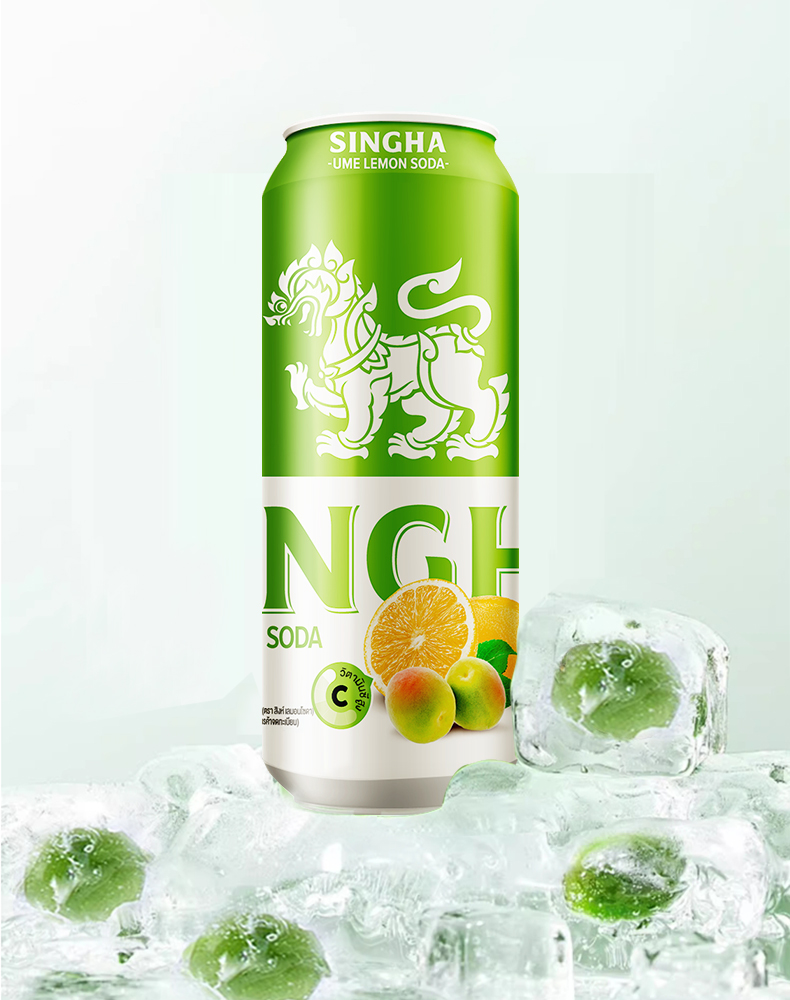
H3: Brand Spotlight: Singha
While globally recognized for its iconic beer, the Boon Rawd Brewery has engineered a secondary masterpiece that is taking the mixology world by storm.
- Superior Carbonation Profile: Singha sparkling water is celebrated by professional mixologists for its exceptionally high carbonation levels. The aggressive, long-lasting bubbles ensure that highball drinks, spritzes, and complex cocktails retain their effervescence from the first sip to the last.
- Brand Heritage and Premium Positioning: Singha carries an aura of Southeast Asian heritage and premium quality. For high-end restaurants and boutique grocers, stocking Singha elevates the perceived value of their beverage offerings. The brand's iconic mythical lion logo instantly communicates authenticity and quality to the end consumer.
- B2B Sourcing Advantages: Singha's soda water is traditionally packaged in sturdy, aesthetically pleasing glass bottles. For importers catering to the premium on-trade market (bars, clubs, and fine dining), this glass packaging is a mandatory requirement. Furthermore, the brand's established global logistics network ensures that wholesale orders are fulfilled with precision and minimal breakage.
- Retail Merchandising Strategy: Position this product heavily toward B2B food service accounts. In retail settings, cross-merchandise Singha alongside premium spirits, artisanal syrups, and fresh citrus to encourage basket-building for home mixologists.
Coconut Water - MIRAMAR
Hydration is evolving rapidly across global markets. Consumers are actively moving away from artificially colored, high-sugar sports drinks in favor of natural electrolytes, clean labels, and single-ingredient refreshment. The tropical climate of Southeast Asia produces coconuts with a naturally sweeter, more balanced flavor profile than those grown in other regions, making it the premier sourcing destination for this booming category.
Brand Spotlight: MIRAMAR
In a crowded beverage market, distinguishing a premium hydration product requires a strict focus on source quality and processing transparency. While diversified brands offer a variety of tropical drink options, MIRAMAR has positioned itself as an elite, specialized player in the pure hydration sector.
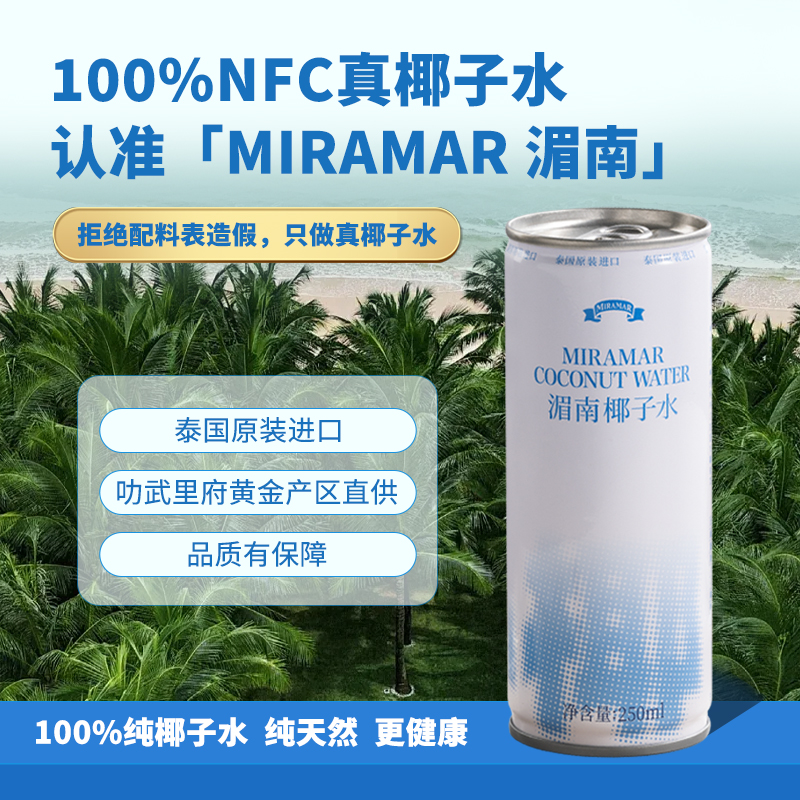
- 100% NFC & Premium Sourcing: MIRAMAR’s standout feature is its 100% NFC (Not From Concentrate) formulation. Imported directly from Thailand, the brand sources exclusively from the "golden production area" of Ratchaburi Province. This hyper-local sourcing guarantees a level of quality and authenticity that concentrate-based waters simply cannot match.
- Unique Flavor Profile (The Dual-Blend): What truly separates MIRAMAR on the shelf is its proprietary ingredient ratio. Instead of relying on a single variety, the product uses a precise blend of traditional green coconuts and premium aromatic coconuts (often referred to as Nam Hom). This results in a clear, sweet taste that mimics the experience of drinking straight from a freshly cracked coconut.
- B2B Sourcing Advantages: Having earned a MUSE Gold Award, MIRAMAR is a proven winner in both quality and presentation. It contains zero additives, offering a naturally low-sugar and low-calorie profile that is rich in electrolytes. Packaged in sleek, easy-to-store 250ml cans, it is highly shelf-stable and requires only standard cool, dry storage conditions, minimizing logistical headaches for international importers.
- Retail Merchandising Strategy: This product perfectly aligns with the global "food as medicine" and clean-living movements. It is an ideal SKU for targeting fitness enthusiasts, yoga practitioners, and health-conscious shoppers. Retailers should position MIRAMAR in high-traffic, chilled grab-and-go coolers near store entrances, or merchandise it within specialized "sports nutrition" aisles to capture intent-driven buyers.
Selection Guide: Sourcing Tips for Global Beverage Buyers
Successfully importing food and beverage products requires more than just identifying a great-tasting brand. Global procurement teams must navigate a complex web of logistics, regulations, and consumer preferences. Here are critical tips for sourcing beverages efficiently:
- Verify International Certifications: Before initiating any purchase order, ensure the supplier holds the necessary certifications for your specific import market. Look for FDA registration, ISO 22000 (Food Safety Management), HACCP, and Halal certifications. These documents are non-negotiable for smooth customs clearance and retail compliance.
- Evaluate Packaging and Palletization: International shipping is tough on freight. Assess the supplier's packaging durability. For instance, evaluate whether UHT cartons have sturdy corrugated outer master cartons, or if glass bottles are adequately partitioned to prevent shattering during rough ocean transit. Efficient palletizing also maximizes container space, lowering the per-unit shipping cost.
- Understand Shelf Life Dynamics: Focus on products with an ambient shelf life of at least 12 to 18 months from the date of manufacture. Given the time required for freight forwarding, customs clearance, and warehouse distribution, a long shelf life minimizes the risk of shrinkage and discount markdowns.
- Analyze Local Flavor Palates: Southeast Asian beverages are traditionally sweeter than Western equivalents. When negotiating with suppliers, discuss whether they offer reformulated versions with lower Brix (sugar) levels to align with the health-conscious trends of North American or European markets.
- Leverage B2B Matchmaking Platforms: Do not rely solely on internet searches. Attend major industry exhibitions to sample products, inspect packaging firsthand, and build trust with factory representatives. Face-to-face negotiations often yield better payment terms and exclusivity agreements.
Conclusion
The export potential for Southeast Asian beverages is at an all-time high. By tapping into the rapid growth of plant-based milks, the premiumization of carbonated mixers, and the natural hydration movement, global buyers can build highly profitable and resilient product portfolios. Brands like Lactasoy, Singha, and Viloe represent the pinnacle of regional manufacturing excellence, offering the perfect blend of authentic taste, commercial scalability, and international appeal.
To stay ahead of global market trends and secure the most competitive wholesale contracts, proactive procurement strategies are essential. We strongly encourage global buyers, regional distributors, and retail category managers to explore these innovative product lines and connect with verified, industry-leading suppliers in person at upcoming global trade events like SIAL Guangzhou.
FAQs
1. What are the most popular Southeast Asian drinks for international import right now?
The most highly sought-after categories currently include natural coconut water, functional botanical teas, and plant-based milks (specifically soy, almond, and oat blends). Consumers globally are drawn to these products because they offer clean-label hydration and align with dairy-free and vegan dietary preferences.
2. Why is Southeast Asian sparkling water gaining popularity in the West?
Southeast Asian carbonated waters are prized by the international HoReCa industry for their robust and aggressive carbonation. Unlike softer Western mineral waters, these products retain their fizz significantly longer when mixed with ice, syrups, and spirits, making them the preferred choice for professional mixologists crafting premium cocktails.
3. How can global buyers connect with reliable beverage suppliers from the region?
The most effective way to secure reliable supply chains is through established international food and beverage exhibitions. Platforms like the SIAL network provide a vetted, professional environment where buyers can physically sample products, audit supplier certifications on the spot, and negotiate complex distribution logistics directly with the manufacturer's export teams.


'/%3e%3cdefs%3e%3clinearGradient%20id='paint0_linear_1477_4631'%20x1='18.272'%20y1='0'%20x2='18.272'%20y2='35.3674'%20gradientUnits='userSpaceOnUse'%3e%3cstop%20stop-color='%23FF9F9F'/%3e%3cstop%20offset='1'%20stop-color='%23F15E5E'/%3e%3c/linearGradient%3e%3c/defs%3e%3c/svg%3e)
'/%3e%3cdefs%3e%3clinearGradient%20id='paint0_linear_1477_4633'%20x1='17.5'%20y1='0'%20x2='17.5'%20y2='35'%20gradientUnits='userSpaceOnUse'%3e%3cstop%20stop-color='%23E9C0EE'/%3e%3cstop%20offset='1'%20stop-color='%23CE57DC'/%3e%3c/linearGradient%3e%3c/defs%3e%3c/svg%3e)