
'%3e%3cpath%20d='M10%200C4.4772%200%200%204.4772%200%2010C0%2014.6896%203.2288%2018.6248%207.5844%2019.7056V13.056H5.5224V10H7.5844V8.6832C7.5844%205.2796%209.1248%203.702%2012.4664%203.702C13.1%203.702%2014.1932%203.8264%2014.6404%203.9504V6.7204C14.4044%206.6956%2013.9944%206.6832%2013.4852%206.6832C11.8456%206.6832%2011.212%207.3044%2011.212%208.9192V10H14.4784L13.9172%2013.056H11.212V19.9268C16.1636%2019.3288%2020.0004%2015.1128%2020.0004%2010C20%204.4772%2015.5228%200%2010%200Z'%20fill='black'/%3e%3c/g%3e%3cdefs%3e%3cclipPath%20id='clip0_601_545'%3e%3crect%20width='20'%20height='20'%20fill='white'/%3e%3c/clipPath%3e%3c/defs%3e%3c/svg%3e)

'%3e%3cpath%20d='M18.5195%200H1.47656C0.660156%200%200%200.644531%200%201.44141V18.5547C0%2019.3516%200.660156%2020%201.47656%2020H18.5195C19.3359%2020%2020%2019.3516%2020%2018.5586V1.44141C20%200.644531%2019.3359%200%2018.5195%200ZM5.93359%2017.043H2.96484V7.49609H5.93359V17.043ZM4.44922%206.19531C3.49609%206.19531%202.72656%205.42578%202.72656%204.47656C2.72656%203.52734%203.49609%202.75781%204.44922%202.75781C5.39844%202.75781%206.16797%203.52734%206.16797%204.47656C6.16797%205.42188%205.39844%206.19531%204.44922%206.19531ZM17.043%2017.043H14.0781V12.4023C14.0781%2011.2969%2014.0586%209.87109%2012.5352%209.87109C10.9922%209.87109%2010.7578%2011.0781%2010.7578%2012.3242V17.043H7.79688V7.49609H10.6406V8.80078H10.6797C11.0742%208.05078%2012.043%207.25781%2013.4844%207.25781C16.4883%207.25781%2017.043%209.23438%2017.043%2011.8047V17.043Z'%20fill='black'/%3e%3c/g%3e%3cdefs%3e%3cclipPath%20id='clip0_601_548'%3e%3crect%20width='20'%20height='20'%20fill='white'/%3e%3c/clipPath%3e%3c/defs%3e%3c/svg%3e)
Whether you are a health-conscious consumer or a beverage industry professional, navigating the diverse world of fruit juice products is essential in today's dynamic market. From selecting the best fruit juice for breakfast to understanding the logistical and nutritional advantages of frozen fruit juice, everyday consumption options have expanded significantly. As global flavor profiles evolve and consumer demands shift toward natural ingredients, staying ahead of industry trends is crucial.
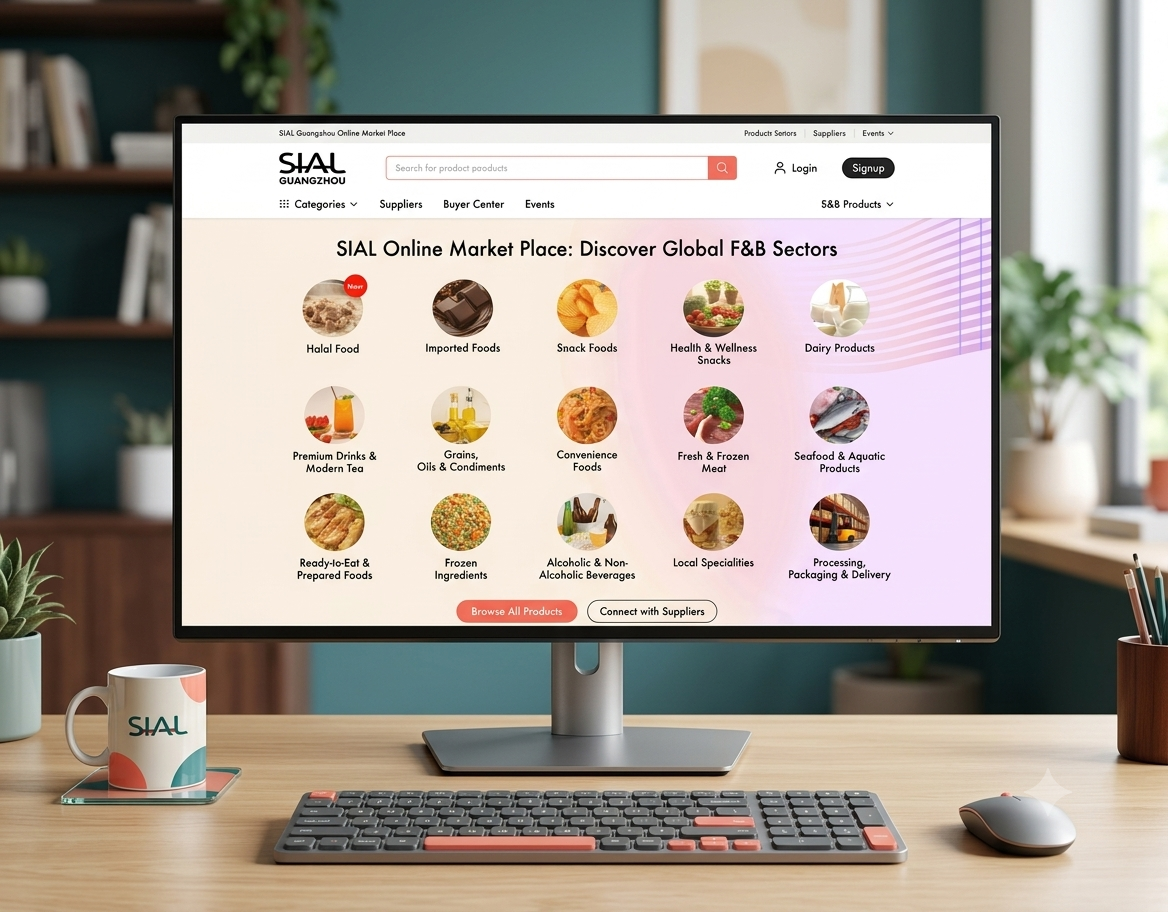
This article explores common consumption scenarios, highlights innovative product forms, and introduces the premier networking platform for the food and beverage industry, SIAL Guangzhou, part of the renowned SIAL in China exhibition network.
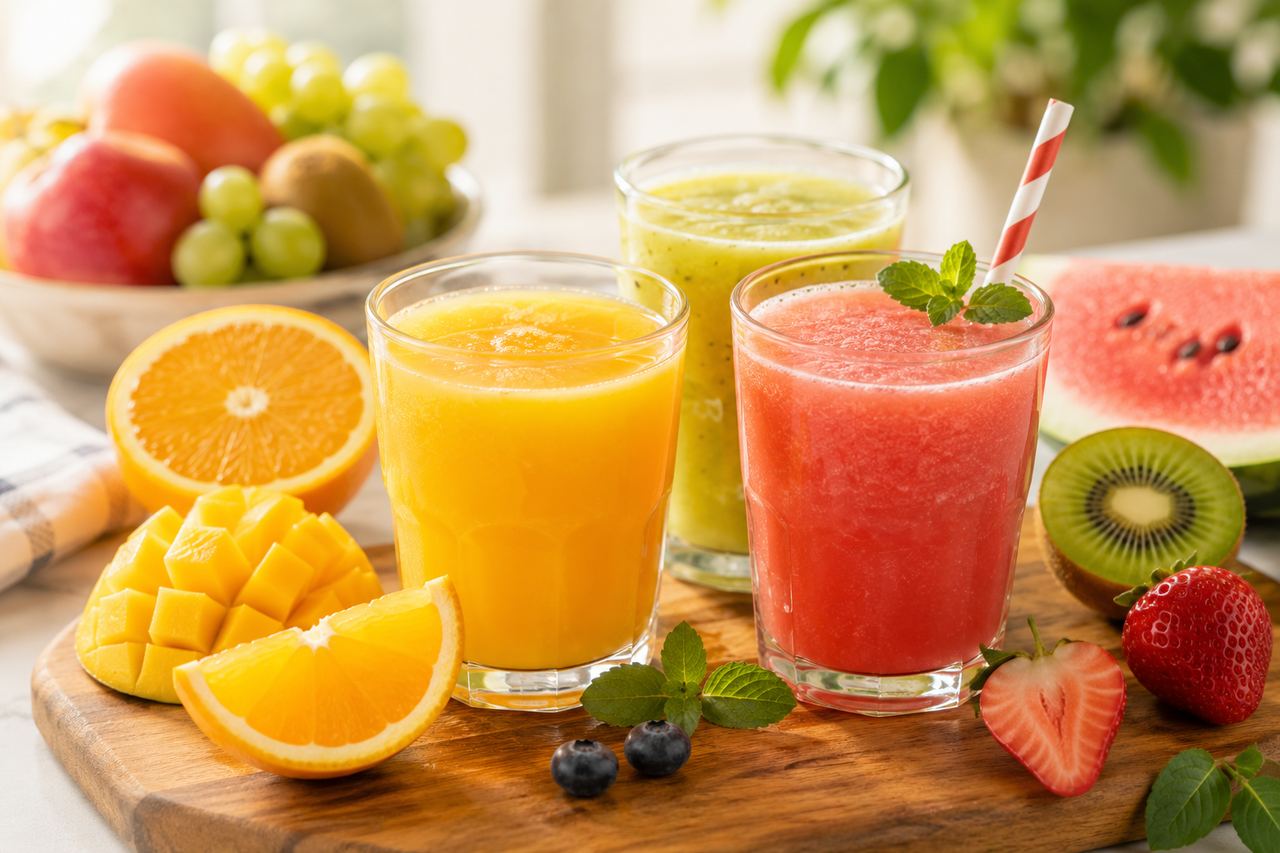
The Evolution of Fruit Juice in Daily Consumer Life
The beverage industry has witnessed a massive transformation over the past decade. Historically, fruit juice was often viewed simply as a sweet treat or a standard morning beverage. However, as global health awareness has surged, consumers are now actively seeking out functional beverages that offer tangible nutritional benefits. Today's fruit juice products are expected to deliver high concentrations of vitamins, antioxidants, and dietary fiber, all while maintaining a natural and authentic flavor profile.
This evolution has led to a diversification of product forms on supermarket shelves and in commercial kitchens alike. We now see everything from cold-pressed artisanal blends and clarified juices to highly concentrated nectars. The modern consumer is highly educated about ingredients, preferring products with no added sugars and clear, transparent labeling. For retailers, distributors, and food service providers, understanding these shifting preferences is the key to curating a successful beverage portfolio that resonates with everyday consumption habits.
Identifying the Best Fruit Juice for Breakfast
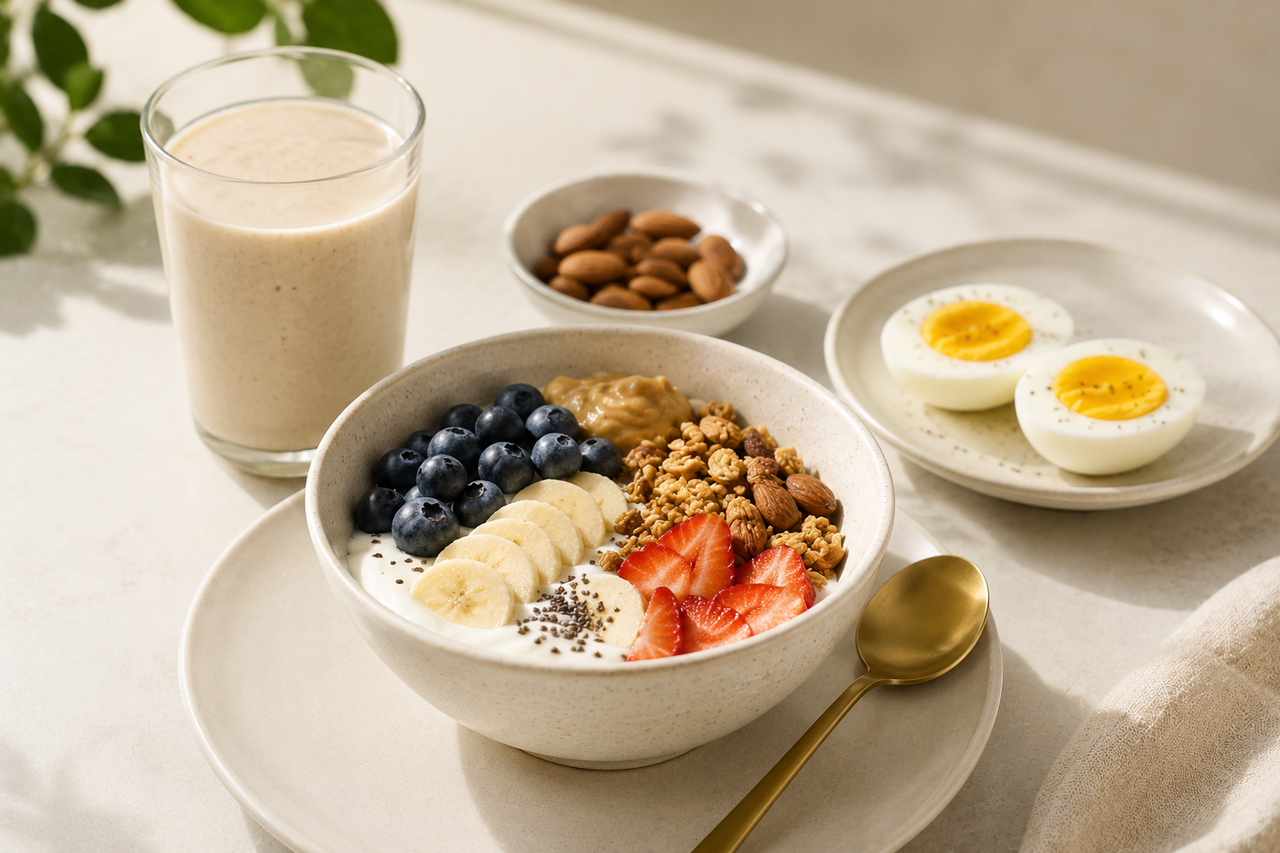
Morning routines dictate a significant portion of global beverage sales. When consumers wake up, they are typically dehydrated and in need of an immediate source of easily digestible energy and essential nutrients. This makes the morning meal the prime consumption scenario for liquid nutrition. But what exactly qualifies as the best fruit juice for breakfast?
Traditionally, orange juice has held the crown as the undisputed morning staple, primarily due to its high Vitamin C content and refreshing acidity that helps wake up the palate. However, the definition of the best fruit juice for breakfast has expanded. Apple juice remains a gentle, stomach-friendly option favored by families with young children. Meanwhile, grapefruit juice appeals to those seeking a lower-calorie, tart alternative to jumpstart their metabolism.
More recently, functional blends have entered the conversation. Pomegranate and tart cherry juices are increasingly consumed in the morning for their antioxidant properties, while green juices blending apples, celery, and spinach offer a robust nutrient profile. Ultimately, the best fruit juice for breakfast depends on the individual's nutritional goals. For industry professionals, offering a diverse range of single-fruit and blended morning juices is essential to capturing this high-volume market segment.
The Rise and Benefits of Frozen Fruit Juice
While fresh and shelf-stable juices dominate retail aisles, there is a rapidly growing market for frozen fruit juice. In both commercial food service and domestic kitchens, frozen fruit juice products offer unique advantages that solve many of the logistical challenges associated with fresh produce.
One of the primary benefits of frozen fruit juice is the preservation of nutrients. Fruits that are destined for freezing are typically harvested at their peak ripeness and frozen immediately. This rapid freezing process locks in vitamins, minerals, and the natural flavor profile, preventing the degradation that often occurs during the transportation and extended shelf life of liquid juices. When a consumer thaws and prepares a frozen fruit juice concentrate or puree, they are often experiencing a nutritional value comparable to—or even exceeding that of—freshly squeezed juice.
Furthermore, frozen fruit juice provides unparalleled versatility. In cafes and restaurants, frozen purees and concentrates are the backbone of smoothie bowls, blended beverages, and craft cocktails. They reduce food waste by offering an extended shelf life and allow establishments to serve out-of-season flavors year-round without compromising on taste. For everyday consumers, popping a portion of frozen fruit juice into a morning blender ensures a cold, refreshing, and nutrient-dense beverage in minutes.
Diverse Everyday Consumption Scenarios
Beyond the breakfast table, fruit juice products are seamlessly integrated into various moments throughout the day. Understanding these scenarios helps brands tailor their packaging, marketing, and product formulations.
The Mid-Day Energy Boost:
Around mid-afternoon, many consumers experience a slump in energy. Instead of reaching for caffeinated sodas or coffee, there is a growing trend of consuming small, concentrated "shots" of juice. Ginger, apple, and citrus blends provide a natural, revitalizing kick that fits perfectly into a busy work schedule.
Post-Workout Hydration:
Fitness enthusiasts are increasingly turning to natural beverages for recovery. A well-formulated fruit juice, particularly those rich in potassium like watermelon or tart cherry juice, can aid in muscle recovery and replenish glycogen stores depleted during exercise.
Culinary and Mixology Applications:
In the evening, the consumption shifts from direct drinking to mixing. High-quality juices are essential mixers for both alcoholic cocktails and the rapidly expanding market of premium mocktails. The vibrant colors and natural acidity of fruit extracts elevate the dining and drinking experience, making them a staple in modern gastronomy.
Discovering Beverage Innovations at SIAL Guangzhou 2026
As the global demand for diverse, high-quality beverage options continues to climb, industry professionals require a reliable platform to source new products, understand market trends, and connect with top-tier suppliers. This is where comprehensive trade exhibitions play a pivotal role.
Exploring the Beverage Sector at SIAL in China
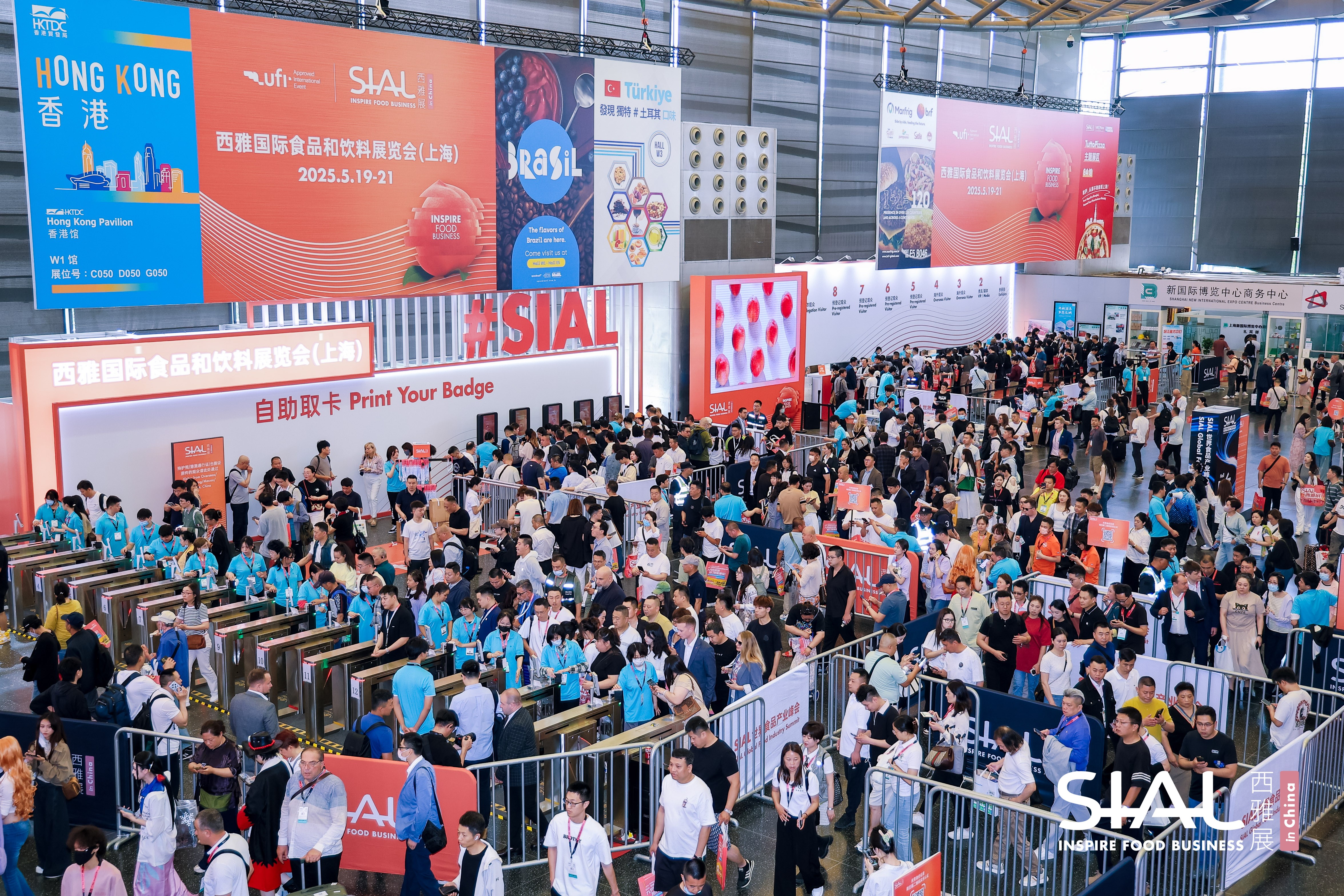
SIAL in China has long been recognized as a cornerstone event for the global food and beverage industry. For professionals specifically focused on liquid nutrition, the upcoming SIAL Guangzhou 2026 exhibition represents an unmissable opportunity. The dedicated beverage sector at the trade show will feature a vast array of international and domestic exhibitors showcasing everything from the best fruit juice for breakfast catering to C-end consumers, to bulk frozen fruit juice solutions designed for B2B food service operations.
Attending the exhibition allows buyers, distributors, and retailers to experience product innovations firsthand. It is an environment where you can taste the subtle differences in extraction methods, evaluate the quality of packaging, and negotiate directly with the manufacturers driving the industry forward.
Spotlight on Innovative Chinese Fruit Juice Exhibitors
China's domestic beverage market is characterized by rapid innovation, advanced extraction capabilities, and a deep understanding of functional, everyday ingredients. At SIAL Guangzhou 2026, buyers will have the opportunity to explore premium products that highlight China's rich agricultural regions and cutting-edge processing techniques.
For instance, buyers can source standout products like this Premium NFC Fruit Juice. This type of beverage utilizes cold-pressing technology to maintain the natural integrity and nutrients of the fruit, making it a highly competitive and nutritious option for consumers searching for the best fruit juice for breakfast.
Another excellent example of domestic innovation can be found with this Commercial Frozen Fruit Juice. This offering showcases high-quality frozen fruit juice formats that lock in peak ripeness, perfectly catering to B2B food service operations and households that require consistent, year-round flavor for their morning blends.
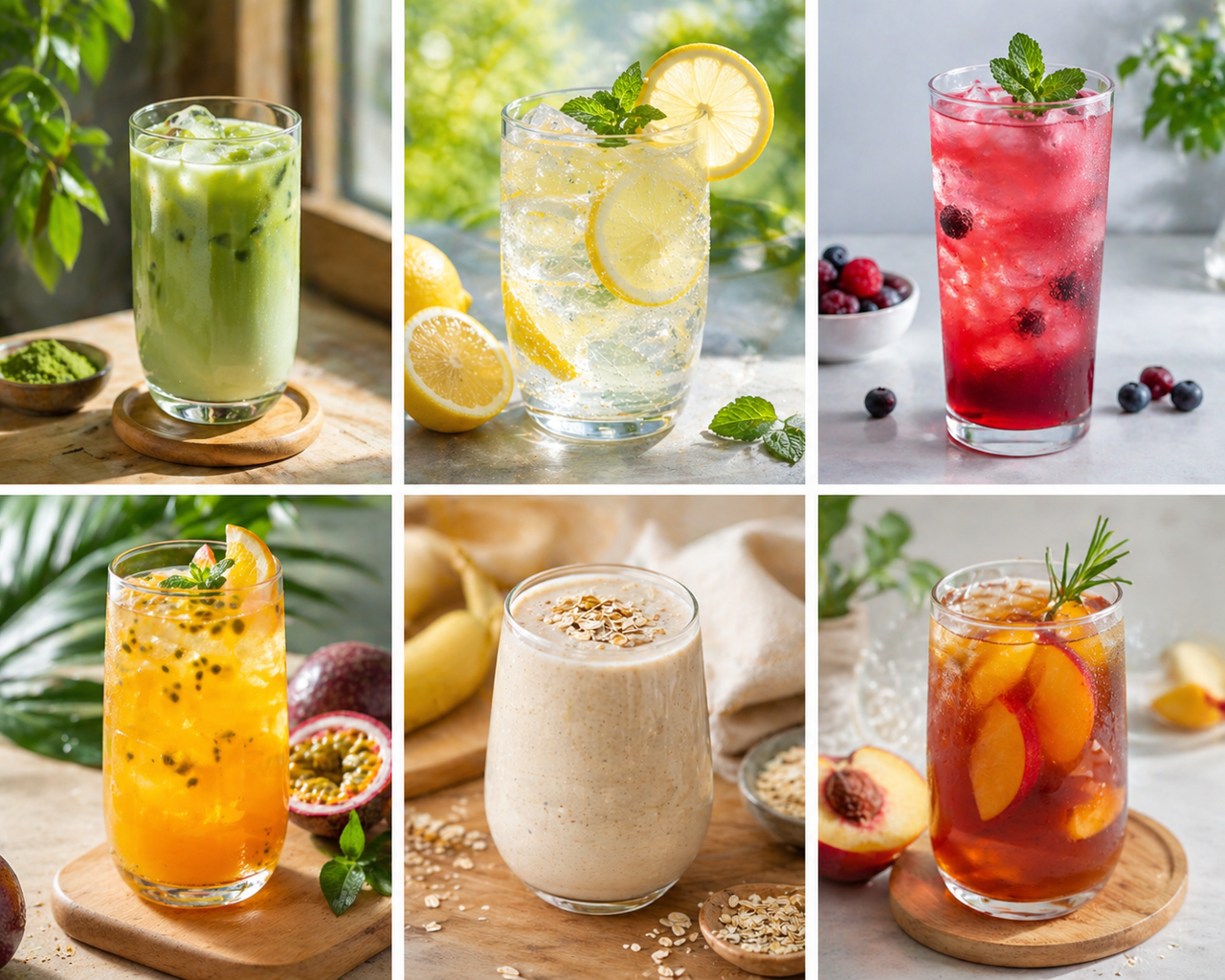
To further expand your sourcing portfolio, attendees can discover versatile options like this High-Quality Chinese Fruit Beverage. Products in this category demonstrate how local manufacturers are blending authentic flavor profiles with modern nutritional demands to deliver a refreshing fruit juice experience.
These Chinese suppliers are fully equipped to handle high-volume B2B orders while maintaining strict quality control standards, ensuring your beverage offerings remain globally competitive.
Conclusion
The landscape of fruit juice products is vast, dynamic, and continually adapting to the needs of the modern consumer. Finding the best fruit juice for breakfast is no longer just about picking up a carton of orange juice; it is about exploring a world of functional, nutrient-dense options tailored to personal health goals. Simultaneously, the rising prominence of frozen fruit juice is revolutionizing how commercial kitchens and everyday consumers access peak-freshness flavors year-round.
As everyday consumption options multiply, staying competitive in the beverage market requires constant discovery and strategic sourcing. SIAL Guangzhou 2026 offers the ultimate B2B platform to bridge the gap between innovative manufacturers and eager markets. By exploring the diverse offerings from top-tier Chinese producers and exceptional Southeast Asian brands, industry professionals can secure the partnerships necessary to thrive in the flourishing global beverage industry.
Frequently Asked Questions (FAQs)
1. Which fruit is best for juice?
The "best" fruit for juice entirely depends on your nutritional goals and flavor preferences. Classic fruits like oranges and apples are universally loved for their refreshing taste and high vitamin C content. However, for a more functional, nutrient-dense beverage, dark berries, pomegranates, and tart cherries are excellent choices due to their high antioxidant levels. In commercial settings, tropical fruits like mangoes and pineapples are highly favored for their natural sweetness and rich texture, making them ideal for smoothies and culinary blends.
2. What is the healthiest fruit juice for breakfast?
The best fruit juice for breakfast is typically a cold-pressed, 100% pure juice with zero added sugars. While traditional orange or grapefruit juice offers a great morning metabolic boost and hydration, many health-conscious consumers are turning to functional blends. Green juices that combine low-sugar fruits like green apples with leafy greens (such as spinach or celery) provide a powerful mix of vitamins, minerals, and enzymes to start the day. Ultimately, the healthiest morning option provides sustained energy without causing a sharp blood sugar spike.
3. What is frozen fruit juice called?
Frozen fruit juice is commonly referred to in the industry as frozen juice concentrate, fruit puree, or flash-frozen fruit extract. These products are created by extracting the juice or blending the whole fruit at its peak ripeness and immediately freezing it at sub-zero temperatures. This rapid process locks in the natural flavor and essential nutrients, preventing degradation. They are incredibly popular in both home kitchens and B2B food service operations because they offer an extended shelf life and consistent, year-round flavor.
4. Is frozen fruit juice as healthy as fresh juice?
Yes, frozen fruit juice can be just as healthy—and sometimes even more nutritious—than fresh juice that has been sitting on a store shelf. Because the fruits are flash-frozen immediately after harvesting at their peak ripeness, the essential vitamins, minerals, and antioxidants are securely preserved. This prevents the slow nutritional loss that naturally occurs over time when liquid juice is transported, exposed to light, and displayed for days or weeks.
5. What are the current trends in the fruit juice industry?
The modern fruit juice market is heavily driven by the demand for "clean label" products, meaning consumers want simple, natural ingredients with no artificial preservatives or added sugars. There is a massive shift towards NFC (Not From Concentrate) and cold-pressed juices that maintain the raw nutritional profile of the fruit. Additionally, exotic tropical flavor profiles and functional juices fortified with immunity-boosting ingredients are dominating the market—trends that buyers frequently explore at major international food and beverage exhibitions like SIAL.



'/%3e%3cdefs%3e%3clinearGradient%20id='paint0_linear_1477_4631'%20x1='18.272'%20y1='0'%20x2='18.272'%20y2='35.3674'%20gradientUnits='userSpaceOnUse'%3e%3cstop%20stop-color='%23FF9F9F'/%3e%3cstop%20offset='1'%20stop-color='%23F15E5E'/%3e%3c/linearGradient%3e%3c/defs%3e%3c/svg%3e)
'/%3e%3cdefs%3e%3clinearGradient%20id='paint0_linear_1477_4633'%20x1='17.5'%20y1='0'%20x2='17.5'%20y2='35'%20gradientUnits='userSpaceOnUse'%3e%3cstop%20stop-color='%23E9C0EE'/%3e%3cstop%20offset='1'%20stop-color='%23CE57DC'/%3e%3c/linearGradient%3e%3c/defs%3e%3c/svg%3e)