

The New Rules of Healthy Snacking: What Consumers Really Want
The way we eat is changing very fast. In the past, many people thought of snacking as a "guilty pleasure." They tried to avoid eating between meals. But that old rule is gone now. Today, people see snacking as an important part of their daily health. They do not want empty calories anymore. They want healthy snacks that give them real energy for their busy lives. This shift is forcing the food industry to change everything. Companies are using better ingredients and smarter packaging. You can see these changes for yourself at big global events. At SIAL in China, the best food makers meet to show how they follow these new rules. This exhibition is the center of the snacking world. It is where the future of food is decided by what people actually want to buy.
The Shift Toward Functional Nutrition
For a long time, most snacks were full of sugar and salt. Today, a snack is often a replacement for a full meal. Because of this, people look for healthy snack options that do more than just stop hunger. They want snacks that help them stay focused or help their muscles recover after a workout.
Why "Healthy" is the New Mainstream
Healthy eating used to be just for athletes or people on diets. Now, almost everyone wants it. People want their food to work for them. They might want extra protein for strength or fiber for a healthy heart. Healthy snacks must now give a specific result. Brands that do not offer these benefits are losing their spot in the store.
The Power of Clean Labels
People are tired of seeing long lists of chemicals. They want "clean labels" with simple ingredients. They look for things they know, like nuts, seeds, and grains. Trust is the most important rule now. When a shopper picks up a bag, they want to see a short list of real food. They want ingredients from a kitchen, not a lab.
The End of the "Guilt Trip" with Low Calorie Snacks
Many people still want to manage their weight. But their approach is different now. They are tired of "diet foods" that taste like cardboard. They want low calorie snacks that actually taste like a treat. The goal is to enjoy the food without feeling bad about it.
Innovation in Volume and Texture
How do you make a snack feel big without adding calories? Many brands use air-ppping or freeze-drying. These methods make snacks that take a long time to eat but have very few calories. This lets a person enjoy snacking without worrying about their daily limit.
Searching for Satisfaction
Shoppers are always looking for good snacks with low calories that satisfy a craving. Using savory plants like seaweed or chickpeas has been a big win. These ingredients have a deep flavor. This helps people stop eating after one bag instead of reaching for a second one.
Understanding the "Low" Categories: Sugar, Carbs, and Salt
The new rules focus on what is not in the food. Consumers are very careful about "hidden" ingredients that used to be standard.
The War on Added Sugar
Sugar is now the biggest enemy for many healthy shoppers. They look for healthy snacks that use natural sweetness. They want sugar from dates, monk fruit, or berries. Cutting sugar is not just about weight. It is also about avoiding the "energy crash" that makes people tired at work.
Low Carb and Keto Trends
Low-carb diets have changed the market forever. People are replacing white flour crackers with options made from almonds or cauliflower. These healthy snack options keep blood sugar steady. This is a big goal for office workers who want to stay sharp all day.
The Role of Plant-Based Innovation
Plants are the stars of the new snacking world. We see fewer snacks made from dairy or meat. Instead, we see creative plant alternatives.
The Rise of Veggie Crisps
Kale, beet, and mushroom crisps are challenging potato chips. These low calorie snacks are usually baked. Baking keeps the vitamins inside the vegetables. These snacks give you a crunch but offer much better nutrition.
Legumes as a Protein Source
Beans, lentils, and peas are being turned into puffs and even "pasta" snacks. They are naturally high in protein and fiber. This makes them some of the best healthy snacks you can find. They are filling and very easy to carry in a bag.
Packaging and the "On-the-Go" Lifestyle
Consumers care about the bag as much as the food inside. Convenience is a huge part of the new rules.
Portion Control is Key
Many shoppers like small, single-serve packs. This helps them control how much they eat without thinking about it. Brands that sell good snacks with low calories in small bags are winning. They make healthy eating simple and easy.
Sustainability and Eco-Friendly Wrappers
A snack is not truly "healthy" if it hurts the Earth. Younger shoppers want packaging that is easy to recycle. They want to feel good about the whole product. They care about the snack from the first bite to the moment they throw the wrapper away.
Why Global Exhibitions Drive Snack Trends
Big trade shows are where these new rules are written. These events let makers see what works in different countries.
Global Flavors Meet Health
At a big event, you might see a snack from Europe that uses ingredients like matcha or ginger. This mix of ideas creates healthy snacks that are exciting. It keeps the market fun so people do not get bored with health food.
Technology and Food Science
Trade shows also show the machines that make low calorie snacks possible. Technology like vacuum-frying is just as important as the recipe. Seeing these machines helps businesses learn how to make more healthy food for more people.
Key Snack Categories to Watch in 2026
If you want to see the future, watch these specific areas. The Asia Pacific healthy snacks market is booming, having generated a revenue of USD 25,890.0 million in 2025. Experts predict the market will continue to expand at a CAGR of 7.2% from 2026 to 2033, driven by a massive shift in consumer eating habits.
Fruit, Nut, and Seed Clusters: The Dominant Force
According to recent data, the Fruit, Nuts and Seeds segment was the largest revenue-generating product in 2025. It is also identified as the most lucrative segment, registering the fastest growth during the forecast period. New "clusters" that mix these premium ingredients with puffed grains are leading the way, creating good snacks with low calories that provide essential nutrients without the heavy caloric load.
Functional Meat Snacks and High-Protein Alternatives
As the overall market grows at a steady 7.2%, savory options like functional meat snacks are becoming a major focus. Modern jerky, made from grass-fed beef or turkey and infused with spices like turmeric, fits the high-protein, low-carb demand. These healthy snacks are gaining traction as convenient meal replacements for busy urban professionals across the Asia Pacific.
High-Protein Dairy Alternatives
The rise of the dairy-free movement is a key pillar of this multi-billion dollar market. Plant-based snacks made from cashews and other nuts are seeing surge in popularity. They offer great healthy snack options for those seeking creaminess and flavor without the digestive issues associated with traditional dairy, perfectly aligning with the "clean label" trend.
Challenges in the Healthy Snack Market
Making healthy food is hard. Manufacturers face a few big problems when they try to follow the new rules.
Taste vs. Health: If a snack tastes bad, no one will buy it again. Finding a balance between "healthy" and "tasty" is the biggest challenge.
Price: Good ingredients like organic berries cost more. Brands must find a way to make low calorie snacks affordable for everyone.
Shelf Life: Natural food spoils faster. Companies use new packaging and natural extracts to keep their healthy snacks fresh.
The Importance of Nutrient Density
The talk about snacking is moving toward "nutrient density." Consumers want every bite to help their body.
Bioavailability of Nutrients
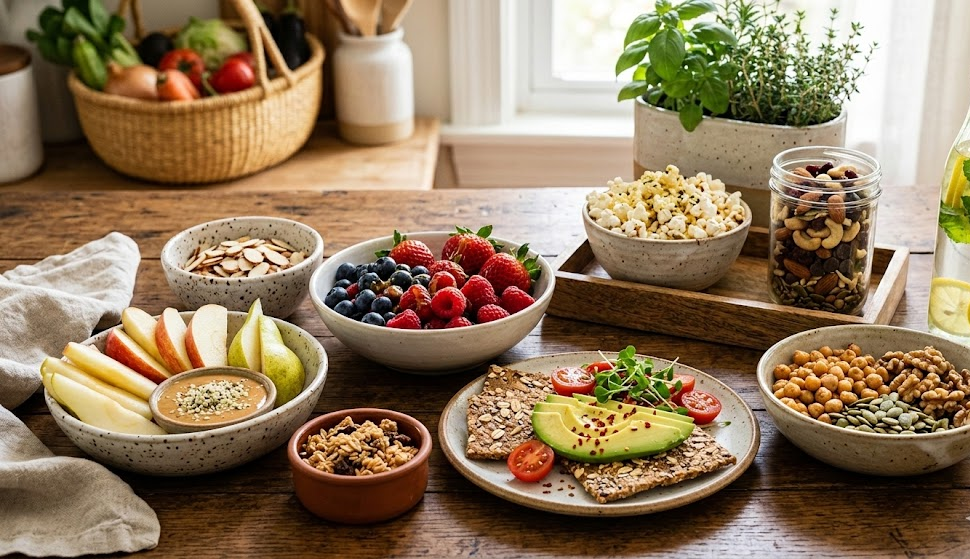
It is not just about what is on the label. It is about what your body can use. Modern healthy snack options often use "activated" nuts to make the nutrients easier to absorb.
Micronutrients and Trace Minerals
Consumers want more than just protein. They want snacks with magnesium and vitamins. Brands are adding plant extracts to their healthy snacks to make them even better for you.
The Future: Personalized Snacking
The next big rule will be personalization. In the future, snacks will be made for your specific body.
DNA-Based Nutrition
Imagine a snack made just for your DNA. Some companies are researching how to make healthy snack options that fix a specific person's vitamin needs.
Smart Vending and Digital Subscriptions
Technology will make it easier to find good snacks with low calories. You might see smart machines in offices or get boxes in the mail that know what you like. The future is about having the right snack at the right time.
Conclusion: Adapting to the New Snacking World
The rules of snacking have changed because people have changed. Shoppers are busy and they care about their long-term health. They want healthy snacks that fit into their lives easily. They also want low calorie snacks that satisfy their hunger and taste great.
The brands that succeed will be the ones that listen to these new needs. Events like SIAL in China will continue to be the place where these ideas are shared. Whether you are a shopper or a food lover, the new world of snacking offers better nutrition than ever before. We are in a new era of food that helps us live better and happier lives.

'/%3e%3cdefs%3e%3clinearGradient%20id='paint0_linear_1477_4631'%20x1='18.272'%20y1='0'%20x2='18.272'%20y2='35.3674'%20gradientUnits='userSpaceOnUse'%3e%3cstop%20stop-color='%23FF9F9F'/%3e%3cstop%20offset='1'%20stop-color='%23F15E5E'/%3e%3c/linearGradient%3e%3c/defs%3e%3c/svg%3e)
'/%3e%3cdefs%3e%3clinearGradient%20id='paint0_linear_1477_4633'%20x1='17.5'%20y1='0'%20x2='17.5'%20y2='35'%20gradientUnits='userSpaceOnUse'%3e%3cstop%20stop-color='%23E9C0EE'/%3e%3cstop%20offset='1'%20stop-color='%23CE57DC'/%3e%3c/linearGradient%3e%3c/defs%3e%3c/svg%3e)