

Exploring Non-Alcoholic Beverages: Korean, Japanese, and Chinese Favorites
Have you noticed the drink aisle getting more exciting lately?
You’re not imagining it. The world is in the middle of a beverage shift. People are rethinking how they relax, socialize, and take care of their health. The result? A huge rise in demand for non alcoholic beverages that are flavorful, functional, and beautifully designed.
This isn’t just about avoiding alcohol. It’s about choosing better drinks. Consumers want bold taste, natural ingredients, and added health benefits—without compromise.
And if there’s one region leading this movement, it’s East Asia. Korea, Japan, and China are producing some of the most innovative drinks in the world. From trendy café-style creations to traditional herbal infusions, these markets are redefining what modern beverages look like.
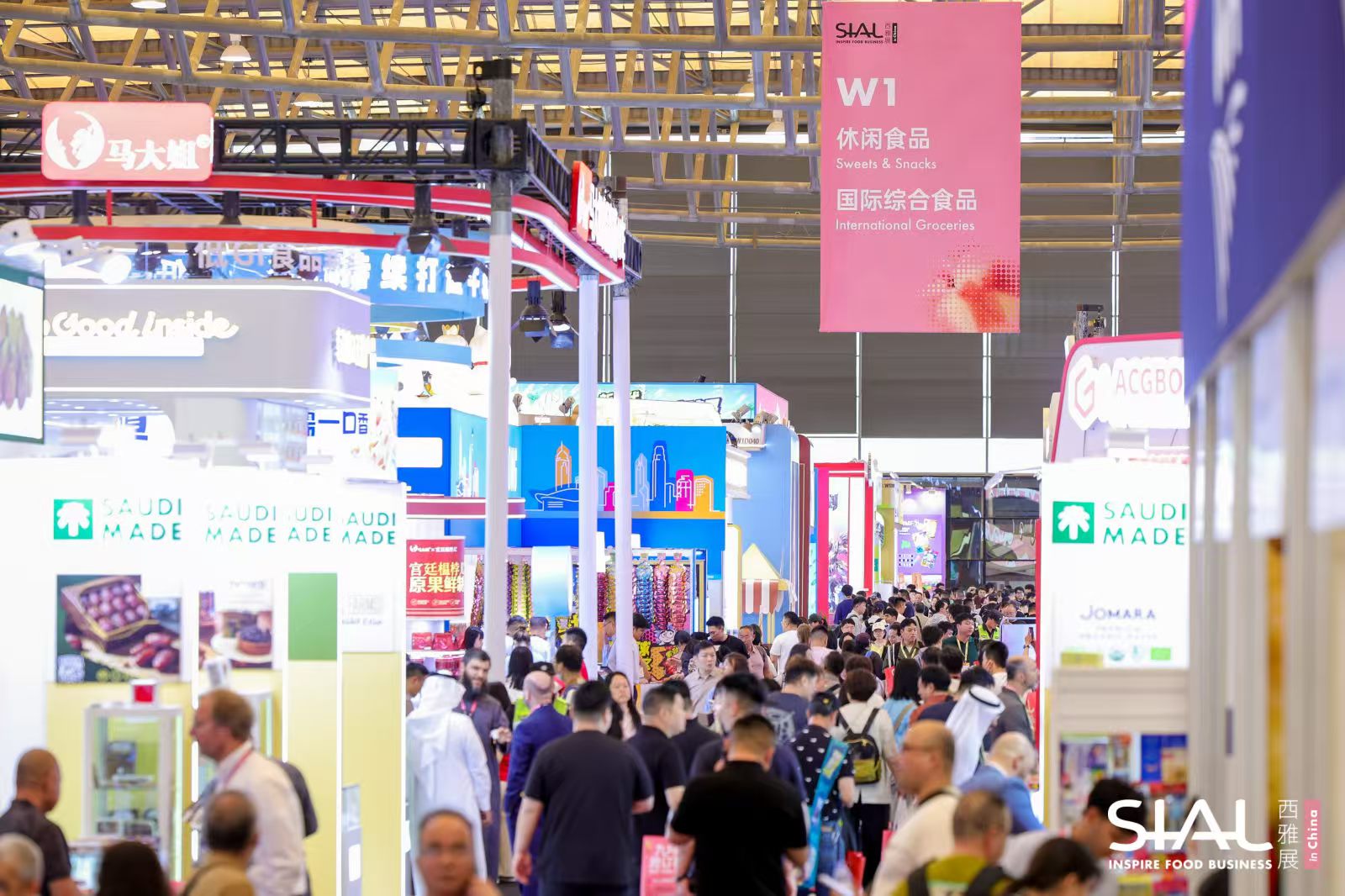
If you're a buyer, brand owner, or trend watcher—especially attending global events like SIAL in China—this is a category you can’t ignore.
The Global Boom of Non Alcoholic Beverages
The rise of non alcoholic beverages is not a short-term trend. It reflects a deeper lifestyle shift.
Consumers today are:
- More health-conscious
- More ingredient-aware
- More open to global flavors
They don’t want sugary sodas anymore. They want drinks with purpose—like probiotics, vitamins, or natural energy.
This is where East Asia stands out. Beverage makers in this region have long combined health, taste, and tradition. Platforms like SIAL in China highlight how these products are now being adapted for global markets.
A Deep Dive: Comparing East Asian Beverage Cultures
Although Korea, Japan, and China share some similarities, their approaches to non alcoholic beverages are very different.
Key Differences at a Glance

Korean Non Alcoholic Beverages: Trendy, Sweet, and Café-Inspired
Youth Culture, Café Aesthetics, and RTD Innovation
Korean non alcoholic beverages are strongly shaped by youth culture and social media trends. In cities like Seoul, drinks are designed not only for taste but also for visual appeal and shareability. This has driven demand for ready-to-drink coffee, sweet fruit beverages, and milk-based drinks.
This trend is reflected among SIAL in China exhibitors. Products such as Haitai Mango Juice, showcased by Tianle Group Co., Ltd., highlight Korea’s preference for bold flavors. Meanwhile, SAMLIP Black Americano Coffee Drink, presented by Shandong Lianqiao International Trade, shows the importance of convenience and RTD formats.
Overall, Korean non alcoholic beverages are driven by trend appeal, sweetness, and strong ready-to-drink convenience.
Japanese Non Alcoholic Beverages: Craftsmanship and Pure Flavor
Clean Flavor, Ingredient Integrity, and Premium Appeal
Japanese non alcoholic beverages emphasize simplicity and precision. Instead of strong sweetness, manufacturers focus on preserving natural taste through advanced processing techniques. This creates drinks that feel lighter, cleaner, and more balanced.
At SIAL in China, this approach is reflected in products like Sangaria White Peach Juice, introduced by Ningbo Xunzu Trading. The product highlights authentic fruit flavor and subtle sweetness. This consistency across categories supports Japan’s strong premium positioning in global markets.
As a result, Japanese non alcoholic beverages are often associated with clean taste, high quality, and a strong premium positioning.
Chinese Non Alcoholic Beverages: Functional and Diverse
Health-Focused Consumption and Expanding Product Diversity
Chinese non alcoholic beverages are evolving rapidly, driven by growing health awareness. Consumers increasingly prefer drinks that offer functional benefits such as nutrition, digestion support, and natural energy. Clean-label ingredients and traditional concepts are also gaining importance.
This shift is clearly visible at SIAL in China, where exhibitors such as Fujian Kangzhiwei, Hebei Oumai Biotechnology, and Hainan Dahaomai Food present products like NFC mulberry juice, fresh corn juice, and coconut water. Functional options, including honey beverages from Guangxi Tianmijia and probiotic sea buckthorn juice from Shandong Xinnuo further demonstrate how traditional health concepts are being adapted into modern formats.
Overall, Chinese non alcoholic beverages stand out for their strong focus on functionality, health positioning, and product diversity.
Why SIAL in China Matters for Beverage Buyers
Reading about trends is useful. Seeing them in person is better.
SIAL in China is one of the world’s top food exhibitions and a key platform for discovering non alcoholic beverages.
What You’ll Discover
- New product launches
- Global beverage brands
- Functional drink innovations
- Private label opportunities
If you are serious about sourcing, visiting SIAL Shanghai gives you direct access to suppliers and trends shaping the future.
Key Trends Shaping the Future
Functional Benefits and Clean Label Demand
Consumers are no longer satisfied with taste alone. They increasingly look for beverages that deliver functional benefits such as probiotics, vitamins, and antioxidants. At the same time, clean-label products with simple, transparent ingredients are gaining trust, as shoppers become more conscious about what they consume and how products are made.
Cultural Identity and Ready-to-Drink Expansion
Beverages are becoming expressions of cultural identity, highlighting traditional ingredients and regional stories. At the same time, ready-to-drink formats continue to grow, driven by urban lifestyles and the demand for convenience. This combination of authenticity and accessibility is shaping how modern consumers choose and experience beverages.
How to Build a Winning Beverage Portfolio
For brands and buyers, a balanced portfolio strategy delivers the best results. Korean non alcoholic beverages add strong trend appeal and visual impact, Japanese products bring premium quality and refinement, while Chinese beverages contribute health-focused value and functional benefits. Together, they help brands reach a broader and more diverse audience.
Final Thoughts
The rise of non alcoholic beverages is quietly reshaping the global beverage landscape. Korea continues to push creativity and trend-driven formats, Japan refines taste through precision and craftsmanship, while China expands the category with health-focused innovation. Together, these markets are not just influencing trends—they are setting a direction for how people will drink in the future. For industry professionals, platforms like SIAL in China offer a valuable window into what comes next.
FAQ – Non Alcoholic Beverages in East Asia
Which are non-alcoholic beverages?
Non-alcoholic beverages are drinks that contain little to no alcohol. These include water, tea, coffee, juices, soft drinks, plant-based beverages, and functional drinks such as probiotic or vitamin-enriched beverages.
What are some good drinks non-alcoholic?
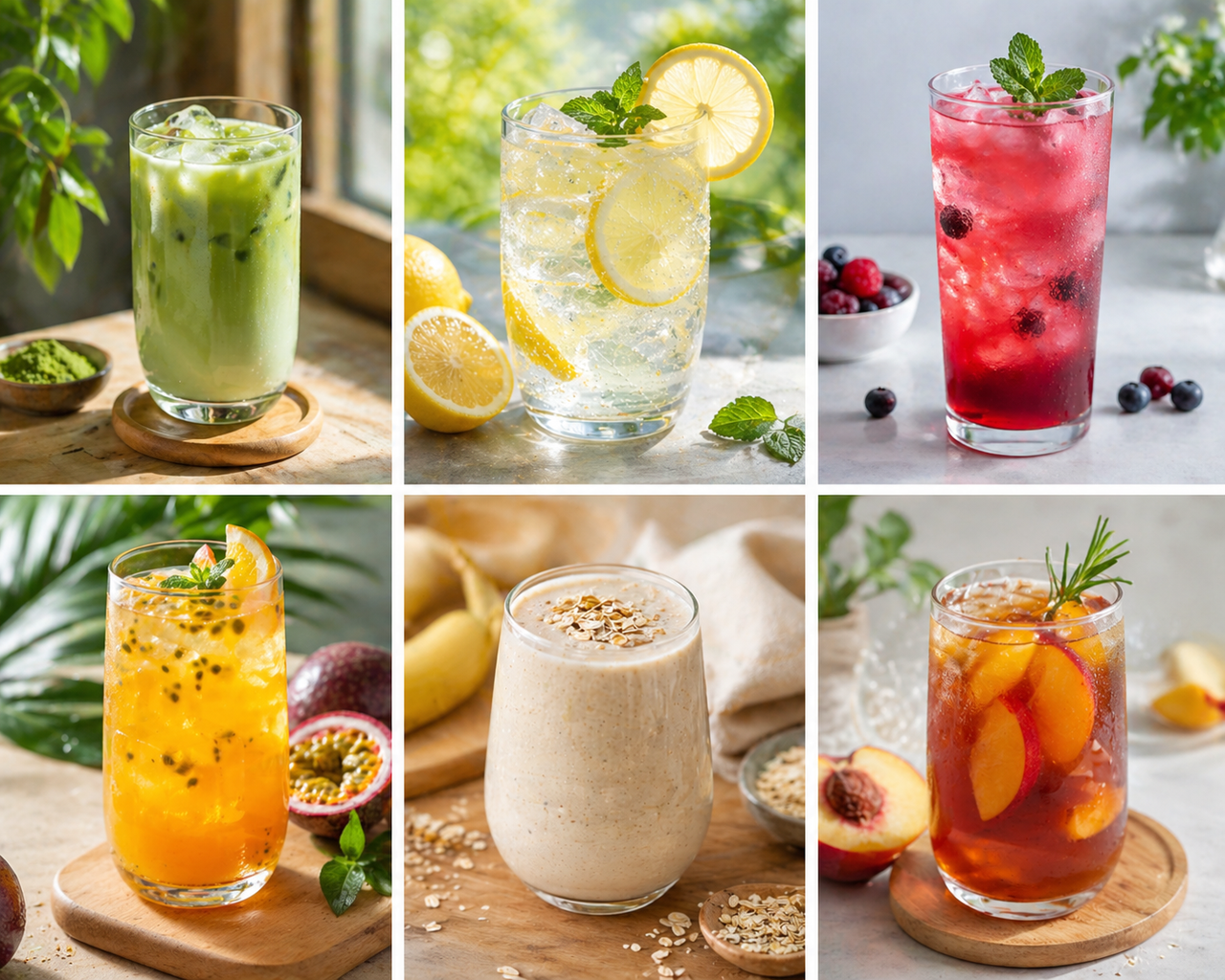
Some popular non-alcoholic drinks include green tea, fresh fruit juice, coconut water, sparkling water, smoothies, and probiotic drinks. These options are widely chosen for their taste, hydration, and potential health benefits.
What does NFC mean?
NFC stands for “Not From Concentrate.” It means the juice is made directly from fresh fruit rather than from concentrated juice, helping retain a more natural flavor and nutrients.


'/%3e%3cdefs%3e%3clinearGradient%20id='paint0_linear_1477_4631'%20x1='18.272'%20y1='0'%20x2='18.272'%20y2='35.3674'%20gradientUnits='userSpaceOnUse'%3e%3cstop%20stop-color='%23FF9F9F'/%3e%3cstop%20offset='1'%20stop-color='%23F15E5E'/%3e%3c/linearGradient%3e%3c/defs%3e%3c/svg%3e)
'/%3e%3cdefs%3e%3clinearGradient%20id='paint0_linear_1477_4633'%20x1='17.5'%20y1='0'%20x2='17.5'%20y2='35'%20gradientUnits='userSpaceOnUse'%3e%3cstop%20stop-color='%23E9C0EE'/%3e%3cstop%20offset='1'%20stop-color='%23CE57DC'/%3e%3c/linearGradient%3e%3c/defs%3e%3c/svg%3e)

