

Is Organic Food Worth It? 2026 Guide to the Best Organic Frozen & Gluten-Free Finds
Have you ever stood in a grocery store, looked at the price of organic food, and wondered—is it really worth it?
You are not alone. More people are asking this question as prices rise and choices expand. At the same time, shelves are filling up with new products labeled organic, gluten-free, plant-based, and clean. It can feel confusing.
But here is the truth. The demand for organic food is not slowing down. In fact, it is growing faster than ever. Consumers are not just buying food. They are seeking transparency, cleaner ingredients, and greater control over their lifestyle choices. From busy office workers grabbing quick meals to families planning healthier diets, organic food and beverages are becoming part of daily life. And two categories are leading the way: organic frozen food and organic gluten free food.
If you are a buyer, retailer, or simply exploring new food trends—especially at global events like SIAL in China—this guide will help you understand what is really happening in 2026.

A Simple Grocery Choice That Reflects a Bigger Trend
You walk into a grocery store after a long day at work. You are tired and hungry. You just want something quick.
In the freezer aisle, two options catch your eye. One is cheap. You know that one. The other says organic on the label. It costs almost twice as much. But it promises better ingredients and cleaner nutrition.
That small moment says a lot. It shows a big change in how people pick food. More people now ask questions. They don't just ask what they eat. They ask how it was made. Where it came from. And what it does to their health.
So here is what is happening. Organic food and drinks are not just for a small group anymore. They are part of everyday life. Busy professionals want things that are easy and fast. But they also want quality. Organic food gives them both.
This demand is changing the whole food industry. You can see this at big events like SIAL in China. At those shows, new trends show up on a global stage. Things like organic frozen food. And organic gluten free food.
So the real question is not just about the price. It is about value. When you pick organic, what do you really get?
What Counts as Organic Food in 2026?
Before deciding if organic food is worth it, let’s clarify what it actually means.
Organic food refers to products grown or produced with limited use of synthetic pesticides and without GMOs, artificial additives, or growth hormones.
In 2026, the definition has evolved. Consumers now expect:
- Clean-label transparency
- Sustainable sourcing
- Minimal processing
This is especially true in organic food and beverages, where quality and sustainability go hand in hand.
Why Organic Food Is Booming Right Now
1. Health-Conscious Lifestyles
Modern consumers—especially office workers—are prioritizing wellness more than ever. After long hours at work, many are turning to organic frozen food as a convenient yet healthier alternative to takeout.
Instead of relying on fast food, they are choosing frozen organic meals, ready-to-eat options, and nutritious organic gluten free food that fits into their daily routines without sacrificing quality. This shift shows that convenience and health are no longer opposites—they now go hand in hand.
2. Dietary Restrictions Are Rising
Gluten sensitivity is becoming more common, and with it, the demand for organic gluten free food continues to grow.
Consumers are no longer satisfied with simply removing gluten. They are actively looking for products that are also free from artificial additives while still delivering great taste and nutritional value. As a result, brands are innovating to meet both dietary needs and higher quality expectations at the same time.
3. Convenience Meets Clean Eating
The biggest shift in recent years is this: convenience is no longer the enemy of healthy eating.
Organic frozen food now offers longer shelf life, faster meal preparation, and preserved nutritional value thanks to modern freezing technology. For busy lifestyles, this means people can eat well without spending hours in the kitchen. Ultimately, convenience has become a key driver of clean eating rather than a barrier to it.
Real Trends from SIAL Shanghai 2026
To truly understand where organic food and beverages are heading, industry events offer the clearest insight. One of the most influential is SIAL Shanghai, where global suppliers present cutting-edge products.
Featured Exhibitor Insights (From Official Product Catalog)
Here are real examples from the official SIAL Shanghai 2026 catalog:
→ Organic berry juice (blueberry, cranberry, sea buckthorn), reflecting the rise of functional organic beverages
→ Organic soy milk powder, representing plant-based organic food innovation
→ Organic children’s pork & cabbage wontons (frozen), showing how organic frozen food is entering family-ready meals
These examples highlight how real companies are turning organic concepts into scalable products for global markets.
Organic Frozen Food: The Real Game-Changer
Why It’s Growing Fast
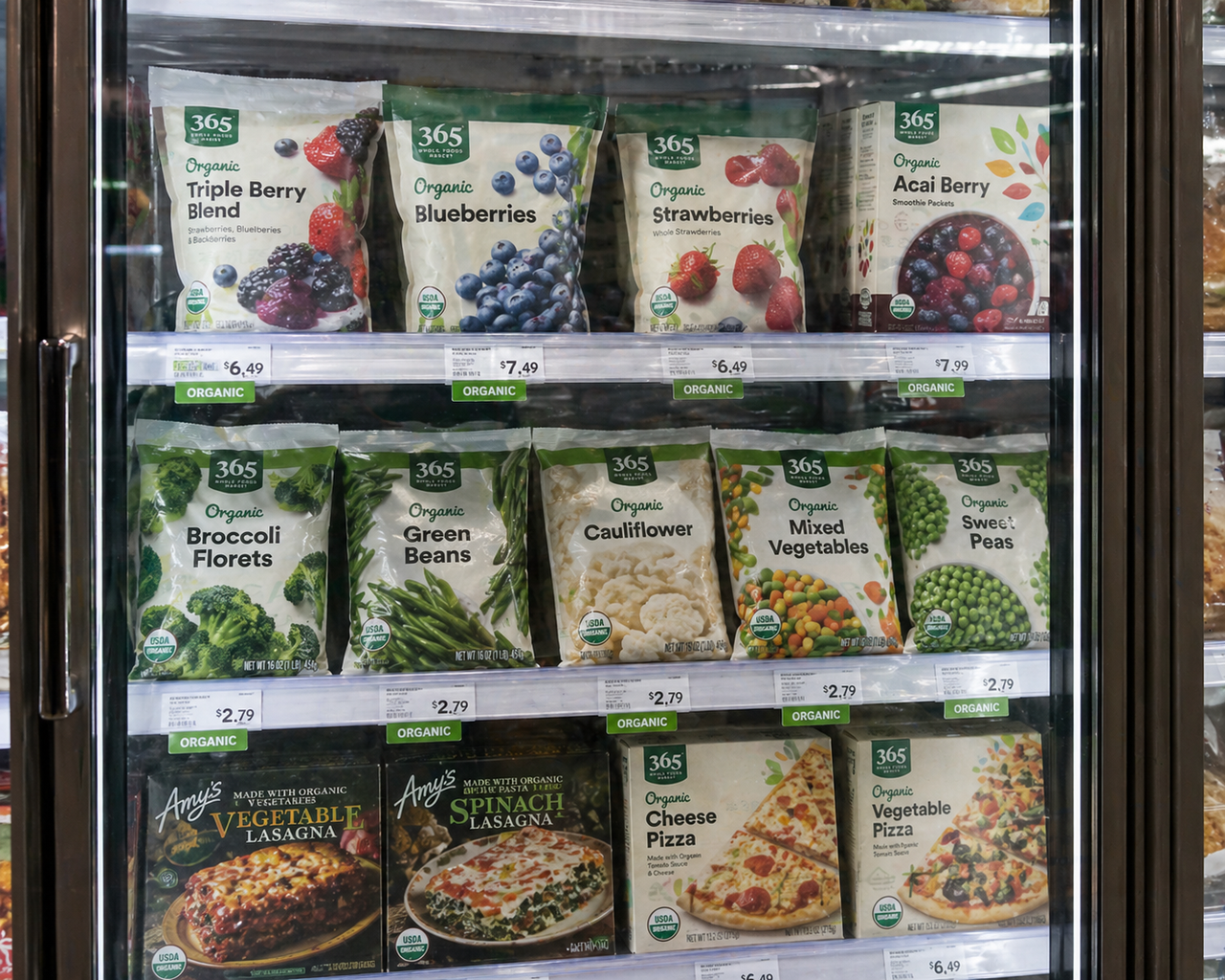
Organic frozen food is no longer limited to simple vegetables. In 2026, the category has expanded to include full meals, snacks, seafood, meats, and ready-to-cook dishes.
For busy professionals, this evolution makes a real difference. It means quick meals after work, consistent quality, and less food waste—all without compromising on health. In many ways, organic frozen food is redefining what “fast food” looks like in a modern lifestyle.
Is It Still Nutritious?
Yes—and in many cases, even more than expected.
Organic frozen food is typically flash-frozen at peak freshness, which helps preserve nutrients that might otherwise be lost during transportation or storage. It is also less reliant on preservatives, making it a cleaner option overall. So rather than being a compromise, frozen organic food often delivers both convenience and nutrition at the same time.
Organic Gluten Free Food: Trend or Necessity?
Who Needs It?
Organic gluten free food is essential for people with gluten intolerance and those with digestive sensitivities. At the same time, it is increasingly being adopted by health-conscious consumers who simply want cleaner, easier-to-digest options.
This growing audience shows that gluten-free is no longer just a medical requirement—it is becoming part of a broader lifestyle choice.
Why Combine Organic + Gluten-Free?
Consumers today expect more than just “gluten-free” labels.
They want clean ingredients, better digestion, and great taste all in one product. This combination is driving innovation across food categories, pushing brands to deliver higher-quality options that meet multiple needs at once. As a result, organic gluten free food is quickly moving from niche to mainstream.
Is Organic Food Actually Worth the Price?
Let’s be real—organic food does cost more. The key question, however, is not just about price, but about whether the added value aligns with your lifestyle and priorities.
When It IS Worth It
Organic food is often worth the investment for those who care about long-term health, want to reduce exposure to synthetic chemicals, or value sustainability in food production. It is also particularly relevant for individuals who follow specialized diets and require higher standards in ingredient quality.
When It Might NOT Be
At the same time, going fully organic may not always be necessary. For consumers with limited budgets or those who already maintain balanced eating habits, selectively choosing organic products can be a more practical and cost-effective approach.
Smart Strategy: Mix and Match
For most people, a flexible strategy works best. Choosing organic for frequently consumed items, relying on organic frozen food for convenience, and adding organic gluten free food where specific dietary needs exist allows consumers to balance health benefits with affordability.
Best Use Scenarios for Organic Food
Organic food fits into a wide range of everyday lifestyles, especially as product options continue to expand across different categories.
Office Workers
For busy professionals, organic frozen food provides a convenient way to prepare quick and healthy meals after work. At the same time, incorporating organic food and beverages into daily routines can help improve overall nutrition without adding extra effort.
Fitness Enthusiasts
Fitness-focused consumers tend to prioritize clean and functional nutrition. They often choose high-quality protein sources, organic beverages, and gluten-free snacks to support performance, recovery, and overall well-being.
Families
Families, especially those with children, tend to focus on safety and ingredient quality. Organic food offers a more reliable option, while organic frozen meals make it easier to prepare nutritious dishes quickly without compromising consistency.
The Future of Organic Food and Beverages
Looking ahead, the organic food industry is expected to become more accessible and more sophisticated. As supply chains improve, more affordable options will enter the market, while organic frozen food continues to grow as a convenient solution for modern lifestyles.
At the same time, organic gluten free food is expanding across global markets, and greater transparency in sourcing and production is becoming a key factor in consumer trust. Organic is no longer just a premium category—it is steadily becoming a new standard. For industry professionals, platforms like SIAL Shanghai offer valuable insight into the innovations shaping this future.
Final Verdict: Is Organic Food Worth It?
In most cases, organic food is worth the investment—but only when it aligns with your priorities. The real advantage is not just higher quality, but greater control over ingredients, sourcing, and long-term dietary choices. Rather than switching completely, a selective strategy is often more effective. Combining organic frozen food for convenience with targeted use of organic gluten free food allows consumers to maximize value while keeping costs under control.
For buyers and industry professionals looking to stay ahead of these trends, global platforms like SIAL Shanghai 2026 provide a valuable opportunity to explore the latest innovations in organic food and beverages and connect with leading suppliers shaping the future of the industry.
FAQ
What is meant by organic food?
Organic food refers to products grown and processed without synthetic pesticides, chemical fertilizers, GMOs, or artificial additives, with a focus on natural production and sustainability.
What are examples of organic food?
Examples of organic food include fruits and vegetables, dairy products, meat, organic frozen food, and organic gluten free food such as snacks and baked goods.
What’s the difference between natural food and organic food?
Organic food is strictly regulated and certified based on how it is produced, while natural food is not regulated and may still contain processed ingredients or additives.
Why do people choose not to buy organic food?
Some people avoid organic food because it is more expensive, less accessible in certain areas, or because they are unsure whether it provides significant additional health benefits.
What is 100% organic food?
100% organic food means that all ingredients in the product are certified organic, with no non-organic substances included.


'/%3e%3cdefs%3e%3clinearGradient%20id='paint0_linear_1477_4631'%20x1='18.272'%20y1='0'%20x2='18.272'%20y2='35.3674'%20gradientUnits='userSpaceOnUse'%3e%3cstop%20stop-color='%23FF9F9F'/%3e%3cstop%20offset='1'%20stop-color='%23F15E5E'/%3e%3c/linearGradient%3e%3c/defs%3e%3c/svg%3e)
'/%3e%3cdefs%3e%3clinearGradient%20id='paint0_linear_1477_4633'%20x1='17.5'%20y1='0'%20x2='17.5'%20y2='35'%20gradientUnits='userSpaceOnUse'%3e%3cstop%20stop-color='%23E9C0EE'/%3e%3cstop%20offset='1'%20stop-color='%23CE57DC'/%3e%3c/linearGradient%3e%3c/defs%3e%3c/svg%3e)

