'%3e%3cpath%20d='M10%200C4.4772%200%200%204.4772%200%2010C0%2014.6896%203.2288%2018.6248%207.5844%2019.7056V13.056H5.5224V10H7.5844V8.6832C7.5844%205.2796%209.1248%203.702%2012.4664%203.702C13.1%203.702%2014.1932%203.8264%2014.6404%203.9504V6.7204C14.4044%206.6956%2013.9944%206.6832%2013.4852%206.6832C11.8456%206.6832%2011.212%207.3044%2011.212%208.9192V10H14.4784L13.9172%2013.056H11.212V19.9268C16.1636%2019.3288%2020.0004%2015.1128%2020.0004%2010C20%204.4772%2015.5228%200%2010%200Z'%20fill='black'/%3e%3c/g%3e%3cdefs%3e%3cclipPath%20id='clip0_601_545'%3e%3crect%20width='20'%20height='20'%20fill='white'/%3e%3c/clipPath%3e%3c/defs%3e%3c/svg%3e)

'%3e%3cpath%20d='M18.5195%200H1.47656C0.660156%200%200%200.644531%200%201.44141V18.5547C0%2019.3516%200.660156%2020%201.47656%2020H18.5195C19.3359%2020%2020%2019.3516%2020%2018.5586V1.44141C20%200.644531%2019.3359%200%2018.5195%200ZM5.93359%2017.043H2.96484V7.49609H5.93359V17.043ZM4.44922%206.19531C3.49609%206.19531%202.72656%205.42578%202.72656%204.47656C2.72656%203.52734%203.49609%202.75781%204.44922%202.75781C5.39844%202.75781%206.16797%203.52734%206.16797%204.47656C6.16797%205.42188%205.39844%206.19531%204.44922%206.19531ZM17.043%2017.043H14.0781V12.4023C14.0781%2011.2969%2014.0586%209.87109%2012.5352%209.87109C10.9922%209.87109%2010.7578%2011.0781%2010.7578%2012.3242V17.043H7.79688V7.49609H10.6406V8.80078H10.6797C11.0742%208.05078%2012.043%207.25781%2013.4844%207.25781C16.4883%207.25781%2017.043%209.23438%2017.043%2011.8047V17.043Z'%20fill='black'/%3e%3c/g%3e%3cdefs%3e%3cclipPath%20id='clip0_601_548'%3e%3crect%20width='20'%20height='20'%20fill='white'/%3e%3c/clipPath%3e%3c/defs%3e%3c/svg%3e)
Core Information Overview
Before diving into the complexities of the Indonesian market, here is a quick-reference guide to the essential elements of exporting alcoholic beverages to Indonesia.
Key Element | Details |
|---|---|
Product Category | Alcoholic Beverages — including Beer (Group A), Wine (Group B), and Spirits (Group C) |
Target Market | Indonesia |
Primary Regulatory Agencies & Official Portals |
Official Portal: JDIH Kemendag Portal
Official Portal: BPOM Food Registration Portal
Official Portal: BPJPH Official Portal |
Key Certifications & Approvals | IT-MB / SK IT-MB, Persetujuan Impor (PI), BPOM ML Registration Number, applicable import approvals, customs and excise requirements, and compliant product labeling. |
Indonesia's current import framework for consumer goods, including alcoholic beverages, is principally governed by Ministry of Trade Regulation No. 16 of 2025 on Import Policy and Arrangements, as amended by Regulation No. 37 of 2025, together with the specific provisions for consumer-goods imports under Regulation No. 23 of 2025. Alcoholic beverages are subject to import licensing requirements, including IT and PI, with additional rules depending on the type of import and distribution arrangement.
Indonesia’s Alcohol Import Market Pain Points
Indonesia, despite being a Muslim-majority nation, presents a potentially attractive market for global alcohol suppliers, driven by its tourism sector, international hospitality industry, and expatriate and premium-consumer segments. Demand for imported beer, wine, and spirits is particularly relevant in high-end hospitality and licensed food-and-beverage channels.
However, for international alcohol suppliers, unlocking this demand is notoriously complex. Overseas suppliers must navigate a tightly controlled regulatory environment involving import licensing, quantity controls, excise obligations, product registration, and restricted distribution channels.
More importantly, global suppliers must understand the classification of their products into Group A, B, or C and comply with Indonesia's packaging and labeling requirements, including applicable BPOM requirements and BPJPH requirements for clear non-halal information. Failure to satisfy these requirements may result in customs clearance problems, administrative action, product withdrawal, re-export, or other enforcement measures, depending on the nature and severity of the non-compliance.
Indonesian National Standards and Classifications (Group A, B, C)
The Indonesian government regulates alcoholic beverages based on their ethanol content, with different requirements applying to the procurement, distribution, sale, and import of each category.
Official Regulatory Standard: Under Indonesia's Ministry of Trade framework, alcoholic beverages are classified into three groups according to their ethanol content:
- Group A covers beverages with an alcohol content of up to 5%;
- Group B covers beverages with more than 5% but up to 20%;
- Group C covers beverages with more than 20% but up to 55%.
The regulatory framework also establishes licensing and control requirements for businesses involved in the import, distribution, and sale of alcoholic beverages, including registered alcoholic beverage importers (IT-MB / SK IT-MB) and applicable distributor, retailer, and direct-seller approvals.
Sources:
- Ministry of Trade Regulation No. 33 of 2025 — Business and Product/Service Standards for Risk-Based Business Licensing in the Trade and Legal Metrology Sector
- Permendag No. 16 of 2025, as amended by Permendag No. 37 of 2025 — Import Policy and Arrangements
- Permendag No. 23 of 2025 on the Import Policy and Arrangements for Consumer Goods
1. Group A (Beer & Light Beverages) Standards
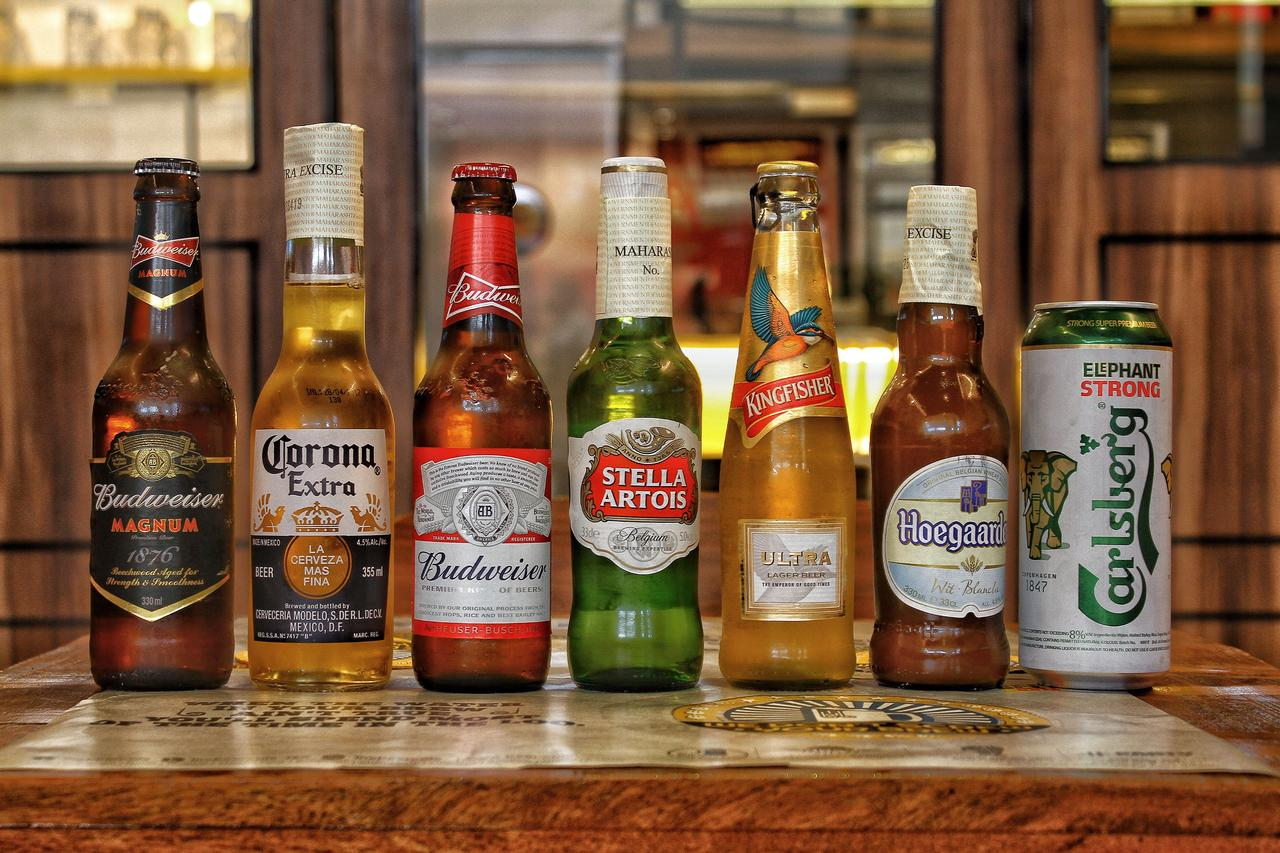
Group A includes beverages with an alcohol content of up to 5% (≤5%), such as light beers, shandy, cider, and low-alcohol fermented beverages. While they are generally the least restricted category, they still face tight controls.
Retail sales are subject to specific licensing and location requirements. Under the current framework, alcoholic beverages for retail sale may generally be sold through permitted outlets such as supermarkets, hypermarkets, Toko Bebas Bea (duty-free shops), and other locations designated by the relevant local government. Direct-consumption sales are subject to separate requirements and approved locations.
2. Group B (Wine & Mid-Strength Beverages)
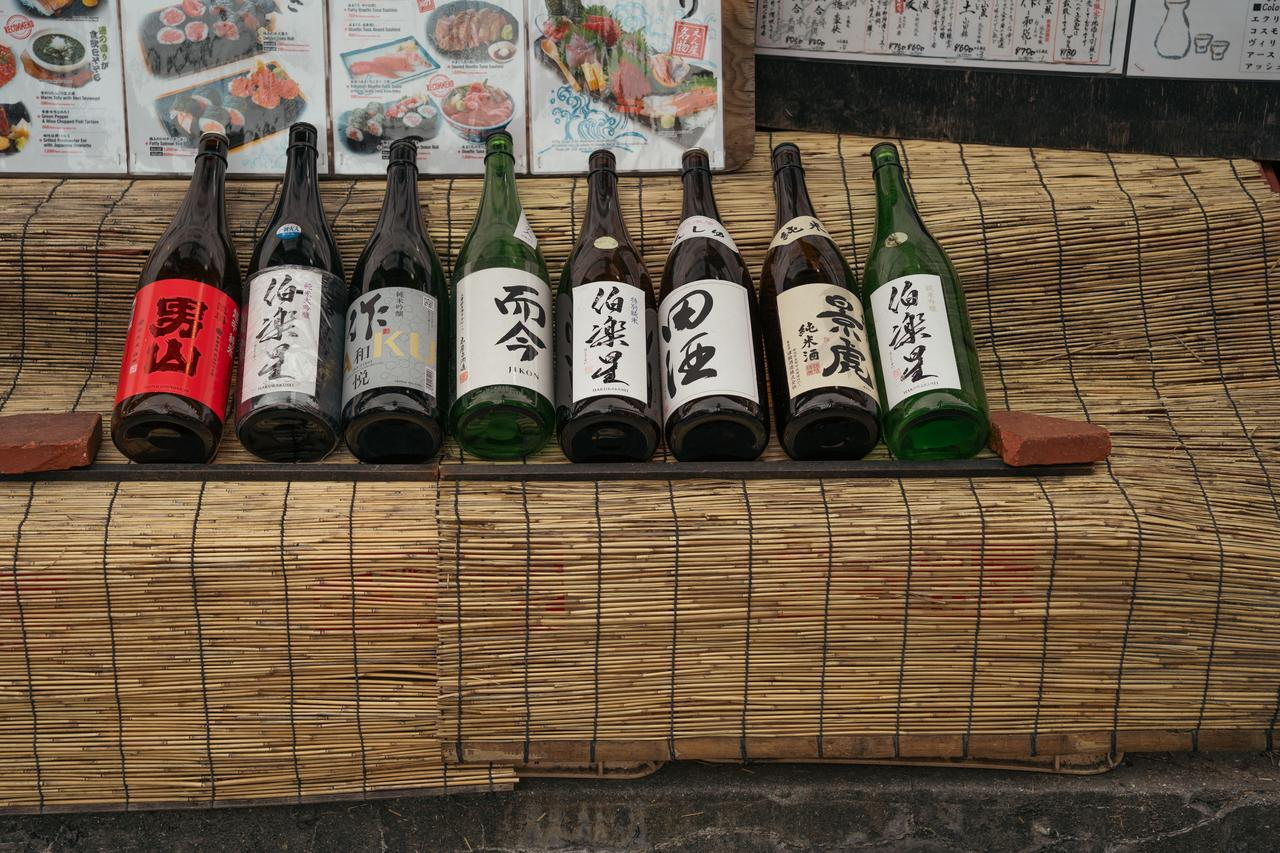
Group B covers beverages with an alcohol content between more than 5% and up to 20%. This primarily includes wine, sake, and other mid-strength fermented beverages.
Group B products remain strictly controlled, but they are not subject to a blanket prohibition on ordinary retail. Retail sale is permitted only through authorized retail channels and locations that satisfy the applicable licensing and local-government requirements. Direct-consumption sales may also take place at licensed hotels, bars, restaurants, and other permitted locations, subject to the applicable SKPL and location requirements.
3. Group C (Spirits & High-Alcohol Beverages)
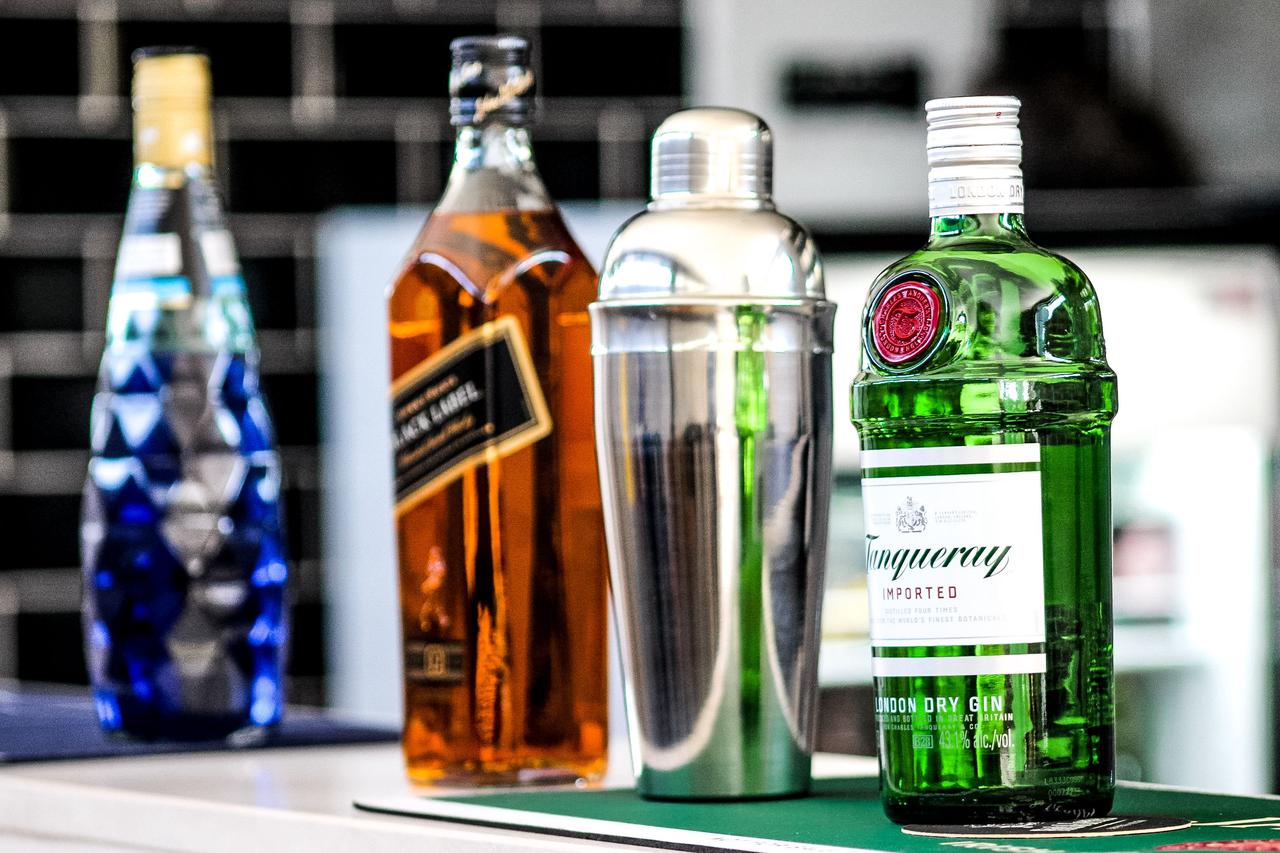
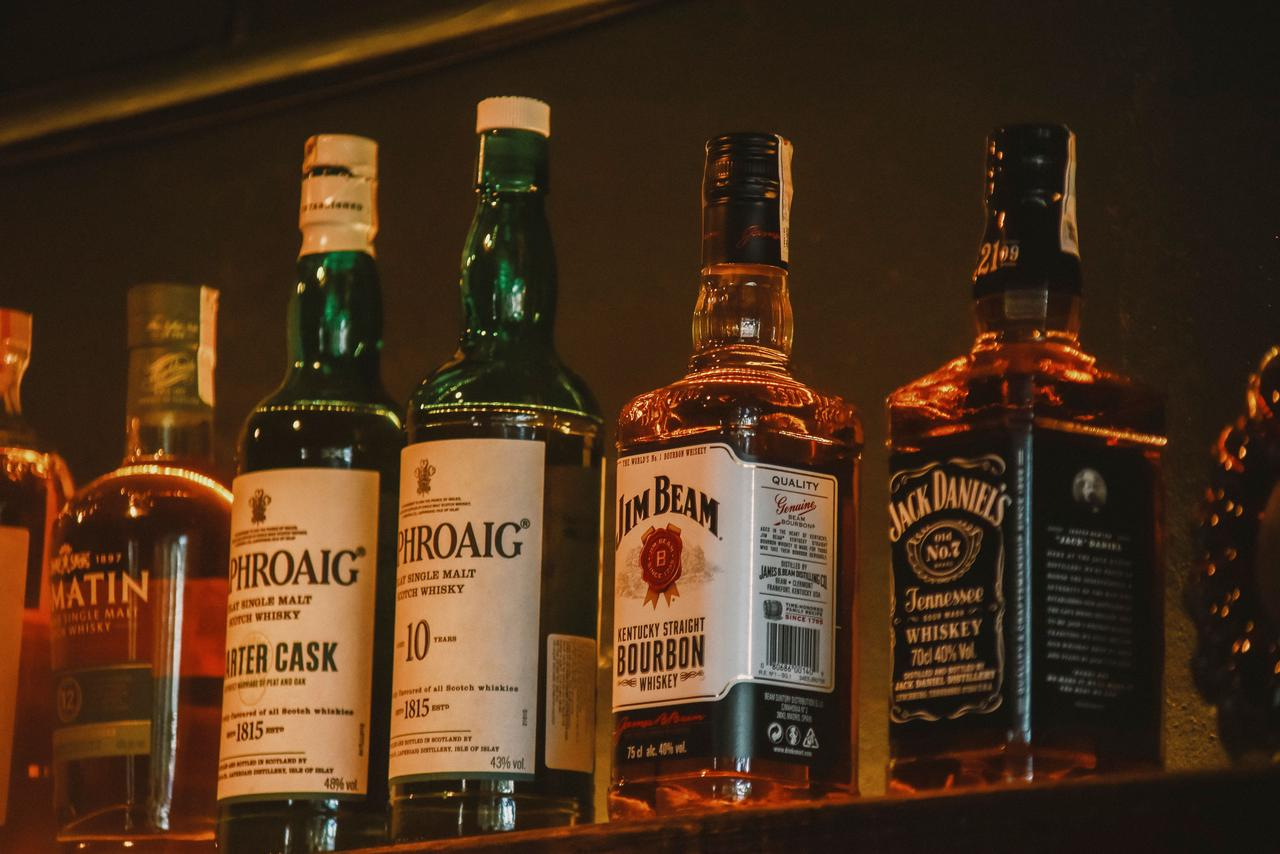
Group C encompasses spirits and high-alcohol beverages with an alcohol content between more than 20% and up to 55%, such as whisky, vodka, gin, rum, and brandy.
Group C is subject to particularly strict controls, including import, excise, distribution, and retail requirements. Depending on the applicable license and location designation, direct-consumption sales may take place through licensed hotels, bars, restaurants, and other permitted locations, while retail sales are subject to authorized retail channels and local-government location requirements.
The "Non-Halal" Label Requirement – Exemption from Halal Certification
Halal certification is an important regulatory consideration for food and beverage products entering Indonesia. However, Indonesian regulations distinguish between products that are subject to mandatory halal certification and products derived from prohibited (haram) materials.
Products derived from prohibited materials are exempt from the obligation to obtain halal certification, but they must carry clear information indicating their non-halal status.
- Official Regulatory Standard: Under Government Regulation (PP) No. 42 of 2024 on the Implementation of Halal Product Assurance, products derived from prohibited materials are exempt from the obligation to obtain halal certification. Instead, such products must be provided with keterangan tidak halal (non-halal information). The regulation is currently in force.
- Official Source: JDIH BPJPH – Government Regulation No. 42 of 2024
What This Means for Alcoholic Beverage Suppliers
For alcoholic beverage suppliers, this means that a product falling within the non-halal exemption does not need to obtain a halal certificate simply because it is imported into Indonesia. Instead, the supplier and its Indonesian importer must ensure that the product complies with the applicable requirements for providing non-halal information.
The Halal Product Assurance Organizing Agency (BPJPH) has confirmed that non-halal products are exempt from mandatory halal certification but must include keterangan tidak halal. BPJPH also confirms that non-halal products may continue to circulate in Indonesia provided that the applicable non-halal information requirements are fulfilled.
- Official Source: BPJPH – Non-Halal Products and Non-Halal Information Requirements
Non-Halal Labeling Requirements
For imported alcoholic beverages, suppliers should work with their Indonesian importer to ensure that the final product packaging provides clear non-halal information in accordance with Indonesian regulations.
The key legal concept is keterangan tidak halal, rather than a requirement that every product must mechanically use the exact English words "NON HALAL." The applicable information must be clear and readily identifiable in accordance with the relevant halal-product-assurance and labeling requirements.
Suppliers should therefore review the final Indonesian-market packaging with their local importer before shipment to ensure that the non-halal information and other mandatory label elements are properly presented.
- Official Source: BPJPH – Non-Halal Products May Circulate with Clear Non-Halal Information
- Compliance Note: Foreign alcoholic beverage suppliers generally do not need to apply for halal certification for products that fall under the non-halal exemption. However, exemption from halal certification does not mean exemption from labeling requirements. The product must still carry the required non-halal information, while other applicable BPOM, Ministry of Trade, customs, excise, and labeling requirements must also be fulfilled before the product is marketed in Indonesia.
End‑to‑End Compliance Implementation – The 5-Step Guide for Importers & Exporters
Successfully bringing alcoholic beverages into Indonesia requires a sequential, well‑documented process. International suppliers must collaborate closely with a highly qualified local partner.
- Step 1: Appoint a Qualified IT-MB Nominee (Importer/Agent): Foreign entities cannot directly import alcohol. You must partner with a legally registered Indonesian company holding a specialized Alcoholic Beverage Registered Importer license (IT-MB) and a SIUP-MB license.
- Step 2: Obtain Import Approvals and Quotas (PI): Your local partner must submit a request to the Ministry of Trade to secure an Import Approval (Persetujuan Impor - PI). Alcohol is subject to strict national import quotas, which are typically finalized annually.
- Step 3: Obtain BPOM ML Registration: Submit the complete product dossier through BPOM’s e-Registration system. You will need to provide Certificates of Analysis (CoA) from accredited labs, Free Sale Certificates from your home country, and manufacturing flowcharts. Upon approval, BPOM issues a 12‑digit “ML” registration number.
- Step 4: Packaging and "Non-Halal" Labeling Compliance: Before shipping, ensure your commercial labels meet BPOM requirements (Indonesian language, ML number, 21+ health warnings) AND the mandatory BPJPH non-halal information (keterangan tidak halal) requirements mentioned above.
- Step 5: Customs Clearance, Excise & Restricted Distribution: Upon arrival at designated ports (e.g., Tanjung Priok in Jakarta or Benoa in Bali), the shipment is subject to high import duties and Excise Taxes (Cukai). Once cleared, the alcohol must be tracked and distributed strictly through the channels permitted for its specific Group (A, B, or C).
Conclusion & Foreign Enterprises Action Checklist
Indonesia’s alcohol market offers extraordinary premium margins, but success hinges on immaculate regulatory foresight. You must align your supply chain with BPOM's quality standards, Kemendag's strict quotas, and BPJPH's non-halal labeling mandates.
To move from planning to execution, international alcohol suppliers should follow a concrete 30‑60‑90 day action plan:
- First 30 Days (Assessment & Labeling): Evaluate your current export catalog to classify your products exactly into Group A, B, or C. Begin redesigning your Indonesian market packaging to integrate the mandatory clear non-halal information and BPOM requirements.
- Day 31–60 (Partnership Sourcing): Identify and sign an agreement with a qualified Indonesian local importer who actively holds an IT-MB license and has available import quota for your specific product group.
- Day 61–90 (Dossier Submission): Work with your importer to submit the technical dossier (CoAs, Free Sale Certificates) to BPOM to secure your ML distribution permit, paving the way for your first compliant shipment.
Frequently Asked Questions
1. Can a foreign brand directly import alcohol into Indonesia?
No. Alcoholic beverages can only be imported by a locally established Indonesian company that has been explicitly granted an Alcoholic Beverage Registered Importer license (IT-MB) by the Ministry of Trade. Global suppliers must work through these authorized distributors.
2. Do I need a Halal certificate for low-alcohol or non-alcoholic beer?
Standard beer (Group A) is explicitly non-halal and exempt from certification, requiring the "NON HALAL" label instead. For "non-alcoholic" beer (0.0% ABV), the situation is complex: Indonesian Islamic law generally considers products imitating haram items (like beer) as ineligible for Halal certification. Thus, even 0.0% beer typically cannot be certified Halal and must be carefully reviewed regarding ingredient sourcing and branding.
3. How long does the BPOM registration process take for alcohol?
Assuming all technical documents (CoAs, brand authorization letters) and labels are fully compliant and correctly prepared, the BPOM registration for imported food and beverages (ML Number) generally takes between 3 to 6 months. It is highly recommended to start this process well in advance of your target launch date.


'/%3e%3cdefs%3e%3clinearGradient%20id='paint0_linear_1477_4631'%20x1='18.272'%20y1='0'%20x2='18.272'%20y2='35.3674'%20gradientUnits='userSpaceOnUse'%3e%3cstop%20stop-color='%23FF9F9F'/%3e%3cstop%20offset='1'%20stop-color='%23F15E5E'/%3e%3c/linearGradient%3e%3c/defs%3e%3c/svg%3e)
'/%3e%3cdefs%3e%3clinearGradient%20id='paint0_linear_1477_4633'%20x1='17.5'%20y1='0'%20x2='17.5'%20y2='35'%20gradientUnits='userSpaceOnUse'%3e%3cstop%20stop-color='%23E9C0EE'/%3e%3cstop%20offset='1'%20stop-color='%23CE57DC'/%3e%3c/linearGradient%3e%3c/defs%3e%3c/svg%3e)