
'%3e%3cpath%20d='M10%200C4.4772%200%200%204.4772%200%2010C0%2014.6896%203.2288%2018.6248%207.5844%2019.7056V13.056H5.5224V10H7.5844V8.6832C7.5844%205.2796%209.1248%203.702%2012.4664%203.702C13.1%203.702%2014.1932%203.8264%2014.6404%203.9504V6.7204C14.4044%206.6956%2013.9944%206.6832%2013.4852%206.6832C11.8456%206.6832%2011.212%207.3044%2011.212%208.9192V10H14.4784L13.9172%2013.056H11.212V19.9268C16.1636%2019.3288%2020.0004%2015.1128%2020.0004%2010C20%204.4772%2015.5228%200%2010%200Z'%20fill='black'/%3e%3c/g%3e%3cdefs%3e%3cclipPath%20id='clip0_601_545'%3e%3crect%20width='20'%20height='20'%20fill='white'/%3e%3c/clipPath%3e%3c/defs%3e%3c/svg%3e)

'%3e%3cpath%20d='M18.5195%200H1.47656C0.660156%200%200%200.644531%200%201.44141V18.5547C0%2019.3516%200.660156%2020%201.47656%2020H18.5195C19.3359%2020%2020%2019.3516%2020%2018.5586V1.44141C20%200.644531%2019.3359%200%2018.5195%200ZM5.93359%2017.043H2.96484V7.49609H5.93359V17.043ZM4.44922%206.19531C3.49609%206.19531%202.72656%205.42578%202.72656%204.47656C2.72656%203.52734%203.49609%202.75781%204.44922%202.75781C5.39844%202.75781%206.16797%203.52734%206.16797%204.47656C6.16797%205.42188%205.39844%206.19531%204.44922%206.19531ZM17.043%2017.043H14.0781V12.4023C14.0781%2011.2969%2014.0586%209.87109%2012.5352%209.87109C10.9922%209.87109%2010.7578%2011.0781%2010.7578%2012.3242V17.043H7.79688V7.49609H10.6406V8.80078H10.6797C11.0742%208.05078%2012.043%207.25781%2013.4844%207.25781C16.4883%207.25781%2017.043%209.23438%2017.043%2011.8047V17.043Z'%20fill='black'/%3e%3c/g%3e%3cdefs%3e%3cclipPath%20id='clip0_601_548'%3e%3crect%20width='20'%20height='20'%20fill='white'/%3e%3c/clipPath%3e%3c/defs%3e%3c/svg%3e)
Core Information Overview
Entering the Singaporean beverage market requires a clear understanding of local compliances. Here are the fundamental regulatory elements you need to know at a glance.
Key Element | Details |
|---|---|
Product Category | Processed Food — including Pre-packaged tea beverages, liquid coffee concentrates, tea powder, and solid flavored teas. |
Target Market | Singapore |
Primary Regulatory Agencies & Official Portals |
Official Portal: SFA Commercial Imports
Official Portal: Singapore Customs - Importing Goods |
Key Certifications & Approvals | SFA food importer registration, compliant English-language food labeling, and a TradeNet import permit. |
Singapore’s Tea & Coffee Import Market Pain Points
Singapore is an international hub for the food and beverage industry, representing a highly lucrative market for global tea brands and coffee importers. With a vibrant cafe culture and a surging demand for ready-to-drink (RTD) beverages, the opportunities in the tea Singapore and coffee Singapore markets are immense.
However, tapping into this demand requires navigating strict regulatory frameworks. Unlike high-risk products such as raw meat and certain dairy products, pre-packaged tea beverages, liquid coffee concentrates, tea powder, and solid flavored teas generally fall under Singapore's processed food import framework. While this means they do not require the same type of high-risk food import licensing, the pain points lie in ingredient compliance, additive limitations (the "positive list"), and mandatory English labeling requirements. Failing to meet the specific regulatory requirements for tea and coffee or shipping products with non-compliant labels may result in the products being refused entry or subject to corrective action.
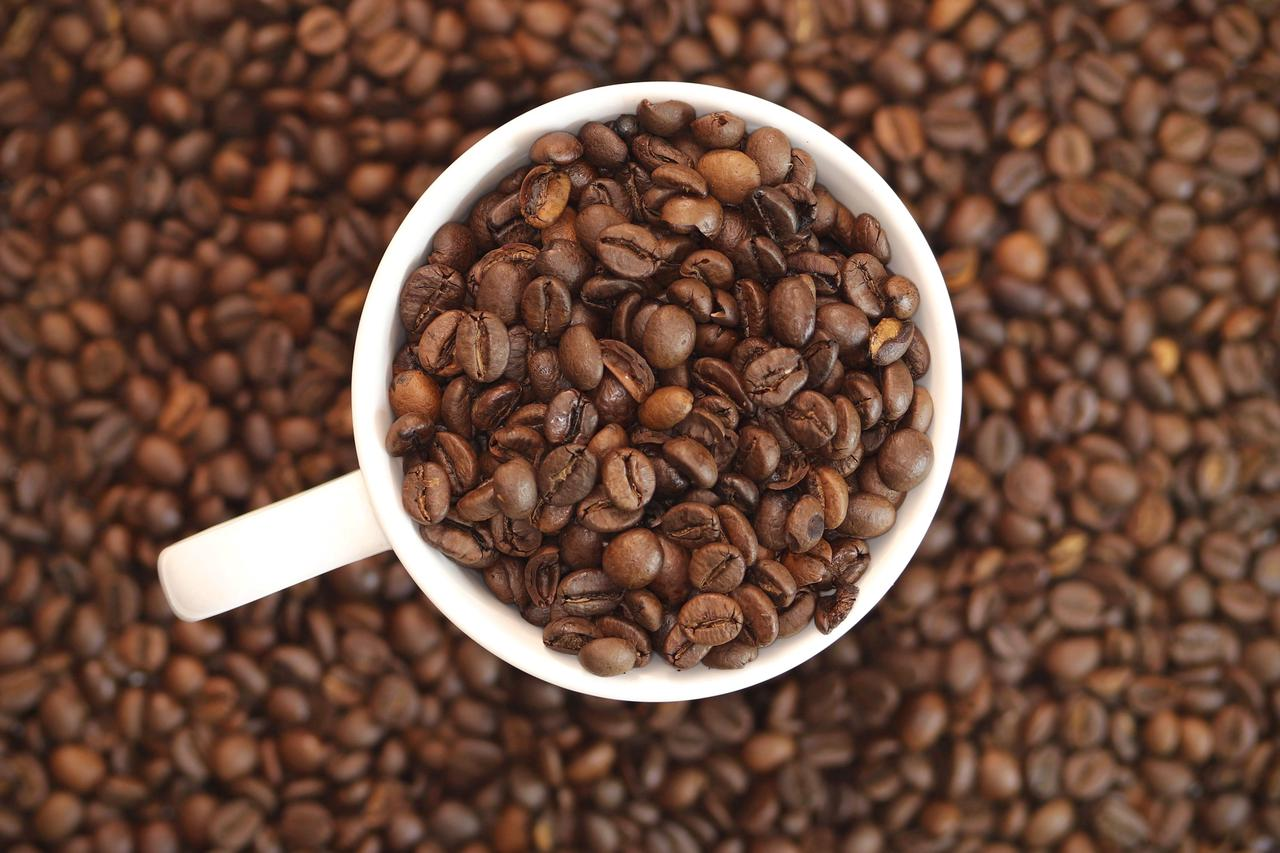
Singapore Food Agency (SFA) Standards for Tea and Coffee
Before initiating a coffee import or tea shipment, your product must satisfy the physicochemical indicators established by the Singapore Food Regulations. These standards strictly dictate the definition, ash content, and caffeine levels for various tea and coffee categories.
1. Tea Standards
Whether it is loose-leaf tea or pre-packaged tea bags, products labeled as "tea" must meet specific botanical and chemical criteria to ensure authenticity and quality.
- Official Regulatory Standard: Regulation 153 of Singapore's Food Regulations defines “tea” as the leaves and leaf-buds of varieties of Camellia sinensis prepared by usual trade processes. It also establishes compositional requirements, including ash content of 4%–7% (w/w), at least 30% (w/w) water-soluble extract, and requirements concerning adulterated, exhausted, decayed, or mouldy leaves and other foreign matter.
- Source: Singapore Food Regulations – Regulation 153 (Tea)
2. Coffee and Instant Coffee Standards
For importers bringing in coffee beans, ground coffee, or soluble/instant coffee, the regulations mandate strict source origins and exact percentages of anhydrous caffeine.
- Official Regulatory Standard: Regulation 157 defines “coffee” as the seed or ground seed of one or more species of Coffea. Regulation 160 separately establishes requirements for instant or soluble coffee, while Regulations 158, 159, 161 and 162 cover coffee and chicory, coffee mixtures, instant coffee and chicory, and decaffeinated coffee, respectively.
- Source: Singapore Food Regulations – Regulations 157–162 (Coffee)
Singapore's Positive-List Approach to Food Additives and Sweetening Agents
Singapore takes a positive-list approach to food additives and sweetening agents, meaning that food additives may only be used where they are permitted under the Food Regulations and within the applicable conditions and limits. This is particularly relevant to imported pre-packaged tea beverages, ready-to-drink coffee, instant coffee products, and other processed beverage products containing preservatives, colors, stabilizers, or sweeteners.
Under Regulation 15 of the Food Regulations, food containing a food additive that is not permitted under the Regulations must not be imported, manufactured for sale, or sold. For permitted additives, the Regulations specify the applicable description and permitted proportion, while the additive must also meet the relevant purity specifications.
- Official Regulatory Standard: Singapore Food Regulations – Regulation 15 (Food Additives)
Sweetening agents are subject to additional controls under Regulation 18. The regulation generally prohibits the import, sale, advertising, manufacture, consignment, or delivery of sweetening agents for use in food, or food containing sweetening agents, unless the applicable exceptions under the Regulations apply. Certain foods listed in the Thirteenth Schedule may contain specified sweetening agents up to the maximum permitted levels stated in the Schedule.
For tea and coffee importers, this means that products such as ready-to-drink coffee, tea beverages, and pre-mixes containing sweeteners should be checked against the permitted food categories and maximum levels before importation. The Thirteenth Schedule specifically includes ready-to-drink coffee, coffee substitutes, tea, herbal infusions, and other hot cereal and grain beverages among the food categories subject to specified sweetening-agent limits.
- Official Regulatory Standard: Singapore Food Regulations – Regulations 18 and 13th Schedule (Sweetening Agents)
Import Compliance Requirements & The English Labeling Mandate
Once product ingredients are verified, importers must also ensure that the business, import permit, and product labeling requirements are properly addressed. In Singapore, processed food imported for commercial sale must be handled by an importer registered with the Singapore Food Agency (SFA), while the importing entity must also have a valid Unique Entity Number (UEN) and an activated Customs Account.
For pre-packaged food, labels must comply with Singapore's Food Regulations. SFA requires pre-packed food products sold in Singapore to meet the applicable labeling requirements, including information such as the food name or description, ingredient information, and the required particulars of the responsible local entity.
- Official Regulatory Standard: SFA – What You Need to Know for Import of Food for Commercial Sale
End‑to‑End Compliance Implementation – The 5-Step Guide for Importers & Exporters
Successfully bringing tea and coffee into Singapore requires a sequential, well‑documented process.
- Step 1: Activate UEN (Company Registration): Importers must first register their business with the Accounting and Corporate Regulatory Authority (ACRA) to obtain a Unique Entity Number (UEN) and activate a Singapore Customs account.
- Step 2: Register with SFA: For processed foods such as tea and coffee, importers must register with SFA through the GoBusiness platform under the Registration to Import Processed Food Products and Food Appliances scheme. This registration is required for commercial imports of processed food.
- Step 3: Product and Labeling Compliance Check: Before shipping, review the product formulation against applicable Singapore requirements for food additives, sweetening agents, contaminants, and other regulated ingredients. At the same time, ensure that the product packaging complies with Singapore's food labeling requirements, including the required product, ingredient, quantity, and local responsible-party information.
- Step 4: Apply for an Import Permit via TradeNet: Before the goods arrive in Singapore, the importer or its appointed Declaring Agent must submit the required Customs Import Permit through TradeNet. The appropriate HS/CA Product Code should be determined based on the specific product. Applicable GST and any duties or fees must be paid according to the approved permit and the applicable classification.
- Step 5: Cargo Clearance and Regulatory Checks: After arrival, imported food may be subject to SFA regulatory sampling or other checks based on its science- and risk-based approach. Importers must comply with the conditions of the approved permit and provide supporting documents when requested. Once the applicable customs and SFA requirements have been satisfied, the goods may proceed through the import clearance process.
Conclusion & Foreign Enterprises Action Checklist
The Singaporean beverage market offers extraordinary potential, but success hinges on strict regulatory alignment. Companies that adapt their product formulas and packaging to SFA standards early will gain a significant first‑mover advantage.
To move from planning to execution, overseas brands should follow a concrete 30‑60‑90 day action plan:
- First 30 Days (Formula & Label Assessment):
- Evaluate your current product formula against the SFA Food Additives positive list.
- Review your packaging to ensure that the label contains the required English information, including the name and address of the local importer, distributor or agent and the country of origin.
- Day 31–60 (Partnerships & Registration):
- If you do not have a Singapore entity, identify a suitable local importer or distributor that can meet the SFA and Singapore Customs requirements and handle the import declaration process.
- Day 61–90 (System Submissions & Logistics):
- Have your local partner initiate the TradeNet permit application.
- Finalize and apply compliant labels before shipment where practicable, reducing the risk of non-compliance and potential relabeling or other corrective action after arrival.
Frequently Asked Questions
1. Are liquid coffee concentrates and solid flavored teas considered high-risk foods in Singapore?
Pre-packaged tea and coffee products intended for commercial sale generally fall under the Processed Food category and require SFA registration by the importer. However, import controls and regulatory checks are applied according to SFA's science- and risk-based approach, so importers should verify the specific product classification and applicable requirements before shipment.
2. Can I directly import pre-packaged tea beverages if they do not have English Labeling?
Not without ensuring compliance with Singapore's labeling requirements. All pre-packaged food sold in Singapore must provide the required labeling information in English. If the original packaging lacks the required English information, importers may use a compliant supplementary sticker label, provided it is securely attached and does not obscure mandatory information.
3. As an overseas tea or coffee brand, how can I complete the SFA registration?
SFA registration and TradeNet declarations must be completed by a local Singaporean entity with a UEN. If an overseas brand has not established a local branch, the standard practice is to authorize a local compliant Importer of Record or distributor who already holds an SFA Registration Number to handle all import procedures.
4. Do pre-packaged coffees containing milk (e.g., canned lattes) follow these exact same standards?
Not necessarily. If a product contains a high proportion of Milk and Milk Products, the SFA may regulate it more strictly under dairy import rules. Dairy products often require a Health Certificate issued by the competent authority in the country of origin. It is highly recommended to submit the detailed ingredient list to the SFA for pre-classification before shipping.


'/%3e%3cdefs%3e%3clinearGradient%20id='paint0_linear_1477_4631'%20x1='18.272'%20y1='0'%20x2='18.272'%20y2='35.3674'%20gradientUnits='userSpaceOnUse'%3e%3cstop%20stop-color='%23FF9F9F'/%3e%3cstop%20offset='1'%20stop-color='%23F15E5E'/%3e%3c/linearGradient%3e%3c/defs%3e%3c/svg%3e)
'/%3e%3cdefs%3e%3clinearGradient%20id='paint0_linear_1477_4633'%20x1='17.5'%20y1='0'%20x2='17.5'%20y2='35'%20gradientUnits='userSpaceOnUse'%3e%3cstop%20stop-color='%23E9C0EE'/%3e%3cstop%20offset='1'%20stop-color='%23CE57DC'/%3e%3c/linearGradient%3e%3c/defs%3e%3c/svg%3e)