
Innovations in Frozen Food Delivery and Cold Chain: What’s Shaping the Future?
Think about ordering ice cream online five years ago. It was a risk. You might open the box and find a melted mess. Today, things are different. You can tap a button on your phone. Thirty minutes later, you get rock-hard frozen goods at your door.
This change didn't happen by magic. It happened because of the "Cold Chain." This is just the industry name for the system that keeps food cold while it moves. It acts like an invisible, icy road from the factory to your freezer.
The frozen food delivery business is growing fast. But it has new problems to solve. Customers want things faster. They want to pay less. And they want eco-friendly packaging. To fix these issues, the industry is using high-tech tools.
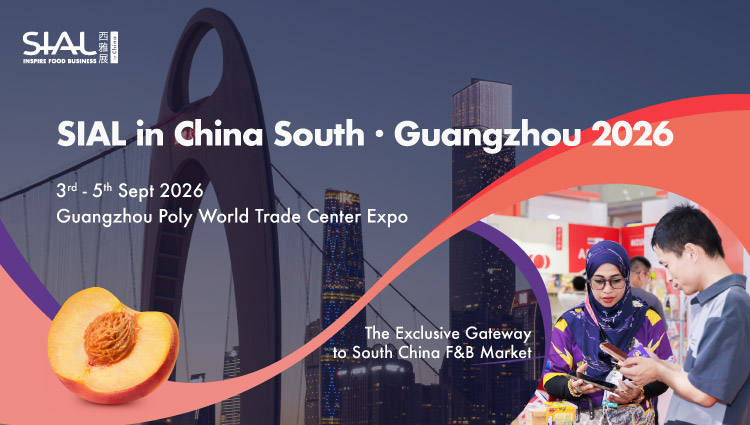
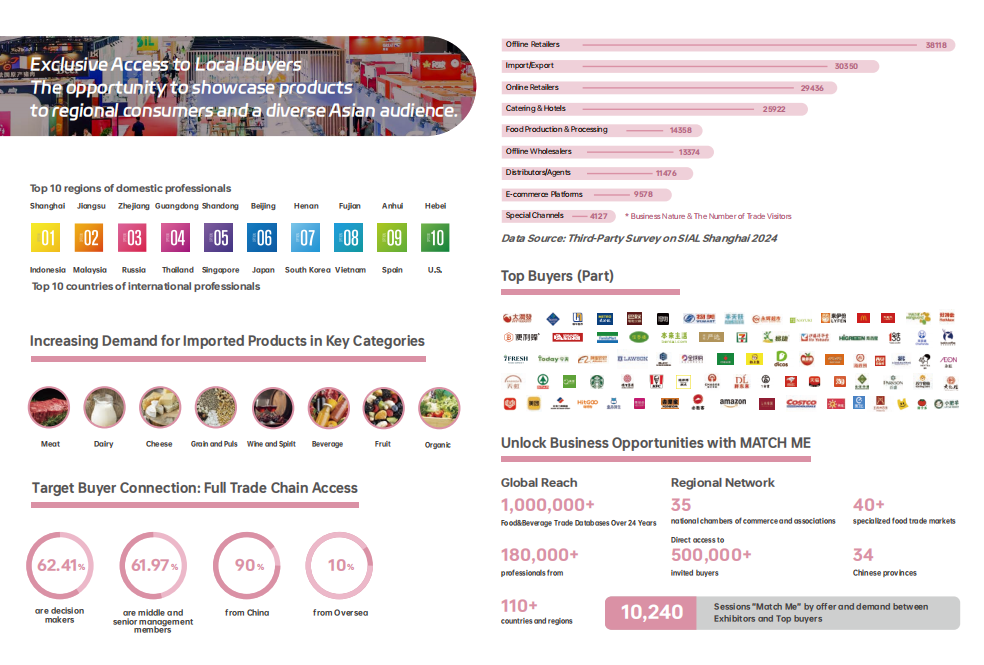
If you work in food, you need to see these changes. The best place to do that is SIAL in China. It is the biggest food and beverage innovation show in Asia. Every year, experts meet there. They show off the newest gear for keeping food cold and moving it fast.
In this guide, we will look at how technology is changing the way we shop frozen food. We will also look at smart warehouses and the future of this chilly industry.
The Explosion of Frozen Food Delivery
The way we eat has changed. The pandemic taught us to keep our freezers full. But the habit stuck. People really love the convenience.
From Emergency Food to Daily Meals
In the past, frozen food was just for emergencies. You ate it when you had nothing else. Now, it is a premium choice. You can find high-end seafood, complex meals, and healthy smoothie packs.
The food is better, so people order it more often. This puts a lot of pressure on frozen food delivery systems. A driver on a scooter can't just throw a bag of dumplings in a backpack. They need better equipment to keep it cold.
The "Last Mile" Challenge
The hardest part of shipping is the "Last Mile." This is the trip from the local warehouse to your front door. This is where mistakes happen. If a driver hits traffic, the ice melts.
Companies are using data to fix this. They use smart maps to plan the best routes. They also use small, local warehouses. Instead of one big warehouse far away, they have many small ones in the city. The driver only has to travel a few miles. This makes frozen food delivery faster and safer.
The New Look of the Frozen Food Store
The physical store is changing too. We used to walk down cold, boring aisles to buy peas. Now, the frozen food store is a high-tech experience.
O2O: Online to Offline
In China, online and offline shopping are the same thing. You might walk into a store to look at a product. But you pay with your phone and have it sent to your house.
Supermarkets like Hema Fresh are leading the way. They are part supermarket, part warehouse. You can shop frozen food in person, or you can order from the app. If you are in the store, look up. You might see bags on conveyor belts moving above your head. Staff members pack the frozen items in cool bags and rush them out. This "New Retail" model is a big topic at SIAL in China.
Specialty Frozen Boutiques
We also see small shops that only sell frozen food. These aren't big grocery stores. They are small, curated boutiques. They sell specialty items like high-quality beef or imported desserts.
These stores need different equipment. They don't have space for giant freezers. They use sleek, glass-door cases. These look good and save energy. They focus on selling a lifestyle of convenience.
Handling Large Frozen Foods and B2B Needs
Regular shoppers aren't the only ones buying frozen food. Restaurants and hotels buy huge amounts. Shipping large frozen foods is a different game.
The Challenge of Bulk Shipping
Imagine a restaurant ordering a whole frozen tuna. Or maybe a pallet of lamb cuts. These are heavy. You can't put them in a styrofoam box.
For these large frozen foods, the cold chain must stay unbroken. Logistics companies use big refrigerated trucks. These trucks have separate temperature zones. One part is for chilled vegetables. Another part is for deep-frozen meat. This lets them deliver different things in one trip.
Smart Warehousing for Bulk Items
Warehouses are getting smarter too. At SIAL in China, you can see robots that work in the freezer.
Humans don't like working in -20 degree temperatures. It is cold and dangerous. So, companies use automated forklifts. These robots don't get cold. They can lift heavy pallets of large frozen foods all day long. They stack them perfectly. This keeps the workers safe and the food fresh.
Technology That Keeps It Cold
How do we keep things frozen without using tons of electricity? This is where real innovation happens.
PCM: Phase Change Materials
This sounds fancy, but it is simple. Ice packs are old technology. They melt quickly. They get everything wet.
Now, we use Phase Change Materials (PCM). These are special plates or gels. They are designed to stay at a specific temperature. You can have a plate that stays exactly at -18 degrees. You put these in the delivery box. They act like a battery for coldness. They are reusable and work much better than dry ice.
IoT Sensors and Tracking
Trust is important. If you buy expensive frozen steaks, you want to know they didn't melt on the truck.
Smart tags are the answer. These are tiny stickers with chips inside. You stick them on the box of large frozen foods. They track the temperature every minute. If the truck gets too warm, the chip sends an alert to the manager's phone.
When the restaurant gets the delivery, they scan the tag. It shows a graph of the temperature during the whole trip. This proves the food is safe. This tech is becoming standard in frozen food delivery.
The Green Revolution in Packaging
Shipping frozen food creates a lot of trash. Styrofoam boxes and plastic wraps are bad for the planet. Customers want better options.
Biodegradable Insulation
Innovators are making insulation out of new materials. We see boxes made from cornstarch, mushrooms, and even wool. These materials keep the cold in just as well as plastic. But when you are done, you can compost them.
The Loop Model
Some companies are trying a "Loop" system. Instead of throwing away the box, you give it back. The driver drops off your frozen food delivery. Then they take the cooler box back to the warehouse. They clean it and use it again. This saves money and reduces waste.
Why You Need to Visit SIAL in China
Reading about these trends is one thing. Seeing them is another.
The SIAL in China exhibition is the heart of the Asian food industry. It isn't just about tasting food. It is about seeing the supply chain.
There are specific zones at the show for technology and logistics. You can talk to the companies making the smart trackers. You can touch the new eco-friendly boxes. You can meet the distributors who know how to handle large frozen foods.
If you want to open a frozen food store or fix your delivery service, this is where you find partners.
Consumer Habits are Shaping the Market
The customer is the boss. Their habits force companies to innovate.
Health and Transparency
People read labels now. They want healthy food. But they also want to know where it came from. In the frozen aisle, "fresh-frozen" is the new buzzword.
Shoppers want to know the vegetables were frozen right after harvest. They want to know the fish was frozen at sea. The cold chain tech lets brands prove this. When you shop frozen food, you often see QR codes. You scan them to see the farm and the freezing date.
Small Portions for Single Lives
In big cities, many people live alone. They don't want a 5-pound bag of frozen chicken. They want single servings.
Brands are changing their packaging sizes. They are making vacuum-sealed single portions. This reduces food waste. It also makes it easier to fit the food in small apartment freezers. This trend needs precise packaging machines. You can often see these machines at SIAL in China.
What the Future Holds
We are just getting started. The next ten years will bring even crazier changes.
Drone Delivery?
It sounds like sci-fi, but it is coming. For the "Last Mile," drones are perfect. They don't get stuck in traffic. A drone could pick up a small frozen food delivery order. It drops it in your backyard in ten minutes. Tests are already happening in some cities.
AI Prediction
Artificial Intelligence (AI) helps stores know what you want before you buy it. AI analyzes the weather and the holidays. It looks at your past orders. It tells the frozen food store exactly how much ice cream to stock. This stops them from buying too much or running out.
Conclusion: The Cold Chain is the Hot Topic
The world of frozen food is exciting right now. It is no longer a sleepy industry. It is high-tech, fast, and full of opportunity.
From the robots in the warehouse to the green box on your porch, every step is getting better. The demand for frozen food delivery is not slowing down. People want convenience.
For businesses, the key is to stay ahead. You need to use these new tools. You need to find better ways to ship large frozen foods. And you need to make it easy for the customer.
Don't get left out in the cold. Connect with the experts who are building this future. Plan your visit to SIAL in China today. It is your gateway to the innovations that are feeding the world.


'/%3e%3cdefs%3e%3clinearGradient%20id='paint0_linear_1477_4631'%20x1='18.272'%20y1='0'%20x2='18.272'%20y2='35.3674'%20gradientUnits='userSpaceOnUse'%3e%3cstop%20stop-color='%23FF9F9F'/%3e%3cstop%20offset='1'%20stop-color='%23F15E5E'/%3e%3c/linearGradient%3e%3c/defs%3e%3c/svg%3e)
'/%3e%3cdefs%3e%3clinearGradient%20id='paint0_linear_1477_4633'%20x1='17.5'%20y1='0'%20x2='17.5'%20y2='35'%20gradientUnits='userSpaceOnUse'%3e%3cstop%20stop-color='%23E9C0EE'/%3e%3cstop%20offset='1'%20stop-color='%23CE57DC'/%3e%3c/linearGradient%3e%3c/defs%3e%3c/svg%3e)

