
2026 Global Food Trends: Innovation in Low-Calorie & Smart Snacking
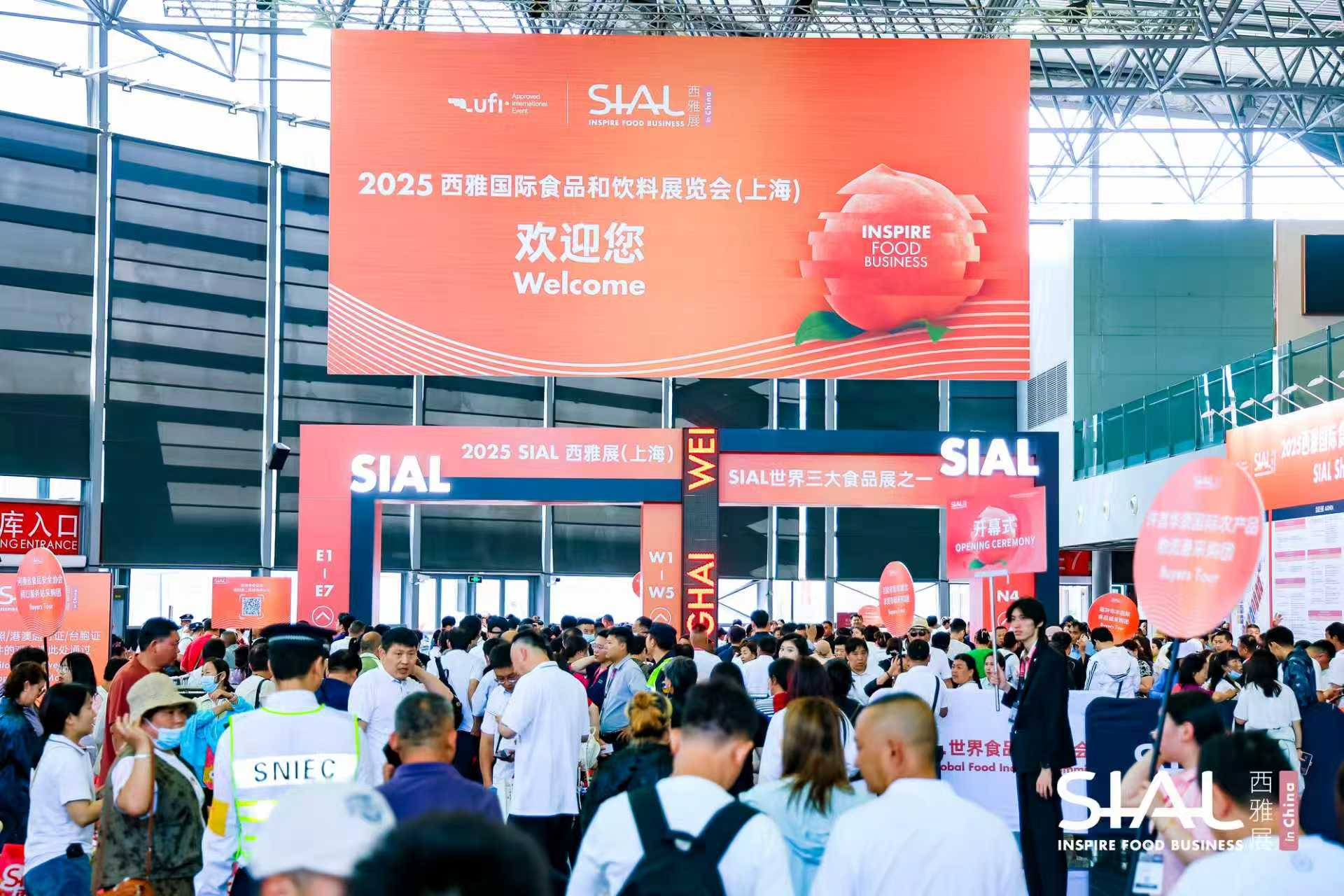
The global food industry is changing how it thinks about "diet" food. In the past, most companies tried to sell weight-loss products by simply taking things out. They removed fat, sugar, and calories, but they often removed the flavor too. Today, the rules are different. As defined by the 2026 global food trends, modern consumers do not want to feel like they are missing out. They want low calorie snacks that offer a high-quality eating experience. This shift has led to the rise of "micro-portions" and "smart recipes." These are products that focus on nutrient density rather than just low numbers. You can see these trends in action at major international events. At SIAL in China, the world's leading food brands meet to show how they use science to make healthy eating more enjoyable. For B2B companies, this is the most exciting time to innovate in the healthy snacking sector.
The Shift from Restriction to Nutrient Density
The biggest trend for 2026 is a move away from "empty" low-calorie food. Aligned with the latest 2026 global food trends, shoppers are now looking for low calorie snack options that also provide a functional benefit. They want snacks that help them stay full, maintain energy, and support their overall wellness.
Why "Smart Recipes" Matter Now
A smart recipe is not just about having fewer calories; it is about making every calorie count through bio-available ingredients. Manufacturers are now adding fiber, protein, and probiotics into traditional snack formats. This makes a snack "functional." When a snack helps with digestion or muscle recovery, it becomes a baseline requirement for the modern buyer. Healthy snack options are no longer a separate category; they are the new standard for the entire industry.
The Power of Satiety and Metabolic Health
One of the main problems with old diet snacks was that they did not keep people full. Today, brands use protein and healthy fats to drive satiety—a core pillar of 2026 global food trends. By creating good snacks with low calories that actually stop hunger, companies can build better brand loyalty. People buy these snacks because they feel the benefits immediately, not just because the label looks good.
Smaller Portions and the Rise of "Micro-Indulgence"
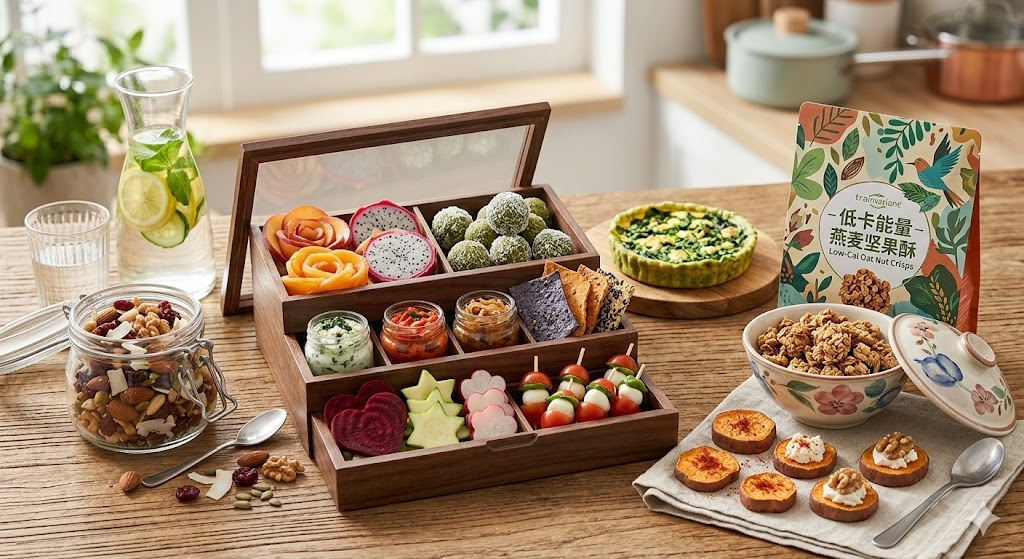
Portion control is a classic idea, but it has a fresh look in 2026. Instead of "mini-bags" of regular junk food, we are seeing "nutrient-dense micro-portions." These are small bites that pack a lot of flavor and nutrition into a tiny package.
Right-Size Indulgence
Many people want to enjoy a treat without eating a whole box. Brands are now creating single-serve, premium bites. This "right-size" approach, a key part of current global food trends, helps consumers manage their intake without feeling like they are on a restrictive diet. For B2B brands, this is a great way to increase margins by offering premium, high-value small packs.
Texture as a Tool for Satisfaction
Texture is doing a lot of work in modern low calorie snacks. By combining different textures like crunch, creaminess, and airiness, a small portion can feel like a much larger meal. This sensory experience is a key part of "smart recipes." It keeps the brain satisfied even when the portion is small.
Real Innovation from SIAL in China Exhibitors
If you look at the SIAL China Online Product List, you can see how real companies are using these 2026 global food trends to win in the market. Many brands are moving toward cleaner labels and higher-quality raw materials.
MONTREAL SHANTOU FOOD CO., LTD.: This brand shows how "smart recipes" can reinvent classic formats. Their Caloba Cereal Bars focus on a non-fried production process, offering a satisfying crunch without the extra calories from oil. They are currently looking for agents globally, making them a key partner for B2B expansion.
TANGSHAN GOLDENTANG FOOD CO., LTD.: Specializing in dehydrated foods, this company offers the Tangxiaoshan Okra Crisp. Okra is naturally high in fiber and low in calories. By using advanced drying, they provide good snacks with low calories that maintain nutritional value, fitting perfectly into the "dietetic" categories modern buyers want.
SHAN DONG YANGLEDUO BIOTECHNOLOGY CO., LTD.: Their Yizhengyuan 500 NFC Juice features a completely clean label. For B2B companies, this product is an excellent example of healthy snack options that offer high quality at an affordable price, providing 100% natural nutrition that moves fast in the mass market.
B2B Opportunities in the 2026 Global Health Market
For international companies, the demand for healthy snack options in Asia is a massive opportunity. Brands that can provide high-quality, western-style health products are finding success with the growing middle class in China by following global food trends.
Connecting with Professional Distributors
The best way to enter this market is to find a local partner at SIAL in China who specializes in functional and dietetic foods. These partners can help you navigate local rules and get your low calorie snacks into the right stores.
Customizing for Regional Tastes
While the tech behind the snack might be global, the flavor should be local. Smart B2B brands are using ingredients like matcha, ginger, or red bean to make their low calorie snack options more appealing to Asian palates. This mix of global quality and local flavor is a winning strategy.
The Role of Technology in Smart Recipes
We cannot talk about modern snacking without talking about food science. New machines and processes are making it possible to create good snacks with low calories that were impossible ten years ago.
Advanced Dehydration and Vacuum Frying
Vacuum frying allows vegetables to stay crunchy and colorful without soaking up a lot of oil. This keeps the fat content low while keeping the "junk food" feel. This is a core part of creating healthy snack options that people actually want to eat every day.
Micro-Encapsulation of Nutrients
Food scientists are now able to "hide" vitamins and minerals inside snacks so they do not change the taste. This allows brands to make low calorie snacks that are as nutritious as a multivitamin but taste like a chocolate bar.
Challenges for Brands in 2026
Even with all this technology, B2B companies must face a few big hurdles in the 2026 global food trends landscape.
Clean Label vs. Taste: Removing artificial stabilizers while maintaining mouthfeel is a major R&D challenge.
Cost of Premium Ingredients: Ingredients like organic pea protein or monk fruit are expensive. Brands must find a way to keep low calorie snacks affordable.
Packaging Waste: Consumers now want "right-size" portions that also use eco-friendly or compostable materials.
The Future of Weight Wellness: Satiety Over Calories
The future of the industry is not about the number 0. It is about metabolic health. People are starting to care more about how their blood sugar reacts to a snack.
Low-GI Snacking
Smart recipes are now focusing on the Glycemic Index (GI). By using slow-release carbs like oats or lentils, brands can create low calorie snacks that provide steady energy. This prevents the "sugar crash" that makes people reach for more food an hour later.
Personalized Portioning
In the future, digital tools and AI will help brands suggest the best healthy snack options for specific user needs based on individual activity levels.
Conclusion: Taking the Lead in the Snack Revolution
The "New Rules" of snacking are here to stay. Consumers want low calorie snacks that fit their lifestyle and their health goals. By focusing on the 2026 global food trends of nutrient density, smaller portions, and smarter recipes, B2B players can build brands that consumers trust. Events like SIAL in China will continue to be the best place to find the partners and the technology to make this happen. It is time for your brand to take the lead.


'/%3e%3cdefs%3e%3clinearGradient%20id='paint0_linear_1477_4631'%20x1='18.272'%20y1='0'%20x2='18.272'%20y2='35.3674'%20gradientUnits='userSpaceOnUse'%3e%3cstop%20stop-color='%23FF9F9F'/%3e%3cstop%20offset='1'%20stop-color='%23F15E5E'/%3e%3c/linearGradient%3e%3c/defs%3e%3c/svg%3e)
'/%3e%3cdefs%3e%3clinearGradient%20id='paint0_linear_1477_4633'%20x1='17.5'%20y1='0'%20x2='17.5'%20y2='35'%20gradientUnits='userSpaceOnUse'%3e%3cstop%20stop-color='%23E9C0EE'/%3e%3cstop%20offset='1'%20stop-color='%23CE57DC'/%3e%3c/linearGradient%3e%3c/defs%3e%3c/svg%3e)

