

China's premium fruit and nut market offers diverse opportunities for international suppliers, supported by demand for distinctive flavors, high-quality ingredients, and convenient food products. Consumers are exploring a wider range of imported fruits, from cherries and avocados to durian and blueberries, while almonds, pistachios, cashews, and other nuts remain important in snacking and food manufacturing. Beyond fresh produce and whole nuts, frozen fruit, dried fruit, nut pastes, and other processed ingredients are expanding the range of potential applications. Understanding China's import patterns, consumer preferences, processing needs, and regulatory requirements can help overseas suppliers identify suitable market opportunities.
Understanding China's Growing Demand for Premium Fruits and Nuts
Changing consumption habits, interest in product quality, and demand for convenient food options are influencing how Chinese consumers choose premium fruits and nuts.
How Consumer Preferences Are Reshaping China's Fruit Market
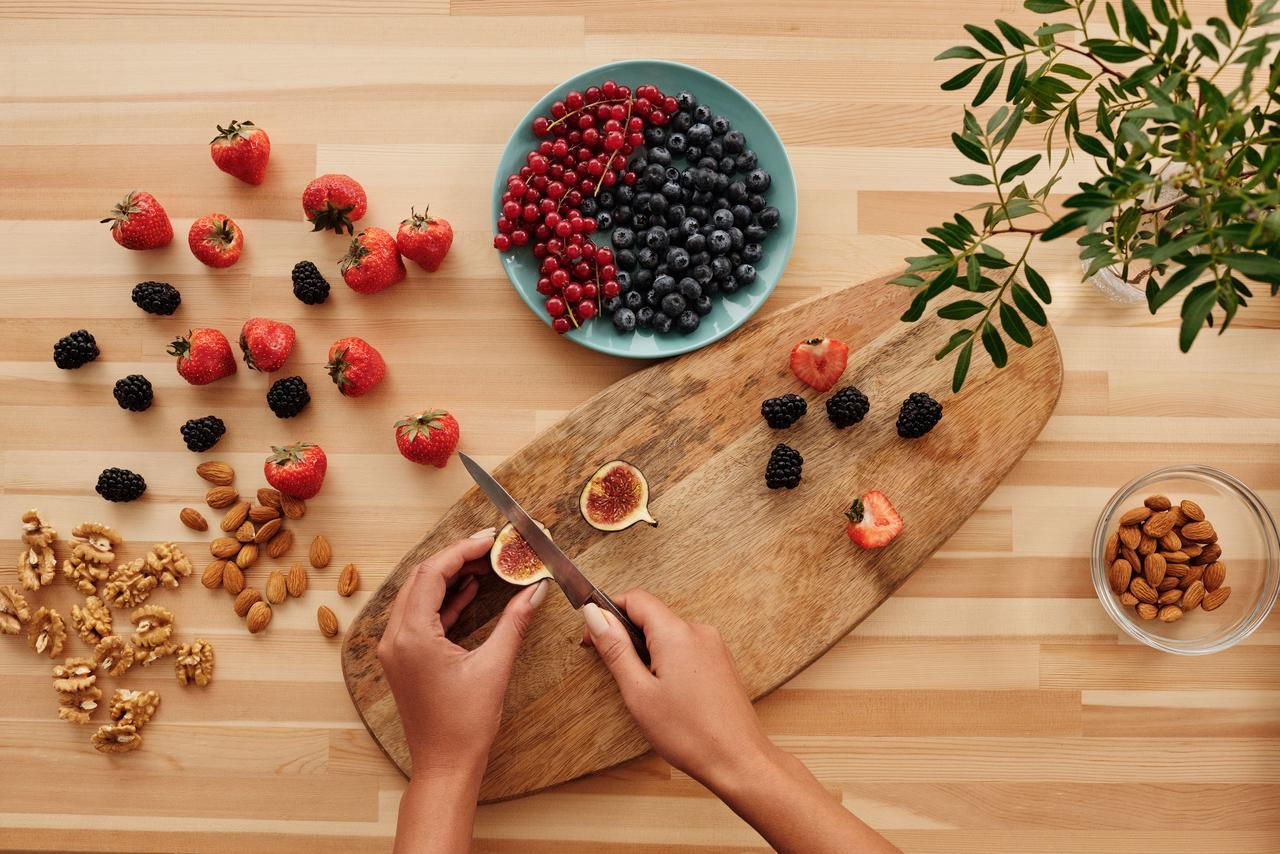
China's fruit market is becoming increasingly diverse as consumers explore products beyond traditional domestic varieties. Alongside familiar fruits, imported exotic fruit appeals to buyers through distinctive flavors, textures, origins, and seasonal availability. Product quality, freshness, appearance, and traceability are important considerations, particularly in premium retail and gift-oriented markets.
Cherries, durian, avocados, blueberries, and kiwifruit illustrate different aspects of this demand. Cherries have an established position in seasonal premium consumption, while durian attracts consumers through its distinctive flavor and growing availability in fresh and frozen forms. Avocados benefit from their association with balanced diets and are used in both household meals and foodservice. Blueberries and kiwifruit, meanwhile, serve fresh-snacking and ingredient applications.
Rising Demand for Nut Products and Health-Oriented Snacking
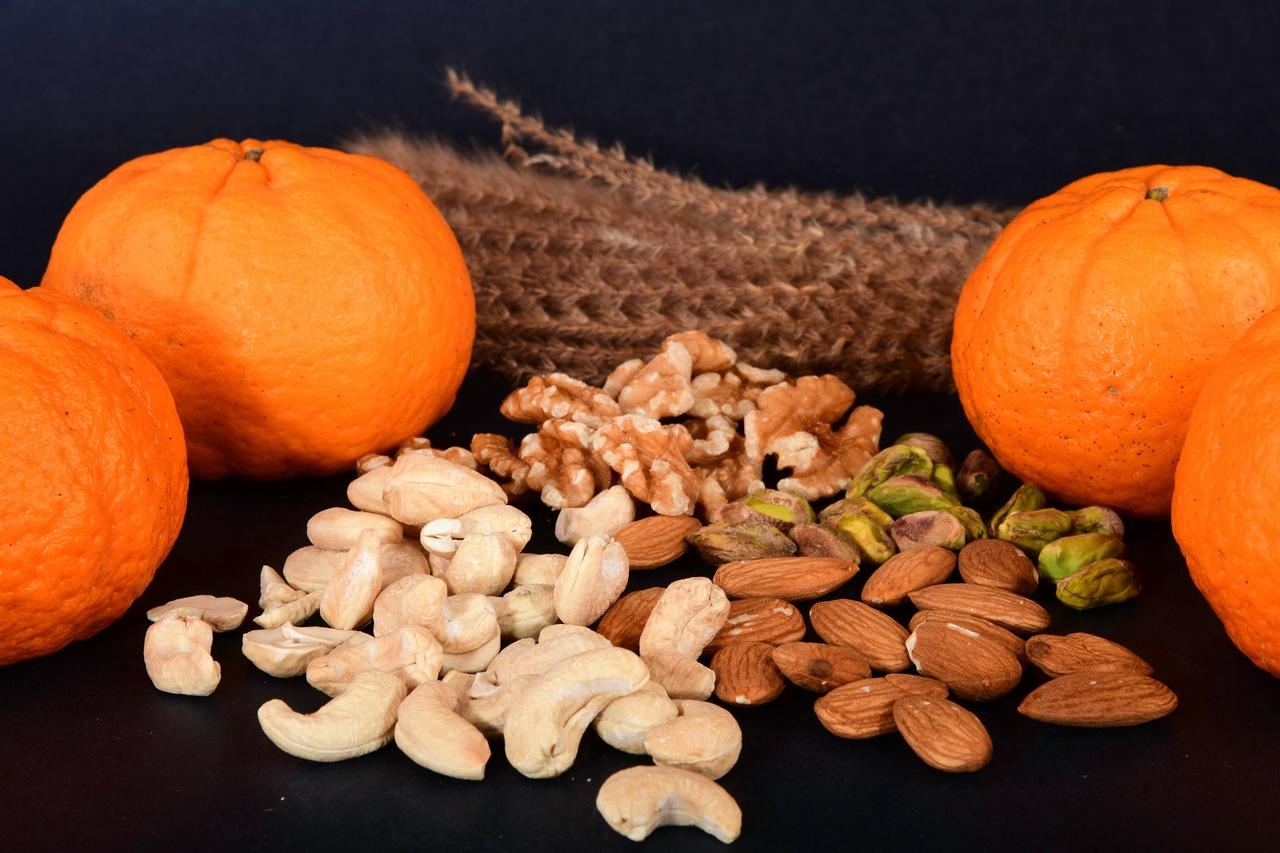
Nuts are another important part of China's premium food market. Walnuts, almonds, pistachios, cashews, macadamias, and pecans serve different consumer preferences and price segments. They are sold as everyday snacks, mixed-nut products, gift assortments, and ingredients for home cooking and baking.
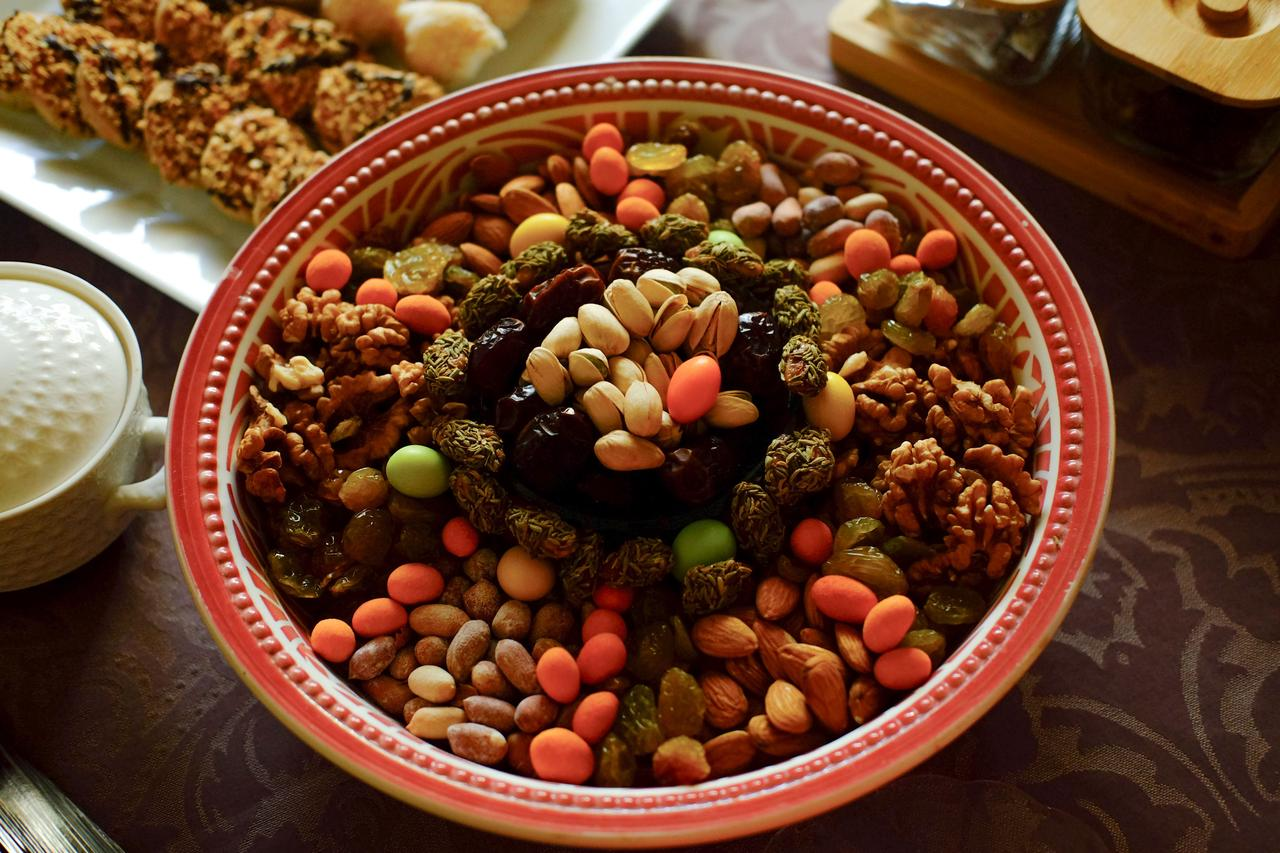
Consumer interest in convenient snacks and products associated with nutritional value has helped diversify nut consumption. Rather than focusing exclusively on traditional whole nuts, retailers and food manufacturers offer roasted nuts, seasoned varieties, individually packaged portions, and mixed products.
According to the USDA Foreign Agricultural Service's Pistachio Market Update 2025, China's annual pistachio demand reached approximately 160,000 metric tons in 2024. The report also identifies walnuts, almonds, pistachios, macadamias, and cashews among the country's most consumed tree nuts.
However, demand does not translate into identical import growth across all categories. China has substantial domestic walnut and macadamia production, which influences its need for overseas supplies. Imported products therefore compete not only with other international origins but also with domestic producers.
For overseas suppliers, understanding individual nut categories, product specifications, and consumption channels is more useful than treating the entire nut industry as one uniform market.
China's Import Market: Key Products, Suppliers, and Trade Patterns
China's import patterns vary across fruit and nut categories, reflecting differences in domestic production, international supply origins, and established trade relationships with overseas producers.
Major Fruit Suppliers to China and Their Key Products
Where China sources its imported fruit depends on the crop and its harvest season. Some countries supply a range of tropical fruits, while others play a leading role in a single crop. The table below ranks China’s top five fruit suppliers by import value in 2025 and shows the main fruits each supplied.
| Rank | Supplier country | 2025 import value (US$ million) | Top products | Market note |
|---|---|---|---|---|
| 1 | Thailand | 7,490 | Durian, mangosteens, coconuts | China’s largest fresh fruit supplier and the source of most of its imported durian. |
| 2 | Vietnam | 5,120 | Durian, bananas, pomelos, longans | Supplied nearly as much durian to China as Thailand did. |
| 3 | Chile | 3,480 | Cherries, blueberries, plums | Supplied 99% of China’s imported cherries. |
| 4 | New Zealand | 1,320 | Kiwifruit, apples, avocados | A major source of high-quality kiwifruit for China. |
| 5 | Philippines | 1,060 | Bananas | China’s leading supplier of imported bananas. |
China imported US$12.61 billion worth of fruit from Thailand and Vietnam combined, accounting for about 68% of the import value from the five countries listed. Their lead reflects the scale of the tropical fruit trade. The Philippines illustrates how the ranking changes by product. It placed fifth by overall fruit import value but first as a supplier of bananas.
For cherry buyers, the defining feature is the concentration of supply in Chile. Its Southern Hemisphere harvest brings fresh cherries to China when domestic supplies are limited. Making use of that seasonal window depends on maintaining the cold chain through shipping, handling, and storage so the fruit reaches retailers in good condition.
China's Nut Imports: Key Products and International Suppliers
Chinese buyers often source the same type of nut from several countries. Processing also shapes supplier choice, particularly for buyers looking for nuts prepared for use in snacks or other foods. The table below compares China’s five largest nut suppliers by import value in 2025 and the products they supplied.
Rank | Supplier country | 2025 import value (US$ million) | Top products | Market note |
|---|---|---|---|---|
| 1 | Australia | 630 | Almonds, macadamias | Ranked first by nut import value, ahead of the United States. |
| 2 | Vietnam | 520 | Cashews, processed nuts | Most of its cashew exports to China were already processed. |
| 3 | South Africa | 320 | Macadamias, almonds | Its Southern Hemisphere harvest helps fill gaps between Northern Hemisphere crops. |
| 4 | United States | 205 | Pistachios, almonds, pecans | Chinese demand remains strong, although tariffs can affect import volumes. |
| 5 | Iran | 135 | Pistachios | Pistachio supplies can vary considerably from year to year. |
For Chinese buyers, the choice of supplier depends on the nut and the form they need. Almond buyers can source from Australia, South Africa, or the United States, while Vietnam stands out for buyers seeking processed cashews. For pistachio buyers, two considerations are the effect of tariffs on U.S. shipments and year-to-year variation in Iranian supplies.
Domestic production also shapes the outlook for overseas suppliers. According to the USDA FAS China Tree Nuts Annual 2026, China’s walnut output will rise 7% to 1.6 million metric tons in the 2026/27 marketing year. It also expects macadamia, hazelnut, and pecan production to increase as more orchards mature. For Australian and South African macadamia suppliers in particular, a larger Chinese crop could limit import demand.
What Shapes China's Imported Fruit and Nut Trade?
China's imported fruit and nut trade is shaped by more than consumer demand and product popularity. Supply availability, logistics capabilities, product quality, domestic competition, and regulatory conditions all influence which international products can compete effectively and maintain a stable presence in the market.
- Seasonality: Different harvest periods across the Northern and Southern Hemispheres can support complementary supply schedules and extend product availability.
- Cold-chain logistics: Temperature control, packaging, transportation efficiency, and storage conditions are particularly important for fresh fruit.
- Product origin and quality: Varietal characteristics, production standards, traceability, and consistent grading help distinguish imported products.
- Domestic competition: China's growing production of selected fruits and nuts can affect import demand and pricing.
- Trade conditions: Tariffs, quarantine protocols, market access approvals, and country-specific requirements influence the cost and feasibility of exporting to China.
For international suppliers, long-term competitiveness in China depends on more than choosing products with strong import demand. Consistent quality, reliable supply chains, and compliance with market requirements all play important roles. At the same time, opportunities extend beyond importing fresh produce or raw nuts, as changing consumption habits and food manufacturing needs are creating new possibilities for value-added products and processing applications.
Beyond Fresh Produce: Product Innovation and Processing Opportunities
From Fresh Exotic Fruit to Value-Added Fruit Products
Fresh fruit is only one part of the opportunity in China's fruit market. Processing can extend shelf life, reduce reliance on seasonal availability, and open up additional applications for imported fruit varieties.
- Frozen fruit: Frozen durian, mango, and berries are used in smoothies, desserts, bakery products, and foodservice. Their convenient storage and handling make them practical ingredients for manufacturers seeking consistent fruit supply beyond the fresh harvest season.
- Dried and freeze-dried fruit products: These products are increasingly suitable for retail snacks, breakfast cereals, and mixed-fruit products. Their convenient formats and extended shelf life support distribution through a range of retail and foodservice channels.
- Fruit purees and concentrates: Mango puree, durian puree, and juice concentrates can be used in beverages, dairy products, ice cream, sauces, and confectionery. They allow fruit suppliers to serve food manufacturers and ingredient buyers, rather than relying solely on fresh-produce distribution.
For overseas exporters, processing capabilities can add value to fruit varieties with distinctive flavor profiles or seasonal supply patterns. However, consistent product quality, appropriate processing standards, food safety compliance, and batch-to-batch consistency remain essential for building reliable business relationships.
Nut Processing and Growing Demand from Food Manufacturers
The opportunities for international nut suppliers also extend beyond whole and roasted nuts. Processed nut products are widely applicable across China's food manufacturing and foodservice sectors.
According to the USDA FAS China Tree Nuts Annual 2026, tree nuts are increasingly used in bakery, catering, plant-based beverages, milk tea, and coffee. Processing formats such as nut slices, powders, and pastes provide additional ingredient options for food manufacturers.
Examples of potential applications include:
Processed nut products | Potential applications |
|---|---|
Almond flour and powder | Bakery, confectionery, and snacks |
Pistachio paste and pieces | Desserts, chocolate, and ice cream |
Cashew butter and paste | Spreads, sauces, and plant-based foods |
Walnut pieces | Bread, cakes, cereals, and desserts |
Roasted and seasoned nuts | Packaged snacks and mixed-nut products |
These applications create opportunities for suppliers at different stages of the value chain. Exporters can supply raw materials, while specialized processors can offer roasted, sliced, ground, or otherwise prepared ingredients.
For B2B buyers, consistency is particularly important. Nut size, moisture content, flavor, processing specifications, packaging, and food safety documentation can influence whether a product is suitable for industrial use.
Trends Creating New Product Opportunities
Several product developments are worth monitoring across China's premium fruit and nut market:
- Convenience-oriented formats: Individually packaged snacks, ready-to-eat fruit, and mixed-nut assortments suit consumers looking for convenient food options.
- Premium ingredients: Distinctive fruit varieties, identifiable origins, and specialized nut ingredients can support differentiated products.
- Product diversification: Fruit purees, freeze-dried fruit, nut pastes, and blended ingredients expand applications beyond traditional retail products.
- Foodservice and industrial demand: Bakeries, beverage manufacturers, dessert businesses, and catering companies require ingredients with consistent quality and specifications.
The wider opportunity lies in connecting agricultural supply with food manufacturing. Suppliers able to provide both quality raw materials and suitable processed formats can serve a broader range of buyers.
Entering China's Fruit and Nut Market: Regulations and Business Opportunities
Entering China requires suppliers to understand both regulatory obligations and commercial conditions, from product-specific import approvals and food safety standards to tariffs and buyer requirements.
Import Access, Quarantine, and Food Safety Requirements
China's import requirements vary according to product type, processing method, country of origin, and applicable bilateral agreements. Overseas suppliers should verify the relevant rules before arranging shipments.
1. Fresh fruit import access and quarantine
Fresh fruit imports are subject to China's plant quarantine requirements. Under China's imported fruit inspection and quarantine measures, as amended by GACC Order No. 283, the importer or its agent must obtain the required quarantine permit before signing the import contract.
The importer or its agent must present the original phytosanitary certificate from the exporting authority. Shipments must enter through a port that meets Chinese customs requirements and comply with applicable bilateral protocols and permit conditions. Cartons must show the fruit name, origin, and packing facility’s name or code in Chinese or English. Shipments may contain only fruit listed on the certificate and must meet Chinese limits for harmful residues and be free of prohibited quarantine pests, soil, and plant debris.
2. Overseas food manufacturer registration
Processed fruit and nut products exported to China are subject to the country's overseas food manufacturer registration requirements. Under GACC Decree No. 280, overseas manufacturers of covered processed foods must register with the General Administration of Customs of China (GACC). Food packaging must display either the manufacturer’s GACC registration number or the number approved by the competent authority in its country or region.
GACC Announcement No. 27 of 2026 lists nuts and seeds, as well as dried fruits, among the categories requiring an official recommendation. Manufacturers of these products must undergo inspection by the competent authority in their country or region and obtain an official inspection report and recommendation letter before submitting their registration applications to GACC. Other food categories may follow different registration procedures depending on their classification.
3. Food safety and labeling standards
Imported processed fruit and nut products must comply with applicable Chinese food safety standards. The following are two updated national standards that importers should pay particular attention to, which can be searched and downloaded on the National Food Safety Standard Data Retrieval Platform:
- GB 7718-2025, General Principles for the Labeling of Prepackaged Foods, requires labels to clearly identify ingredients from eight allergen groups, including peanuts and tree nuts. Mandatory information shown in a foreign language must generally match the Chinese text.
- GB 28050-2025, General Principles for Nutrition Labeling of Prepackaged Foods, adds saturated fat and sugars to mandatory nutrition declarations and requires a statement advising children and adolescents to avoid excessive salt, oil, and sugar intake.
Trade Policy and Opportunities for Overseas Suppliers
Trade Policies Affecting Fruit and Nut Imports
Under China's 2026 Tariff Adjustment Plan, a product’s customs classification and origin determine which tariff rates are available. Importers should check the most-favored-nation rate and whether a provisional or preferential rate applies.
For example, Tariff Commission Announcement No. 5 of 2026 grants zero tariffs on eligible goods from 20 specified African countries from May 1, 2026, through April 30, 2028. To claim the preference, importers must check the tariff line and meet the rules of origin under GACC Announcement No. 54 of 2026.
Trade remedies can create additional costs for specific products and origins. In August 2026, China's Ministry of Commerce issued a preliminary anti-dumping determination on fresh or dried pecans from the United States and Mexico, introducing provisional measures in the form of cash deposits.
Business Opportunities for Overseas Suppliers
China's fruit and nut market offers opportunities for suppliers across fresh produce, processed foods, and food ingredients:
- Fresh produce exporters: Supplying distinctive fruit varieties with reliable seasonal availability and consistent quality.
- Processed fruit manufacturers: Offering frozen fruit, dried fruit, purees, and concentrates for retail and food manufacturing.
- Nut exporters: Providing almonds, cashews, pistachios, macadamias, and other products in suitable specifications.
- Food ingredient suppliers: Serving bakeries, beverage manufacturers, confectionery producers, and foodservice businesses with standardized fruit and nut ingredients.
Successful market entry depends on more than product popularity. Suppliers also need to understand applicable tariffs and origin rules, maintain regulatory compliance, and provide stable quality and supply that meet local buyers' requirements.
Key Considerations for Supplying China's Fruit and Nut Market
For overseas fruit and nut suppliers, understanding market demand is only the starting point. Evaluating product suitability, supply capabilities, buyer requirements, and import conditions can help businesses make more informed decisions when developing their China market strategy.
- Research demand at the product level: Avoid treating premium fruits or nuts as a single market category. Evaluate individual varieties, consumer preferences, import trends, and competition from domestic producers.
- Identify suitable buyers and distribution channels: Fresh fruit exporters may need to work with importers, wholesalers, and premium retailers, while processed fruit and nut ingredient suppliers can explore opportunities with food manufacturers, bakeries, beverage companies, and foodservice businesses.
- Plan supply around seasonality and logistics: Consider harvest periods, transportation time, cold-chain requirements, storage conditions, and the ability to maintain consistent product quality throughout the supply cycle.
- Evaluate opportunities beyond raw products: Frozen fruit, dried fruit, purees, nut powders, and pastes can serve different applications in retail and food manufacturing. Suitable processing formats may help suppliers reach a broader range of buyers.
- Verify market access and compliance before shipping: Confirm whether the specific product and country of origin are approved for export to China. Check applicable quarantine protocols, facility registration requirements, food safety standards, labeling rules, and tariff conditions.
- Compare landed costs and competitive positioning: Import duties, freight, storage, handling, packaging, and domestic competition all affect the final cost of a product. Suppliers should assess whether their quality, specifications, and pricing can meet the expectations of their target buyers.
Once suppliers know their landed costs, a conversation with a buyer can reveal whether the product works at that price. SIAL Shanghai, a leading B2B food and beverage exhibition in Asia, gives overseas fruit and nut suppliers a place to have those conversations face to face. The SIAL Shanghai attracts over 175,000 industry professionals. Through the Match Me programme, exhibitors can connect with buyers whose sourcing needs match their products
Once suppliers know their landed costs, a conversation with a buyer can reveal whether the product works at that price. SIAL Shanghai, a leading B2B food and beverage exhibition in Asia, gives overseas fruit and nut suppliers a place to have those conversations face to face.
At SIAL Shanghai, international exhibitors can:
- Meet buyers across sales channels: Connect with importers, e-commerce buyers, and food manufacturers at a show with over 175,000 industry professionals.
- Find buyers looking for products like yours: Through the Match Me programme, suppliers of fresh produce, nut snacks, and food ingredients can meet buyers whose sourcing needs match their offerings.
- Get direct feedback on samples and pricing: Gain real-time market feedback and align products with China's latest retail and consumer trends.
Ready to expand your market footprint in China? Book your booth at SIAL Shanghai today to explore tailored sponsorship and exhibition solutions.
Conclusion
China's premium fruit and nut market offers opportunities across fresh produce, packaged snacks, processed ingredients, and food manufacturing. While imported cherries, avocados, almonds, and cashews demonstrate established international trade relationships, domestic production and changing trade conditions also shape individual product categories. For overseas suppliers, understanding import regulations, maintaining consistent quality, and developing products suited to retail and industrial applications are essential steps toward building sustainable business relationships in China.
Frequently Asked Questions
1. What exotic fruits are popular in China's import market?
Popular imported fruit categories include cherries, durian, avocados, blueberries, and kiwifruit. Their market positioning varies, from premium seasonal fruit and fresh snacks to ingredients for beverages and desserts. Import demand also depends on origin, seasonal availability, product quality, and market access.
2. Which countries are major suppliers of imported fruits and nuts to China?
Thailand and Vietnam led China’s fruit imports by value in 2025, followed by Chile, New Zealand, and the Philippines. The leading origin depends on the fruit. Chile supplied 99% of China’s imported cherries, while the Philippines was its largest banana supplier. For nuts, Australia ranked first, supplying mainly almonds and macadamias. Vietnam ranked second, with a focus on processed cashews, followed by South Africa, the United States, and Iran.
3. What are the import requirements for fresh fruits entering China?
Fresh fruit exporters must verify that their country or region and specific fruit have approved market access. Shipments must comply with applicable quarantine protocols, obtain the required phytosanitary certification, and meet Chinese customs inspection, packaging, and safety requirements. Importers should also arrange the necessary quarantine approval before contracting.
4. What opportunities exist for overseas nut suppliers in China's food processing industry?
Opportunities extend beyond whole nuts and packaged snacks. Almond flour, pistachio paste, cashew butter, and walnut pieces can be supplied to bakeries, confectionery manufacturers, beverage producers, and foodservice businesses. Consistent quality, processing specifications, and reliable supply are important for industrial buyers.
5. Is there demand for processed fruit products in China?
Processed fruit products serve multiple applications in retail and food manufacturing. Frozen fruit, dried fruit, freeze-dried berries, fruit purees, and juice concentrates can be used in snacks, beverages, dairy products, bakery items, and desserts. These formats allow suppliers to serve buyers beyond the fresh-produce market.