

China's cereals and grains market combines a large domestic agricultural base with demand for imported ingredients that meet specific quality, processing, and product-development requirements. While rice, wheat, and corn remain central to the country's food supply, oats, barley, quinoa, and other specialty grains serve a wider range of food manufacturing and consumer applications. For international grain suppliers, understanding these differences is essential to identifying suitable buyers and assessing market-entry conditions. This guide examines China's grain consumption landscape, import data, major overseas suppliers, food processing trends, import regulations, and commercial opportunities, helping overseas suppliers assess market demand, identify relevant buyers, and prepare for China's market-entry requirements.
China's Cereals and Grains Market: Consumption and Demand
China's Grain Consumption and Market Landscape
China has a substantial domestic cereal industry, supported by large-scale production of rice, wheat, and corn. According to the National Bureau of Statistics, China's cereal output reached 660.21 million tonnes in 2025, up 1.2% from 2024. These figures cover major crops such as rice, wheat, maize, millet, sorghum, barley and oats. Domestic production therefore supplies much of the country's demand for staple grains and provides a strong foundation for food manufacturing.
However, grain demand extends beyond household consumption. Rice and wheat are widely used in everyday meals, while corn and other cereals serve food processing, industrial, and feed markets. Food manufacturers also purchase grains according to specific characteristics, including variety, protein content, moisture, milling quality, and processing performance. These requirements create opportunities for imported products that complement domestic supply.
Growing Demand for Specialty Grains and Cereal Products
Alongside staple grains, specialty cereals such as oats and quinoa have established applications in China's packaged food market. Oats are used in rolled oats, instant oatmeal, breakfast cereals, granola, and oat-based beverages. Their versatility makes them suitable for both retail products and food manufacturing. Barley also has several markets, ranging from food-grade grains and malt to animal feed, while quinoa occupies a more specialized position in premium and nutrition-oriented food products.
Consumer interest in convenient breakfast options, whole-grain ingredients, and varied cereal products encourages manufacturers to develop products beyond traditional grain staples. Examples include mixed-grain breakfast packs, high-fiber biscuits, cereal bars, instant grain powders, and ready-to-eat grain blends. These products allow brands to differentiate their offerings through texture, ingredient combinations, and nutritional positioning.
For international grain suppliers, the opportunity is not limited to selling whole grains. Processed ingredients, including flakes, flour, and standardized grain blends, can also meet the needs of brands seeking consistent raw materials for new cereal products.
China's Grain Imports: Key Products and Global Suppliers
China's grain import market is large but changes considerably by commodity and year. According to the 2025 trade statistics from UN Comtrade, China imported approximately 10.42 million tonnes of barley, 4.54 million tonnes of sorghum, 3.85 million tonnes of wheat, 2.65 million tonnes of corn, and 708.67 thousand tonnes of oats.
The year-on-year changes were uneven. Barley imports fell by approximately 26.8% in volume from 2024, while oat imports increased by 52.7%. This contrast illustrates why overseas suppliers should assess individual product categories rather than rely on an overall grain-import trend.
Import origins differ by grain. Australia was China's largest reported supplier of both barley and oats in 2025. Canada and France were also important barley suppliers, while Russia remained another major source of oats. Quinoa has a much smaller import market, with Bolivia and Peru among its established suppliers. For exporters, these sourcing patterns indicate where commercial relationships already exist and where alternative origins may have room to compete.
The following 2025 trade figures from UN Comtrade illustrate several important product categories and leading suppliers.
Product | China's 2025 import volume | Import value | Leading supplier | Import volume |
|---|---|---|---|---|
Barley | 10.42 million tonnes | US$2.69 billion | Australia | 5.92 million tonnes |
Sorghum | 4.54 million tonnes | US$1.25 billion | Australia | 2.21 million tonnes |
Wheat | 3.85 million tonnes | US$1.14 billion | Canada | 2.71 million tonnes |
Corn | 2.65 million tonnes | US$695 million | Brazil | 1.61 million tonnes |
Oats | 708.67 thousand tonnes | US$217 million | Australia | 469.74 thousand tonnes |
Quinoa | 5.08 thousand tonnes | US$13.66 million | Bolivia | 3.67 thousand tonnes |
Food Processing Applications and Trends in China's Cereal Market
From Breakfast Cereals to Bakery and Snack Products
Oats are widely suited to breakfast and convenience foods, including rolled oats, instant oatmeal, granola and ready-to-eat cereal mixes. Food brands can use different oat formats to develop products with varied textures and preparation times. Oat flakes and flour are also suitable for cookies, cereal bars, bakery mixes and other packaged snacks.
Other grains create additional product-development opportunities. Quinoa can be incorporated into mixed-grain breakfast products, snack clusters, salad toppings and ready meals. Blends combining quinoa, oats, barley and other cereals allow manufacturers to introduce different flavors and textures while expanding their whole-grain ingredient options. For suppliers, this creates demand for both whole-grain products and ingredients prepared for specific manufacturing processes.
Grain Ingredients for Food Manufacturing and Industrial Applications
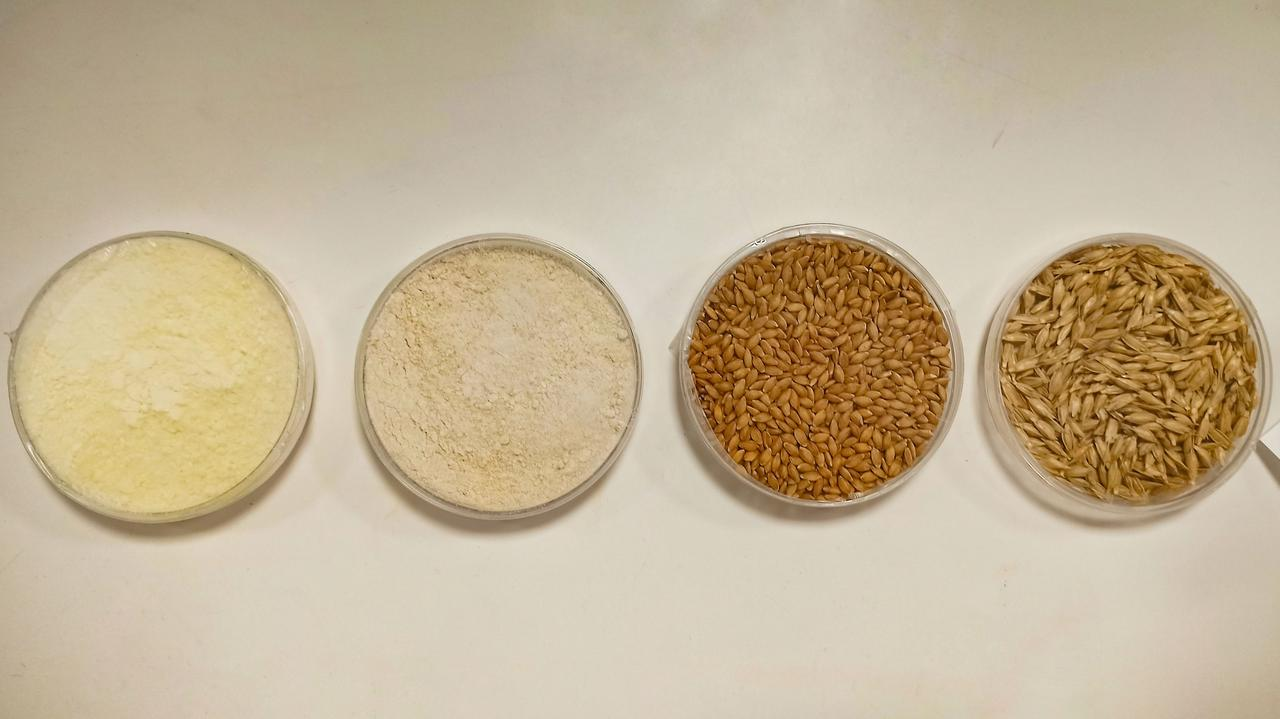
Food manufacturers purchase grains in several forms, including whole kernels, flakes, flour, groats, and malt. These ingredients serve different production requirements. Oat flour, for example, can be used in bakery formulations and instant cereal mixes, while barley flour and pearled barley are suitable for selected food products. Barley malt is an important raw material for brewing and related applications.
Industrial buyers typically assess more than price and origin. They may specify moisture levels, grain size, protein content, germination performance, cleanliness, and processing consistency. Malt producers, for instance, require barley varieties that meet technical malting specifications, while cereal manufacturers may prioritize uniform flake thickness or milling performance. Suppliers able to provide reliable specifications, testing records, and consistent shipments are better positioned to serve these buyers.
China's Grain Import Regulations and Market Access
Import Access, Quarantine, and Customs Requirements
Access to China's grain market depends on the product, country of origin, and applicable quarantine arrangements. Under the Administrative Measures for the Inspection and Quarantine of Inbound and Outbound Grain, as amended by GACC Order No. 283, overseas grain producers, processors, and storage facilities subject to registration must register with the General Administration of Customs of China (GACC) through their country's competent authority. The owner of the imported grain must obtain the "Entry Animal and Plant Quarantine Permit" before signing the trade contract.
A separate registration system may also apply when grains are imported as food or food-processing ingredients. Under GACC Decree No. 280, overseas food producers, processors, and storage facilities covered by the regulations must be registered with GACC. GACC Announcement No. 27 of 2026 lists edible grains, grain milling products, and malt among the categories requiring an official recommendation. Suppliers should confirm the correct registration pathway for their exact product and intended use.
Food Safety Standards and Product Compliance
Under Article 9 of GACC Order No. 249, imported grain intended for human consumption must comply with China's food safety laws and applicable national standards. Checking product specifications and test results against those standards before shipment can help reduce the risk of customs delays or shipment rejection.
Suppliers can find and download the following standards on the National Food Safety Standard Data Retrieval Platform:
- GB 2715-2016, National Food Safety Standard - Grain
- GB 2761-2017, National Food Safety Standard - Maximum Levels of Mycotoxins in Foods
- GB 2762-2025, National Food Safety Standard - Maximum Levels of Contaminants in Foods
- GB 2763-2026, National Food Safety Standard - Maximum Residue Limits for Pesticides in Foods
- GB 19640-2016, National Food Safety Standard - Instant Cereal Products
Suppliers should check the limits applicable to their exact product rather than rely on a generic grain test. They should also distinguish food-grade grain from grain imported for animal feed, which is subject to separate requirements.
Tariffs, Trade Policies, and Import Considerations
China's import duties depend on the product's customs classification, origin, and eligibility for preferential trade treatment. Suppliers should consult the 2026 Import and Export Tariff Schedule for the applicable rate, taking into account how the grain has been processed. Before quoting a Chinese buyer, suppliers should confirm the HS code, preferential tariff eligibility, applicable trade measures, and total landed cost with an experienced importer or customs broker.
Opportunities for International Grain Suppliers in China
What Chinese Buyers Look for in Overseas Grain Suppliers
Chinese importers and food manufacturers generally assess suppliers on a combination of price, product quality, and delivery reliability. Consistent supply is important, particularly for manufacturers whose production schedules depend on regular raw-material shipments. Grain suppliers should be able to communicate available volumes, harvest periods, shipment lead times, and contingency arrangements clearly.
Buyers may also request detailed product specifications, certificates of origin, phytosanitary documents, laboratory reports, and other relevant certifications. For food manufacturers, technical suitability matters as much as basic quality: oats for flakes, barley for malting, and quinoa for packaged food products each require different characteristics. Suppliers offering traceable products, stable quality, and specifications tailored to processing needs can develop stronger long-term relationships.
Building Business Partnerships with Chinese Importers and Food Manufacturers
Entering China's cereals and grains market requires more than identifying potential buyers. Overseas suppliers can strengthen their market position by taking a targeted approach to sourcing relationships and product development.
- Work with established importers and distributors.
Chinese grain importers and trading companies can provide guidance on customs procedures, local supply chains, storage requirements, and distribution networks. Their market experience can help overseas suppliers navigate purchasing arrangements and identify suitable commercial partners.
- Approach food manufacturers directly.
Breakfast cereal brands, bakeries, snack producers, malt manufacturers, and food ingredient companies have different procurement needs. Understanding their production processes helps suppliers offer appropriate grain varieties and processing for technical specifications.
- Adapt products to local applications.
Rather than relying solely on bulk grain sales, suppliers can explore demand for rolled oats, oat flour, quinoa blends, barley malt, and other value-added ingredients. Product formats and specifications should reflect the requirements of intended Chinese buyers.
- Use exhibitions and B2B networking.
Professional trade fairs provide opportunities to present products, meet importers, and discuss potential supply arrangements. Direct conversations with purchasing teams can help overseas companies understand market expectations and build relationships beyond one-time transactions.
Turning Market Demand into Business at SIAL Shanghai
For international grain and ingredient suppliers, market data is only the first step. At SIAL Shanghai, an international food and beverage exhibition held as part of SIAL in China, suppliers can meet Chinese importers, distributors, retail buyers, and food manufacturers face to face. Conversations with R&D and procurement teams across retail, foodservice, bakery, beverage, and food manufacturing help suppliers understand what buyers need and discuss potential supply agreements.
By exhibiting at SIAL Shanghai, international suppliers can:
- Present whole grains, specialty cereals, flours, flakes, and malt ingredients directly to qualified Chinese buyers.
- Benchmark product positioning and consumer preferences in China's largest commercial food hub.
- Build long-term sourcing and distribution partnerships with importers, distributors, and manufacturers.
Planning to enter or expand in China's grain market? Contact the SIAL Shanghai team to discuss booth options and buyer matchmaking opportunities.
Conclusion
China's cereals and grains market offers opportunities across staple grain trade, specialty ingredients, and food manufacturing. The 2025 import figures show contrasting trends in oats and barley, while quinoa represents a smaller but developing niche. For overseas suppliers, success depends on understanding each product's end use, confirming market access, and meeting China's registration, quarantine, and food safety requirements. Building relationships with importers and manufacturers is equally important. Through platforms such as SIAL China, international grain suppliers can introduce products to relevant buyers, explore sourcing partnerships, and develop a stronger presence in China's food industry.
FAQs
1. Can overseas suppliers export grain to China from any country?
No. China's import access can depend on the grain category, country of origin, applicable bilateral quarantine arrangements, and overseas facility registration requirements. Suppliers should confirm that their specific product and origin are eligible before making commercial commitments. A product's general availability in international trade does not automatically mean it is approved for import into China.
2. What documents should an overseas grain exporter prepare?
Common shipment documents include a phytosanitary certificate, certificate of origin, commercial contract, bill of lading, packing list, and invoice. Depending on the product and shipment, Chinese buyers may also request quality, health, weight, or other certificates. The importer should confirm the specific requirements and obtain any necessary quarantine permit before the contract is signed.
3. Is quinoa a significant grain import category in China?
Quinoa remains much smaller in volume than oats or barley, but its import figures indicate a developing specialty market. China's 2024 imports reached approximately 3,220 tonnes, with Bolivia and Peru as the leading reported sources. For suppliers, this suggests opportunities in differentiated products and niche food applications rather than the large-volume grain trade.
4. What types of grain products can overseas suppliers export to China?
Overseas suppliers can explore opportunities across several product formats, including whole grains, oat flakes, cereal flour, barley groats, malt, and specialty grain blends. The most suitable format depends on the intended application and buyer requirements. For example, breakfast cereal manufacturers may purchase rolled oats or oat flour, while malt producers require barley varieties that meet specific malting specifications. Suppliers should tailor product formats and specifications to their target customers.
5. What quality requirements do Chinese grain buyers typically have?
Chinese grain buyers generally evaluate moisture content, grain size, protein levels, cleanliness, processing performance, and consistency between shipments. Requirements vary by product and end use. Food manufacturers may also request laboratory reports covering pesticide residues, heavy metals, and mycotoxins, while malt producers place particular emphasis on germination performance and malting suitability. Overseas suppliers should prepare detailed product specifications and relevant test reports to demonstrate quality and suitability.
6. Do processed grain products have different import tariffs from whole grains in China?
Yes. Whole grains and processed products may fall under different Harmonized System (HS) tariff classifications. For example, whole oats, rolled oats, oat flour, and prepared cereal products may be subject to different tariff lines and import requirements. Suppliers should confirm the correct customs classification, applicable duty rate, and eligibility for preferential trade treatment based on the product's processing level, origin, and intended use before shipping to China.