
'%3e%3cpath%20d='M10%200C4.4772%200%200%204.4772%200%2010C0%2014.6896%203.2288%2018.6248%207.5844%2019.7056V13.056H5.5224V10H7.5844V8.6832C7.5844%205.2796%209.1248%203.702%2012.4664%203.702C13.1%203.702%2014.1932%203.8264%2014.6404%203.9504V6.7204C14.4044%206.6956%2013.9944%206.6832%2013.4852%206.6832C11.8456%206.6832%2011.212%207.3044%2011.212%208.9192V10H14.4784L13.9172%2013.056H11.212V19.9268C16.1636%2019.3288%2020.0004%2015.1128%2020.0004%2010C20%204.4772%2015.5228%200%2010%200Z'%20fill='black'/%3e%3c/g%3e%3cdefs%3e%3cclipPath%20id='clip0_601_545'%3e%3crect%20width='20'%20height='20'%20fill='white'/%3e%3c/clipPath%3e%3c/defs%3e%3c/svg%3e)

'%3e%3cpath%20d='M18.5195%200H1.47656C0.660156%200%200%200.644531%200%201.44141V18.5547C0%2019.3516%200.660156%2020%201.47656%2020H18.5195C19.3359%2020%2020%2019.3516%2020%2018.5586V1.44141C20%200.644531%2019.3359%200%2018.5195%200ZM5.93359%2017.043H2.96484V7.49609H5.93359V17.043ZM4.44922%206.19531C3.49609%206.19531%202.72656%205.42578%202.72656%204.47656C2.72656%203.52734%203.49609%202.75781%204.44922%202.75781C5.39844%202.75781%206.16797%203.52734%206.16797%204.47656C6.16797%205.42188%205.39844%206.19531%204.44922%206.19531ZM17.043%2017.043H14.0781V12.4023C14.0781%2011.2969%2014.0586%209.87109%2012.5352%209.87109C10.9922%209.87109%2010.7578%2011.0781%2010.7578%2012.3242V17.043H7.79688V7.49609H10.6406V8.80078H10.6797C11.0742%208.05078%2012.043%207.25781%2013.4844%207.25781C16.4883%207.25781%2017.043%209.23438%2017.043%2011.8047V17.043Z'%20fill='black'/%3e%3c/g%3e%3cdefs%3e%3cclipPath%20id='clip0_601_548'%3e%3crect%20width='20'%20height='20'%20fill='white'/%3e%3c/clipPath%3e%3c/defs%3e%3c/svg%3e)
As modern lifestyles continue to accelerate at an unprecedented pace, the global demand for quick, nutritious, and high-quality meals has skyrocketed. The modern food manufacturing industry has evolved to provide an incredible variety of convenient dining solutions that cater to busy individuals, active families, and food enthusiasts everywhere. Understanding this dynamic and ever-changing landscape is essential for anyone interested in the future of daily nutrition and culinary innovation.
This comprehensive guide explores diverse categories, daily consumption scenarios, and emerging market trends that are shaping how we eat. Discovering these exciting innovations also provides a valuable glimpse into the cutting-edge products that will be showcased at major industry events like SIAL Guangzhou and across the broader network of SIAL in China.
The Global Rise and Evolution of Ready to Eat Food
The concept of convenience dining is not entirely new, but the sheer quality, nutritional value, and variety of modern ready to eat food have transformed the culinary landscape completely. In decades past, pre-packaged meals were often associated with low nutritional value, artificial flavors, and heavy chemical preservatives. Consumers often had to choose between speed and health, compromising on taste for the sake of a quick meal. Today, however, advanced food technology, rigorous agricultural quality control, and highly innovative packaging have redefined what it means to eat on the go.
Modern preservation techniques have reached a level of sophistication that was unimaginable just twenty years ago. Retort pouch technology, advanced freeze-drying methods, and modified atmosphere packaging (MAP) have all contributed to perfectly preserving the taste, texture, and complex nutritional profile of raw ingredients. These advancements mean that hearty soups, delicate vegetables, and complex spice blends can remain shelf-stable for extended periods without requiring constant refrigeration or excessive amounts of sodium.
For everyday consumers, the appeal of ready to eat food is multifaceted and continuously expanding. It offers the ultimate modern luxury: time. Professionals, students, and busy families can now enjoy high-quality, restaurant-caliber meals and snacks in mere minutes. The psychological relief of knowing that a wholesome, delicious meal is waiting in the pantry cannot be overstated. As we move further into a fast-paced era where free time is fiercely protected, the reliance on high-quality pre-prepared foods will only continue to grow, making it a critical focus for international food and beverage exhibitions and culinary innovators around the globe.
Exploring the Main Types of Ready-to-Eat Foods
To truly understand the incredible breadth of this expanding market, we must break down the primary categories that are currently dominating global retail shelves and household pantries. Each unique category serves distinct dietary preferences, logistical needs, and daily consumption habits.
The Booming Market for Ready to Eat Vegetarian Food
One of the most significant and permanent shifts in global dietary habits is the increasing preference for plant-based nutrition, clean eating, and sustainable food sourcing. This massive demographic shift has directly fueled the explosive growth of ready to eat vegetarian food. Consumers are no longer satisfied with simple, uninspired salads or flavorless tofu blocks; they want robust, intensely flavorful, and nutrient-packed options that require absolutely zero preparation time.
Food manufacturers have responded brilliantly by developing sophisticated plant-based snacks, instant grain bowls, and pre-cooked vegetables that maintain the complex flavor profiles of fresh produce. Ingredients like lentils, chickpeas, quinoa, and jackfruit are being utilized to create hearty meals that provide complete proteins and essential vitamins. The widespread appeal of ready to eat vegetarian food extends far beyond strict vegans and vegetarians. Flexitarians—individuals who primarily eat a plant-based diet but occasionally consume meat for balance—are a massive driving force behind this category's widespread success. Products in this category often boast excellent nutritional value, high dietary fiber content, and a much lower environmental footprint compared to traditional meat-based convenience meals, making them a staple in modern, health-conscious households.
The Timeless Reliability of Ready to Eat Canned Foods
While modern flexible packaging gets a significant amount of media attention, we absolutely cannot overlook the enduring legacy, nostalgic comfort, and modern innovations of ready to eat canned foods. Canning remains one of the oldest, most reliable, and most effective methods of food preservation ever invented. By utilizing precise, high-temperature heat sterilization to destroy harmful microorganisms and creating an impenetrable vacuum seal, canning ensures incredibly long-term food safety without the need for artificial chemical preservatives.
Today’s ready to eat canned foods are lightyears ahead of their historical counterparts. The industry has shifted toward gourmet culinary recipes, clean and transparent ingredient labels, and safe, BPA-free packaging designs. The practical benefits of ready to eat canned foods are immense. They offer incredibly long shelf lives, making them an essential, fail-safe staple for household pantries and emergency preparedness kits. From hearty, slow-simmered stews and exotic marinated vegetables to premium, sustainably caught seafood, the variety is staggering. For individuals looking for a quick lunch or a robust, flavorful dinner base, popping open a can of high-quality ingredients requires virtually no effort. Furthermore, because ready to eat canned foods are fully cooked during the rigorous sterilization process, they are genuinely safe to consume straight from the tin, offering unmatched convenience when cooking facilities are unavailable.
Dehydrated and Freeze-Dried Innovations
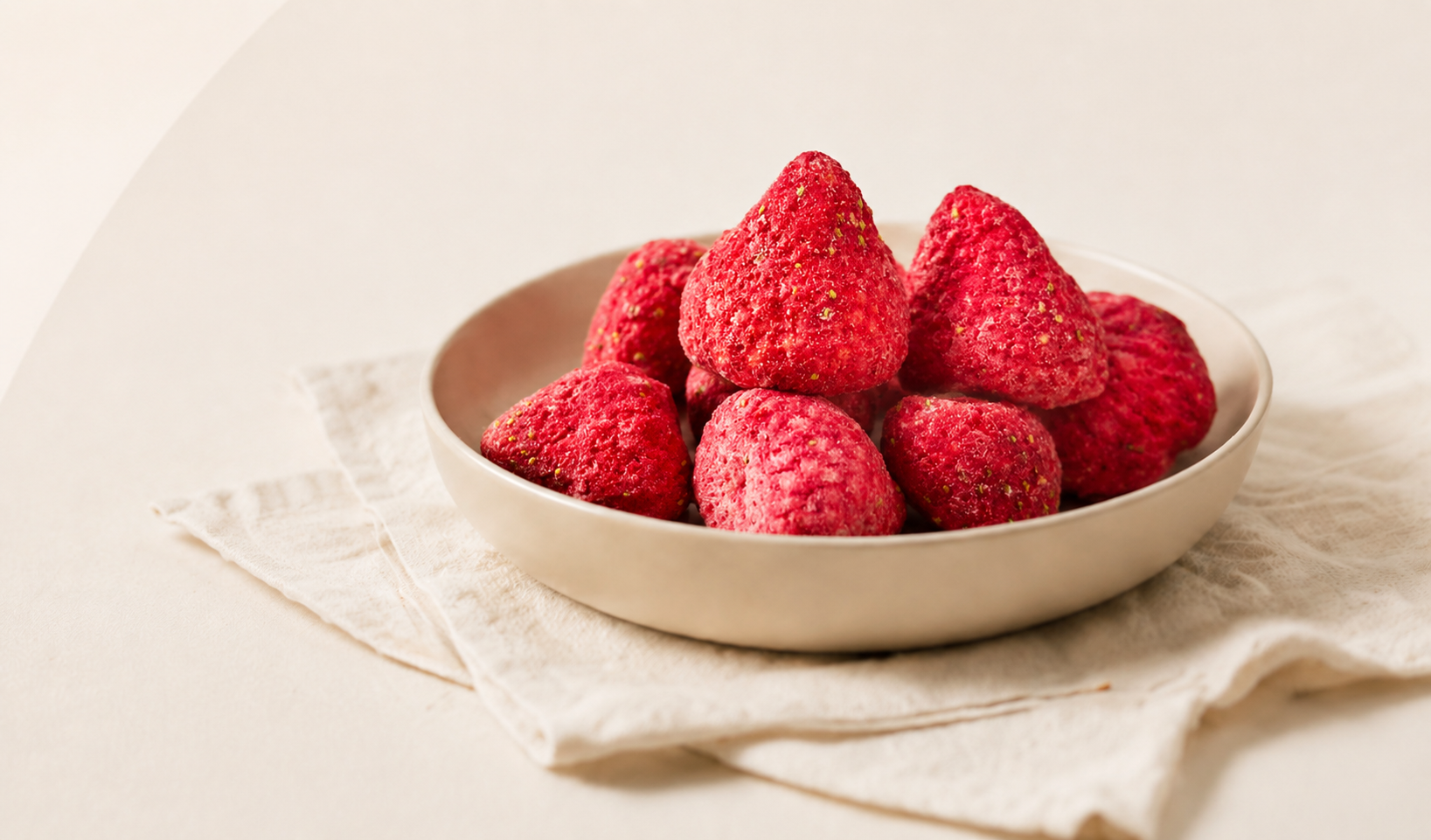
Beyond traditional canning and retort pouches, dehydration and freeze-drying technologies are rapidly shaping the future of convenience snacking and meal preparation. These advanced methods gently remove moisture from the food through sublimation, inhibiting bacterial growth while perfectly preserving the cellular structure, vibrant color, and vital nutrients of the original ingredients. When it comes to ready to eat food, freeze-dried fruits and vegetables offer an incredibly satisfying, airy crunch and intense, concentrated flavor profiles. Because all the heavy water weight is removed, these products are incredibly lightweight, making them ideal for on-the-go snacking, lunchboxes, and travel bags. They provide a texturally exciting experience that traditional cooking methods simply cannot replicate.
Top Daily Consumption Scenarios for Modern Lifestyles
The widespread success of these convenient products is deeply tied to the specific, everyday scenarios in which they are consumed. Understanding these contexts highlights exactly why these products have become so deeply integrated into our daily routines.
- Firstly, the modern workplace is a primary environment for ready to eat food. With lunch breaks shrinking and the desire to maintain a healthy diet rising, office workers are increasingly turning to pre-packaged meals and healthy snacks rather than heavy, greasy takeout. A pack of ready to eat vegetarian food, such as perfectly cooked sweet potatoes or a vibrant freeze-dried vegetable mix, offers a healthy, energizing midday boost. It provides the necessary calories and nutrients to power through the afternoon without causing the dreaded post-lunch energy slump.
- Secondly, outdoor recreation, fitness, and travel represent a massive consumption scenario. Hikers, campers, gym-goers, and frequent travelers rely heavily on durable, non-perishable, and lightweight food items. Ready to eat canned foods are absolutely perfect for a reliable, hearty campsite meal around a fire, while lightweight dried fruits and crispy vegetable snacks provide vital calories, quick carbohydrates, and refreshing flavor without weighing down a hiking backpack or a gym bag.
- Finally, the "relaxed leisure and entertainment" scenario is a massive driver for the convenient food sector. Whether it involves settling down for a movie night at home, hosting an impromptu gathering with friends, or simply unwinding on the couch after a long, exhausting day, consumers instinctively reach for flavorful, highly textured products. Crispy snacks and dried fruits are ultimate pantry staples that require zero preparation but deliver maximum sensory satisfaction during precious leisure time.
Trending Products to Watch from Global Exhibitors
As the global food industry continuously pushes the boundaries of flavor and technology, several innovative products truly stand out in the Asian market. Sourcing from both the technologically advanced agricultural base in China and the vibrant, spice-rich culinary landscape of Southeast Asia, culinary innovators are bringing their absolute best creations forward.
Here are four real, outstanding examples of ready-to-eat products that perfectly illustrate current market trends, all of which highlight the incredible diversity available through the SIAL exhibition network.
1. Healthy Freeze-Dried Vegetables – China
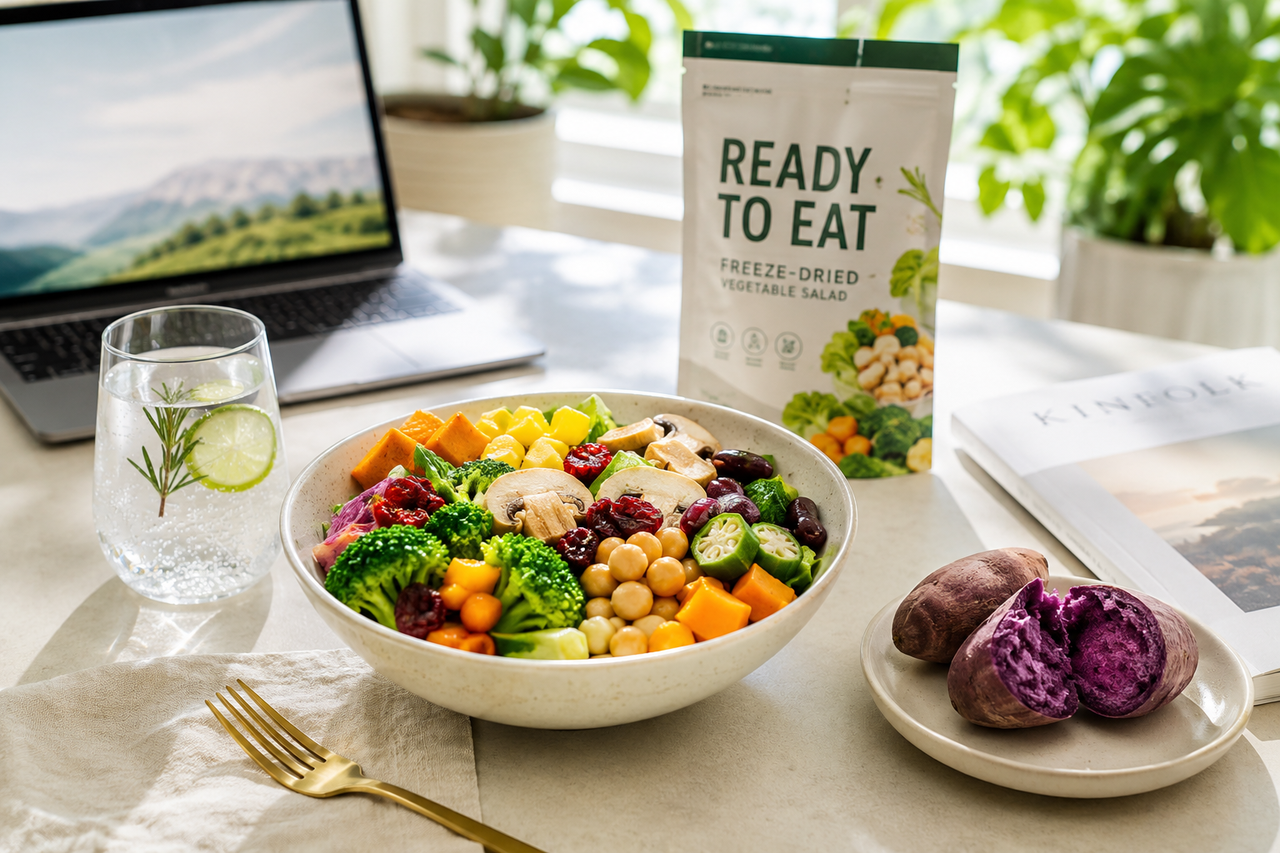
Capitalizing on the surging demand for highly nutritious, additive-free snacks, Freeze-Dried Vegetables represent the absolute pinnacle of modern ready to eat vegetarian food. Sourced from China's advanced agricultural sectors, these carefully selected vegetables undergo cutting-edge freeze-drying technology. This delicate process locks in essential vitamins, trace minerals, and natural, vibrant colors while providing a highly satisfying, airy crunch. They are the perfect, guilt-free solution for consumers seeking a healthy, whole-food alternative to traditional, heavily processed fried potato chips.
2. Ready-to-Eat Purple Sweet Potato – China
A fantastic and delicious example of minimally processed convenience dining is the Ready-to-Eat Purple Sweet Potato. This product perfectly highlights the global clean-eating trend. Naturally sweet, packed with digestion-friendly dietary fiber, and rich in essential antioxidants like anthocyanins, these pre-cooked, perfectly portioned sweet potatoes serve as a versatile pantry staple. They function beautifully as a nutritional afternoon snack, a healthy and rapid breakfast replacement, or a convenient office desk companion. The meticulous vacuum sealing ensures total freshness and safety without the need for any artificial preservatives.
3. Tropical Dried Fruit – Southeast Asia
Moving over to the vibrant and sunny flavors of Southeast Asia, premium Dried Fruit products showcase the region's incredibly rich agricultural bounty. Through careful, low-temperature dehydration, the natural sugars, bright acidity, and intense tropical flavors of fruits like mango, pineapple, and papaya are wonderfully concentrated into a chewy, delicious snack. These sweet, ready to eat food items are incredibly popular globally, providing a rapid energy boost and a delightful taste of the tropics that strongly appeals to both health-conscious adults and active children alike.
4. Flavorful Crispy Snacks – Southeast Asia
Southeast Asia is globally renowned for its bold spices, aromatic herbs, and deeply innovative snack textures. Products like Crispy Snacks offer a thrilling and exotic culinary experience straight out of the bag. Whether they are savory seasoned cassava chips, spicy rice crackers, or complex herb-infused crisps, these products cater heavily to the leisure and entertainment consumption scenario. They masterfully combine authentic, regional Southeast Asian flavor profiles with the ultimate modern convenience, making them highly sought-after items for pantries around the world.
Explore the Future of Food at SIAL Guangzhou 2026
The rapid and continuous evolution of ready to eat food—ranging from the health-conscious innovations of ready to eat vegetarian food to the timeless, dependable utility of ready to eat canned foods and thrilling new snack textures—is a powerful testament to the food industry's relentless drive for progress. As consumer palates become significantly more sophisticated, adventurous, and their daily schedules more demanding, the market for these highly convenient, globally sourced products will undoubtedly continue its rapid upward trajectory.
For dedicated food enthusiasts, culinary professionals, and anyone eager to stay ahead of these delicious global trends, attending international food exhibitions is an incredibly rewarding experience. These events provide an unparalleled opportunity to taste innovative products firsthand, explore new flavor combinations, verify the high quality of raw ingredients, and understand the shifting dynamics of global food consumption.
We highly encourage you to explore these exciting, mouth-watering developments in person. Immerse yourself in a world of flavor, discover your next favorite pantry staple, and witness the thrilling future of culinary convenience at SIAL Guangzhou 2026.
Frequently Asked Questions
1. What is ready-to-eat food?
Ready-to-eat (RTE) food refers to food products that are fully prepared, safely processed, and can be consumed immediately without any additional cooking or heating. This category spans a wide variety of convenient options, including fully cooked ready to eat canned foods, freeze-dried snacks, self-heating meal kits, and pre-packaged salads. They are specifically designed for maximum convenience and extended shelf stability, making them the perfect dietary solution for busy professionals, travelers, and anyone needing a quick, nutritious meal on the go.
2. Are ready to eat vegetarian foods actually healthy?
Yes, modern ready to eat vegetarian food can be highly nutritious and form a core part of a healthy diet. Unlike older generations of convenience foods that relied heavily on artificial preservatives and excessive sodium, today's premium vegetarian RTE meals utilize advanced preservation methods like freeze-drying and modified atmosphere packaging (MAP). These technologies perfectly lock in the natural vitamins, minerals, and dietary fiber of fresh vegetables, legumes, and grains, offering a clean, plant-based meal that is just as nourishing as it is convenient.
3. How long do ready to eat canned foods safely last?
Ready to eat canned foods boast one of the longest shelf lives in the food industry, typically remaining safe and flavorful for one to five years when stored in a cool, dry pantry. The commercial canning process involves rigorous high-temperature sterilization and vacuum sealing, which destroys harmful microorganisms and prevents oxidation without the use of chemical preservatives. This incredible durability and virtually zero spoilage rate make them essential staples for everyday meal prep, outdoor camping, and emergency food supplies.







'/%3e%3cdefs%3e%3clinearGradient%20id='paint0_linear_1477_4631'%20x1='18.272'%20y1='0'%20x2='18.272'%20y2='35.3674'%20gradientUnits='userSpaceOnUse'%3e%3cstop%20stop-color='%23FF9F9F'/%3e%3cstop%20offset='1'%20stop-color='%23F15E5E'/%3e%3c/linearGradient%3e%3c/defs%3e%3c/svg%3e)
'/%3e%3cdefs%3e%3clinearGradient%20id='paint0_linear_1477_4633'%20x1='17.5'%20y1='0'%20x2='17.5'%20y2='35'%20gradientUnits='userSpaceOnUse'%3e%3cstop%20stop-color='%23E9C0EE'/%3e%3cstop%20offset='1'%20stop-color='%23CE57DC'/%3e%3c/linearGradient%3e%3c/defs%3e%3c/svg%3e)